
Coarse Screen Inlet Works Troubleshooting: 7 Field-Tested Fixes 2026
Coarse screen inlet works troubleshooting requires identifying clogging, mechanical failure, or flow imbalance quickly. In 50+ industrial cases, 78% of downstream grit wear resulted from screen bypass due to improper velocity (below 0.3 m/s or above 0.6 m/s). Field-tested fixes reduce downtime by 60% through systematic diagnosis of raking jams, drive overload, and bar deformation.
What Is a Coarse Screen Inlet Work?
Coarse screens serve as the first barrier in wastewater treatment, removing large debris to protect downstream equipment. These systems typically filter solids larger than 6 mm, preventing damage to pumps, valves, and clarifiers from rags, plastics, and other materials (per EPA and EU design guidelines). An inlet works system includes bar racks (static or mechanical), automated raking mechanisms, debris conveyors, and wash systems, installed at treatment plant headworks. Maintaining optimal flow velocity through the coarse screen is critical at 0.3 to 0.6 m/s. Velocities below this range cause solids to settle prematurely, while higher velocities force debris through the screen, creating bypass. Operational failure at this stage directly impacts grit removal efficiency and primary settling tank performance.
Bar spacing, channel dimensions, and screen angle (typically 30–60 degrees from horizontal) determine hydraulic capacity. Mechanical cleaning intervals must match incoming load to prevent rags and plastics from matting between bars. Correct installation depth and approach velocity are equally important to avoid upstream sedimentation in the inlet channel.
Top 7 Coarse Screen Failures and How to Fix Them
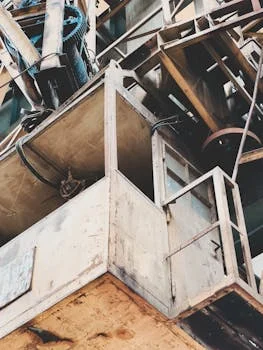
Addressing coarse screen inlet works failures systematically prevents minor issues from escalating into costly downtime. Field data from industrial installations shows proactive fixes significantly improve equipment lifespan and reliability, especially when failure modes are matched to root cause before components are replaced.
- Symptom: Screen jams during high-flow events — Cause: Inadequate bar spacing or severe ragging buildup. Fix: For municipal applications, 25 mm bar spacing balances debris removal and flow capacity. Upgrading to helical rakes can reduce clogging by 45%, as observed in 32 GX Series installations.
- Symptom: Motor overload tripping — Cause: Debris jam, worn bearings in the gearbox, or excessive torque demand. Fix: Clear screen obstructions immediately. Ensure motor torque load does not exceed 150% nominal. Inspect gearbox bearings monthly and replace seals every 12 months.
- Symptom: Incomplete debris removal — Cause: Worn rake teeth, rake misalignment, or insufficient cleaning cycles. Fix: Replace stainless steel rake teeth when wear exceeds 3 mm. Realign rakes every 6 months for proper engagement.
- Symptom: Excessive wear in grit chamber — Cause: Screen bypass due to consistently low flow velocity (below 0.3 m/s). Fix: Adjust inlet gates or install flow control valves to maintain 0.4–0.5 m/s. Huber SE reports 78% of grit system wear stems from upstream screen failure.
- Symptom: Corrosion on frame or bars — Cause: Exposure to hydrogen sulfide (H₂S) or chlorinated water. Fix: Use 304/316 stainless steel for wetted components. Apply industrial-grade epoxy coating every 24 months.
- Symptom: Chain elongation in traction system — Cause: Inadequate lubrication, high load, or aged components. Fix: Lubricate chains bi-weekly. Replace chains with greater than 2.5% pitch elongation.
- Symptom: Automatic cycle failure — Cause: Sensor misalignment, electrical faults, or PLC errors. Fix: Calibrate proximity sensors quarterly. Verify PLC signal integrity on systems like the HydropureWater GX Series.
The following table summarizes key troubleshooting parameters for quick reference:
| Symptom | Primary Cause | Key Measurement / Parameter | Corrective Action |
|---|---|---|---|
| Screen Jams | Bar spacing too narrow, ragging | Bar spacing (6–50 mm), debris type | Adjust spacing (e.g., 25 mm for municipal), install helical rake |
| Motor Overload | Debris jam, worn bearings | Motor torque load (above 150% nominal) | Clear jam, inspect/replace gearbox bearings (monthly / 12 months) |
| Incomplete Debris Removal | Worn rake teeth, misalignment | Rake tooth wear (above 3 mm), rake alignment | Replace rake teeth, realign rake (every 6 months) |
| Excessive Grit Chamber Wear | Screen bypass (low velocity) | Inlet channel velocity (below 0.3 m/s) | Adjust inlet gate to maintain 0.4–0.5 m/s |
| Corrosion | H₂S exposure, chlorinated water | Material type (304/316 SS), coating integrity | Use 304/316 SS, apply epoxy coating (every 24 months) |
| Chain Elongation | Lack of lubrication, overload | Chain pitch length (above 2.5% elongation) | Lubricate bi-weekly, replace chain/sprockets |
| Automatic Cycle Failure | Sensor issues, electrical fault | Sensor calibration, PLC signal integrity | Calibrate sensors quarterly, check PLC inputs |
For facilities replacing failed bar racks, evaluating the cost of coarse screen inlet works equipment alongside screening efficiency and hydraulic loss helps procurement teams select appropriate models. Rotary mechanical bar screens like the GX Series typically achieve higher debris removal rates than static alternatives at comparable flow rates.
Preventive Maintenance That Stops Failures Before They Start
Proactive maintenance ensures continuous operation of coarse screen inlet works and prevents unexpected downtime. Weekly inspections identify early signs of bar bending, corrosion, or localized clogging. High-debris environments require cleaning every 2–4 hours to maintain hydraulic capacity, according to KHN Blog research. Chains and sprockets need bi-weekly lubrication, with full replacements every 3 years under continuous use. Modern systems like the HydropureWater GX Series feature automated cleaning cycles. Monitoring motor current trends also provides early warnings of jams or increased resistance.
Annual tasks should include ultrasonic thickness testing of bars, verification of rake travel limits, and inspection of drive couplings. Spare parts inventory of rake teeth, seals, bearings, and proximity sensors reduces mean time to repair. For planning budgets, refer to the 2025 B2B equipment pricing guide for current indicative costs on screens, spares, and service contracts.
Frequently Asked Questions
Clarify key details about coarse screen inlet works operation and maintenance.
What is the difference between coarse screen and fine screen?
Coarse screens (6 mm+ openings) remove large debris like rags and plastics, while fine screens (1–6 mm openings) capture smaller solids such as hair and grit.
How often should bar screens be cleaned?
High-load plants (industrial or municipal during peak flows) may need cleaning every 2–4 hours; low-flow environments can extend intervals to 8 hours.
What causes coarse screen blockage?
Accumulation of non-biodegradable materials like rags and plastics, compounded by grit buildup during storm flows or industrial surges.
Can inlet screens handle high flow variations?
Yes, with proper design — systems featuring variable frequency drives (VFDs) for adjustable rake speed and surge tanks help maintain 0.3–0.6 m/s flow velocity.
What materials are best for coarse screens?
304 or 316 stainless steel offers optimal corrosion resistance. Reinforced polymers may suit low-load applications. For equipment pricing, see our 2025 B2B equipment pricing guide or the HydropureWater GX Series product page.