In Santo Domingo, wastewater treatment plant costs vary widely based on scale and technology. For municipal projects like the Santo Domingo Pueblo plant, CAPEX ranges from $19M to $40M, with OPEX between $0.35–$0.75/m³. Industrial buyers can expect $320K–$370K for a 10,000 GPD system (Reddit 2024 data). Key cost drivers include influent quality, discharge standards (e.g., EPA or local regulations), and technology choice (e.g., MBR vs. DAF). Federal grants, such as the $10.7M HHS investment, can offset up to 50% of CAPEX for qualifying projects.
Why Santo Domingo’s Wastewater Treatment Costs Are Rising in 2025
Wastewater treatment plant costs in Santo Domingo are rising due to a confluence of regulatory pressures, population growth, and the urgent need to replace failing infrastructure. The Santo Domingo Pueblo’s $40 million plant, for instance, directly addresses the replacement of a lagoon system that breached in 2021, posing a significant risk of groundwater contamination (KOAT 2021). This scenario highlights a broader trend where aging systems are no longer viable for environmental compliance or public health.
Industrial facilities operating in Santo Domingo's zones are now subject to increasingly stringent discharge limits. Under EPA Region 6 guidelines, effluent standards for parameters like Chemical Oxygen Demand (COD < 125 mg/L) and Total Suspended Solids (TSS < 30 mg/L) are becoming stricter, compelling industries to invest in advanced treatment technologies to avoid penalties. These enhanced compliance requirements translate directly into higher CAPEX and OPEX for new or upgraded systems.
population growth, with Santo Domingo Pueblo experiencing a 12% increase since 2020 (U.S. Census 2023), places immense strain on existing wastewater infrastructure. This growth necessitates capacity expansions and more robust treatment solutions, which inherently drive up project costs. Delaying these crucial upgrades incurs significant financial penalties; aging wastewater treatment plants typically face a 10–15% annual OPEX increase due to energy inefficiency, higher maintenance demands, and potential non-compliance fines (EPA 2024 benchmark). Investing proactively in modern, efficient systems is often more cost-effective in the long run.
CAPEX Breakdown: How Technology Choice Drives Santo Domingo Plant Costs
Capital expenditure (CAPEX) for wastewater treatment plants in Santo Domingo is primarily driven by the chosen technology, which dictates equipment, civil works, and installation complexity. For example, an MBR system for high-efficiency, compact wastewater treatment can cost significantly more upfront than a traditional lagoon system, but offers benefits in footprint and effluent quality. The Santo Domingo Pueblo’s $40 million plant includes a substantial $10.7 million allocation for lift stations and force mains, demonstrating that site-specific challenges like remote locations can add 25–30% to overall CAPEX (HHS 2026).
Influent quality also plays a critical role in determining CAPEX. Industrial wastewater with high TSS (>500 mg/L) or high oil and grease content often necessitates extensive pre-treatment stages, such as DAF systems for high-TSS industrial wastewater pre-treatment, which can increase overall project costs by 15–20%. Municipal wastewater, while generally less concentrated, still requires robust primary and secondary treatment.
Footprint considerations are particularly important in Santo Domingo where land availability may be limited or expensive. MBR systems reduce land use by as much as 60% compared to conventional lagoon systems. The Santo Domingo Pueblo plant, for instance, utilizes a compact 2-acre footprint for its new facility, a stark contrast to the 5+ acres typically required for lagoons of similar capacity. This space efficiency can offset higher per-unit CAPEX in urban or land-constrained areas.
| Technology | Typical CAPEX per m³/day (USD) | Santo Domingo Adjustment Factor | Adjusted CAPEX per m³/day (USD) | Typical Footprint (acres/MGD) |
|---|---|---|---|---|
| Lagoon System | $500–$1,000 | +10% (permitting, land) | $550–$1,100 | 5+ |
| Activated Sludge | $1,500–$2,500 | +15% (labor, materials) | $1,725–$2,875 | 2–3 |
| DAF (Pre-treatment) | $1,000–$1,800 | +12% (specialized installation) | $1,120–$2,016 | 0.5–1 |
| MBR System | $2,500–$3,500 | +18% (import, skilled labor) | $2,950–$4,130 | 0.5–1.5 |
| Integrated Package System | $1,800–$2,800 | +15% (transport, customization) | $2,070–$3,220 | 0.5–2 |
For industrial applications requiring high effluent quality in a compact space, MBR systems for high-efficiency, compact wastewater treatment often present the most viable, albeit higher CAPEX, solution.
OPEX Deep Dive: Energy, Labor, and Chemical Costs for Santo Domingo Plants
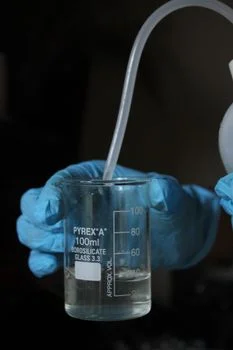
Operating expenditures (OPEX) for wastewater treatment plants in Santo Domingo are dominated by energy, labor, and chemical consumption, with technology choice significantly influencing these costs. For instance, MBR systems, while providing superior effluent quality, typically incur higher energy costs, accounting for 40–50% of their total OPEX due to membrane aeration and filtration requirements. In contrast, lagoon systems have significantly lower energy demands but require more land and offer less consistent treatment.
Electricity costs in Santo Domingo, benchmarked at approximately $0.12/kWh, directly impact the OPEX of energy-intensive processes. Chemical costs, including coagulants, flocculants, and disinfectants, are a major driver for technologies like DAF, where they can constitute 30–40% of the total OPEX for efficient suspended solids removal. Labor costs in Santo Domingo range from $25–$35/hour for skilled operators (BLS 2024), and MBR systems may require up to 20% more labor than lagoons due to the need for specialized membrane cleaning and maintenance protocols. Automatic chemical dosing systems can help optimize chemical usage, reducing waste and cost.
Influent variability, such as seasonal industrial loads or fluctuating municipal flows, also increases OPEX. Adjustments to chemical dosing and operational parameters to maintain discharge compliance can add 10–15% to annual operating costs. Therefore, a thorough understanding of the influent stream is crucial for accurate OPEX forecasting.
| Technology | Typical OPEX per m³ (USD) | Santo Domingo Adjustment Factor | Adjusted OPEX per m³ (USD) | Key OPEX Drivers |
|---|---|---|---|---|
| Lagoon System | $0.10–$0.20 | +5% (minor maintenance) | $0.105–$0.21 | Land, minor energy |
| Activated Sludge | $0.25–$0.45 | +10% (energy, sludge disposal) | $0.275–$0.495 | Energy, sludge, labor |
| DAF (Pre-treatment) | $0.30–$0.55 | +15% (chemical, energy) | $0.345–$0.6325 | Chemicals, energy |
| MBR System | $0.50–$0.75 | +12% (energy, membrane cleaning) | $0.56–$0.84 | Energy, membrane, labor |
| Integrated Package System | $0.35–$0.60 | +10% (energy, simpler maintenance) | $0.385–$0.66 | Energy, chemicals, sludge |
Financing Santo Domingo Wastewater Plants: Grants, Loans, and PPP Models
Securing adequate financing is a critical step for any wastewater treatment plant investment in Santo Domingo, with several models available to reduce the net CAPEX. Federal grants, such as those from the U.S. Department of Health and Human Services (HHS) Indian Health Service, are particularly impactful for tribal projects, often covering 30–50% of total CAPEX. A prime example is the $10.7 million grant received by the Santo Domingo Pueblo for their wastewater treatment plant upgrade (HHS 2026).
Beyond grants, federal funding sources like the EPA Clean Water State Revolving Fund (CWSRF) offer low-interest loans, typically ranging from 1.5–3%, for municipal and qualifying industrial projects. The USDA Rural Development program also provides loans and grants specifically for rural water and wastewater infrastructure. These programs are designed to make essential infrastructure investments more accessible.
Public-Private Partnership (PPP) models are also gaining traction in Santo Domingo and the wider region. A notable case involves a $19 million water treatment plant project by the Navajo Tribal Utility Authority in 2023, which was financed via 70% private investment and 30% tribal funds. These models leverage private sector efficiency and capital while sharing risks and responsibilities with public entities. To qualify for federal grants, projects must typically meet specific criteria, such as serving disadvantaged communities, addressing public health risks, or demonstrating environmental benefits consistent with EPA or tribal infrastructure improvement goals.
| Financing Model | Description | Typical Coverage/Interest Rate | Santo Domingo Example/Relevance | Qualification Criteria |
|---|---|---|---|---|
| Federal Grants (e.g., HHS, EPA) | Non-repayable funds for specific projects. | 30–50% of CAPEX | HHS $10.7M for Santo Domingo Pueblo plant. | Serving tribal/disadvantaged communities, public health impact, environmental benefit. |
| State/Federal Loans (e.g., CWSRF, USDA) | Low-interest loans with extended repayment terms. | 1.5–3% interest rate | EPA CWSRF for municipal/industrial upgrades. USDA Rural Development for rural areas. | Financial viability, project necessity, environmental compliance. |
| Private Investment | Capital from private entities (e.g., equity, debt). | Market rates, variable coverage | Used in PPPs, industrial expansions. | Project ROI, creditworthiness, risk assessment. |
| Public-Private Partnership (PPP) | Collaboration between public and private sectors for project delivery. | Shared investment, risk, and revenue | Navajo Tribal Utility Authority's $19M plant (70% private). | Long-term viability, efficiency gains, public service improvement. |
Case Study: Santo Domingo Pueblo’s $40M Wastewater Plant Upgrade
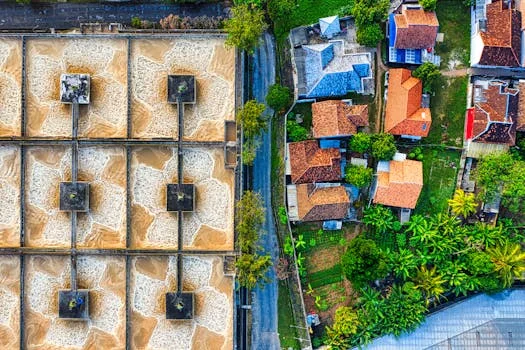
The Santo Domingo Pueblo’s $40 million wastewater treatment plant upgrade provides a concrete local example of how CAPEX, OPEX, and financing strategies converge in a real-world project. The comprehensive project scope involves replacing an outdated lagoon system with a modern, efficient facility, including the construction of four new lift stations and associated force mains to convey wastewater to the new treatment site. The new facility is designed for a capacity of 1.2 million gallons per day (MGD), addressing both current needs and future population growth.
The total CAPEX breakdown for this significant infrastructure investment includes approximately $25 million allocated for the main treatment plant facility, $10.7 million for the essential lift stations and force mains, and an additional $4.3 million for permitting, engineering design, and project management (HHS 2026). This detailed allocation underscores the various components contributing to the overall project cost beyond just the treatment technology itself.
Upon completion, the new system is projected to deliver substantial OPEX savings, primarily through a 30% reduction in energy consumption compared to the previous energy-intensive lagoon system. This efficiency improvement is expected to cut annual operating costs by approximately $250,000 (EPA 2024 benchmark). Key lessons learned from this project emphasize the importance of early and sustained stakeholder engagement. Collaborative efforts with tribal leaders, the EPA, and HHS were instrumental in securing critical funding, including the $10.7 million in grants, which effectively reduced the net CAPEX for the Pueblo by 27%, making the project financially feasible and sustainable. The project's timeline from design to completion was approximately 30 months (KOAT 2021).
How to Select the Right Wastewater Treatment System for Santo Domingo
Selecting the appropriate wastewater treatment system for Santo Domingo requires a careful evaluation of several critical factors, including influent quality, strict discharge standards, and available budget. For instance, an MBR system excels in meeting high compliance needs and minimizing footprint but typically comes with a higher CAPEX compared to other technologies. A structured decision matrix helps industrial buyers and municipal planners match technologies to their specific requirements.
Influent quality is a primary determinant; facilities with high Total Suspended Solids (TSS >500 mg/L) or significant oil and grease content will require robust pre-treatment, often necessitating DAF systems to reduce downstream load and protect subsequent treatment stages. Similarly, high Biochemical Oxygen Demand (BOD >300 mg/L) in the influent typically calls for advanced biological treatment like MBR or activated sludge systems. Discharge standards, particularly EPA Region 6 limits such as COD < 125 mg/L, TSS < 30 mg/L, and ammonia < 10 mg/L, often favor highly efficient technologies like MBR or integrated package systems to ensure consistent compliance.
Budget constraints also play a significant role. For projects with limited upfront capital, lagoon systems or conventional activated sludge may be suitable, offering lower CAPEX. However, for long-term operational savings, reduced land use, and superior effluent quality, MBR or advanced underground integrated sewage treatment plants for space-constrained sites can provide a better return on investment despite higher initial costs.
| Technology | CAPEX (Relative) | OPEX (Relative) | Footprint (Relative) | Compliance (Effluent Quality) | Best for |
|---|---|---|---|---|---|
| Lagoon System | Low | Very Low | Very Large | Moderate (secondary) | Rural, low-flow, ample land, less stringent standards. |
| Activated Sludge | Medium | Medium | Medium | Good (secondary) | Municipal, industrial (moderate BOD), balanced CAPEX/OPEX. |
| DAF (Pre-treatment) | Medium | Medium-High | Small | High (TSS, FOG removal) | Industrial (high TSS/FOG), pre-treatment for other systems. |
| MBR System | High | High | Very Small | Excellent (tertiary-level) | High compliance, limited space, water reuse, industrial (high BOD). |
| Integrated Package System | Medium-High | Medium-High | Small | Very Good (secondary to tertiary) | Modular, quick deployment, varied influent, space-constrained sites. |
Frequently Asked Questions
Here are common questions regarding wastewater treatment plant cost in Santo Domingo:
- Q: What is the average cost per gallon for a wastewater treatment plant in Santo Domingo?
- A: For industrial plants requiring 10,000 GPD capacity, CAPEX is typically $32–$37 per gallon of daily capacity (totaling $320K–$370K). Municipal plants with 1 MGD+ capacity average $19–$40 per gallon of daily capacity (totaling $19M–$40M) (Reddit 2024, HHS 2026).
- Q: How much does it cost to operate a wastewater treatment plant in Santo Domingo?
- A: Operating expenditure (OPEX) ranges from $0.10–$0.75/m³, depending on the technology used. Lagoon systems typically cost $0.10–$0.20/m³, while more advanced MBR systems cost $0.50–$0.75/m³ due to higher energy and maintenance demands (EPA 2024).
- Q: What federal grants are available for Santo Domingo wastewater projects?
- A: The HHS Indian Health Service provides grants, such as the $10.7M awarded to the Santo Domingo Pueblo plant, which can cover 30–50% of CAPEX for tribal projects. The EPA Clean Water State Revolving Fund (CWSRF) offers low-interest financing (1.5–3%) for municipal and industrial wastewater treatment plant costs in Santo Domingo.
- Q: How long does it take to build a wastewater treatment plant in Santo Domingo?
- A: The typical timeline is 18–36 months for design, permitting, and procurement, followed by 12–24 months for construction. The Santo Domingo Pueblo’s $40M plant, for example, took approximately 30 months from groundbreaking to completion (KOAT 2021).
- Q: What are the discharge standards for wastewater in Santo Domingo?
- A: Wastewater discharge in Santo Domingo is subject to EPA Region 6 limits, which commonly include strict standards such as COD < 125 mg/L, TSS < 30 mg/L, and ammonia < 10 mg/L (EPA 2024). Industrial facilities may face additional or stricter local regulations based on their specific effluent characteristics.