Common Symptoms and What They Reveal
Foul odors emanating from a modular sewage treatment system downstream from the aeration basin indicate anaerobic conditions, frequently caused by blower failure or clogged diffusers, which account for 41% of aeration failures (industry field reports, 2025). These odors, often described as rotten egg (hydrogen sulfide) or sour, signify insufficient oxygen supply to the aerobic biomass, leading to incomplete organic matter degradation. An immediate check of dissolved oxygen (DO) levels in the aeration tank, ideally maintained between 2-4 mg/L, is crucial. Effluent turbidity exceeding 5 NTU, when measured by an online turbidimeter, suggests a compromise in solids separation, pointing towards potential membrane breaches in MBR systems or an overloaded clarifier in conventional activated sludge units. This can lead to non-compliance with discharge permits. High Mixed Liquor Suspended Solids (MLSS) concentrations in the aeration tank, typically above 6,000 mg/L, often indicate a malfunction in the wasted activated sludge (WAS) return or the return activated sludge (RAS) pump. Such conditions can lead to sludge bulking, poor settling, and increased loading on downstream separation processes. persistent foaming on the aeration tank surface is commonly linked to high surfactant loads in the influent wastewater or the proliferation of filamentous bacteria like Nocardia. Facility operations managers should review influent material safety data sheets (SDS) for new chemical inputs and monitor fats, oils, and grease (FOG) levels to pinpoint the source. For detailed MBR-specific issues, consult our step-by-step MBR membrane cleaning and recovery guide.Diagnosing Aeration System Failures
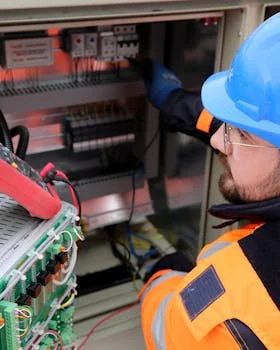
Table 1: Aeration System Fault Diagnosis Guide
| Symptom | Sensor Threshold/Observation | Probable Cause | Typical MTTR (Mean Time To Repair) | Recommended Action |
|---|---|---|---|---|
| Low DO (<2 mg/L) | Blower running, Air Filter ΔP >250 Pa | Clogged air filter | 2-4 hours | Replace/clean air filter |
| Uneven aeration | Lateral pressure drop >10% variance | Blocked diffuser/manifold | 4-8 hours | Air scour, chemical clean, or replace diffusers |
| Blower motor overload | Amperage >110% nameplate | Seized bearings, backpressure | 8-24 hours | Inspect bearings, check aeration grid |
| Increased power consumption for aeration | DO maintained, but blower power up 15%+ | Fouled fine bubble diffusers | 6-12 hours | Clean/replace diffusers |
MBR and Membrane Fouling Response Protocol
A transmembrane pressure (TMP) increase exceeding 15 kPa above baseline in an MBR system is the primary indicator of membrane fouling and necessitates immediate chemical-enhanced backwash (CEB). This proactive measure aims to dislodge reversible foulants and restore flux. The standard CEB protocol involves a 30-minute soak with a 0.5% NaOCl solution, followed by a backwash cycle, effective against biological fouling and organic accumulation (HydropureWater field protocols, 2025). If flux decline persists, specifically a drop greater than 20% from the operational baseline, it signals the onset of irreversible fouling, often due to organic or inorganic scaling. For such persistent fouling, an offline citric acid cleaning is required, involving a prolonged soak (typically 12-24 hours) at a pH of 2-3 to effectively dissolve inorganic scales like calcium carbonate and metal hydroxides. For organic fouling, an alkaline solution (e.g., NaOH at pH 10-12) might be necessary. It is critical to understand that PVDF flat sheet membranes, such as those found in many integrated MBR systems, are engineered to tolerate specific backpulse pressures, typically between 0.1–0.3 bar. Exceeding this pressure range can cause irreversible fiber damage, leading to membrane integrity breaches and compromised effluent quality. Post-cleaning, if flux recovery remains below 85% of the initial clean membrane flux, it indicates severe, irreversible fouling, signaling the need for module replacement to maintain system performance and compliance. Further detailed troubleshooting for MBR membranes can be found in our comprehensive flat sheet MBR membrane troubleshooting guide.Table 2: MBR Membrane Fouling Diagnostic and Recovery Metrics
| Symptom | Sensor Threshold/Observation | Probable Cause | Recovery Protocol | Recovery Metric Target |
|---|---|---|---|---|
| TMP increase | >15 kPa over baseline | Reversible fouling (biological/organic) | 0.5% NaOCl CEB (30 min soak) | TMP reduction >10 kPa |
| Flux decline | >20% from baseline | Irreversible fouling (organic/inorganic scaling) | Offline citric acid (pH 2-3) or NaOH (pH 10-12) cleaning | Flux recovery >85% |
| Effluent turbidity spike | >5 NTU post-backwash | Membrane breach/fiber damage | Pressure decay test, module isolation/replacement | Turbidity <1 NTU |
| High chemical consumption for cleaning | More frequent/intense CEB needed | High influent foulant load | Pre-treatment optimization, MBR operational parameter adjustment | CEB frequency reduction by 20% |
Automation and Control System Glitches
Preventing Recurring Faults with Predictive Maintenance
Implementing a predictive maintenance schedule, such as replacing air filters every 90 days in high-dust industrial environments, can extend blower life by an average of 2.3 years (HydropureWater operational data, 2025). This proactive approach shifts maintenance from reactive repairs to scheduled interventions, significantly reducing unplanned downtime and operational costs. For MBR systems, monthly membrane integrity tests, typically performed via a pressure decay test where a decay rate less than 0.02 bar/min is acceptable, are crucial for preventing effluent breaches and ensuring consistent treated water quality. Regular logging and analysis of key process parameters like dissolved oxygen (DO), pH, and Oxidation-Reduction Potential (ORP) trends on a weekly basis provide early warnings of upstream process upsets or changes in influent characteristics. Sudden shifts in these parameters can signal issues such as toxic loads, nutrient deficiencies, or hydraulic surges before they manifest as critical system failures. integrating vibration sensors on critical rotating equipment like blowers can provide advanced warning of mechanical degradation. A vibration reading exceeding 4.5 mm/s RMS (Root Mean Square) can alert operators to a predictive failure 14–21 days in advance, allowing for planned maintenance without disrupting operations. This data-driven strategy aligns with rapid fault resolution for skid-mounted modular plants, ensuring continuous environmental compliance.Frequently Asked Questions
What causes sludge bulking in modular systems?
Sludge bulking in modular sewage treatment systems is primarily caused by the overgrowth of filamentous bacteria, often triggered by a low food-to-microorganism (F/M) ratio, septic influent conditions, or nutrient imbalances. Corrective actions include chlorination (shock dosing), adjusting the Return Activated Sludge (RAS) rate, or optimizing nutrient addition.How often should MBR membranes be cleaned?
MBR membranes typically require weekly Chemical-Enhanced Backwash (CEB) with a hypochlorite solution (e.g., 0.5% NaOCl) for routine maintenance. Quarterly offline chemical cleaning with citric acid (for inorganic scaling) or caustic (for organic fouling) is recommended for more stubborn foulants.Why is my effluent cloudy after maintenance?
Cloudy effluent after maintenance is commonly due to air entrapment within the system or disturbance of the sludge bed during service. Allow 2–4 hours for the system to stabilize, for entrained air to dissipate, and for solids to re-settle. If turbidity persists, check for membrane integrity issues or clarifier overflow.Can I run the system without chemical dosing?
Running a modular sewage treatment system without chemical dosing is only feasible if the influent BOD/COD is consistently stable and low, and if existing biological processes can achieve desired effluent quality without assistance. Otherwise, coagulants (e.g., PAC) are typically needed to achieve Total Suspended Solids (TSS) below 30 mg/L or for phosphorus removal.What’s the first step when the system alarms?
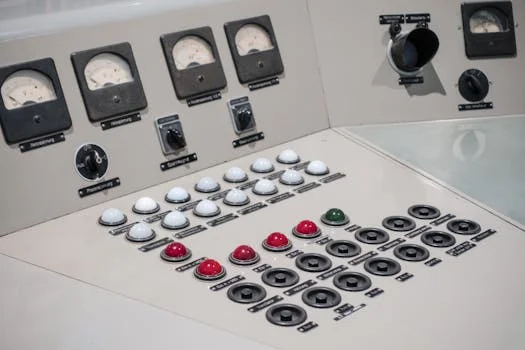
When a system alarm activates, the first step is to immediately check the Human-Machine Interface (HMI) for the specific fault code or alarm message. Next, verify power supply, inspect relevant level sensors, and confirm the operational status of critical equipment like blowers or pumps to quickly narrow down the problem's origin.Related Equipment
- integrated MBR system for high-quality effluent — view specifications, capacity range, and technical data
- PLC-controlled chemical dosing for stable pH and coagulation — view specifications, capacity range, and technical data
Need a customized solution? Request a free quote with your specific flow rate and pollutant parameters.