Egypt’s sewage treatment equipment market is dominated by suppliers offering MBBR, DAF, and integrated WSZ systems, with capacities ranging from 1 m³/h (3.6 m³/day) to 300 m³/h (7,200 m³/day). Key compliance benchmarks include Law 48/1982 (≤30 mg/L BOD, ≤50 mg/L TSS for industrial discharge) and EU-equivalent standards for water reuse. Local suppliers like Mid Water and Omega Water Technology provide turnkey solutions, while importers face 14% customs duty on equipment under the Egyptian Customs Tariff 2024. This guide includes engineering specs, cost breakdowns, and a zero-risk supplier selection framework to navigate Egypt’s regulatory and logistical challenges.
Consider a facility manager at a textile processing plant in Alexandria. Under the increasing scrutiny of the Egyptian Environmental Affairs Agency (EEAA), the facility recently faced a compliance audit. With influent BOD levels exceeding 280 mg/L, the plant risked heavy fines and operational suspension. This scenario is common across Egypt's industrial zones, where the transition from basic filtration to advanced biological and physical-chemical treatment is no longer optional but a regulatory mandate. Selecting the right equipment requires balancing high import duties against the technical reliability of local vs. international engineering standards.
Egypt’s Sewage Treatment Landscape: Regulations, Challenges, and Opportunities
Law 48/1982 mandates strict discharge limits for industrial sewage into the Nile and public sewers, including a BOD threshold of ≤30 mg/L and TSS of ≤50 mg/L to protect Egypt's primary water source. Failure to meet these standards has led to intensified enforcement by the EEAA; in 2023, fines for non-compliant textile and food processing plants averaged approximately $12,000 per violation. These penalties are often accompanied by mandatory "rectification periods," during which plants must install or upgrade treatment infrastructure or face permanent closure.
The urgency for high-efficiency equipment is compounded by national water scarcity. With 95% of Egypt’s population relying on the Nile, the government has set aggressive reuse targets of 3.5 billion m³/year by 2030 (EEAA 2024). This has shifted the market preference toward technologies that allow for Grade A or Grade B treated effluent, suitable for industrial cooling or landscape irrigation. For instance, Aswan-specific wastewater treatment solutions often prioritize high evaporation resistance and modularity to handle extreme thermal conditions while meeting these reuse goals.
Procurement leads must also navigate the logistical divide between local and imported equipment. While the Egyptian Customs Tariff 2024 imposes a 14% duty on imported systems, local fabrication often suffers from 30% longer lead times due to raw material sourcing delays. A 2024 case study of a textile plant in Sadat City demonstrated that a hybrid approach—importing core components like MBBR media and DAF pumps while fabricating tanks locally—reduced BOD from 280 mg/L to 22 mg/L, achieving compliance within a 16-week window.
| Parameter | Law 48/1982 (Direct Discharge) | Law 93/1962 (Sewer Discharge) | EEAA 2030 Reuse Target (Grade A) |
|---|---|---|---|
| BOD5 (mg/L) | ≤ 30 | ≤ 600 | ≤ 20 |
| TSS (mg/L) | ≤ 50 | ≤ 800 | ≤ 20 |
| COD (mg/L) | ≤ 100 | ≤ 1,100 | ≤ 40 |
| pH | 6.0 – 9.0 | 6.0 – 9.5 | 6.5 – 8.5 |
| Oil & Grease (mg/L) | ≤ 5 | ≤ 100 | ≤ 5 |
Sewage Treatment Equipment Types for Egypt: Engineering Specs and Use-Case Matching
Moving Bed Biofilm Reactors (MBBR) utilized in Egypt typically feature PVDF or high-density polyethylene media with surface areas of 500–800 m²/m³ to handle high-strength industrial organic loads. These systems are particularly effective for food processing and pharmaceutical plants where organic loading rates vary between 0.5 and 1.5 kg BOD/m³/day. Using MBR membrane bioreactor systems for Egypt’s high-strength industrial wastewater provides an even higher level of treatment, often eliminating the need for secondary clarification and ensuring effluent meets EU-equivalent standards for reuse.
For industries dealing with high fats, oils, and grease (FOG), such as slaughterhouses and dairies, Dissolved Air Flotation (DAF) is the primary choice. Modern DAF systems for Egypt’s FOG-heavy wastewater streams generate micro-bubbles in the 30–50 μm range, achieving 92–97% TSS removal even when influent levels exceed 500 mg/L. The DAF data indicates that these systems are highly resilient to the high ambient temperatures of Egypt, which can otherwise affect the solubility of air in water and reduce flotation efficiency.
In residential developments and commercial compounds where land value is high, the WSZ series for Egypt’s residential and commercial projects with space constraints offers a compact, underground solution. These integrated plants utilize an Anaerobic/Oxidic (A/O) process with a Hydraulic Retention Time (HRT) of 8–12 hours, achieving 90–95% COD removal. For remote construction sites or rapid industrial expansions, prefabricated wastewater plants for Egypt’s rapid deployment needs can be commissioned 30% faster than traditional civil works, often arriving as 20-ft or 40-ft ISO containerized units.
| Equipment Type | Key Engineering Specification | Best Use Case (Egypt) | Removal Efficiency (BOD/TSS) |
|---|---|---|---|
| MBBR | 500-800 m²/m³ Media Surface | Food Processing, Textiles | 85-95% |
| DAF | 30-50 μm Micro-bubbles | Slaughterhouses, Dairies | 90-97% (TSS) |
| WSZ (Integrated) | 8-12 h HRT (A/O Process) | Resorts, Housing Compounds | 90-95% |
| MBR | 0.03 μm Pore Size (PVDF) | Water Reuse, Hospitals | 98-99% |
Egypt-Specific Cost Breakdown: CAPEX, OPEX, and Hidden Expenses
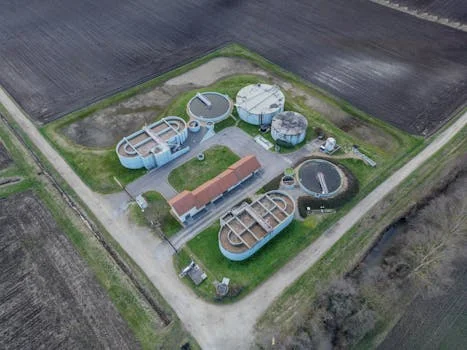
The average CAPEX for a 100–500 m³/day sewage treatment plant in Egypt ranges from $800 to $2,500 per cubic meter of daily capacity, depending on the technology and material grade. MBBR systems generally sit at the lower end ($800–$1,500/m³), while high-precision DAF and MBR systems command a premium ($1,200–$2,500/m³) due to specialized components like membranes and air saturation systems. These figures reflect 2025 market data and include the 14% customs duty applicable to imported machinery components.
Operational expenditures (OPEX) are heavily influenced by local energy and labor costs. Energy consumption for MBBR typically ranges from 0.3–0.6 kWh/m³, while chemicals for coagulation and flocculation in DAF systems add $0.05–$0.15/m³. Labor in Egypt remains relatively affordable, with two skilled operators costing approximately $300–$500 per month, but this is often offset by the high cost of imported spare parts. For a comprehensive look at long-term financial modeling, comparing a sludge thickening solutions for Egypt’s industrial plants can reveal significant savings in disposal costs, which have risen by 20% since 2023.
| Cost Category | Estimated Value (Egypt 2025) | Notes / Drivers |
|---|---|---|
| CAPEX (MBBR) | $800 – $1,500 per m³/day | Includes 14% import duty |
| CAPEX (DAF) | $1,200 – $2,500 per m³/day | High-grade SS304/316 tanks |
| Energy (OPEX) | $0.04 – $0.08 per m³ | Based on industrial electricity tariffs |
| Chemicals (OPEX) | $0.05 – $0.15 per m³ | Coagulants/Polymers sourcing |
| Spare Parts | 10-15% of CAPEX / year | Critical for imported systems |
Top 5 Sewage Treatment Equipment Suppliers in Egypt: Head-to-Head Comparison
The Egyptian market for sewage treatment equipment is bifurcated between local fabricators offering 30% longer lead times and authorized distributors of European or Asian technologies. Mid Water, for example, operates as an authorized distributor for Culligan Italiana and Hydro Instruments, specializing in gas chlorination and MBR systems. While they offer robust 24/7 local support in Cairo, their standard range is often optimized for systems under 500 m³/day, which may limit their utility for large-scale municipal projects.
Omega Water Technology stands out for its in-house laboratory services, allowing for pilot testing of influent before equipment specification. This is a critical advantage for industrial clients with complex wastewater profiles. Conversely, companies like Albarek focus on turnkey design and maintenance with over 20 years of experience in the "industrial kidney" sector, though their custom units often come with longer lead times. For those prioritizing seawater pretreatment or desalination, United Trading Brothers offers specialized filtration expertise, whereas ESWTCO remains a dominant force in large-scale government and municipal contracts.
| Supplier | Primary Strength | Capacity Range | Compliance Focus |
|---|---|---|---|
| Mid Water | European Tech (Culligan) | 10 – 500 m³/day | Law 48/1982 |
| Omega Water Tech | Lab-Verified Design | 10 – 2,000 m³/day | EEAA / EU Reuse |
| Albarek | Local Fabrication/Service | Custom (Small-Large) | Hospital/Industrial |
| UTB | Filtration/Desalination | Varies | Pretreatment |
| ESWTCO | Large-Scale Municipal | Up to 50,000 m³/day | Government Specs |
Zero-Risk Supplier Selection Framework for Egypt
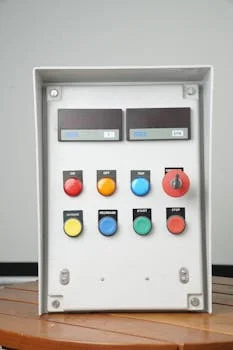
A zero-risk supplier selection framework in Egypt requires mandatory verification of ISO 14001 certification and a demonstrated inventory of spare parts located within Cairo or Alexandria. Because the cost of downtime can exceed $5,000 per day in lost production for some industries, procurement managers must move beyond CAPEX-only evaluations. The following framework is designed to minimize technical and regulatory risk:
- Step 1: Compliance Verification: Ensure the supplier provides a written guarantee that the effluent will meet Law 48/1982 or Law 93/1962. Request recent EEAA approval certificates from their existing installations in Egypt.
- Step 2: Pilot Testing: For any influent with BOD >500 mg/L or high FOG, demand a pilot test. Suppliers like Omega Water Technology offer these services to ensure the biological or chemical process is correctly sized for your specific waste stream.
- Step 3: Local Support Audit: Visit the supplier’s service center. Verify they stock critical spares such as aeration diffusers, MBBR media, and PLC modules. Relying on "express shipping" from overseas often results in 2-3 weeks of downtime due to Egyptian customs clearance.
- Step 4: Warranty and Membrane Life: For MBR systems, demand a 5-year pro-rated warranty on membranes. In Egypt’s high-temperature climate, cheaper PVDF membranes may degrade in 3 years; high-quality membranes should last 5–7 years with proper maintenance.
- Step 5: Financing and Leasing: Explore payment plans. Some local providers like Albarek offer staggered payments or leasing options, which can help navigate the 12–15% interest rates currently found in Egyptian commercial banking.
Red flags during the procurement process include a lack of Egyptian case studies, refusal to perform an on-site influent analysis, or vague answers regarding the 14% import duty and its impact on the final delivery price. Always insist on a DDP (Delivered Duty Paid) quote to avoid unexpected costs at the Port of Alexandria or Sokhna.
Frequently Asked Questions
Can I import used sewage treatment equipment into Egypt?
No. Under Law 48/1982 and Article 12 of the EEAA regulations, all imported sewage treatment equipment must be new and accompanied by CE or ISO certifications. Used equipment is generally prohibited to prevent the dumping of inefficient or hazardous machinery into the local market.
What are the typical lead times for a 500 m³/day MBBR system?
For locally fabricated tanks with imported internal components, lead times are typically 12–16 weeks. Fully imported containerized systems can be delivered in 8–10 weeks, but customs clearance at Egyptian ports can add an additional 2–4 weeks depending on the completeness of the documentation.
Do I need an EEAA permit for a small-scale WSZ system?
Yes. All sewage treatment plants, regardless of size or capacity, require an EEAA environmental impact assessment (EIA) and a subsequent operating permit. Permit fees typically range from $1,500 to $3,000 for small-to-medium systems.
What is the typical energy consumption for a DAF system in Egypt?
A standard DAF system consumes between 0.2 and 0.4 kWh/m³ of treated water. This varies based on the required air-to-solids ratio and the concentration of influent TSS.
How often should I replace MBR membranes in Egypt?
In the Egyptian climate, high-quality PVDF membranes typically last 5–7 years. However, in high-temperature regions like Aswan or Luxor, or if the system is poorly maintained, life expectancy can drop to 3–5 years due to accelerated chemical scaling and biological fouling.
Further Reading
Explore these in-depth articles on related wastewater treatment topics: