Why Third-Generation Semiconductor Fabs Need ZLD: The Gallium and SiC Slurry Challenge
A 2025 case study of a Southeast Asian third-generation semiconductor fab achieved 99.8% wastewater recovery using a hybrid ZLD system combining chemical coagulation (gallium removal: 99.9%), MBR (COD reduction: 98%), and two-stage RO (permeate TDS: <50 mg/L). The $3.2M CAPEX system reduced OPEX to $0.38/m³ by reclaiming 95% of cooling tower makeup water, meeting China’s GB8978-2025 discharge limits for arsenic (<0.1 mg/L) and silicon carbide slurry (<10 mg/L).
Third-generation semiconductor manufacturing, centered on Gallium Nitride (GaN) and Silicon Carbide (SiC), introduces a contaminant profile that traditional silicon-based fab wastewater systems are unequipped to handle. While legacy fabs focus primarily on hydrofluoric acid (HF) and ammonia, GaN/SiC facilities generate high concentrations of dissolved gallium (5–50 mg/L), arsenic (0.5–5 mg/L), and highly abrasive silicon carbide slurry (100–500 mg/L TSS). These contaminants pose severe risks to local ecosystems and municipal treatment infrastructure, leading to the stringent GB8978-2025 discharge limits that mandate arsenic levels below 0.1 mg/L and Total Suspended Solids (TSS) below 10 mg/L.
Traditional wastewater treatment setups, typically relying on basic Reverse Osmosis (RO) and Ion Exchange (IX), frequently fail in these environments. Silicon carbide particles are exceptionally hard and irregular, causing rapid mechanical erosion of pump impellers and irreversible physical scouring of membrane surfaces. dissolved gallium often remains in a stable colloidal state that bypasses standard filtration, leading to permit violations and potential 2024 EPA-style enforcement actions. For a 5,000 m³/day facility, the financial risk of non-compliance is compounded by water scarcity; however, implementing Zero Liquid Discharge (ZLD) allows fabs to reclaim up to 95% of cooling tower makeup water, translating to approximately $1.8M in annual savings based on current industrial water tariffs (per 2025 IC Insights reports).
| Contaminant | GaN/SiC Fab Influent (mg/L) | GB8978-2025 Limit (mg/L) | Primary Treatment Challenge |
|---|---|---|---|
| Gallium (Ga) | 5 – 50 | 0.5 (Direct) / 0.1 (Target) | Amphoteric nature; requires precise pH control for precipitation. |
| Arsenic (As) | 0.5 – 5 | 0.1 | High toxicity; requires co-precipitation with iron salts. |
| SiC Slurry (TSS) | 100 – 500 | 10 | Highly abrasive; causes rapid membrane and pump wear. |
| COD | 400 – 800 | 50 | Complex organic additives from CMP and grinding fluids. |
Case Study: 2025 Southeast Asia Fab’s Hybrid ZLD System for GaN/SiC Wastewater
In early 2025, a major power semiconductor manufacturer completed a 16-million man-hour expansion of its Southeast Asian fabrication plant. The facility focuses on GaN-on-Si epitaxy and SiC power device grinding, generating 5,000 m³/day of highly complex wastewater. The influent is characterized by a low pH (3–5) due to aggressive HF etching processes and a high organic load from Chemical Mechanical Planarization (CMP) surfactants. To meet corporate sustainability goals and local environmental mandates, the fab commissioned a hybrid ZLD system designed to achieve a 99.8% total water recovery rate.
The engineering design utilized a multi-stage approach to isolate and remove specific contaminants before they could reach the high-pressure membrane stages. The process begins with a specialized pre-treatment phase utilizing a high-efficiency DAF system for SiC slurry removal. This unit, a DAF-150 model, processes 150 m³/h and achieves 95% TSS removal by leveraging micro-bubble flotation to lift the abrasive SiC particles. Following solids removal, the water enters a biological stage featuring PVDF flat sheet MBR modules for colloidal gallium removal. These DF-225 modules provide a 0.1 μm physical barrier that retains biomass and metal-hydroxide precipitates, ensuring the downstream RO membranes are protected from fouling.
The core of the recovery system is an industrial RO system for 95% recovery and TDS <50 mg/L. This two-stage configuration pushes the permeate through high-rejection membranes, followed by a Mechanical Vapor Recompression (MVR) evaporator to handle the final brine concentration. The resulting effluent quality exceeded all regulatory requirements, with gallium levels dropping to <0.05 mg/L and arsenic to <0.1 mg/L, effectively turning the wastewater into a high-purity resource for cooling tower makeup.
| Parameter | Influent Concentration | Post-MBR Quality | Final ZLD Effluent (Permeate) |
|---|---|---|---|
| Gallium (mg/L) | 30 | 0.8 | <0.05 |
| Arsenic (mg/L) | 2.0 | 0.15 | <0.1 |
| TSS (mg/L) | 300 | <1 | 0 |
| COD (mg/L) | 800 | 15 | <5 |
| TDS (mg/L) | 2,500 | 2,200 | <50 |
ZLD Process Breakdown: How Each Stage Handles GaN/SiC Contaminants
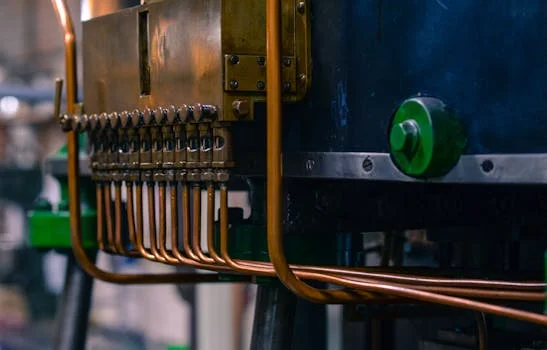
The success of the 2025 Southeast Asia case study rests on the precise engineering of the four-stage hybrid process. Each stage is optimized for a specific chemical or physical characteristic of GaN/SiC waste streams, ensuring that the system is resilient against the abrasive and toxic nature of the influent.
Stage 1: Pre-treatment and Coagulation. Gallium and arsenic removal is initiated through chemical coagulation using ferric chloride (FeCl3) dosed at 150 mg/L. By maintaining a pH between 8.5 and 9.0, the dissolved gallium precipitates as gallium hydroxide [Ga(OH)3], while arsenic is adsorbed onto the ferric hydroxide flocs. The abrasive SiC slurry is then removed via Dissolved Air Flotation (DAF). The micro-bubble technology in the DAF creates a dense "white water" blanket that lifts the dense SiC particles to the surface for mechanical skimming, preventing them from entering the MBR and RO stages where they would cause catastrophic mechanical wear.
Stage 2: Membrane Bioreactor (MBR). The MBR serves as both a biological treatment unit and a secondary solids barrier. Using submerged PVDF membranes with a 0.1 μm pore size, the system achieves a 98% COD reduction. More importantly for third-generation semiconductors, the MBR acts as a "polishing" step for colloidal gallium that may have escaped the DAF. The constant aeration within the MBR tank provides membrane scouring, which is critical to prevent any residual SiC fines from forming a cake layer on the membrane surface. This stage ensures that the SDI (Silt Density Index) of the water entering the RO system is consistently below 3.0.
Stage 3: Two-Stage Reverse Osmosis (RO). The RO system is designed for maximum volumetric recovery. The first stage operates at 75% recovery, while the second stage processes the concentrate to reach a cumulative 95% recovery. This stage utilizes high-rejection brackish water membranes that are specifically selected for their resistance to organic fouling. The resulting permeate, with a TDS <50 mg/L, is directly recycled into the fab’s cooling towers, significantly reducing the demand for fresh municipal water. For further details, see the engineering specs for hybrid ZLD systems in GaN/SiC fabs.
Stage 4: Evaporation and Crystallization. The final 5% of the waste stream—a highly concentrated brine—is sent to an MVR evaporator. The MVR unit concentrates the brine to 20% solids, which are then dewatered into a dry cake for landfill disposal. The distilled condensate from the evaporator is looped back to the RO feed, completing the ZLD cycle and pushing the total facility recovery rate to 99.8%.
Cost Breakdown: CAPEX, OPEX, and ROI for a 5,000 m³/day ZLD System
Evaluating a ZLD system for a GaN/SiC manufacturing line requires a transparent look at the total cost of ownership. While the initial investment is higher than traditional systems, the long-term operational economics are driven by water scarcity and the elimination of discharge penalties. The $3.2M CAPEX for the 5,000 m³/day system translates to approximately $640 per m³ of daily capacity.
The OPEX is managed through high levels of automation and energy recovery. For the Southeast Asia fab, the OPEX of $0.38/m³ includes all chemical dosing (primarily FeCl3 and pH adjusters), power consumption for the MVR and MBR blowers, and a scheduled membrane replacement cycle. The ROI is particularly aggressive at 2.1 years, primarily because the fab avoids the high costs of municipal water (averaging $0.65/m³) and the increasingly expensive discharge fees associated with heavy metal permits. Engineers can find more granular data in the detailed cost breakdown for GaN wastewater treatment systems.
| Cost Category | Investment / Cost | Percentage of Total | Key Cost Driver |
|---|---|---|---|
| Total CAPEX | $3,200,000 | 100% | System Integration & MVR Unit |
| Pre-treatment (DAF/Chem) | $800,000 | 25% | Stainless steel construction (SiC resistance) |
| MBR System | $1,200,000 | 37.5% | PVDF Membrane Modules |
| RO & Evaporator | $1,200,000 | 37.5% | High-pressure pumps and MVR compressor |
| Total OPEX | $0.38 / m³ | - | Energy and Chemical Dosing |
Hybrid ZLD vs. Conventional Systems: Performance and Cost Comparison
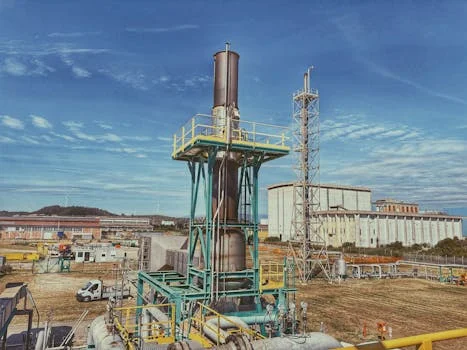
When procurement teams evaluate ZLD, they must weigh it against conventional treatment (typically chemical precipitation followed by RO and discharge). While conventional systems have a lower CAPEX ($400/m³/day), they often fail to meet the stringent 2025 limits for gallium and arsenic without massive chemical over-dosing, which in turn increases sludge disposal costs. The hybrid ZLD system offers a much higher recovery rate (99.8% vs. 70–85%) and ensures long-term regulatory compliance. For fabs located in industrial parks with "zero discharge" mandates, ZLD is not just an option but a prerequisite for the operating license. For more on specific pollutant removal, refer to arsenic removal strategies for semiconductor wastewater.
| Feature | Hybrid ZLD System (2025) | Conventional RO + IX System |
|---|---|---|
| Recovery Rate | 99.8% | 70% – 85% |
| Gallium/Arsenic Compliance | Consistent (<0.1 mg/L) | Variable (Risk of breakthrough) |
| CAPEX per m³/day | $640 | $400 |
| OPEX per m³ | $0.38 | $0.25 (Excludes discharge fees) |
| Membrane Lifespan | 5–7 Years (with MBR protection) | 2–3 Years (SiC abrasion risk) |
| Environmental Impact | Near-zero footprint | High brine discharge volume |
Lessons Learned: 5 Critical Mistakes to Avoid in GaN/SiC Wastewater ZLD
The 2025 Southeast Asia project provided several engineering insights that are critical for EHS managers and fab engineers to consider during the design phase:
- Underestimating SiC Slurry Abrasion: Standard plastic or low-grade steel components will fail within months when exposed to SiC grinding waste. The use of ceramic-lined pumps and DAF systems with heavy-duty stainless steel rakes is mandatory to maintain uptime.
- Ignoring Gallium Speciation: Gallium is amphoteric, meaning it can redissolve at very high or very low pH. The case study confirmed that maintaining a tight pH window of 8.2 to 8.8 during ferric chloride dosing is essential for 99.9% removal.
- Skipping Pilot Testing: A 10 m³/day pilot run was conducted for six weeks prior to full-scale build. This identified a specific CMP surfactant that was causing premature MBR fouling, allowing the team to adjust the pre-oxidation dose before the $3.2M system was commissioned.
- Overlooking Energy Recovery: Integrating Mechanical Vapor Recompression (MVR) instead of standard thermal evaporation reduced the evaporator’s energy consumption by 40%, a key factor in achieving the $0.38/m³ OPEX.
- Neglecting Operator Training: ZLD systems are more complex than standard RO plants. Daily monitoring of membrane integrity and SDI values is required to prevent gallium breakthrough, which could otherwise contaminate the entire cooling water loop.
Frequently Asked Questions
What are the discharge limits for gallium in semiconductor wastewater?
Under China’s GB8978-2025 standards, the limit for gallium is typically set at 0.5 mg/L for indirect discharge, though many local industrial zones now require <0.1 mg/L to prevent accumulation in municipal sludge. The EU’s Industrial Emissions Directive also pushes for similar <0.1 mg/L targets for direct discharge into water bodies.
How much does a third-generation semiconductor ZLD system cost per m³?
CAPEX generally ranges from $500 to $800 per m³/day of capacity, depending on the concentration of SiC slurry and the level of automation. OPEX typically falls between $0.30 and $0.50 per m³ treated, inclusive of power, chemicals, and maintenance.
Can RO membranes handle silicon carbide slurry?
No. Silicon carbide is one of the hardest materials used in manufacturing. If SiC slurry reaches an RO membrane, it will physically scratch the polyamide layer, destroying the salt rejection capabilities. Robust pre-treatment via DAF or ultrafiltration (MBR) is required to remove all TSS before RO.
What’s the typical recovery rate for a hybrid ZLD system?
A well-designed hybrid system for GaN/SiC fabs typically achieves between 99.5% and 99.8% recovery. This allows the fab to operate with almost no liquid waste discharge, significantly easing the environmental permitting process.
How often do MBR membranes need replacement in semiconductor wastewater?
With proper pre-treatment (like the DAF system) and regular chemical cleaning (CIP), PVDF MBR membranes typically last 5 to 7 years in semiconductor applications. This lifespan is significantly longer than RO membranes, which are more sensitive to chemical fouling.