In the Netherlands, sludge dewatering equipment reduces disposal costs by up to 90% and ensures compliance with EU Urban Waste Water Directive 91/271/EEC. Key technologies include belt filter presses, ideal for high-volume municipal sludge, achieving 18-25% dry solids; decanter centrifuges, which are compact and produce 25-35% dry solids with hygienic operation; and chamber filter presses, offering a batch process for 30-40% dry solids with low energy use. CAPEX for these systems ranges from €50,000 for small belt presses to over €500,000 for automated chamber filter systems, with OPEX varying significantly by sludge type and plant capacity. Local suppliers like Service in Separation BV offer mobile rental options for temporary needs, addressing urgent operational demands.
Why Dutch Plants Are Upgrading Sludge Dewatering Equipment in 2025
Sludge disposal costs for Dutch wastewater treatment plants and industrial facilities currently range from €80 to €150 per ton in 2025, according to the Dutch Waste Management Association, making dewatering a critical economic imperative. This financial pressure is compounded by stringent regulatory requirements, particularly the EU Urban Waste Water Directive 91/271/EEC, which mandates a 90% sludge volume reduction for land application, and the Dutch Soil Protection Act, imposing strict limits on heavy metals (e.g., Cadmium, Mercury, Lead) and pathogens (e.g., E. coli) in treated sludge destined for beneficial reuse. Upgrading sludge dewatering equipment directly addresses these challenges by significantly reducing volume and improving sludge quality. For instance, the Amsterdam West WWTP successfully reduced its sludge disposal costs by 40% after implementing an advanced decanter centrifuge system, consistently achieving 28-32% dry solids content, thereby minimizing transport and landfill fees and ensuring compliance with national environmental standards.
Sludge Dewatering Technologies Compared: Which Fits Your Dutch Plant?
Selecting the optimal sludge dewatering equipment is crucial for operational efficiency, cost control, and regulatory compliance in Dutch wastewater treatment plants. Each primary technology offers distinct advantages tailored to specific sludge characteristics and plant operational needs. Belt filter presses provide continuous operation with relatively low energy consumption, making them ideal for high-volume municipal sludge, typically handling throughputs of 5-50 m³/h. Decanter centrifuges, known for their compact footprint and ability to achieve high dry solids content (25-35%), utilize intense G-forces (2,000-4,000 G) for fast, hygienic separation, suitable for diverse industrial sludges. Chamber filter presses, while operating in a batch process, yield the highest dry solids (30-40%) and exhibit low energy consumption, with typical cycle times ranging from 2 to 6 hours. For use-case matching, food processing facilities, with their high TSS (5,000-20,000 mg/L) and COD wastewater, often benefit from decanter centrifuges for their efficiency with biological sludges, while chemical plants dealing with more difficult-to-dewater sludges or requiring extremely high dry solids for disposal might prefer chamber filter presses. Municipal plants, processing large volumes of activated sludge, frequently opt for belt filter presses due to their continuous operation and cost-effectiveness.
| Technology | Operation Type | Typical Dry Solids (%) | Energy Consumption (kWh/m³) | Key Advantage | Ideal Use Case (Dutch Context) |
|---|---|---|---|---|---|
| Belt Filter Press | Continuous | 18-25% | 0.5-1.5 | High throughput, low CAPEX | High-volume municipal sludge, easy-to-dewater industrial sludge |
| Decanter Centrifuge | Continuous | 25-35% | 1.0-3.0 | Compact footprint, hygienic, high dry solids | Municipal, food processing, chemical, variable sludge types |
| Chamber Filter Press | Batch | 30-40% | 0.1-0.5 | Highest dry solids, low OPEX, excellent filtrate quality | Industrial sludges (e.g., chemical, mining), difficult-to-dewater, high cake dryness required |
Belt Filter Press: Engineering Specs, Costs & Dutch Supplier Options
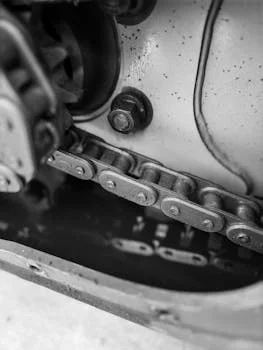
Belt filter presses are widely adopted in the Netherlands, particularly for municipal wastewater treatment plants, due to their continuous operation and cost-effectiveness. These systems typically handle flow rates ranging from 5 to 50 m³/h, achieving a dewatered sludge dry solids content of 18-25%. Energy consumption is relatively low, averaging 0.5-1.5 kWh per cubic meter of sludge processed, making them an economically attractive option for ongoing operations. A typical belt filter press unit requires a footprint of approximately 3m x 1.5m x 2m, although larger models will naturally demand more space. CAPEX for a new belt filter press in 2025 ranges from €50,000 for smaller, less automated units to €200,000 for larger, more sophisticated systems, with automation level and belt width being primary cost drivers. OPEX for belt filter presses is estimated at €5-€15 per ton of dewatered sludge, primarily breaking down into energy consumption, maintenance of belts and rollers, and labor for operation and monitoring. Key Dutch suppliers include Taneco, which provides a range of belt filter press models, and Service in Separation BV, known for offering mobile rental units and 24/7 support for temporary or emergency dewatering needs. Maintenance requirements involve regular belt tracking and tension adjustments, roller alignment checks, and optimization of automated polymer dosing systems for optimal sludge conditioning. Common issues include belt wear, uneven sludge distribution leading to poor cake formation, and potential blinding if polymer dosing is not precisely controlled. HydropureWater also offers plate and frame filter presses for high-efficiency sludge dewatering, which can be considered for higher dry solids requirements.
| Specification | Value Range (Belt Filter Press) | Notes |
|---|---|---|
| Flow Rate | 5-50 m³/h | Dependent on sludge type and belt width |
| Dry Solids Content | 18-25% | Typical for municipal and biological sludges |
| Energy Consumption | 0.5-1.5 kWh/m³ | Low operational energy footprint |
| Typical Footprint | ~3m x 1.5m x 2m (small unit) | Excludes polymer preparation and feed systems |
| CAPEX (2025) | €50,000 - €200,000 | Varies by capacity, automation, and belt width |
| OPEX per Ton | €5-€15 | Includes energy, maintenance, and labor |
Decanter Centrifuge: Engineering Specs, Costs & Dutch Supplier Options
Decanter centrifuges offer a compact and highly efficient solution for sludge dewatering, particularly valued in Dutch industrial facilities where space is often at a premium. These machines typically process sludge at flow rates of 1-30 m³/h and achieve a dewatered cake dry solids content of 25-35%, making them suitable for a wide range of municipal and industrial sludges. Operating with G-forces between 2,000 and 4,000 G, decanter centrifuges ensure rapid and effective solid-liquid separation. Their energy consumption typically ranges from 1 to 3 kWh per cubic meter of sludge, reflecting the power required for high-speed rotation. CAPEX for decanter centrifuges in 2025 falls between €100,000 and €400,000, with factors like bowl diameter, material of construction (e.g., stainless steel for corrosive sludges), and degree of automation significantly influencing the final price. OPEX is estimated at €8-€20 per ton of dewatered sludge, primarily driven by energy costs, polymer consumption for flocculation, and the eventual replacement of wear parts such as scroll tiles or bearings. Prominent suppliers in the Dutch market include Alfa Laval and Veolia Water Technologies, both offering comprehensive service packages, including on-site trials for sludge compatibility and performance guarantees. Essential maintenance requirements include routine bearing replacement (typically every 8,000 operating hours), dynamic bowl balancing to prevent vibration, and continuous optimization of polymer dosing to maximize dewatering efficiency. Common operational issues can include excessive vibration due to imbalanced bowls or uneven solids discharge, which can be mitigated with proper maintenance and control systems.
| Specification | Value Range (Decanter Centrifuge) | Notes |
|---|---|---|
| Flow Rate | 1-30 m³/h | Dependent on sludge rheology and centrifuge size |
| Dry Solids Content | 25-35% | Achieved through high G-forces |
| Energy Consumption | 1.0-3.0 kWh/m³ | Higher than belt presses due to rotational speed |
| G-Force | 2,000-4,000 G | Key parameter for separation efficiency |
| CAPEX (2025) | €100,000 - €400,000 | Influenced by bowl size, materials, and features |
| OPEX per Ton | €8-€20 | Includes energy, polymer, and wear part costs |
Chamber Filter Press: Engineering Specs, Costs & Dutch Supplier Options
Chamber filter presses are distinguished by their ability to achieve the highest dry solids content among mechanical dewatering technologies, making them particularly valuable for industrial applications in the Netherlands where minimal residual moisture is critical for disposal or further processing. These systems feature filtration areas ranging from 1 to 500 m², producing a dewatered cake with 30-40% dry solids. While they operate in a batch process, with cycle times typically between 2 and 6 hours, their energy consumption is remarkably low, often between 0.1-0.5 kWh per cubic meter of sludge processed, primarily for the hydraulic system. CAPEX for chamber filter presses in 2025 ranges from €80,000 for manual, smaller units to over €500,000 for fully automated, large-scale systems, with factors such as automation level, plate material (e.g., polypropylene, stainless steel), and filter cloth type influencing the cost. OPEX is generally the lowest among the three technologies, estimated at €3-€10 per ton of sludge, covering energy, labor for operation and cake discharge, and periodic plate or cloth replacement. Dutch suppliers include Service in Separation BV, which offers a range of dewatering solutions, and local distributors representing international brands, providing essential services like plate replacement and optimization of cake discharge mechanisms. Maintenance requirements involve regular plate cleaning, hydraulic system checks to ensure proper closing and opening, and timely filter cloth replacement to prevent blinding and maintain filtration efficiency. Common issues encountered include plate misalignment, which can lead to leaks, and cloth blinding, which reduces throughput and requires intensive cleaning or replacement. HydropureWater’s plate and frame filter presses for high-efficiency sludge dewatering are designed to meet these demanding performance specifications, often paired with automatic chemical dosing systems for optimal flocculation.
| Specification | Value Range (Chamber Filter Press) | Notes |
|---|---|---|
| Filtration Area | 1-500 m² | Determines capacity and cake volume per batch |
| Dry Solids Content | 30-40% | Highest achievable among mechanical methods |
| Cycle Time | 2-6 hours | Includes filling, filtration, and cake discharge |
| Energy Consumption | 0.1-0.5 kWh/m³ | Very low, mainly for hydraulics |
| CAPEX (2025) | €80,000 - €500,000+ | Varies by automation, plate count, and size |
| OPEX per Ton | €3-€10 | Lowest due to high dry solids and efficient operation |
Cost Comparison: Belt Press vs. Decanter vs. Chamber Filter for Dutch Plants
Cost-effectiveness is a primary driver for the selection of sludge dewatering technology in Dutch plants, influenced by both initial capital investment (CAPEX) and ongoing operational expenses (OPEX). A direct comparison reveals significant differences across belt filter presses, decanter centrifuges, and chamber filter presses. Belt filter presses typically represent the lowest CAPEX, ranging from €50,000 to €200,000, making them attractive for budget-conscious projects or smaller municipal plants. Decanter centrifuges require a moderate to high initial investment of €100,000 to €400,000, reflecting their advanced technology and compact design. Chamber filter presses, especially automated systems, can have the highest CAPEX, from €80,000 to over €500,000, but often compensate with lower long-term operational costs. When considering OPEX, expressed as cost per ton of sludge processed, chamber filter presses typically offer the lowest range at €3-€10 per ton due to their high dry solids content and efficient energy use. Belt filter presses follow at €5-€15 per ton, while decanter centrifuges generally have the highest OPEX at €8-€20 per ton, primarily due to higher energy consumption and wear part replacement frequency. A robust Return on Investment (ROI) calculation is essential: for a plant processing 10,000 tons of wet sludge per year with an average disposal cost of €100 per ton, achieving a 70% volume reduction through dewatering could result in annual savings of €700,000, leading to a payback period of less than 1-2 years for most systems. Hidden costs, such as polymer consumption (which can be a significant OPEX component), maintenance downtime, and labor requirements, must be factored into these calculations. For example, polymer costs can account for 20-40% of the total OPEX in some dewatering operations.
| Cost Category | Belt Filter Press | Decanter Centrifuge | Chamber Filter Press |
|---|---|---|---|
| CAPEX (2025) | €50,000 - €200,000 | €100,000 - €400,000 | €80,000 - €500,000+ |
| OPEX per Ton Sludge | €5 - €15 | €8 - €20 | €3 - €10 |
| Typical Dry Solids Achieved | 18-25% | 25-35% | 30-40% |
| Key OPEX Drivers | Energy, belt wear, labor | Energy, polymer, wear parts | Labor, plate/cloth replacement |
| ROI Potential (High Volume) | 1-3 years | 1.5-3.5 years | 1-2.5 years |
How to Choose the Right Sludge Dewatering Equipment for Your Dutch Plant
Selecting optimal sludge dewatering equipment requires a structured, multi-step approach that considers sludge characteristics, plant capacity, regulatory compliance, and supplier reliability. This decision framework ensures that the chosen technology aligns with both operational needs and financial goals.
- Step 1: Characterize Your Sludge. Begin by thoroughly analyzing your sludge's properties, including Total Suspended Solids (TSS), Chemical Oxygen Demand (COD), pH, fiber content, and heavy metal concentrations. Dutch municipal sludge typically has 0.5-2% TSS, while industrial sludges (e.g., food processing) can range from 3-10% TSS with varying fiber and fat content. This characterization dictates the suitability of each dewatering technology.
- Step 2: Determine Your Plant’s Capacity. Calculate the required sludge throughput based on your plant’s design capacity and target dry solids content. For example, a municipal wastewater treatment plant serving 10,000 Population Equivalents (PE) might generate approximately 20 m³/h of wet sludge, requiring equipment capable of continuous processing at this rate to avoid bottlenecks. Consider both average and peak flow rates.
- Step 3: Evaluate Compliance Requirements. Ensure the chosen equipment can meet the strict limits set by the EU Urban Waste Water Directive 91/271/EEC for volume reduction and the Dutch Soil Protection Act for heavy metals and pathogens if sludge is destined for land application. Chamber filter presses, achieving the highest dry solids, often provide the best foundation for subsequent drying or incineration, which further reduces compliance risks for specific contaminants.
- Step 4: Compare Suppliers. Assess both local and international suppliers based on their track record in the Netherlands, service support availability (e.g., 24/7 technical assistance, spare parts inventory), and lead times for equipment delivery and installation. Be wary of red flags such as suppliers offering no on-site trials with your specific sludge or refusing to provide performance guarantees. Companies like Service in Separation BV offer local support and rental options, while international players like Alfa Laval provide extensive global experience.
- Step 5: Conduct a Cost-Benefit Analysis. Perform a detailed financial assessment, comparing CAPEX, OPEX, and projected ROI for each viable technology. Use a template to calculate the payback period based on anticipated sludge volume reduction and current disposal cost savings. For instance, if dewatering reduces sludge volume by 75% at a plant generating 5,000 tons/year of wet sludge with a disposal cost of €120/ton, the annual savings on disposal alone would be €450,000 (5,000 tons * 0.75 * €120). This substantial saving can justify even higher initial investments, especially for technologies like the chamber filter press that offer low OPEX. Include all hidden costs, such as polymer consumption, maintenance downtime, and labor requirements in your analysis.
Frequently Asked Questions
Understanding common queries about sludge dewatering equipment can streamline the procurement process for Dutch plant managers and engineers.
-
What is the best sludge dewatering technology for a small municipal plant in the Netherlands?
For small municipal plants, a belt filter press is often preferred due to its lower CAPEX and continuous operation, making it suitable for consistent, moderate sludge volumes. However, if space is highly limited, a compact decanter centrifuge might be a better fit despite a higher initial investment.
-
How much does sludge dewatering equipment cost in the Netherlands?
The CAPEX for sludge dewatering equipment in the Netherlands typically ranges from €50,000 for a small belt filter press to over €500,000 for a large, automated chamber filter press system. OPEX varies from €3 to €20 per ton of sludge processed, depending on the technology, energy costs, and polymer consumption.
-
What are the maintenance requirements for a decanter centrifuge?
Key maintenance for a decanter centrifuge includes bearing replacement, typically required every 8,000 operating hours, regular bowl balancing to prevent vibration, and continuous optimization of polymer dosing for efficient operation. Routine checks for wear parts like scroll tiles are also crucial.
-
Can I rent sludge dewatering equipment in the Netherlands?
Yes, several suppliers in the Netherlands offer rental options for sludge dewatering equipment. Service in Separation BV, for example, provides mobile rental units, which are ideal for temporary needs, emergency dewatering, or pilot testing before a permanent investment.
-
What EU regulations apply to sludge dewatering in the Netherlands?
The primary regulations are the EU Urban Waste Water Directive 91/271/EEC, which sets standards for wastewater treatment and sludge disposal, and the Dutch Soil Protection Act, which establishes strict limits for heavy metals (e.g., Cadmium < 0.7 mg/kg DM, Mercury < 0.5 mg/kg DM) and pathogens (e.g., E. coli < 1000 CFU/g DM) in sludge applied to land. Effective dewatering is crucial for meeting the volume reduction and quality targets mandated by these directives.