Chile’s sludge dewatering equipment market in 2025 is shaped by SISS standards for sludge disposal (≤30% moisture for landfill, ≤10% for agricultural reuse) and cost pressures in mining and municipal sectors. Belt filter presses dominate municipal plants (e.g., El Trebal Mapocho) with solids capture rates of 90–95% and energy consumption of 0.5–1.2 kWh/m³, while screw presses and geotextile tubes are preferred for industrial and mining applications due to lower operational complexity and higher solids content (up to 40%). Mobile systems like Essbio’s polymer-dosed units offer flexibility for lagoon sludge but require higher polymer consumption (1.5–3 kg/ton dry solids).
Why Sludge Dewatering Matters in Chile: Compliance, Costs, and Industry Challenges
Compliance with DS 60/2004 remains the primary driver for sludge dewatering investments in Chile, mandating a minimum of 30% solids (≤70% moisture) for any sludge destined for sanitary landfills. For facilities targeting agricultural reuse under DS 4/2009, the requirements are even more stringent, often necessitating thermal drying to reach a 90% solids concentration (≤10% moisture). Failure to meet these standards results in immediate rejection at disposal sites, which are increasingly scarce in regions like Valparaíso and Santiago.
The financial burden of sludge management is a significant operational expenditure for Chilean plants. Disposal costs in 2025 are estimated between $50 and $150 per ton for landfilling, depending on the distance from the treatment facility to the disposal site. For a municipal plant like El Trebal Mapocho, which processes a population equivalent (PE) of 800,000 and generates approximately 150 tons of sludge daily, even a 5% improvement in dewatering efficiency can result in annual savings exceeding $270,000 in transport and tipping fees. In the mining sector, SERNAGEOMIN guidelines (per DS 132/2002) require copper slurry to achieve a solids content of ≥35% to ensure physical stability during transport and prevent liquefaction risks in tailings storage facilities.
Poor dewatering performance manifests as a direct "tonnage tax" on operations. For example, if a mining operator produces 1,000 tons of wet slurry at 20% solids, they are paying to transport 800 tons of water. By upgrading to a high-efficiency plate and frame filter press for Chilean sludge dewatering applications, the solids content can be pushed to 40%, effectively halving the total weight and reducing disposal costs by 50% per cycle. This economic reality, combined with the threat of fines up to 10,000 UTM (Unidades Tributarias Mensuales) from the Superintendencia de Servicios Sanitarios (SISS), makes technical equipment selection a critical procurement decision.
Sludge Dewatering Technologies Compared: Belt Presses, Screw Presses, Filter Presses, and Geotextile Tubes
Selecting the appropriate dewatering technology in Chile requires balancing energy costs—which average $0.12–$0.18/kWh for industrial users—against the required final cake dryness. Belt filter presses have long been the standard for large-scale municipal plants due to their continuous operation and high throughput. However, they require significant wash water and have high polymer consumption rates, typically 2–4 kg per ton of dry solids. To optimize this, many operators integrate HydropureWater’s automatic polymer dosing system for sludge conditioning to reduce chemical waste.
Screw presses have gained market share in the Chilean agro-industrial sector (e.g., wine and fruit processing) because they operate at much lower speeds and consume 30-50% less energy than centrifugal or belt systems. While their solids capture rate is slightly lower (85–92%), their ability to handle oily or greasy sludges makes them superior for food processing wastewater. Conversely, plate and frame filter presses remain the gold standard for achieving the highest possible solids content (35–50%), which is essential for meeting SERNAGEOMIN transport requirements in mining operations.
| Technology | Typical Cake Dryness (%) | Energy Use (kWh/m³) | Polymer Demand (kg/tDS) | Best Chilean Use Case |
|---|---|---|---|---|
| Belt Filter Press | 18% – 25% | 0.5 – 1.2 | 2 – 4 | Large Municipal (Santiago/Concepción) |
| Screw Press | 15% – 22% | 0.3 – 0.8 | 1.5 – 3 | Agro-industrial & Food Processing |
| Filter Press | 35% – 50% | 0.8 – 1.5 | 3 – 5 | Mining Slurry & Industrial Hazardous Waste |
| Geotextile Tubes | 25% – 40% | Negligible | Varies | Remote Mine Tailings & Lagoon Remediation |
For remote operations or temporary remediation of wastewater lagoons, geotextile tubes and mobile systems are increasingly utilized. Mobile units, such as those deployed by Essbio, offer a "dewatering-as-a-service" model, which is highly effective for seasonal sludge removal from lagoons. However, these systems often struggle with consistency in influent concentration, leading to higher polymer consumption (up to 3 kg/ton) to maintain solids capture efficiency. Engineers must also consider the global sludge dewatering system specifications and selection criteria when comparing these localized solutions against international benchmarks.
Technical Specifications for Sludge Dewatering Equipment in Chile: Flow Rates, Solids Capture, and Energy Efficiency
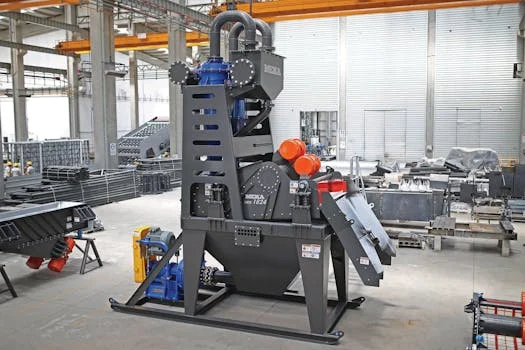
Engineering evaluations for Chilean plants must prioritize equipment that can handle fluctuating influent solids concentrations, which typically range from 1% to 5% in municipal primary sludge and up to 10% in thickened mining slurries. Flow rate capacity is the first filter for selection: belt presses offer the highest throughput at 5–50 m³/h, making them suitable for the high-volume needs of the Santiago Metropolitan Region. Screw presses, while more compact, are generally limited to 3–30 m³/h per unit, often requiring modular installations to meet larger plant demands.
Solids capture rate—the percentage of suspended solids removed from the liquid phase—is a critical KPI for environmental compliance. A capture rate below 90% results in a high-strength filtrate return (centrate), which increases the biological load on the secondary treatment process and can lead to plant instability. Filter presses provide the highest capture rates (95–98%), ensuring that the liquid effluent returned to the headworks is as clean as possible. This is particularly important for plants in the Atacama region where water scarcity drives a need for high-quality effluent for industrial reuse.
| Parameter | Belt Press | Screw Press | Filter Press |
|---|---|---|---|
| Flow Rate (m³/h) | 5 – 50 | 3 – 30 | 1 – 20 |
| Solids Capture (%) | 90 – 95% | 85 – 92% | 95 – 98% |
| Energy (kWh/m³) | 0.5 – 1.2 | 0.3 – 0.8 | 0.8 – 1.5 |
| Footprint (m²) | 10 – 30 | 5 – 20 | 15 – 50 |
| Wash Water Need | High | Low | Low/Periodic |
Energy efficiency is the second-largest operational cost factor after chemicals. In Chile, the high cost of electricity makes the screw press an attractive option for plants processing less than 20 m³/h. For larger operations, the energy consumption of a belt press (up to 1.2 kWh/m³) is often offset by its lower initial capital expenditure compared to a large-scale centrifuge. When evaluating these specs, Chilean engineers should also review sludge dewatering equipment specifications and costs in Turkey to understand how similar emerging markets balance energy efficiency with high solids requirements.
Chilean Compliance and Environmental Standards for Sludge Dewatering and Disposal
The regulatory framework for sludge in Chile is primarily governed by the SISS and the Ministry of Health. DS 60/2004 (Sanitary Landfill Regulations) is the most frequently cited standard, requiring that sludge must not be in a liquid state, which is legally defined as having at least 30% solids. For mining companies, SERNAGEOMIN (Servicio Nacional de Geología y Minería) monitors the physical stability of tailings; per DS 132/2002, any sludge or slurry transported by truck on public roads must meet moisture limits that prevent "sloshing" or leakage, typically requiring a filter press cake with ≥35% solids.
For agricultural application, DS 4/2009 sets strict limits on heavy metal concentrations and pathogen reduction. In the central valley of Chile, where sludge is often used as a soil conditioner for non-food crops, the following heavy metal limits must be verified through certified laboratory testing (e.g., ASL or SGS Chile):
- Copper (Cu): ≤ 1,000 mg/kg
- Zinc (Zn): ≤ 2,500 mg/kg
- Lead (Pb): ≤ 300 mg/kg
- Arsenic (As): ≤ 40 mg/kg
Non-compliance carries heavy penalties. The SISS can impose fines up to 10,000 UTM, and in cases of severe environmental damage or repeated violations, the SMA (Superintendencia del Medio Ambiente) has the authority to order the temporary or permanent closure of the facility. This regulatory pressure necessitates equipment with built-in monitoring and data logging capabilities to prove consistent performance during government audits.
Cost Breakdown: Capital, Operational, and Lifecycle Costs for Sludge Dewatering Equipment in Chile
The total cost of ownership (TCO) for sludge dewatering in Chile is heavily weighted toward operational expenses, specifically polymer and electricity. While a screw press may have a capital cost (CAPEX) of $30,000 to $150,000, its lower energy and maintenance requirements often result in a lower TCO over 10 years compared to a belt press. Filter presses have the highest CAPEX—ranging from $80,000 to over $300,000 for fully automated units—but they provide the highest ROI by minimizing disposal volumes.
| Cost Category (USD) | Belt Filter Press | Screw Press | Filter Press |
|---|---|---|---|
| Capital Cost (CAPEX) | $50k – $200k | $30k – $150k | $80k – $300k+ |
| Annual Maintenance | $5k – $20k | $3k – $15k | $10k – $30k |
| OPEX (per m³ feed) | $0.80 – $1.80 | $0.50 – $1.20 | $1.00 – $2.00 |
| Expected Lifespan | 10 – 15 Years | 12 – 15 Years | 15 – 20 Years |
To illustrate the ROI, consider a municipal plant processing 100 m³/day of sludge at 3% solids (3 tons of dry solids). A belt press typically achieves 20% solids, resulting in 15 tons of wet cake per day. A filter press can achieve 30% solids, resulting in only 10 tons of wet cake per day. At a landfill disposal fee of $100/ton, the filter press saves 5 tons/day, or $500/day. Over a 300-day operating year, this totals $150,000 in annual savings. In this scenario, the higher CAPEX of the filter press is recovered in less than 18 months through reduced disposal fees alone.
Maintenance costs in Chile are also influenced by the availability of local spare parts. Belt presses require frequent replacement of filter belts and rollers, which can be costly if parts must be imported with high shipping fees and duties. Screw presses have fewer moving parts, but the screw flight coating (usually tungsten carbide) eventually requires refurbishment. Filter presses are mechanically simple but require periodic cloth replacement and hydraulic seal maintenance (HydropureWater field data, 2025).
Supplier Selection Checklist: How to Evaluate Sludge Dewatering Equipment Vendors in Chile
Evaluating a supplier for the Chilean market goes beyond comparing price tags; it requires verifying the vendor's ability to support the equipment throughout its lifecycle in often remote or harsh environments. Procurement managers should follow this structured framework to mitigate risk:
- Step 1: Verify SISS and DS 60/2004 Compliance. Ask the vendor for performance test reports from existing Chilean installations. If they cannot provide data showing at least 30% cake solids on similar sludge types, the equipment is a compliance risk.
- Step 2: Technical Specification Audit. Compare the vendor's energy consumption (kWh/m³) and solids capture rates against your plant's specific influent profile. Request a pilot test or a laboratory bench-scale test using your actual sludge.
- Step 3: Local After-Sales Support. Determine if the supplier has a service center in Chile (typically in Santiago, Antofagasta, or Concepción). Ask for a list of locally stocked spare parts. A 4-week lead time for a filter belt can shut down a plant.
- Step 4: Total Cost of Ownership (TCO) Analysis. Do not buy based on CAPEX alone. Request a 10-year OPEX projection including polymer, electricity, and wear parts.
- Step 5: Reference Check. Contact at least two other Chilean plants (mining or municipal) using the vendor's equipment. Specifically ask about the frequency of unplanned downtime and the responsiveness of the service team.
Red flags during the selection process include vague performance guarantees (e.g., "up to 30% solids" without specifying sludge type), lack of a local legal representative in Chile, and an inability to provide technical manuals in Spanish. For mining applications, ensure the vendor understands SERNAGEOMIN transport regulations, as failure to meet these can lead to immediate halts in production logistics.
Frequently Asked Questions
What is the minimum solids content required for sludge disposal in Chile?
According to DS 60/2004, sludge must have a minimum of 30% solids (maximum 70% moisture) to be accepted at a sanitary landfill. For agricultural reuse under DS 4/2009, higher dryness or further treatment is often required.
Which dewatering technology is best for copper slurry in the Chilean mining sector?
Plate and frame filter presses are generally preferred for copper slurry because they can achieve ≥35% solids, which is the threshold required by SERNAGEOMIN for safe transport and physical stability in tailings facilities.
How much does sludge disposal cost in Chile?
Disposal costs currently range from $50 to $150 per ton for landfilling. These costs include transport and tipping fees, which vary significantly based on the distance to the nearest authorized disposal site.
What are the penalties for non-compliance with SISS sludge standards?
The Superintendencia de Servicios Sanitarios (SISS) can issue fines up to 10,000 UTM. Additionally, the SMA can order plant shutdowns for severe environmental violations related to improper sludge handling.
Is a screw press or a belt press more energy-efficient?
A screw press is typically 30–50% more energy-efficient than a belt press, with consumption rates of 0.3–0.8 kWh/m³ compared to 0.5–1.2 kWh/m³ for belt systems. This makes screw presses ideal for smaller plants with high electricity costs.