In 2025, wastewater treatment plant costs in Punjab, Pakistan range from PKR 77.4 million for decentralized systems (e.g., 5 plants in Rawalpindi schools) to PKR 70 billion for large-scale municipal projects like Faisalabad’s 56B plant. Costs vary by capacity, technology (MBR vs. DAF vs. conventional), and compliance requirements—with industrial plants requiring additional pretreatment for local effluent standards. Use this engineering breakdown to compare CAPEX, OPEX, and ROI for your project.
Why Wastewater Treatment Costs Vary in Punjab: A Factory Manager’s Dilemma
Punjab Environmental Protection Agency (EPA) inspections in industrial hubs like Lahore and Faisalabad increased by 40% in 2024, resulting in fines of up to PKR 5 million for factories exceeding Total Suspended Solids (TSS) limits. For a factory manager in Lahore, the decision is not whether to treat wastewater, but how to implement a solution within annual capital constraints. Under the Punjab Environmental Quality Standards (PEQS) 2024, industrial discharge into inland waters must not exceed a TSS of 150 mg/L, yet many textile and food processing units operate at levels three to four times this limit.
The total wastewater treatment plant cost in punjab pakistan is driven by four primary variables: hydraulic capacity (m³/h), the required effluent quality, the chosen technology (such as MBR or conventional activated sludge), and the local cost of land. In urban centers like Lahore or Gujranwala, where land prices are high, conventional systems with large footprints are often replaced by compact, vertical designs despite higher equipment costs. In rural industrial zones, land is more affordable, but unreliable power supply increases investment in energy-efficient aeration or solar-hybrid systems.
Funding mechanisms in Punjab create a "two-tier" cost structure. Municipal projects often receive international grants, such as the Danida PKR 53 billion contribution for the Faisalabad plant, reducing financial pressure on local authorities. Private sector procurement managers, however, must cover full CAPEX and manage rising operational costs (OPEX) due to increasing national energy tariffs. For healthcare facilities, meeting specific hospital wastewater treatment standards in Punjab adds complexity, especially regarding pathogen and pharmaceutical residue management.
Wastewater Treatment Plant Cost Breakdown by Capacity: From PKR 77M to PKR 70B
Capital expenditure (CAPEX) for wastewater treatment in Punjab ranges from PKR 15 million for small-scale package plants to over PKR 70 billion for major municipal infrastructure. Data from 2024–2025 projects shows decentralized systems are now standard for public institutions and SMEs, while large-scale initiatives address urban sanitation deficits. The following table outlines costs by project scale and capacity.
| Project Tier | Capacity Range | Estimated CAPEX (PKR) | Typical Application |
|---|---|---|---|
| Tier 1: Decentralized | 1 – 10 m³/h | PKR 15M – 77M | Schools, small hospitals, SMEs |
| Tier 2: Mid-Scale | 10 – 1,000 m³/h | PKR 100M – 2B | Industrial parks, housing societies |
| Tier 3: Municipal | >1,000 m³/h | PKR 5B – 70B | City-wide treatment (Lahore, Faisalabad) |
Long-term project feasibility depends on the 20-year amortized cost per cubic meter of treated water. For Tier 1 projects, the cost-per-m³ ranges from PKR 500 to PKR 1,200 due to limited economies of scale. In Tier 3 municipal systems like Lahore’s Babu Sabu plant, the cost drops to PKR 100–400/m³, though the PKR 50 billion initial investment requires substantial government or donor support. For regional context, engineers can reference the cost comparison for South Asian projects to evaluate local quotations.
Operational costs (OPEX) in Punjab are significantly affected by the ongoing energy crisis. A typical OPEX breakdown for an industrial plant in Faisalabad includes:
- Energy (40%): Powering blowers, pumps, and mixers.
- Chemicals (20%): Coagulants for DAF systems and disinfectants.
- Sludge Disposal (15%): Transport and landfill fees for dewatered solids.
- Labor (15%): Skilled operators and maintenance staff.
- Maintenance (10%): Spare parts and membrane cleaning.
Engineering Specifications for Punjab Compliance: What Your Plant Must Achieve
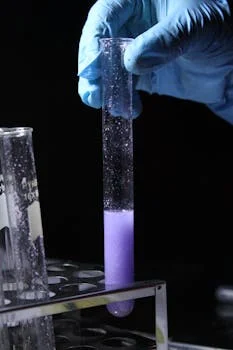
The Punjab Environmental Quality Standards (PEQS) 2024 require industrial effluent to maintain a Biological Oxygen Demand (BOD) below 80 mg/L and Chemical Oxygen Demand (COD) under 250 mg/L for discharge into inland waters. Achieving compliance depends on wastewater characteristics and treatment design. Industrial facilities in textile and tanning sectors need strong pretreatment systems like DAF systems for industrial pretreatment to remove fats, oils, and greases (FOG) before biological treatment.
| Parameter | PEQS Industrial (2024) | PEQS Municipal (2024) | WHO Guidelines |
|---|---|---|---|
| TSS (mg/L) | 150 | 30 | 50 |
| BOD (mg/L) | 80 | 30 | 30 |
| COD (mg/L) | 250 | 125 | 250 (varies) |
| pH | 6.0 – 9.0 | 6.0 – 9.0 | 6.5 – 8.5 |
| Heavy Metals (Cr/Pb) | <0.1 / <0.5 mg/L | N/A | <0.05 mg/L |
Municipal plants must meet stricter TSS and BOD limits because treated water is often reused for agriculture. Reaching these standards typically requires secondary biological treatment followed by tertiary filtration. Managing residual solids remains a key compliance challenge. Punjab regulations now mandate that sludge be dewatered to 20–30% dry solids before transport. Using a filter press for sludge disposal compliance is the most common method to reduce waste volume and lower landfill costs, which range from PKR 2,000 to PKR 5,000 per ton in Lahore. For more on solid handling, see sludge dewatering solutions for Punjab plants.
Technology Comparison: MBR vs. DAF vs. Conventional for Punjab Projects
Membrane Bioreactor (MBR) technology requires 50–70% less space than conventional activated sludge systems, making it ideal for land-limited urban sites in Lahore and Rawalpindi. Although MBR has higher CAPEX and energy demands for membrane scouring, it produces high-quality effluent suitable for direct reuse—critical in water-stressed areas. Dissolved Air Flotation (DAF), in contrast, is a key physical-chemical process for industrial applications where high suspended solids and oil concentrations could damage biological treatment components.
| Metric | MBR System | DAF System | Conventional Activated Sludge |
|---|---|---|---|
| TSS Removal | >99% | 90% | 85% |
| BOD Removal | 95% | 60% (pre-bio) | 85% |
| Footprint | Smallest | Moderate | Largest |
| CAPEX (PKR/m³) | 1,200 – 2,000 | 500 – 1,000 | 300 – 800 |
| Primary Use Case | Urban/Reuse | Industrial Pre-treatment | Rural Municipal |
Selecting the appropriate technology depends on influent composition and reuse goals. For instance, MBR systems for high-efficiency treatment suit high-end housing societies in Punjab that need reclaimed water for landscaping. A textile mill in Sialkot, however, may opt for DAF to remove dyes and oils, followed by a conventional biological system to control OPEX while meeting the 150 mg/L TSS limit for industrial discharge.
ROI Calculator: How to Justify Your Wastewater Treatment Investment
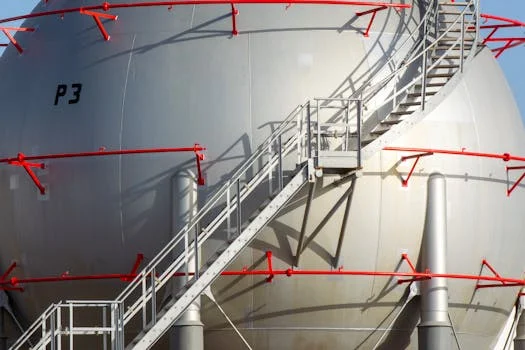
Industrial wastewater treatment projects in Punjab can achieve ROI in 5 to 10 years by accounting for freshwater savings, penalty avoidance, and a 20% government subsidy for zero-liquid discharge (ZLD) systems. With groundwater levels in Lahore declining by nearly 1 meter annually, pumping costs are rising, increasing the value of treated water for non-potable uses such as cooling towers and irrigation.
The standard ROI formula for a Punjab-based project is: ROI = (Annual Savings + Revenue from Reuse) / (CAPEX + Annual OPEX) × 100%. Procurement managers should consider the following inputs:
- Annual Savings: Avoidance of EPA fines (PKR 1M–10M/year) and reduced freshwater extraction (PKR 200–500/m³).
- Revenue from Reuse: Selling treated water for irrigation (PKR 50–100/m³) or using it in cooling (saving PKR 100–200/m³).
- Government Incentives: The 2024 Punjab Green Initiative offers a 20% subsidy on equipment for ZLD-certified plants.
Example Calculation: A 50 m³/h textile plant in Faisalabad installs an MBR system.
CAPEX: PKR 120 million.
Annual OPEX: PKR 1