Industrial wastewater treatment in Dubai employs technologies like DAF, MBR, or chemical precipitation to comply with Dubai Municipality's discharge limits: COD < 200 mg/L, TSS < 60 mg/L, and oil & grease < 10 mg/L. The CAPEX for a 100 m³/h plant ranges from 1.3 to 4.8 M AED, with operating costs between 9–18 AED/m³, depending on the technology and inlet wastewater strength.
Which Dubai limits must your effluent hit in 2025?
Dubai Municipality enforces strict industrial effluent discharge limits, with non-compliance fines increasing to 50,000 AED per month per parameter starting January 2025. These standards protect the emirate's sewage infrastructure and support Dubai's 2030 water reuse goals. Factory managers must understand the distinction between discharge to the public sewer system and discharge to the environment, as the latter has significantly lower thresholds for heavy metals and nutrients.
The primary regulatory framework is governed by the DM Environmental Protection and Health Section. For most industrial zones, including JAFZA, Dubai Industrial City, and Al Quoz, the 2025 benchmark limits for sewer discharge focus on preventing "shock loads" to municipal treatment plants. Facilities producing more than 50 m³/day must submit four grab samples annually to an accredited third-party laboratory. Larger plants exceeding 500 m³/day are required to have continuous monitoring systems for pH, flow, and temperature for permit renewal.
| Parameter | 2025 DM Limit (Sewer) | 2025 DM Limit (Environment) | Typical Fine (Non-Compliance) |
|---|---|---|---|
| Biochemical Oxygen Demand (BOD) | 150 mg/L | 30 mg/L | 50,000 AED / month |
| Chemical Oxygen Demand (COD) | 200 mg/L | 100 mg/L | 50,000 AED / month |
| Total Suspended Solids (TSS) | 60 mg/L | 30 mg/L | 50,000 AED / month |
| Oil & Grease (O&G) | 10 mg/L | 5 mg/L | 50,000 AED / month |
| pH Range | 6.0 - 9.0 | 6.5 - 8.5 | 25,000 AED / month |
| Total Dissolved Solids (TDS) | 2,500 mg/L | 1,500 mg/L | Variable |
Comparing Turkey's and UAE's discharge standards highlights Dubai's stringent water reuse requirements in the MENA region, driven by its push for a circular economy. Dubai's focus remains on high-salinity and high-oil content wastewater common in the local food processing and petrochemical sectors.
DAF vs MBR vs chemical precipitation: performance & price
The choice between Dissolved Air Flotation (DAF), Membrane Bioreactors (MBR), and chemical precipitation involves balancing CAPEX, which ranges from 1.3 to 4.8 M AED for a 100 m³/h plant, against specific removal efficiencies for TSS, FOG, and dissolved organics. The technology selection is often dictated by the inlet wastewater strength and the available factory footprint.
DAF, MBR, and chemical precipitation are evaluated based on their performance and cost.
Dissolved Air Flotation (DAF) is widely used in Dubai's food and beverage and oil-processing industries. A DAF system uses microbubbles to float suspended solids and emulsified oils to the surface for skimming, effectively meeting the 10 mg/L Oil & Grease limit. Field data indicates that DAF systems achieve up to 97% TSS removal and 90% FOG removal.
Membrane Bioreactor (MBR) technology combines biological treatment with ultrafiltration, offering superior effluent quality, often reaching <1 NTU turbidity. This makes MBR suitable for facilities aiming for water reuse targets under Dubai's 2030 goals. However, MBR has a higher CAPEX and OPEX due to membrane cleaning requirements and energy intensity.
Chemical precipitation is used for treating heavy metals in industries like metal finishing and electroplating. It involves adjusting pH and adding coagulants to precipitate heavy metals into settleable sludge. While effective, it generates significant sludge volumes, increasing waste disposal costs.
| Technology | Best For | CAPEX (100 m³/h) | OPEX (per m³) | Footprint |
|---|---|---|---|---|
| DAF System | Oil, Grease, TSS | 1.3 M AED | 9 AED | Medium |
| MBR System | COD, BOD, Reuse | 4.8 M AED | 14 AED | Small |
| Chemical Precipitation | Heavy Metals | 1.8 M AED | 11 AED | Large |
How to retrofit an existing plant without stopping production
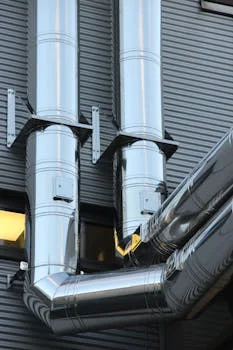
Retrofitting an existing wastewater treatment plant in Dubai can increase its hydraulic capacity by 50-100% through the installation of lamella plates and upgraded chemical dosing systems without expanding the physical footprint. Many factories operate older concrete clarifiers that struggle to meet the 2025 TSS limit. A phased retrofit approach allows for compliance upgrades without a total facility shutdown.
The first step is implementing a sidestream pilot using a containerized DAF unit to validate chemical dosages and removal rates on live effluent. For facilities with traditional sedimentation tanks, installing a high-efficiency sedimentation tank retrofit kit can double the surface loading rate. Operational continuity is maintained by bypassing one tank at a time during the retrofit.
Payback calculator: when does an upgrade make sense?
The financial viability of upgrading a wastewater treatment plant in Dubai is determined by the payback period, which averages 18 to 30 months when considering avoided fines and water reuse savings. The standard formula for calculating payback is: Payback (Months) = Total CAPEX ÷ (Monthly Fines Saved + Value of Reused Water - Monthly OPEX). For a typical 100 m³/h plant, significant savings from water reuse can accelerate the ROI.
Factories currently paying fines for exceeding COD limits can eliminate these fines and generate reuse value by investing in an MBR system. Even with higher OPEX, the savings from water recovery can significantly reduce the payback period. In Dubai's high-cost water environment, the risk of not upgrading often exceeds the cost of capital equipment within two years.
| Reuse Scenario | Water Savings (AED/mo) | Fine Avoidance (AED/mo) | Estimated Payback |
|---|---|---|---|
| 50% Water Reuse | 180,000 AED | 50,000 AED | 32 Months |
| 75% Water Reuse | 270,000 AED | 50,000 AED | 22 Months |
| 100% Water Reuse | 360,000 AED | 100,000 AED* | 14 Months |
*Assuming multiple parameter non-compliance (COD and TSS).
Frequently Asked Questions
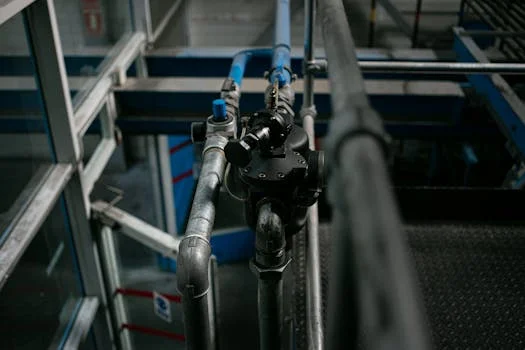
How is sewage treated in Dubai? Industrial wastewater is pre-treated on-site to meet Dubai Municipality limits before being discharged into the municipal sewer system. It then flows to centralized facilities like the Jebel Ali Sewage Treatment Plant or Al Aweer, which use multi-stage biological treatment and tertiary filtration to produce TSE for city-wide irrigation.
What is the largest sewage treatment plant in the UAE? The Jebel Ali Sewage Treatment Plant (Phase 2) is the largest in the UAE, with a capacity of approximately 375,000 cubic meters per day. It plays a pivotal role in Dubai's sustainability strategy by converting large volumes of waste into high-quality water for industrial and landscaping use.
How much does it cost to treat industrial wastewater in Dubai? Operating costs typically range from 9 to 18 AED per cubic meter, including chemical reagents, electricity, membrane replacement reserves, and sludge disposal fees. Plants focusing on high-purity MBR reuse have higher costs but offset them through water savings.
What are the industrial effluent fines in Dubai for 2025? Starting January 2025, Dubai Municipality will impose fines of up to 50,000 AED per month for each parameter exceeding the permitted limit. Repeated violations can lead to temporary factory closure or suspension of environmental permits.