Why Dublin Hospitals Need Upgraded Wastewater Treatment in 2025
Dublin’s hospital wastewater treatment standards in 2025 require compliance with EU Urban Waste Water Directive 91/271/EEC and EPA Ireland guidelines, including limits for COD (<125 mg/L), BOD (<25 mg/L), and antimicrobial-resistant (AMR) bacteria. Uisce Éireann’s €21.5M project in Hospital, Limerick, doubles capacity to 50,000 PE, but hospitals must still invest in on-site pretreatment (e.g., MBR or DAF systems) to meet effluent quality. This guide provides engineering specs, cost benchmarks, and equipment selection criteria for Dublin facilities.
The EU Urban Waste Water Directive 91/271/EEC mandates secondary treatment for all agglomerations greater than 2,000 PE by 2027, with significantly stricter nutrient and pathogen limits for sensitive areas such as Dublin Bay. While municipal infrastructure is expanding, EPA Ireland’s 2024 report highlights hospital effluent as a primary source of oxytetracycline (OTC) and AMR bacteria. Because municipal plants like Ringsend are designed for domestic waste, they often lack the specialized tertiary stages required to neutralize pharmaceutical residues. Consequently, Dublin hospitals are increasingly required to implement on-site pretreatment before discharging into the urban network.
The Uisce Éireann project in Limerick, delivered by Glanua Ireland Ltd., illustrates the scale of modern infrastructure needs, yet it only serves the municipal network. For a hospital facility manager, relying solely on municipal upgrades is a compliance risk. Under EPA Ireland’s current enforcement policy, non-compliance with discharge licenses can result in fines up to €500,000. Beyond financial penalties, hospitals face reputational damage and the risk of operational disruptions if Uisce Éireann restricts sewer access due to high contaminant loading. Upgrading on-site systems is no longer optional; it is a prerequisite for clinical and operational continuity in 2025.
the 2024 EPA report on microbial environments confirms that hospital wastewater acts as a reservoir for antibiotic-resistant genes. This data has accelerated the push for mandatory on-site disinfection. Dublin hospitals must now evaluate their current infrastructure against Ireland’s broader wastewater treatment regulations to ensure they meet the specific requirements for pathogenic control and pharmaceutical reduction.
Dublin Hospital Wastewater: Influent Characteristics and Effluent Standards
Engineering specifications for hospital wastewater treatment in Dublin must account for high variability in flow and chemical composition compared to standard municipal sewage. Typical influent parameters for Dublin hospitals, based on EPA Ireland 2024 benchmarks, show Chemical Oxygen Demand (COD) ranging from 300 to 800 mg/L and Biological Oxygen Demand (BOD) between 150 and 400 mg/L. High concentrations of Total Suspended Solids (TSS) and fecal coliforms (up to 10⁸ CFU/100mL) are standard, but the presence of AMR bacteria and pharmaceutical residues like analgesics and antibiotics presents the most significant treatment challenge.
Effluent standards for discharge into Dublin’s municipal sewers are governed by both EU Directive 91/271/EEC and local Uisce Éireann trade effluent licenses. These licenses typically mandate COD below 125 mg/L and BOD below 25 mg/L. However, for hospitals discharging near sensitive water bodies or those under specific EPA scrutiny, E. coli limits are often set at <1,000 CFU/100mL, with an increasing focus on the total elimination of detectable AMR genes. These standards require precise sampling protocols, moving from simple grab samples to 24-hour flow-proportional composite sampling to capture the peaks associated with hospital shifts and laundry cycles.
| Parameter | Typical Influent (Dublin Hospital) | Effluent Standard (EPA/EU 2025) | Detection/Monitoring Method |
|---|---|---|---|
| COD (mg/L) | 300 - 800 | < 125 | ISO 15705:2002 (Spectrophotometry) |
| BOD₅ (mg/L) | 150 - 400 | < 25 | Standard Method 5210B |
| TSS (mg/L) | 100 - 300 | < 35 | Gravimetric Analysis |
| Fecal Coliforms (CFU/100mL) | 10⁶ - 10⁸ | < 1,000 | Membrane Filtration / Colilert |
| Oxytetracycline (OTC) | Detectable (Variable) | Non-detectable / Low μg/L | LC-MS/MS Analysis |
| Heavy Metals (Hg, Pb) | Trace to Moderate | < 0.005 (Hg) / < 0.05 (Pb) | ICP-MS |
Pathogens specific to Dublin hospital environments, such as Pseudomonas aeruginosa and Staphylococcus aureus, require advanced disinfection. Standard chlorine-based treatments are often insufficient for the biofilm-protected bacteria found in hospital pipes. Monitoring must also include quarterly pharmaceutical screening using Liquid Chromatography-Mass Spectrometry (LC-MS) to ensure that antibiotics are not bypassing the treatment stages and contributing to environmental resistance in the River Liffey or Dublin Bay.
Treatment Technologies for Hospital Wastewater: Dublin-Specific Comparison
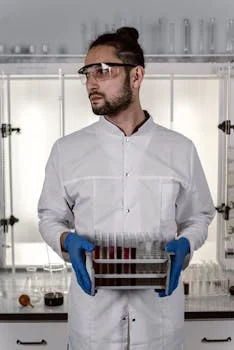
Membrane Bioreactor (MBR) technology is currently the benchmark for hospital wastewater treatment in Dublin due to its ability to achieve 99% pathogen removal and 95% COD reduction within a compact footprint. By combining biological treatment with microfiltration or ultrafiltration, MBR systems for hospital wastewater eliminate the need for secondary clarifiers. This is particularly advantageous for Dublin facilities with limited space. While MBR systems have higher operational costs, ranging from €0.50 to €1.20/m³ due to membrane aeration and periodic chemical cleaning, they provide the most consistent effluent quality for AMR bacteria removal.
Dissolved Air Flotation (DAF) serves as an essential pretreatment stage for hospitals with high Fats, Oils, and Grease (FOG) loads, typically originating from large-scale catering facilities. DAF systems for hospital effluent pretreatment can remove up to 95% of TSS and 85% of COD associated with suspended solids. In Dublin, where sewer surcharges are calculated based on the Mogden Formula (which penalizes high TSS and COD), implementing DAF can significantly reduce monthly utility costs. However, DAF requires precise chemical dosing of coagulants and flocculants, necessitating automated control systems to maintain efficiency.
For disinfection, chlorine dioxide disinfection for hospital effluent is increasingly preferred over traditional sodium hypochlorite. Chlorine dioxide (ClO₂) is more effective against viruses and Cryptosporidium, and unlike chlorine, it does not produce significant levels of trihalomethanes (THMs), which are strictly regulated under EU water quality standards. ClO₂ generators provide a 99.9% pathogen kill rate and are highly effective at penetrating biofilms in the hospital’s internal drainage network. This technology is often paired with MBR for a multi-barrier approach to wastewater safety.
| Technology | COD/BOD Removal | Pathogen/AMR Removal | O&M Cost (€/m³) | Primary Advantage |
|---|---|---|---|---|
| MBR | 95% + | > 99% (Physical Barrier) | 0.50 - 1.20 | Highest effluent quality; compact footprint. |
| DAF | 70% - 85% | Moderate (TSS-linked) | 0.20 - 0.80 | Excellent for FOG and high TSS loads. |
| ClO₂ Disinfection | Low | > 99.9% (Chemical) | 0.10 - 0.30 | Effective against AMR; no THM formation. |
| Activated Sludge | 85% - 90% | Low to Moderate | 0.30 - 0.80 | Lower CAPEX; requires large footprint. |
| Ozone Oxidation | Moderate | > 90% (Pharmaceuticals) | 0.80 - 1.50 | Targets recalcitrant drug residues. |
Emerging tertiary treatments, such as Ozone oxidation and UV/H₂O₂ advanced oxidation, are being piloted in several EU-funded projects to target pharmaceutical removal. While these systems achieve 90-95% removal of antibiotics, their high energy consumption makes them less common in standard Dublin hospital applications unless specific discharge sensitivity is identified. For most facilities, the combination of MBR and chlorine dioxide provides the most reliable balance of compliance and cost-effectiveness.
Cost Breakdown: Hospital Wastewater Treatment in Dublin 2025
Capital costs for on-site hospital wastewater treatment systems in Dublin typically range from €50,000 for small outpatient clinics to over €500,000 for large acute care hospitals with capacities exceeding 100 m³/day. These costs include the primary treatment units (e.g., MBR or DAF), balancing tanks, automated control panels, and installation. When compared to global hospital wastewater treatment benchmarks, Dublin’s costs are influenced by higher labor rates for certified Irish engineers and the requirement for equipment that meets specific EU CE marking and EPA standards.
Operating and Maintenance (O&M) expenses are driven by energy consumption, chemical consumables, and sludge disposal. For an MBR system, O&M costs usually sit between €0.50 and €1.50 per cubic meter of treated water. In contrast, DAF systems are slightly more economical to run, ranging from €0.20 to €0.80/m³, though they produce more chemical sludge that requires specialized disposal. These costs must be weighed against Uisce Éireann’s trade effluent surcharges, which in Dublin can reach €2.00/m³ for high-strength waste. By treating on-site, hospitals can often achieve an ROI within 3 to 5 years purely through surcharge avoidance.
| Cost Component | Estimated Range (Dublin 2025) | Basis of Estimate |
|---|---|---|
| CAPEX: Small System (10-25 m³/day) | €50,000 - €120,000 | Package MBR or DAF units |
| CAPEX: Large System (100+ m³/day) | €250,000 - €500,000+ | Custom-engineered plant |
| OPEX: Energy & Chemicals | €0.30 - €1.50 per m³ | Based on MBR/DAF power draw |
| Sludge Disposal | €150 - €300 per tonne | Licensed hazardous/clinical waste haulage |
| EPA Licensing & Monitoring | €5,000 - €15,000 annually | Lab fees and annual EPA levies |
The ROI for wastewater investment in Dublin is further improved by available funding streams. EPA Ireland’s Green Enterprise Fund offers grants up to €500,000 for projects specifically targeting AMR bacteria and pharmaceutical reduction. Additionally, the Sustainable Energy Authority of Ireland (SEAI) provides support for energy-efficient upgrades to wastewater aeration systems. When factoring in the avoidance of potential EPA fines (up to €500,000) and the reduction in municipal sewer costs, the business case for advanced on-site treatment is robust for any Dublin-based healthcare provider.
Compliance Checklist for Dublin Hospitals: 2025 Requirements
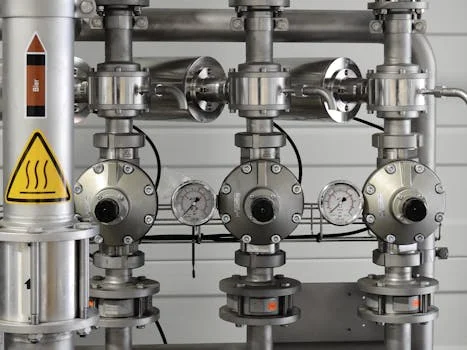
Facility managers must maintain rigorous documentation to satisfy EPA Ireland and Dublin City Council inspectors. The following checklist outlines the essential steps for maintaining compliance under the 2025 regulatory framework:
- Discharge License Verification: Ensure your Uisce Éireann Trade Effluent License (Section 16) is up to date and reflects current hospital capacity. Applications for renewals or new systems should be submitted at least 6 months prior to commissioning.
- Regulatory Alignment: Verify that the system design meets EU Urban Waste Water Directive 91/271/EEC standards for secondary treatment and EPA Ireland’s 2024 guidelines for antimicrobial resistance.
- Continuous Monitoring: Install calibrated flow meters and automated samplers. Weekly testing for E. coli and Pseudomonas is recommended, alongside monthly analysis of COD, BOD, and TSS.
- Pharmaceutical Screening: Implement a quarterly screening program for common hospital antibiotics (e.g., oxytetracycline) using LC-MS/MS through an accredited Irish laboratory.
- Emergency Protocols: Maintain a documented spill response plan and ensure backup power is available for critical treatment components, such as aeration blowers and disinfection pumps.
- Chemical Compliance: Ensure all chemical storage (coagulants, ClO₂ precursors) complies with EPA Ireland’s 2024 bunding and storage guidelines to prevent secondary contamination.
- Reporting: Submit the Annual Environmental Report (AER) to EPA Ireland, including all monitoring data and any instances of limit exceedance with corrective actions taken.
Frequently Asked Questions
What are the penalties for non-compliance with hospital wastewater regulations in Dublin?
EPA Ireland can impose administrative fines up to €500,000 for serious breaches of discharge licenses. Uisce Éireann has the authority to disconnect or restrict hospital access to the municipal sewer network if the effluent poses a risk to the Ringsend Wastewater Treatment Plant or the environment.
How much does a hospital wastewater treatment system cost in Dublin?
On-site pretreatment systems range from €50,000 for small clinics to over €500,000 for large acute hospitals. Operational costs typically fall between €0.30 and €1.50 per cubic meter, depending on the complexity of the treatment technology (e.g., MBR vs. DAF).
What is the largest wastewater treatment plant in Ireland?
The Ringsend Wastewater Treatment Plant in Dublin is the largest, serving a population equivalent of approximately 1.9 million. However, because it is a municipal plant, hospital effluent usually requires on-site pretreatment for pharmaceuticals and pathogens before it is accepted into the Ringsend system.
How is hospital wastewater treated differently from municipal wastewater?
Hospital wastewater contains significantly higher levels of antibiotics, disinfectants, and AMR bacteria. Unlike municipal treatment, hospital-specific systems prioritize advanced disinfection (like chlorine dioxide) and high-efficiency filtration (like MBR) to neutralize these specific clinical contaminants.
Where does sewage go in Dublin?
Most treated effluent from Dublin hospitals enters the municipal network and is processed at the Ringsend Plant before being discharged into Dublin Bay. For hospitals located in sensitive areas, tertiary treatment is required to ensure effluent meets the stringent "Sensitive Area" standards defined by the EPA.