Pulse jet dust collectors achieve 99.9%+ particulate removal with operating pressures of 0.3–8.6 bar (5–125 psi) and compressed air consumption of ~0.75 SCFM per 1,000 CFM of airflow. Standard models support 81–225 bag filters (8–22 m² filter area), with walk-in plenums adding 36" to height dimensions for adverse weather servicing. Use this guide’s parameter tables and ROI calculator to match specs to your application — e.g., coal-fired boilers require 12–16 FPM filter ratios, while pharmaceutical dust needs 4–6 FPM for compliance.
Why Pulse Jet Dust Collectors Fail: A Plant Manager’s Story
EPA fines for industrial air quality violations can reach $37,500 per day under 40 CFR Part 60, a reality that Mark, a plant manager at a mid-sized cement facility, learned when his primary baghouse began "smoking" during peak production. Despite a visible stack plume, the differential pressure gauge read within normal limits, masking a catastrophic failure in the pulse cleaning system. The root cause was not the bags themselves, but an undersized air compressor that failed to provide the 0.75 SCFM per 1,000 CFM required for effective cleaning, leading to dust re-entrainment and blinded filters.
For industrial facilities, the stakes of poor specification extend beyond environmental compliance. OSHA enforces strict respirable dust limits, such as 5 mg/m³ for silica, and failure to meet these targets often results in forced shutdowns. In Mark's case, the facility suffered 14 hours of unplanned downtime, costing approximately $22,000 per hour in lost output. The equipment had been procured based on a "lowest CAPEX" bid that ignored the specific filter-to-cloth ratio required for abrasive cement dust.
The failure highlighted three critical specification oversights: an aggressive filter ratio (FPM) that exceeded the material’s limits, a compressed air supply that lacked the surge capacity for the pulse valves, and a hopper design that allowed for dust bridging. To avoid these pitfalls, engineers must move beyond basic CFM ratings and evaluate the deep technical parameters of the pulse jet cleaning cycle, bag material resistance, and plenum accessibility. The following guide provides the engineering data necessary to justify budgets and ensure 99.9% removal efficiency.
How Pulse Jet Dust Collectors Work: Mechanics, Components, and Cleaning Cycle
The pulse jet cleaning cycle typically lasts 0.1 to 0.2 seconds and is controlled by a PLC with intervals between 10 and 60 seconds to maintain a steady pressure drop. Unlike shaker-style collectors that require the airflow to stop during cleaning, pulse jet systems operate continuously. High-pressure compressed air is released through a pulse valve into a manifold, then shot down through a venturi at the top of the bag. This creates a shockwave that flexes the bag outward, dislodging the accumulated dust cake into the hopper below.
Core components of the system include the bag filters, pulse valves, and the housing plenum. Filter bags are typically constructed from polyester, PTFE (Teflon), or P84 polyimide, selected based on the temperature and chemical composition of the gas stream. The pulse valves—either diaphragm or piston type—must be sized to match the volume of the bag. Below the bags, the hopper is designed with a steep angle, typically 60–70°, to prevent dust bridging. For applications involving hazardous chemicals, a PLC-controlled pulse timing optimization system can be integrated to adjust cleaning frequency based on real-time pressure differentials.
The most critical performance metric is the filter ratio, also known as the Air-to-Cloth (A/C) ratio. Expressed in Feet Per Minute (FPM), this represents the volume of air passing through one square foot of filter media. A 14 FPM ratio means 14 cubic feet of air passes through 1 square foot of filter per minute. Selecting the wrong ratio is the leading cause of premature bag failure; for instance, coal-fired boilers typically require 12–16 FPM, whereas pharmaceutical dust collection requires a much lower 4–6 FPM to ensure compliance with ultra-fine particulate standards. In cases where dust is extremely sticky or hygroscopic, engineers may need to evaluate when to use FGD scrubbers instead of pulse jet collectors, as pulse jets are prone to blinding in high-moisture environments.
Pulse Jet Dust Collector Specifications: Parameter Table by Model Size
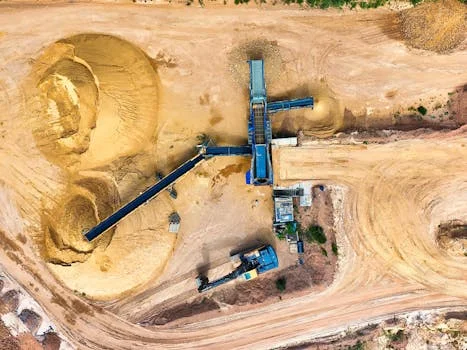
A standard 81-bag pulse jet unit provides approximately 8.1 m² of filter area and operates within a pressure range of 0.3 to 8.6 bar. Sizing a collector requires matching the total CFM of the process to the available filter area while maintaining the target FPM ratio. Engineers use these specifications to determine the footprint, height, and compressed air requirements for the facility’s utility layout.
| Model | Bag Count | Filter Area (m²) | Dimensions (L x W x H inches) | Operating Pressure (psi) | Max Airflow (CFM) | Notes |
|---|---|---|---|---|---|---|
| 81FTD8 | 81 | 8.1 | 36 x 36 x 144 | 5–125 | 1,200 | Non-walk-in plenum |
| 81FTP8 | 81 | 8.1 | 36 x 36 x 180 | 5–125 | 1,200 | Walk-in plenum (+36") |
| 100FTD10 | 100 | 10.0 | 42 x 42 x 168 | 5–125 | 1,500 | Standard industrial unit |
| 144FTD6 | 144 | 14.4 | 54 x 54 x 156 | 5–125 | 2,100 | High density, low headroom |
| 169FTD12 | 169 | 16.9 | 60 x 60 x 192 | 5–125 | 2,500 | Heavy dust load capacity |
| 225FTD12 | 225 | 22.5 | 72 x 72 x 210 | 5–125 | 3,300 | Max single-hopper size |
Rule of Thumb: For every 1,000 CFM of airflow, budget for 10–12 bags and 0.75 SCFM of compressed air. Note that filter ratios must be adjusted for specific industries: 4–6 FPM for fine dust (pharmaceuticals/chemicals) and 12–16 FPM for coarse dust (woodworking/coal). (HydropureWater field data, 2025).
Compressed Air Consumption: How to Calculate and Optimize Costs
Industrial pulse jet systems consume approximately 0.75 SCFM of compressed air for every 1,000 CFM of processed air. This consumption is a significant portion of the total cost of ownership (TCO) and must be factored into the plant’s compressed air capacity to prevent pressure drops that lead to ineffective cleaning. If the air supply is insufficient, the differential pressure across the bags will rise, increasing the load on the main exhaust fan and further escalating energy costs.
To calculate the annual operating cost of the compressed air for a pulse jet collector, use the following formula: Annual Cost = SCFM × 60 × 24 × 365 × $/kWh × 0.2. The 0.2 factor accounts for typical compressor efficiency (approximately 4–5 CFM per HP). For example, a 10,000 CFM collector using 7.5 SCFM at an electricity rate of $0.10/kWh would cost approximately $3,942 per year in compressed air alone.
Optimization strategies can significantly reduce these costs. Switching from a simple timer-based cleaning cycle to a differential pressure-based cycle ensures the pulse valves only fire when necessary, potentially reducing air consumption by 20–30%. Additionally, upgrading to low-pressure pulse valves that operate at 3–5 bar (compared to standard 7–8 bar) can provide a 15% energy saving without compromising cleaning efficiency. For facilities managing high-volume waste, exploring sludge dewatering alternatives for dust collector hoppers may also reduce secondary waste disposal costs.
Walk-In vs. Non-Walk-In Plenums: Trade-Offs for Safety, Cost, and Maintenance
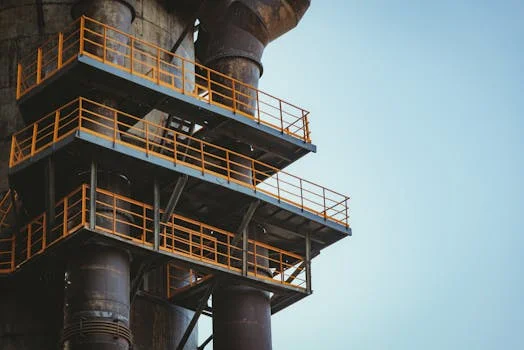
Walk-in plenums (FTP models) increase the total vertical height of a dust collector by 36 inches compared to non-walk-in (FTD) versions. This additional space creates a "clean air room" where maintenance personnel can stand while replacing filter bags. In contrast, non-walk-in models require technicians to access the bags from the top of the unit via hatches, often requiring them to work from external platforms or ladders in exposed weather conditions.
| Feature | Walk-In Plenum (FTP) | Non-Walk-In Plenum (FTD) |
|---|---|---|
| Height Dimension | Standard + 36 inches | Standard |
| CAPEX | 10–15% Higher | Baseline |
| Maintenance Environment | Enclosed, weather-protected | Exposed to elements |
| Bag Service Speed | Faster (easier access) | Slower (hatch removal) |
| Regulatory Compliance | Easier OSHA platform compliance | May require fall protection |
The decision framework for plenum selection depends on climate and frequency of service. Choose a walk-in plenum if the unit is installed outdoors in a region with high precipitation or freezing temperatures, or if the dust is abrasive enough to require bag changes more than once per year. Choose a non-walk-in plenum if the unit is installed indoors with limited headroom or if CAPEX budget constraints are the primary driver. Note that walk-in plenums may require adherence to OSHA 29 CFR 1910.147 regarding lockout/tagout procedures for confined spaces.
Cost Breakdown: CAPEX, OPEX, and ROI for Pulse Jet Dust Collectors
CAPEX for standard pulse jet collectors ranges from $10 to $25 per CFM, depending on material selection and plenum configuration. A 10,000 CFM system typically requires a budget of $100,000 to $250,000 for the equipment alone. Stainless steel construction, often required for corrosive chemical environments or food-grade applications, adds a 20–30% premium to these benchmarks. Installation costs generally mirror the equipment cost, ranging from 50% to 100% of the CAPEX depending on ductwork complexity.
Operational expenses (OPEX) are dominated by energy and replacement parts. Compressed air accounts for roughly 40% of OPEX, while filter bag replacement (every 1–3 years) accounts for 30%. Routine maintenance and fan energy make up the remainder. To justify the investment, procurement teams should use a simple ROI calculation: Payback Period (Years) = (CAPEX – Incentives) / (Annual Savings – OPEX). Savings are often realized through avoided EPA fines ($37k+/day), reduced clean-up labor, and the potential for heat recovery from the filtered air.
| Cost Component | Estimated Budget (10k CFM) | Percentage of TCO (5-Year) |
|---|---|---|
| Equipment (CAPEX) | $150,000 | 45% |
| Installation | $75,000 | 22% |
| Compressed Air (OPEX) | $19,710 ($3,942/yr) | 6% |
| Replacement Bags (OPEX) | $30,000 (2 cycles) | 9% |
| Fan Energy (OPEX) | $60,000 ($12,000/yr) | 18% |
Financial incentives can significantly shorten the payback period. Under the Clean Air Act Section 112(r), certain facilities may qualify for tax credits for installing Maximum Achievable Control Technology (MACT). Additionally, state-level programs like California’s Carl Moyer Program offer grants for equipment that reduces particulate matter emissions beyond baseline requirements.
Matching Pulse Jet Specs to Your Application: A Decision Tree
Selecting the correct filter-to-cloth ratio is the primary determinant of bag life, with pharmaceutical applications requiring 4-6 FPM and woodworking allowing up to 16 FPM. Follow this decision logic to specify the correct parameters for your facility:
- Step 1: Analyze Dust Characteristics. Is the dust sticky or hygroscopic (e.g., sugar, lime)? If yes, avoid pulse jet and use a wet scrubber. Is it abrasive (e.g., fly ash)? If yes, use a low filter ratio (10–12 FPM) and heavy-duty bags.
- Step 2: Determine Emissions Targets. Does the application fall under EPA NSPS standards (e.g., 0.01 gr/dscf)? If yes, specify PTFE-membrane bags and a walk-in plenum for precision maintenance.
- Step 3: Evaluate Site Constraints. Is headroom limited? Choose a non-walk-in (FTD) model. Is the unit located in a freezing climate? Choose a walk-in (FTP) model with hopper insulation.
- Step 4: Safety Requirements. Is the dust explosive (e.g., flour, aluminum)? If yes, the unit must be NFPA 68-compliant with explosion vents and grounded filter bags.
| Application | Recommended Ratio (FPM) | Bag Material | Plenum Type |
|---|---|---|---|
| Coal-Fired Boiler | 12–16 | P84 or PPS | Non-Walk-In |
| Pharmaceuticals | 4–6 | PTFE Membrane | Walk-In |
| Woodworking | 14–18 | Polyester | Non-Walk-In |
| Cement/Minerals | 10–12 | Aramid (Nomex) | Walk-In |
For high-temperature industrial furnaces, the pulse jet baghouse for industrial furnaces provides specialized high-heat alloy construction and high-temp filter media to handle gas streams exceeding 250°F.
Frequently Asked Questions
How much compressed air does a pulse jet dust collector use?
Most industrial models consume approximately 0.75 SCFM for every 1,000 CFM of airflow. A 10,000 CFM collector will require a constant supply of 7.5 SCFM. At an average industrial electricity rate of $0.10/kWh, this costs approximately $3,942 per year in energy.
What’s the difference between walk-in and non-walk-in plenums?
Walk-in plenums (FTP) include a 36-inch tall "clean air" chamber that allows maintenance workers to service bags from inside the unit, protected from rain or snow. Non-walk-in (FTD) models require bag access through top-mounted hatches, which is more space-efficient and 10–15% cheaper but more difficult to maintain in poor weather.
What’s the typical pressure drop across a pulse jet dust collector?
A well-operating system typically maintains a pressure drop of 3 to 5 inches of water column (75–125 mm H₂O). If the pressure drop exceeds 6 inches, it usually indicates blinded filter bags, an undersized cleaning system, or excessive moisture in the air stream.
Can pulse jet dust collectors handle explosive dust?
Yes, but they must be equipped with NFPA-compliant safety features. This includes explosion relief vents (NFPA 68), rotary airlocks to prevent flame propagation, and conductive filter bags to prevent static discharge. A Dust Hazard Analysis (DHA) is required per NFPA 652.
How often should pulse jet bags be replaced?
Standard polyester bags typically last 1 to 3 years. High-performance PTFE-coated bags can last 3 to 5 years. Lifespan is heavily influenced by the A/C ratio; running a collector at a higher FPM than recommended will drastically shorten bag life due to dust "embedding" in the fabric.