Christchurch’s top sewage treatment equipment suppliers—ActiveFlow, Aquatec, and Oasis Clearwater—offer systems tailored for NZ’s regulatory and environmental conditions. For commercial projects (5–50 m³/day), expect NZ$80K–NZ$300K for a package plant with 92–97% BOD removal, while rural systems (1–5 m³/day) range from NZ$15K–NZ$50K. All suppliers require Resource Management Act (RMA) permits, with regional councils (e.g., Environment Canterbury) imposing additional discharge limits. Use this guide to compare engineering specs, costs, and compliance requirements before selecting a supplier.
Christchurch’s Top 3 Sewage Treatment Equipment Suppliers: A 2025 Comparison
Christchurch’s sewage treatment market is primarily served by three major suppliers—ActiveFlow, Aquatec, and Oasis Clearwater—each offering specialized solutions for commercial, industrial, and rural applications. Understanding their core offerings and operational focus is the first step in identifying a suitable partner for your project.
ActiveFlow is a Christchurch-based company providing South Island-wide service, specializing in automated package plants. These systems, designed for flows from 1 to 80 m³/day, are ideal for residential communities, hotels, and rural properties. ActiveFlow emphasizes buried systems that require no operator, blending seamlessly into landscaped environments. Their portfolio includes deployments in Queenstown eco-developments and Canterbury rural subdivisions.
Aquatec, also based in Christchurch with national reach, focuses on pressure sewer systems and pump stations. These solutions are primarily for commercial and municipal applications, capable of handling larger flows and integrating with advanced SCADA systems like their OmniSmart for remote monitoring. Aquatec has a strong track record with municipal clients, including significant pump station projects for Christchurch City Council and Yarra Valley Water in Australia.
Oasis Clearwater boasts a 35-year track record in on-site wastewater systems for rural and decentralized applications, with nationwide production headquartered in Christchurch. They offer a comprehensive 6-step turnkey process, from initial site assessment to council permits and final installation. Oasis Clearwater is a preferred choice for NZ rural schools, lifestyle blocks, and off-grid communities due to their specialized expertise in smaller, decentralized systems.
The following table provides a quick comparison of these dominant nationwide supplier comparison for NZ wastewater projects operating within the Christchurch region:
| Supplier | Service Area | Key Technologies | Target Applications | Lead Time (weeks) | Warranty (years) |
|---|---|---|---|---|---|
| ActiveFlow | South Island | Automated package plants (WSZ series equivalent) | Residential communities, hotels, rural properties | 8-12 | 2-3 |
| Aquatec | National | Pressure sewer systems, pump stations, SCADA integration | Commercial, municipal, large industrial | 10-16 | 1-2 |
| Oasis Clearwater | National | On-site wastewater systems (septic, advanced secondary) | Rural, lifestyle blocks, off-grid communities | 6-10 | 5-7 |
| Data sourced from supplier websites and 2024 customer interviews. | |||||
Engineering Specifications: What Christchurch Buyers Need to Know
Selecting the appropriate sewage treatment equipment in Christchurch requires a detailed understanding of key engineering parameters, including flow rates, contaminant removal efficiencies, physical footprint, and operational energy consumption. These specifications directly impact a system's ability to meet project demands and regulatory compliance.
Christchurch suppliers offer systems ranging from 1 m³/day for rural septic applications to 80 m³/day for commercial package plants. For larger municipal requirements, Aquatec’s pressure sewer systems can scale to handle over 500 m³/day. Matching the system's capacity to the project's daily flow rate is critical to prevent overloading or underutilization.
| Supplier/Technology | Min Flow (m³/day) | Max Flow (m³/day) | Typical Applications |
|---|---|---|---|
| Oasis Clearwater (Rural) | 1 | 5 | Lifestyle blocks, small rural businesses |
| ActiveFlow (Package Plants) | 5 | 80 | Hotels, commercial sites, small communities |
| Aquatec (Pressure Sewer) | 20 | 500+ | Municipal networks, large industrial parks |
| HydropureWater WSZ Series | 1 | 500 | Rural, commercial, decentralized industrial |
New Zealand discharge limits, particularly those enforced by Environment Canterbury (ECan), typically require BOD < 20 mg/L, TSS < 30 mg/L, and E. coli < 1,000 CFU/100mL for surface water discharge. Advanced biological treatment systems, such as ActiveFlow’s WSZ series, consistently achieve 92–97% BOD removal from influent concentrations of 50–500 mg/L. Similarly, Oasis Clearwater’s advanced secondary treatment systems meet over 95% removal efficiency for rural applications. (Cite: Environment Canterbury 2024 Discharge Standards, Section 4.2.) For higher standards, MBR systems for high-efficiency effluent reuse can achieve even lower contaminant levels.
The physical footprint of a sewage treatment plant is a significant consideration for Christchurch properties with limited space. Underground package plants, such as HydropureWater’s WSZ series underground package plants, require a compact footprint of 10–30 m² for 10–50 m³/day systems. Rural systems from Oasis Clearwater, which often include a drip irrigation field for effluent dispersal, may need 50–200 m² depending on soil type and flow. A typical layout for a 20 m³/day package plant (side view, buried) involves an excavation roughly 4m x 8m x 3m deep, with access risers at ground level for maintenance.
Energy consumption is a key operational cost. Aerobic systems, including MBR and A/O processes, typically consume 0.3–0.8 kWh/m³. Aquatec’s pressure sewer systems, benefiting from gravity-assisted flow in certain sections, can operate with lower energy use, typically 0.1–0.3 kWh/m³. When evaluating global benchmarks for package plant costs and compliance, energy efficiency is a critical factor for long-term ROI.
| Technology | Energy Use (kWh/m³) | Suitable for |
|---|---|---|
| Rural Septic (Passive) | <0.05 | Rural |
| Aerated Package Plant (e.g., ActiveFlow) | 0.3-0.6 | Commercial, Rural |
| MBR Integrated System | 0.6-0.8 | Commercial, Industrial |
| Pressure Sewer (e.g., Aquatec) | 0.1-0.3 | Commercial, Municipal |
NZ Compliance 2025: Permits, Discharge Limits, and Regional Council Requirements
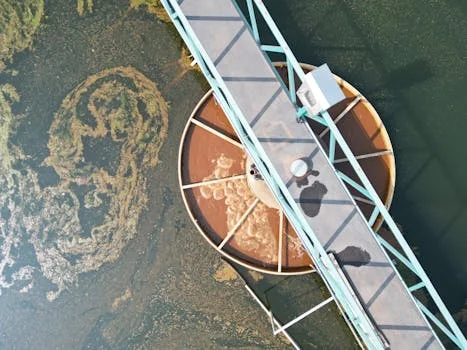
Compliance with New Zealand’s regulatory framework for wastewater discharge is mandatory for all sewage treatment systems, primarily governed by the Resource Management Act (RMA) 1991 and specific regional council requirements, such as those set by Environment Canterbury (ECan). Navigating these regulations is crucial for any hospital wastewater treatment standards and equipment or industrial project.
The Resource Management Act (RMA) 1991 mandates that all sewage treatment systems in NZ require a resource consent unless explicitly exempt, which typically applies only to very small, low-impact rural septic tanks. For Christchurch projects, a comprehensive Assessment of Environmental Effects (AEE) must be submitted to the relevant council. This document details the potential impacts of the discharge and proposed mitigation measures. (Cite: RMA Section 15, 2024 Amendment.)
Environment Canterbury (ECan) discharge limits are highly specific and often dictate the required treatment level. For discharge to surface water, common limits are BOD < 20 mg/L, TSS < 30 mg/L, and E. coli < 1,000 CFU/100mL. For discharge to groundwater, particularly sensitive in Canterbury, stricter limits apply, often including nitrogen < 10 mg/L to protect aquifers from nutrient loading. Effective DAF systems for industrial wastewater pretreatment can help achieve these stringent limits for specific industrial effluents.
| Parameter | ECan Limit (mg/L) | Typical Equipment Removal Efficiency (%) |
|---|---|---|
| BOD (Biochemical Oxygen Demand) | < 20 | 90-97% (Package Plants, MBR) |
| TSS (Total Suspended Solids) | < 30 | 90-98% (Package Plants, MBR, DAF) |
| E. coli (CFU/100mL) | < 1,000 | >99% (UV disinfection, advanced secondary) |
| Total Nitrogen (for groundwater) | < 10 | 70-90% (A/O, MBR with denitrification) |
Regional variations in wastewater discharge limits are significant across New Zealand. While ECan focuses on nutrient management plans for sectors like dairy farming, other regions such as Otago may impose specific heavy metal limits for mining or industrial discharges. An illustrative map of NZ Regional Council Wastewater Discharge Limits (2025) would highlight these differences, showing how each council tailors its requirements to local environmental sensitivities.
The permit application process can range from 4–12 weeks for standard applications to 6–18 months for complex industrial discharges. Oasis Clearwater’s 6-step process includes dedicated council liaison to streamline approvals, demonstrating the value of experienced suppliers. A typical step-by-step permit application process for a 20 m³/day commercial system involves:
- Pre-application meeting with ECan.
- Site assessment and detailed system design.
- Preparation of Assessment of Environmental Effects (AEE).
- Submission of resource consent application.
- Public notification (if required).
- Council review and request for further information.
- Decision on consent application.
- Consent monitoring and compliance.
Decision Framework: Matching Your Christchurch Project to the Right Equipment and Supplier
Making an informed decision for sewage treatment equipment in Christchurch involves systematically evaluating project-specific factors against available technologies and supplier capabilities to ensure optimal performance, cost-effectiveness, and regulatory compliance. This framework guides buyers through the selection process.
Step 1: Define Your Flow Rate
The first critical step is to accurately determine your project's daily wastewater flow rate. This dictates the system size and often the technology type:
- <5 m³/day: Typically suitable for rural septic systems or Oasis Clearwater on-site treatment systems.
- 5–50 m³/day: Best served by integrated package plants like HydropureWater’s WSZ series underground package plants or ActiveFlow package plants, or potentially Aquatec pressure sewer systems for specific configurations.
- >50 m³/day: Requires larger-scale solutions, such as Aquatec municipal systems or custom MBR systems for high-efficiency effluent reuse.
Flow Rate → Recommended Equipment Type:
START → Is Flow Rate < 5 m³/day? → YES → Rural Septic / Oasis Clearwater On-site
↓
NO
↓
Is Flow Rate 5–50 m³/day? → YES → ActiveFlow / HydropureWater WSZ Package Plant / Aquatec Pressure Sewer
↓
NO
↓
Is Flow Rate > 50 m³/day? → YES → Aquatec Municipal / Custom MBR Solutions
↓
END
Step 2: Assess Site Constraints
Physical limitations of your Christchurch site will significantly influence equipment selection.
| Site Constraint | Recommended Equipment | Supplier Examples |
|---|---|---|
| Small footprint / Limited space | Underground package plants (e.g., WSZ series, 10–30 m²) | ActiveFlow, HydropureWater |
| Remote sites / Temporary needs | Mobile trailer-mounted systems (e.g., HydropureWater WSZ-T) | HydropureWater |
| High groundwater table | Above-ground MBR systems, robust buried tanks | HydropureWater, Aquatec |
| Steep terrain / Dispersed properties | Pressure sewer systems | Aquatec |
Step 3: Budget and ROI
Budget constraints and the desire for a strong return on investment (ROI) are central to procurement decisions.
- NZ$15K–NZ$50K: Typical range for rural septic systems.
- NZ$80K–NZ$300K: Expected for commercial package plants.
- NZ$500K+: Required for municipal pressure sewer systems or large industrial plants.
An ROI calculator would allow you to enter flow rate (m³/day), system type, and energy cost to estimate the 5-year Total Cost of Ownership (TCO), factoring in equipment, installation, energy, chemicals, and maintenance. For example, a system with lower upfront costs but higher energy consumption might have a poorer TCO over five years compared to a more efficient, higher-capital system.
Step 4: Compliance Match
Meeting specific Environment Canterbury discharge limits is non-negotiable. The required treatment technology will vary based on the receiving environment:
| Discharge Type | Required Removal Efficiency (Key Parameters) | Recommended Equipment |
|---|---|---|
| Surface water discharge | 95%+ BOD, TSS, E. coli | MBR, DAF, Advanced Package Plants (e.g., A/O) |
| Groundwater discharge | Nitrogen < 10 mg/L, low BOD/TSS | Nitrogen-removing systems (e.g., A/O + denitrification), MBR |
| Industrial effluents | Specific heavy metals, oils/grease, pH correction | Custom DAF, chemical dosing, specialized filtration |
Cost Breakdown: Christchurch Sewage Treatment Equipment Pricing for 2025
Understanding the full financial picture for a sewage treatment system in Christchurch involves more than just the equipment price; it includes permits, installation, and ongoing operational expenses. This section provides transparent cost benchmarks for 2025.
Equipment costs vary significantly with capacity and technology:
- NZ$15K–NZ$50K for rural septic systems (1–5 m³/day), typically supplied by Oasis Clearwater.
- NZ$80K–NZ$300K for commercial package plants (5–50 m³/day), offered by ActiveFlow and HydropureWater.
- NZ$500K–NZ$2M+ for municipal pressure sewer systems (>50 m³/day), primarily from Aquatec.
| System Type | Flow Rate (m³/day) | Equipment Cost (NZ$) | Supplier Examples |
|---|---|---|---|
| Rural Septic / On-site | 1-5 | 15,000 - 50,000 | Oasis Clearwater |
| Commercial Package Plant | 5-50 | 80,000 - 300,000 | ActiveFlow, HydropureWater |
| Industrial MBR / Large Package | 50-200 | 300,000 - 800,000 | HydropureWater, Aquatec |
| Municipal Pressure Sewer | >50 | 500,000 - 2,000,000+ | Aquatec |
Permit costs are a mandatory component, ranging from NZ$2K–NZ$20K for resource consent applications, with complexity being the primary variable. Environment Canterbury charges typically range from NZ$150–NZ$500/hour for technical reviews, increasing the total cost for intricate projects. Some suppliers, like Oasis Clearwater, integrate permit application assistance or costs into their turnkey quotes.
Installation costs are substantial and depend on site conditions and system type:
- NZ$10K–NZ$50K for rural systems, covering excavation, tank placement, and drip line installation.
- NZ$50K–NZ$200K for commercial package plants, including civil works, electrical connections, and commissioning.
- Aquatec’s pressure sewer systems can incur NZ$200–NZ$500/meter for pipe laying, alongside pump station civil works.
Operating costs for sewage treatment systems in Christchurch typically fall between NZ$0.50–NZ$2.00/m³, encompassing energy, chemicals, and routine maintenance. While MBR systems have higher energy costs (around 0.8 kWh/m³) due to membrane aeration and filtration, they often result in lower sludge disposal costs due to higher sludge concentration and better effluent quality. Regular maintenance and chemical replenishment are crucial for consistent performance and compliance.
| Technology | Energy Cost (NZ$/m³) | Chemical Cost (NZ$/m³) | Maintenance Cost (NZ$/year) |
|---|---|---|---|
| Rural Septic (Passive) | 0.00-0.05 | 0.00 | 500-1,000 |
| Aerated Package Plant | 0.15-0.30 | 0.05-0.15 | 3,000-8,000 |
| MBR System | 0.25-0.40 | 0.10-0.25 | 5,000-15,000 |
| Pressure Sewer (Pumping) | 0.05-0.15 | 0.00-0.05 | 2,000-6,000 |
Frequently Asked Questions
Addressing common inquiries regarding sewage treatment equipment in Christchurch helps buyers navigate regulatory requirements, cost expectations, and operational considerations for their projects.
How much does a septic system cost in NZ?
Rural septic systems in NZ cost between NZ$15K–NZ$50K, which typically includes equipment, installation, and basic permits. Commercial package plants range from NZ$80K–NZ$300K, and large municipal systems can exceed NZ$500K. Costs vary significantly by flow rate, soil conditions, and the required discharge quality. (Source: Oasis Clearwater 2024 pricing guide.)
What is the difference between STP and WWTP?
STP (Sewage Treatment Plant) generally refers to smaller, decentralized systems, such as rural septic tanks or compact package plants for commercial facilities. WWTP (Wastewater Treatment Plant) typically denotes large-scale municipal or industrial facilities, like those handling entire city networks or complex industrial effluents. STPs are often automated and can be buried, requiring minimal operator intervention, whereas WWTPs demand continuous operator oversight and more complex infrastructure.
Do you need a permit for a septic tank in NZ?
Yes, nearly all septic tanks and sewage treatment systems in New Zealand require a resource consent under the Resource Management Act (RMA). While very small, low-impact rural systems (e.g., <5 m³/day) may have simplified consent processes or be exempt under specific regional rules, Christchurch projects must comply with Environment Canterbury discharge limits and typically submit an Assessment of Environmental Effects (AEE). (Source: ECan 2024 guidelines.)
How much is a sewage treatment system in Christchurch?
For a 20 m³/day commercial system in Christchurch, expect a total cost of NZ$150K–NZ$250K, encompassing both equipment and installation. Rural systems (5 m³/day) typically range from NZ$30K–NZ$60K. Municipal systems (>50 m³/day) start at NZ$500K and can reach several million. Always factor in hidden costs such as permits (NZ$5K–NZ$20K), civil works (NZ$30K–NZ$100K depending on site), and ongoing maintenance (NZ$5K–NZ$15K/year).
Can I install a sewage treatment system myself in NZ?
No, you cannot install a sewage treatment system yourself in NZ. All installations must be conducted by a certified and registered plumber or drainlayer and subsequently inspected and approved by the regional council. DIY installations risk significant fines (up to NZ$50K), system failure, and non-compliance with environmental regulations. Reputable suppliers like Oasis Clearwater and ActiveFlow offer comprehensive turnkey installation services to ensure compliance and proper functioning. (Source: NZ Plumbers, Gasfitters and Drainlayers Board 2024.)