Queretaro’s 2025 industrial wastewater treatment requirements demand compliance with NOM-001-SEMARNAT-2021 (e.g., BOD <30 mg/L, TSS <40 mg/L) and local amendments for water reuse. Factories in Parque Industrial Querétaro must treat effluents to <1,000 CFU/100mL for non-potable reuse or face fines up to MXN 5M. Key challenges include high TDS (up to 3,000 mg/L from automotive plants) and arid conditions limiting dilution. This guide provides engineering specs, cost benchmarks (MXN 2M–15M for DAF/MBR systems), and a compliance checklist for 2025 upgrades.
Why Queretaro’s 2025 Wastewater Regulations Are Tightening for Industrial Facilities
The 2025 amendments to Queretaro’s water regulations mandate that industrial parks treat 100% of their effluents for internal reuse or discharge into municipal systems under significantly stricter parameters. This regulatory shift is driven by the critical depletion of the Valle de Queretaro aquifer, which spans 563 km² and serves as the primary water source for the region's 1.5 million residents. With an annual rainfall of only 374.6 mm, the city faces a structural water deficit that makes industrial water circularity a legal and operational necessity.
Under NOM-001-SEMARNAT-2021, the permissible limits for industrial discharges have been drastically reduced compared to the 1996 standards. For example, Biochemical Oxygen Demand (BOD) is now capped at 30 mg/L, and Total Suspended Solids (TSS) at 40 mg/L for most industrial applications. fecal coliform limits are now strictly enforced at <1,000 CFU/100mL to facilitate non-potable reuse in cooling towers and irrigation. Non-compliance is no longer a manageable overhead; penalties for 2025 range from MXN 1M to MXN 5M, with the added risk of temporary or permanent facility shutdowns by state environmental authorities.
The urgency is compounded by the "Three-Pronged Approach" adopted by the Queretaro government, which prioritizes treated drainage water for industrial and even human consumption to combat land subsidence. In 2024, a major automotive component manufacturer in Parque Industrial Querétaro was fined MXN 3.2M after a surprise inspection revealed TSS levels exceeding 150 mg/L during peak production cycles. This highlights the need for robust, automated systems capable of handling the high-concentration effluents typical of Queretaro’s manufacturing sectors.
To navigate these changes, facility managers should compare Mexico’s top 12 wastewater treatment equipment suppliers for 2025 compliance to ensure their systems meet both federal and local standards.
Industrial Wastewater Characteristics in Queretaro: What Your Treatment System Must Handle
Industrial effluents in Queretaro are characterized by high concentrations of dissolved solids and sector-specific pollutants that are exacerbated by the region's arid climate. Low dilution capacity in local water bodies—such as the Querétaro River, which flows only during the rainy season—means that even small volumes of untreated discharge can lead to catastrophic environmental impact and immediate regulatory detection. Engineering a system requires a precise understanding of the raw effluent profile before selecting treatment stages.
Automotive plants, the backbone of Queretaro’s industry, typically produce wastewater with high Total Dissolved Solids (TDS) ranging from 2,000 to 3,000 mg/L, alongside heavy metals like Chromium, Nickel, and Zinc from plating and coating processes. Food processing facilities, particularly those in the northern industrial corridors, face different challenges: high organic loads (BOD up to 3,000 mg/L) and significant Fats, Oils, and Grease (FOG) concentrations that can reach 800 mg/L. Textile operations must manage high Color (up to 2,000 Pt-Co) and Chemical Oxygen Demand (COD) levels that often exceed 1,500 mg/L due to synthetic dyes and sizing agents.
| Sector | BOD (mg/L) | COD (mg/L) | TSS (mg/L) | TDS (mg/L) | Heavy Metals | FOG (mg/L) |
|---|---|---|---|---|---|---|
| Automotive | 200–500 | 500–1,200 | 150–400 | 2,000–3,000 | Cr, Ni, Zn | 50–150 |
| Food Processing | 1,500–3,000 | 3,000–6,000 | 400–1,000 | 800–1,500 | Trace | 300–800 |
| Textiles | 400–800 | 800–1,500 | 200–500 | 3,000–5,000 | Cu, Cr | <50 |
| Electronics | 100–300 | 300–700 | 50–150 | 1,000–2,000 | Sn, Pb, Cu | <20 |
For facilities dealing with organic-heavy loads, implementing food processing wastewater treatment strategies for high-FOG effluents is essential to prevent primary treatment bypass and downstream membrane fouling.
Compliance Checklist: How to Meet NOM-001-SEMARNAT-2021 and Queretaro’s 2025 Amendments
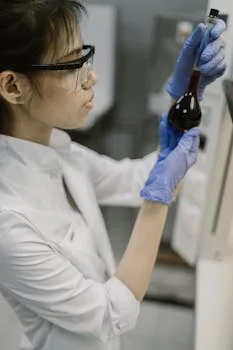
Achieving compliance in 2025 requires a multi-stage engineering approach that integrates physical, chemical, and biological processes. The standard "set-and-forget" septic or basic sedimentation systems are no longer sufficient for the stringent limits imposed by the state. A compliant system must begin with effective pre-treatment, specifically GX Series bar screens to remove large debris and equalization tanks sized for 4–6 hours of hydraulic retention to buffer the pH and flow spikes common in three-shift manufacturing environments.
Primary treatment must focus on the removal of TSS and FOG. DAF systems for high-FOG effluents in Queretaro’s food processing plants are the industry standard, achieving up to 95% removal of emulsified oils. Secondary treatment for 2025 compliance typically involves integrated MBR systems for reuse-compliant wastewater treatment in Queretaro’s industrial parks. These systems utilize ultrafiltration membranes to ensure that BOD and pathogen levels meet the <2 CFU/100mL requirement for non-potable reuse. Finally, tertiary disinfection using chlorine dioxide or UV is mandatory for any water intended for cooling towers or irrigation.
| Parameter | NOM-001 Limit | Queretaro 2025 (Reuse) | Treatment Technology | Monitoring |
|---|---|---|---|---|
| BOD | 30 mg/L | <10 mg/L | MBR / Biological A/O | Weekly Analysis |
| TSS | 40 mg/L | <5 mg/L | DAF + Ultrafiltration | Online Sensor |
| Fecal Coliforms | 1,000 CFU | <2 CFU/100mL | UV / ClO2 Disinfection | Monthly Analysis |
| pH | 5–10 | 6.5–8.5 | Automatic Acid/Base Dosing | Real-time Online |
| TDS | None | <1,500 mg/L | Reverse Osmosis (Optional) | Monthly Analysis |
Effective sludge management is the final hurdle. Using 9-series plate-and-frame filter presses ensures that sludge is dewatered to 20–30% dry solids, significantly reducing disposal costs and ensuring compliance with NOM-052-SEMARNAT-2005 regarding hazardous waste handling. Facility managers should evaluate sludge dewatering options for Queretaro’s industrial wastewater treatment plants to optimize their OPEX.
Equipment Selection Guide: DAF vs MBR vs Chemical Dosing for Queretaro’s Industrial Effluents
Selecting the right technology depends on the specific contaminants present in the effluent and the desired end-use for the treated water. In Queretaro’s industrial parks, where space is often at a premium and water costs are rising, the footprint and efficiency of the equipment are critical. DAF systems are the most effective primary treatment for automotive and food industries where oils and suspended solids are the primary concern. These systems have a moderate CAPEX (MXN 1.5M–4M) but require consistent chemical inputs (coagulants and flocculants).
For facilities aiming for "Zero Liquid Discharge" or high-quality reuse, MBR (Membrane Bioreactor) technology is superior. While the CAPEX is higher (MXN 3M–10M), the MBR eliminates the need for secondary clarifiers and tertiary media filters, providing a much smaller footprint. For simple pH correction or heavy metal precipitation in electronics or textile finishing, PLC-controlled chemical dosing for pH adjustment and coagulation in Queretaro’s textile plants offers a low-CAPEX solution (MXN 200K–800K), though it must be paired with a sedimentation or filtration unit to meet 2025 TSS limits.
| Technology | Best For | Efficiency (BOD/TSS) | CAPEX (MXN) | Footprint |
|---|---|---|---|---|
| DAF | FOG, TSS, Oils | 80–90% | 1.5M – 4M | Medium |
| MBR (2 Series) | Reuse, BOD, Pathogens | 99% | 3M – 10M | Small |
| Chem Dosing | pH, Metals, Coagulation | N/A (Pre-treat) | 200K – 800K | Very Small |
| A/O Biological | High Volume Discharge | 85–95% | 2M – 6M | Large |
When selecting a supplier, Queretaro-based engineers must prioritize equipment with Spanish-language PLC interfaces and local technical support. HydropureWater’s systems are designed with these local requirements in mind, offering 24/7 service availability for industrial parks like PIQ and El Marqués.
Cost Breakdown: Industrial Wastewater Treatment Systems in Queretaro (2025 Data)
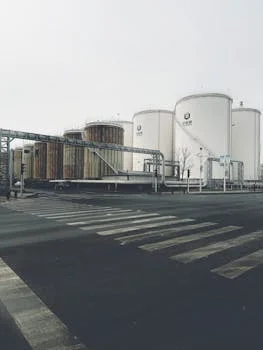
Budgeting for a wastewater treatment upgrade in 2025 requires a balance of initial CAPEX and long-term OPEX. For a medium-sized manufacturing facility (treating 100–300 m³/day), a complete system meeting NOM-001-SEMARNAT-2021 typically ranges from MXN 2M to MXN 15M. While the upfront cost of advanced systems like MBR is higher, the Return on Investment (ROI) is increasingly attractive as municipal water rates in Queretaro continue to climb. Treated water for reuse currently costs approximately MXN 5–10/m³, compared to municipal supply rates which can exceed MXN 25/m³ for industrial users.
OPEX considerations include electricity (aeration and pumping), chemical consumption (polymers, acids, bases), and membrane replacement (every 5–7 years for MBR). the Queretaro state government has introduced 2025 water reuse grants that can cover 30–50% of the CAPEX for systems that demonstrably reduce groundwater extraction. These incentives, combined with the avoidance of MXN 5M fines, often result in a payback period of 3 to 7 years for high-efficiency systems.
| System Type | CAPEX (MXN) | OPEX/Year (MXN) | Payback (Years) | Reuse Potential |
|---|---|---|---|---|
| Primary (DAF) | 1.5M – 4M | 500K – 1.2M | 4–6 | Low (Pre-treat only) |
| Integrated MBR | 3M – 10M | 1M – 2.5M | 3–5 | High (Process/Irrigation) |
| A/O + Filtration | 2.5M – 7M | 700K – 1.5M | 5–7 | Moderate (Irrigation) |
| RO (Tertiary) | 2M – 5M | 800K – 1.8M | 4–6 | Very High (Boiler Feed) |
Step-by-Step: Designing a Compliant Wastewater Treatment System for Your Queretaro Factory
Designing a system that passes SEMARNAT inspection while remaining cost-effective requires a structured engineering approach. Missing a single step in the characterization phase can lead to undersized equipment and frequent process upsets. Follow this framework for your 2025 upgrade:
- Effluent Sampling and Analysis: Conduct a 72-hour composite sampling during peak production. Analyze for BOD, COD, TSS, TDS, pH, heavy metals, and FOG.
- Pre-treatment Design: Install automated screening and an equalization tank with a minimum 4-hour retention time. This is critical for Queretaro plants with variable shift loads.
- Primary Treatment Selection: Deploy a DAF or lamella clarifier if TSS/FOG levels exceed 200 mg/L. This protects downstream biological processes.
- Secondary Treatment Selection: Choose between MBR for reuse or A/O (Anoxic/Oxic) biological contact oxidation for discharge. MBR is recommended for meeting the <2 CFU pathogen limit.
- Tertiary Treatment: Implement UV or Chlorine Dioxide disinfection. Ensure a contact time of at least 30 minutes for chemical disinfection.
- Sludge Management: Integrate a filter press to dewater biological and chemical sludge, ensuring weight reduction for NOM-052 compliant disposal.
- Commissioning and SEMARNAT Approval: Install real-time monitoring for flow, pH, and TSS as per the 2025 mandate. Compile all technical data sheets for the "Cédula de Operación Anual" (COA).
Common pitfalls in Queretaro include undersizing equalization tanks, which leads to "shock loads" that kill biological bacteria, and failing to account for high TDS which can interfere with standard chemical coagulation.
Frequently Asked Questions
Does Mexico have wastewater treatment plants?
Yes, but only 58% of industrial effluents are currently treated nationwide according to SEMARNAT 2023 data. Queretaro’s 2025 amendments are specifically designed to close this gap by requiring 100% treatment for all industrial park tenants.
What are the three types of industrial wastewater treatment?
The three types are Physical (screening, DAF, sedimentation), Chemical (coagulation, pH adjustment, disinfection), and Biological (activated sludge, MBR). In Queretaro, a combination of all three is usually required to meet NOM-001-SEMARNAT-2021.
What are the problems with industrial wastewater in Queretaro?
The primary problems are high TDS from automotive processes, high FOG from food processing, and severe water scarcity. The lack of natural dilution in local rivers means that discharge limits are much harder to meet than in coastal regions.
How much does an industrial wastewater treatment plant cost in Queretaro?
For a standard industrial application in 2025, costs range from MXN 2M to MXN 15M. Systems designed for high-quality reuse, such as MBR-based plants, typically fall in the MXN 3M to MXN 10M range.
What are the 2025 water regulations in Queretaro?
The 2025 regulations require 100% treatment of industrial effluents, the implementation of real-time monitoring systems connected to state databases, and a priority on reusing treated water for non-potable industrial processes. Fines for non-compliance start at MXN 1M.