UAE’s top sewage treatment equipment suppliers for 2025 include ESISYS (est. 2001, +971 6 5344310), Genoasis (MBBR/SAFF biofilm carriers), and Almasa (MBR membrane systems). Key selection criteria: ADQCC compliance (BOD < 20 mg/L, TSS < 30 mg/L), CAPEX (AED 1.2M–4.5M for 500 m³/h plants), and footprint (underground WSZ systems save 60% space vs. conventional STPs). This guide provides side-by-side specs, cost benchmarks, and a 7-step decision framework for industrial and municipal projects.
Why UAE Sewage Treatment Equipment Selection Matters in 2025
Non-compliance with UAE wastewater discharge regulations can incur fines ranging from AED 50,000 to AED 200,000 per violation under federal Law No. 24 of 1999, updated in 2023. For instance, a Sharjah-based food processing plant faced repeated penalties totaling AED 300,000 over 18 months due to an outdated sewage treatment system that consistently failed ADQCC effluent standards for BOD and TSS. This case exemplifies the critical financial and operational risks associated with improper equipment selection or inadequate system upgrades.
Space constraints, particularly in densely populated urban centers like Dubai and Sharjah, further complicate project planning. Conventional sewage treatment plants (STPs) often require large land parcels, which are scarce and expensive. Innovative solutions, such as underground WSZ sewage treatment systems for space-constrained UAE projects, can reduce the required footprint by up to 60% compared to traditional STPs, making them ideal for urban industrial facilities or new developments. This efficiency is critical for optimizing land use and development costs.
Operational costs, primarily energy consumption, significantly impact the long-term viability of wastewater treatment projects in the UAE. With industrial electricity tariffs ranging from AED 0.28 to AED 0.35/kWh (per DEWA 2024 data), energy-efficient technologies are paramount. Membrane Bioreactor (MBR) systems, for example, can be up to 30% cheaper to operate than conventional activated sludge (CAS) systems due to their compact design and reduced aeration requirements, contributing significantly to lower overall OPEX.
Finally, water reuse mandates are increasingly influencing equipment selection. Dubai Municipality, for instance, has set a 2025 target requiring 30% wastewater reuse for new developments. Achieving these stringent water reuse goals necessitates advanced treatment technologies. MBR systems, known for their superior effluent quality, consistently achieve turbidity levels below 1 NTU, making the treated water suitable for direct non-potable reuse applications such as irrigation, landscaping, and industrial cooling, thereby supporting MBR system performance and cost benchmarks for arid climates and promoting sustainable water management in the UAE.
Top 5 Sewage Treatment Equipment Suppliers in UAE: Capabilities Compared
The UAE market for sewage treatment equipment in 2025 is dominated by a few key suppliers, each with distinct technological specializations and project scales. Procurement managers and environmental engineers must evaluate these differentiators to shortlist options that align with their specific project requirements, whether for industrial facilities or municipal infrastructure.
The following table provides a high-level comparison of leading sewage treatment equipment suppliers in the UAE, highlighting their core strengths and operational focus:
| Company | Established | Key Technologies | Certifications (ISO, ADQCC) | Project Scale (m³/h) | Notable Clients |
|---|---|---|---|---|---|
| ESISYS | 2001 | Chemical Dosing, Grey Water Recycling, Filtration | ISO 9001 | 50 - 1,000 | Various industrial facilities, hotels |
| Genoasis | Undisclosed | MBBR, SAFF, DAF, Sludge Dewatering | ISO 9001, ISO 14001 | 100 - 5,000 | Petrochemicals, food processing, municipal |
| Almasa | Undisclosed | MBR, Ozone Disinfection, RO, UF | ISO 9001, ADQCC-approved (Abu Dhabi) | 50 - 10,000+ | Major developers, municipalities, hospitals |
| Al-Mansoori Environmental Technologies | Undisclosed | Conventional Activated Sludge, SBR, DAF | ISO 9001, ADQCC-approved (Abu Dhabi) | 200 - 8,000 | Government projects, large industrial |
| Gulf Eco-Engineering | Undisclosed | Package Plants, Biological Treatment, MBR | ISO 9001 | 20 - 2,000 | Small to medium enterprises, commercial |
ESISYS, established in 2001, demonstrates particular strengths in chemical dosing systems and grey water recycling solutions, often catering to industrial and commercial clients requiring specialized pre-treatment or water reclamation. However, their capabilities are generally less suited for large-scale municipal projects exceeding 1,000 m³/h capacity. Genoasis offers a comprehensive range of wastewater treatment equipment covering the full treatment train, from biological aeration with MBBR/SAFF biofilm carriers to mechanical sludge dewatering. A potential drawback for some UAE projects is their reliance on an Indian support network, which can sometimes impact local service response times for critical issues.
Almasa specializes in advanced MBR membrane systems and ozone disinfection, providing solutions that deliver exceptionally high effluent quality. While their systems typically involve higher CAPEX, they offer significantly lower OPEX for water reuse projects due to reduced chemical consumption and superior treated water quality. In terms of regulatory alignment, only Almasa and Al-Mansoori Environmental Technologies currently hold ADQCC-approved supplier status for projects specifically within Abu Dhabi, a crucial factor for compliance in that emirate, as confirmed by 2024 tender documents. This distinction highlights the importance of checking regional specific certifications when evaluating UAE sewage treatment plant suppliers.
Engineering Specs: How UAE Suppliers’ Equipment Performs
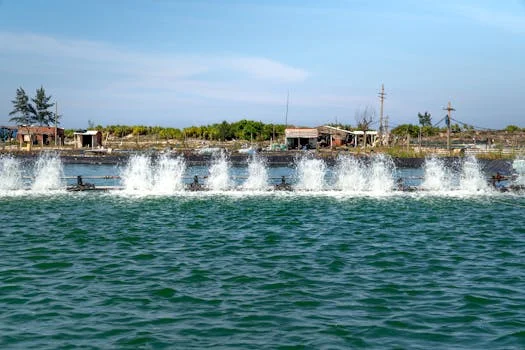
Evaluating sewage treatment equipment performance in the UAE requires a close examination of technical specifications, including removal efficiencies, footprint, and energy consumption, tailored to local effluent standards. Different technologies offer distinct advantages for varying influent characteristics and desired effluent qualities, impacting suitability for industrial or municipal applications.
The following table details the performance metrics of key equipment types offered by various suppliers, providing a practical benchmark for comparison:
| Equipment Type | Supplier | TSS Removal (%) | BOD Removal (%) | Footprint (m²/100 m³/h) | Energy Use (kWh/m³) | Effluent Quality (NTU, mg/L) |
|---|---|---|---|---|---|---|
| Underground WSZ Series | HydropureWater | >95% | >90% | 15-20 (underground) | 0.35 - 0.50 | <10 NTU, BOD <20 mg/L, TSS <30 mg/L |
| MBR System (e.g., Monyin® membrane) | Almasa | >99% | >98% | 10-15 | 0.60 - 0.90 | <1 NTU, BOD <5 mg/L, TSS <2 mg/L |
| DAF System (Micro-bubble technology) | Genoasis | 92-97% (FOG) | 50-70% (FOG-related BOD) | 25-35 | 0.20 - 0.30 | FOG <5 mg/L |
| Chemical Dosing System (Coagulation/Flocculation) | ESISYS | 80-90% | 60-80% | 30-40 | 0.10 - 0.20 | TSS <50 mg/L |
MBR systems, such as those employing Almasa’s Monyin® PVDF membrane, are highly effective for achieving superior effluent quality. These systems can achieve 99.9% pathogen removal, significantly outperforming the 95% removal typically seen with conventional chlorine disinfection, making them critical for treating sensitive wastewater streams like hospital wastewater, as per WHO 2023 guidelines. For detailed insights into these advanced systems, explore our MBR membrane bioreactor for UAE water reuse and high-effluent-quality projects.
Dissolved Air Flotation (DAF) systems, like those from Genoasis featuring micro-bubble technology, are particularly adept at removing fats, oils, and grease (FOG) and suspended solids. These systems can effectively remove 92–97% of FOG at influent concentrations between 50–500 mg/L, making them an ideal high-efficiency DAF system for UAE industrial wastewater pretreatment in food processing and petrochemical facilities, where FOG constitutes a significant challenge. For applications requiring a compact footprint, HydropureWater’s underground WSZ sewage treatment system for space-constrained UAE projects offers a compelling solution. The WSZ Series effectively handles flows from 1 to 80 m³/h, consistently producing effluent with less than 30 mg/L TSS, meeting UAE federal standards. Its anoxic/aerobic (A/O) biological process is engineered to reduce sludge volume by approximately 40% compared to conventional systems, minimizing disposal costs and frequency.
Effective sludge dewatering is another critical component, especially given UAE's high labor costs. Plate-and-frame filter presses, such as those offered by HydropureWater, can achieve 30–40% dry solids content in sludge cake. This is a significant improvement over belt presses, which typically yield only 20–25% dry solids, resulting in reduced sludge volume, lower disposal costs, and better overall cost-benefit for UAE operations.
UAE Project Costs: CAPEX, OPEX, and ROI Timelines
Understanding the total cost of ownership for sewage treatment equipment in the UAE involves a detailed analysis of Capital Expenditure (CAPEX), Operational Expenditure (OPEX), and projected Return on Investment (ROI) timelines. These financial metrics are crucial for procurement managers and project leads when budgeting and comparing suppliers.
The following table provides typical cost benchmarks for various sewage treatment equipment types in the UAE, including key hidden costs:
| Equipment Type | CAPEX (AED/100 m³/h) | OPEX (AED/m³) | ROI (Years) | Hidden Costs |
|---|---|---|---|---|
| MBR System | 3,500,000 – 5,000,000 | 0.60 – 0.90 | 4 – 6 (with water reuse) | Membrane replacement, specialized operator training |
| DAF System | 1,200,000 – 2,000,000 | 0.20 – 0.40 | 2 – 3 (with surcharge reduction) | Chemicals, sludge disposal, air compressor maintenance |
| Underground WSZ System | 1,800,000 – 2,500,000 | 0.35 – 0.55 | 3 – 5 (with space saving) | Excavation, structural support, periodic sludge removal |
| Chemical Dosing System | 500,000 – 900,000 | 0.15 – 0.30 | 1 – 2 | Chemical procurement, storage, safety equipment |
| Sludge Dewatering (Plate-and-Frame Press) | 800,000 – 1,500,000 | 0.10 – 0.25 | 2 – 4 | Filter cloth replacement, polymer, disposal fees |
Capital Expenditure (CAPEX) ranges vary significantly by technology. MBR systems, offering advanced treatment and water reuse capabilities, typically incur CAPEX between AED 3.5M and AED 5M per 100 m³/h capacity. DAF systems, often used for industrial pretreatment, range from AED 1.2M to AED 2M. Underground WSZ systems, while requiring initial civil works, can reduce overall civil costs by approximately 30% compared to equivalent conventional above-ground plants, offering substantial savings on land use and construction. For a broader perspective on project costs, refer to global wastewater treatment plant cost benchmarks and ROI analysis.
Operational Expenditure (OPEX) is primarily driven by energy consumption, which can account for up to 40% of the OPEX for MBR systems. Other significant OPEX drivers include membrane replacement, costing AED 500–800/m² for PVDF membranes every 5–7 years, and chemical dosing, which can add AED 0.15–0.30/m³ for coagulants and flocculants. Regular maintenance and labor also contribute substantially to ongoing costs.
Return on Investment (ROI) timelines for sewage treatment projects in the UAE are increasingly favorable, particularly with water reuse. MBR systems, by enabling the reuse of treated wastewater, can generate savings of approximately AED 1.50/m³ compared to purchasing fresh water from DEWA, leading to payback periods of 4–6 years. DAF systems, by effectively pretreating industrial wastewater, can reduce discharge surcharges imposed by municipal authorities, allowing for faster payback periods of 2–3 years. Additionally, permit costs, including ADQCC approval (AED 20,000–50,000) and DEWA connection fees (AED 100–200/m³/day capacity), typically add 10–15% to the initial CAPEX, representing a crucial hidden cost to factor into project budgets.
How to Select the Right Supplier: A 7-Step Decision Framework
A structured 7-step decision framework is essential for UAE procurement managers and engineers to navigate the complexities of selecting the most appropriate sewage treatment equipment supplier for their industrial or municipal projects. This systematic approach ensures all critical factors, from regulatory compliance to long-term operational viability, are thoroughly evaluated.
- Define Effluent Standards: Clearly establish the required effluent quality based on local regulations. This may involve ADQCC standards for Abu Dhabi, DEWA regulations for Dubai, or specific client-mandated parameters. For instance, UAE hospital wastewater treatment standards and equipment selection often requires a stringent BOD of less than 10 mg/L, as stipulated by the UAE Ministry of Health in 2024, demanding advanced tertiary treatment.
- Match Equipment to Influent Characteristics: Analyze the raw wastewater's composition, including BOD, TSS, FOG, and salinity. For high FOG content (e.g., >200 mg/L) common in food processing, a DAF system is highly effective for pretreatment. For space-constrained sites or projects requiring high-quality effluent for reuse, an MBR system is often the optimal choice.
- Evaluate Supplier Certifications and Approvals: Verify that potential suppliers hold relevant certifications (e.g., ISO 9001 for quality management, ISO 14001 for environmental management, OHSAS 18001 for occupational health and safety). Crucially, confirm if they possess ADQCC-approved supplier status, especially for projects in Abu Dhabi. As of 2024, only three suppliers in the UAE are officially approved for hospital wastewater treatment projects, underscoring the importance of this specific accreditation.
- Assess Local Service Capabilities: Investigate the supplier's local presence, including their response time for emergencies, availability of spare parts inventory within the UAE, and the expertise of their local technical support team. A significant red flag is a supplier relying heavily on overseas support for critical components like MBR membranes or specialized pumps, which can lead to prolonged downtime and increased operational risks.
- Request Pilot Testing: For projects exceeding 500 m³/h capacity or those with complex influent characteristics, request a pilot testing phase. Suppliers should offer 1–3 month trials to demonstrate actual performance under site-specific conditions, providing empirical data on removal efficiencies, energy consumption, and effluent quality before full-scale commitment.
- Compare Total Cost of Ownership (TCO): Look beyond the initial CAPEX and consider the full TCO, which includes OPEX (energy, chemicals, labor, membrane replacement), maintenance costs, and potential hidden costs like permit fees and sludge disposal. Utilize the cost benchmarks provided in the previous section to conduct a comprehensive financial comparison.
- Negotiate Performance Guarantees: Secure robust performance guarantees within the contract. These should include specific metrics such as 90% uptime, 95% TSS removal, and adherence to all effluent quality parameters. Incorporate clauses for liquidated damages in case of non-compliance, ensuring accountability and mitigating risks for the project owner.
Frequently Asked Questions
Procurement teams and environmental engineers frequently ask specific questions regarding sewage treatment equipment selection, costs, and maintenance in the UAE, especially when evaluating options for 2025 tenders. Here are some common inquiries with data-backed answers:
Q: What’s the best sewage treatment equipment for a small hotel in Dubai?
A: For small hotels or commercial buildings in Dubai with limited space, an underground WSZ sewage treatment system for space-constrained UAE projects (e.g., HydropureWater WSZ Series) is highly recommended. These integrated units handle flows from 1–20 m³/h, produce effluent with less than 30 mg/L TSS meeting local discharge standards, require no full-time operator, and can be installed discreetly beneath parking lots or green areas. CAPEX for a 10 m³/h plant typically ranges from AED 500,000–900,000 in 2025, offering a compact and efficient solution.
Q: How much does it cost to install a DAF system in Abu Dhabi?
A: A high-efficiency DAF system, such as those offered by Genoasis, for a 100 m³/h industrial application in Abu Dhabi, generally costs between AED 1.2M–2M. This estimate includes the equipment, installation, and essential ADQCC approval processes. The OPEX for such a system typically ranges from AED 0.20–0.40/m³, primarily driven by energy consumption for the air compressor and chemical coagulants.
Q: Can MBR systems handle high-salinity wastewater in UAE?
A: Yes, MBR systems can handle moderate levels of salinity. Specifically, PVDF (Polyvinylidene Fluoride) membranes, like Almasa’s Monyin® membranes, are robust and can tolerate Total Dissolved Solids (TDS) concentrations up to 10,000 mg/L without significant performance degradation. However, for extremely high-salinity wastewater (>15,000 mg/L TDS), such as desalination brine or certain industrial effluents, pre-treatment with technologies like Reverse Osmosis (RO) may be necessary to protect the MBR system and ensure optimal performance.
Q: What are the maintenance requirements for sewage treatment equipment in UAE?
A: Maintenance varies by technology. MBR systems require monthly chemical enhanced backwash or cleaning-in-place (CIP) for membranes, costing approximately AED 5,000–10,000 per month for a 500 m³/h plant, plus membrane replacement every 5–7 years. DAF systems typically need weekly adjustments of skimmers and sludge scraping, with an estimated monthly cost of AED 2,000 for labor and minor parts. Underground WSZ systems are relatively low-maintenance, requiring quarterly sludge removal (around AED 1,500 per month) and periodic checks of blowers and pumps.
Q: Which UAE suppliers offer financing for sewage treatment projects?
A: For larger projects exceeding AED 2M, several established suppliers, including Almasa and Al-Mansoori Environmental Technologies, offer financing solutions. These typically include 3–5 year leasing options or deferred payment plans, with interest rates generally ranging from 6–8% based on prevailing market conditions in 2025. It is advisable to discuss financing terms early in the procurement process.