Morocco’s 2025 Wastewater Treatment Landscape: Regulations, Market Trends & Projected Demand
Morocco’s wastewater treatment infrastructure is undergoing significant expansion, driven by stringent regulations and an increasing focus on water resource management. By 2025, all municipal wastewater discharge must comply with Law 10-95 (the Water Code), meeting specific effluent standards: less than 30 mg/L BOD, less than 90 mg/L COD, and less than 35 mg/L TSS. For industrial facilities, sector-specific limits are enforced, such as the <50 mg/L COD requirement for textile operations. This regulatory push is supported by a national wastewater program valued at US$5.6 billion (2020–2030), which aims to establish over 1,000 new treatment plants, with a notable 50% of these designated for rural areas. The Moroccan Ministry of Equipment, Transport, Logistics and Water (2024) highlights these critical standards. Compounding these efforts is the escalating impact of climate change; the World Bank (2023) projects a 30% increase in water scarcity by 2030, intensifying the demand for treated wastewater suitable for reuse in applications like irrigation and industrial process water. Simultaneously, industrial growth, particularly in Agadir's textile and agro-industrial zones, is expanding at an estimated 8% annually, necessitating over 200 new package wastewater treatment plants by 2027, according to the Moroccan Investment and Export Development Agency (2024). Financial support is available through mechanisms like Green Climate Fund grants, which can cover up to 70% of costs for rural projects, and competitive loans from institutions such as the Moroccan Bank for Commerce and Industry (BMCI), offering rates as low as 4.5% for small and medium-sized enterprises (SMEs).
| Parameter | Municipal Discharge Standard (Law 10-95) | Textile Industry Standard (Example) | Food Processing Standard (Example) | Rural Project Financing | SME Financing |
|---|---|---|---|---|---|
| BOD (mg/L) | < 30 | N/A | < 120 | N/A | N/A |
| COD (mg/L) | < 90 | < 50 | N/A | N/A | N/A |
| TSS (mg/L) | < 35 | N/A | N/A | N/A | N/A |
| National Program Investment | US$5.6 Billion (2020-2030) | 50% of new plants in rural areas | N/A | ||
| Water Scarcity Projection | 30% increase by 2030 | N/A | N/A | ||
| Industrial Growth (Agadir) | 8% annual | N/A | N/A | ||
| Financing (Green Climate Fund) | Up to 70% for rural projects | N/A | N/A | ||
| Financing (BMCI Loan APR) | 4.5% for SMEs | N/A | N/A | ||
Package Wastewater Treatment Plants: How They Work and When to Use Them in Morocco
Package wastewater treatment plants are prefabricated, self-contained systems designed for efficient on-site treatment of wastewater. These modular units integrate essential treatment processes, including screening, biological treatment, sedimentation, and disinfection, within a single, compact structure. They are typically available with capacities ranging from 10 to 500 cubic meters per day (m³/day), making them ideal for a variety of decentralized applications. Key components often include anoxic/oxic (A/O) tanks for biological nutrient removal, which typically operate with a hydraulic retention time (HRT) of 4 to 6 hours, or Membrane Bioreactor (MBR) systems employing membranes with a pore size of 0.1 micrometers for advanced purification. Dissolved Air Flotation (DAF) units, used for separating solids and oils, usually require a flotation time of 10 to 15 minutes. In Morocco, these plants are particularly suited for hotels in Marrakech (50–200 m³/day), rural clinics (10–30 m³/day), textile factories in Agadir (100–300 m³/day), and campgrounds in the Atlas Mountains (20–50 m³/day). Compared to conventional, site-built wastewater treatment facilities, package plants offer significant advantages: installation times are reduced by 30–50%, capital expenditure (CAPEX) can be 20–40% lower, and their footprint is 15–25% smaller, as per EPA benchmarks (2023). However, they are generally not suitable for treating flows exceeding 500 m³/day or for highly saline wastewater streams, such as desalination brine.
For smaller-scale, integrated solutions, HydropureWater offers the WSZ series package plants for Morocco’s rural and urban projects. For applications demanding high-quality effluent suitable for reuse, our MBR systems for Morocco’s reuse-quality effluent needs provide advanced treatment capabilities.
Technology Comparison: MBR vs. DAF vs. Conventional A/O for Morocco’s Climate and Wastewater
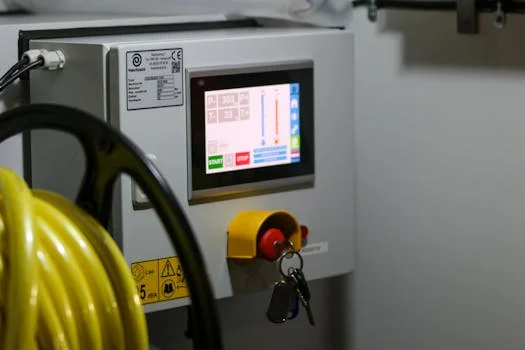
Selecting the appropriate package wastewater treatment technology is crucial for meeting Morocco's stringent effluent standards and adapting to local conditions. Membrane Bioreactor (MBR) systems excel in producing high-quality effluent, achieving over 99% removal of Total Suspended Solids (TSS), 95% BOD removal, and significant COD reduction. Their compact footprint, approximately 30% smaller than other technologies, makes them ideal for space-constrained sites. However, MBR systems have a higher CAPEX, ranging from MAD 8,000 to 12,000 per cubic meter of treated water, and their performance can be affected by Morocco’s high ambient temperatures, potentially reducing membrane lifespan by 15–20%. Dissolved Air Flotation (DAF) systems are highly effective for wastewater with high concentrations of oils, grease, and suspended solids, offering 90–95% TSS removal and 80–85% BOD removal. With a CAPEX between MAD 5,000 and 8,000/m³, they are a cost-effective option for industries like food processing and textiles. DAF systems may require up to 20% more energy in humid coastal areas due to increased operational demands. Conventional Anoxic/Oxic (A/O) systems represent the most budget-friendly option, with a CAPEX of MAD 3,000 to 6,000/m³, and are well-suited for municipal sewage and rural applications where budget is a primary constraint, typically achieving 85–90% BOD removal and 70–80% COD removal. While less advanced, they offer robustness and lower operational complexity.
| Technology | TSS Removal (%) | BOD Removal (%) | COD Removal (%) | Footprint (m²/m³) | Energy Consumption (kWh/m³) | CAPEX (MAD/m³) | OPEX (MAD/m³/yr) | Morocco-Specific Pros | Morocco-Specific Cons |
|---|---|---|---|---|---|---|---|---|---|
| MBR | > 99 | 95 | 85+ | 0.05 - 0.1 | 1.5 - 3.0 | 8,000 - 12,000 | 200 - 400 | High reuse quality effluent, compact footprint | Higher CAPEX, sensitive to high temperatures (15-20% lifespan reduction) |
| DAF | 90 - 95 | 80 - 85 | 70 - 80 | 0.1 - 0.2 | 1.0 - 2.0 | 5,000 - 8,000 | 150 - 300 | Effective for high solids/FOG, moderate CAPEX | Higher energy use in humid coastal areas (+20%), not ideal for low-solids wastewater |
| Conventional A/O | 85 - 90 | 85 - 90 | 70 - 80 | 0.2 - 0.4 | 0.8 - 1.5 | 3,000 - 6,000 | 100 - 250 | Lowest CAPEX, robust, simple operation | Lower effluent quality compared to MBR/DAF, larger footprint |
For advanced treatment and water reuse applications, consider our MBR systems for Morocco’s reuse-quality effluent needs. For industrial wastewater with high solids or grease content, our DAF systems for Morocco’s industrial wastewater (textile, food processing) are a strong solution.
Cost Breakdown: Package Wastewater Treatment Plants in Morocco (2025 Data)
Accurate budgeting for package wastewater treatment plants in Morocco requires a clear understanding of both capital expenditure (CAPEX) and operational expenditure (OPEX). CAPEX typically comprises 60% for the equipment itself, 20% for civil works, 10% for installation, 5% for commissioning, and 5% for operator training. On an annual basis, OPEX is distributed as 30% for energy, 25% for chemicals, 20% for labor, 15% for maintenance, and 10% for spare parts. For a 100 m³/day MBR system, the total CAPEX can range from MAD 800,000 to MAD 1,200,000. Local labor rates in Morocco average MAD 120–180 per hour, and import duties on non-EU equipment are approximately 17.5%. Financing options are available, with loans from local banks typically carrying Annual Percentage Rates (APR) between 4.5% and 6.5%. Beyond the core equipment and installation costs, potential hidden costs include permitting fees (MAD 50,000–200,000), soil testing (MAD 20,000–50,000), and a contingency fund of 10–15% of the total CAPEX. For a 100 m³/day MBR system installed in a Marrakech hotel, a realistic Return on Investment (ROI) calculation might show a payback period of approximately 4.5 years, driven by annual savings from water reuse (estimated at MAD 300,000) and avoided regulatory fines (estimated at MAD 150,000 per year).
| Capacity (m³/day) | Estimated CAPEX Range (MAD) | Estimated Annual OPEX Range (MAD/m³/yr) | ||||
|---|---|---|---|---|---|---|
| MBR | DAF | A/O | MBR | DAF | A/O | |
| 10 | 80,000 - 120,000 | 50,000 - 80,000 | 30,000 - 60,000 | 200 - 400 | 150 - 300 | 100 - 250 |
| 50 | 400,000 - 600,000 | 250,000 - 400,000 | 150,000 - 300,000 | 200 - 400 | 150 - 300 | 100 - 250 |
| 100 | 800,000 - 1,200,000 | 500,000 - 800,000 | 300,000 - 600,000 | 200 - 400 | 150 - 300 | 100 - 250 |
| 200 | 1,600,000 - 2,400,000 | 1,000,000 - 1,600,000 | 600,000 - 1,200,000 | 200 - 400 | 150 - 300 | 100 - 250 |
| 500 | 4,000,000 - 6,000,000 | 2,500,000 - 4,000,000 | 1,500,000 - 3,000,000 | 200 - 400 | 150 - 300 | 100 - 250 |
Morocco’s Compliance Requirements: Permits, Effluent Standards & Inspection Checklist
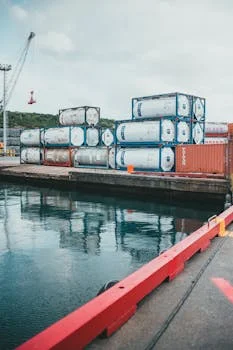
Navigating Morocco’s regulatory framework is essential to avoid costly fines and project delays. The permitting process typically involves an Environmental Impact Assessment (EIA) submitted to the Ministry of Environment, followed by a water discharge permit application to the relevant River Basin Agency, and finally, municipal approval. This process can take between 6 to 12 months. Beyond the general Law 10-95 standards, specific industries face tailored effluent limits: the textile sector must adhere to less than 50 mg/L COD, food processing plants have limits around 120 mg/L BOD, and for hospitals, fecal coliform counts should not exceed 100 CFU/100 mL. Regular inspections ensure compliance, often requiring facilities to maintain daily logbooks, conduct monthly laboratory tests for key parameters like BOD, COD, and TSS, and perform annual membrane integrity tests for MBR systems. Failure to comply with Law 10-95, as stipulated in Article 56, can result in penalties ranging from fines up to MAD 500,000 to complete plant shutdown. A notable case in 2023 saw an Agadir textile factory fined MAD 250,000 for exceeding COD discharge limits, a situation resolved through the installation of a DAF system.
Supplier Evaluation Checklist: How to Select a Package Plant Vendor in Morocco
Selecting the right package wastewater treatment plant supplier is a critical decision that impacts long-term performance, cost-effectiveness, and regulatory compliance. A comprehensive evaluation framework should include assessing the vendor's local presence, such as an established office in Morocco, and their ability to provide prompt spare parts delivery, ideally within 48 hours to meet Morocco’s stringent uptime requirements. Key evaluation points include: adherence to international standards like ISO 14001 and CE certifications, a proven track record with specific case studies in Morocco, availability of robust after-sales support including a 24/7 hotline, and comprehensive operator training programs that can lead to certification. It is also important to inquire about flexible financing options, realistic lead times for equipment delivery, the vendor's capacity for customization to adapt to local wastewater characteristics, and the availability of references from at least three Moroccan clients. Red flags to watch for include a lack of local distribution, vague performance guarantees, no references in Morocco, or non-compliance with Law 10-95. A comparative table of potential suppliers, assessing CAPEX, OPEX, lead time, local support, and a compliance score, can be invaluable. When negotiating contracts, consider bundling equipment and installation for a potential 10% discount, securing a 5-year spare parts contract, and requiring a performance bond equivalent to 5% of the contract value.
| Evaluation Criteria | Score (1-5) | Vendor A: HydropureWater Env. | Vendor B: Veolia Morocco | Vendor C: Local Distributor X |
|---|---|---|---|---|
| Local Presence (Office in Morocco) | 5 = Excellent, 1 = Poor | 5 | 5 | 3 |
| Spare Parts Delivery (48-hr target) | 5 = Excellent, 1 = Poor | 5 | 4 | 2 |
| Compliance Certifications (ISO, CE) | 5 = Excellent, 1 = Poor | 5 | 5 | 3 |
| Morocco-Specific Case Studies | 5 = Excellent, 1 = Poor | 4 | 5 | 2 |
| After-Sales Support (24/7 Hotline) | 5 = Excellent, 1 = Poor | 4 | 5 | 3 |
| Operator Training & Certification | 5 = Excellent, 1 = Poor | 4 | 4 | 3 |
| Financing Options (Leasing, Installments) | 5 = Excellent, 1 = Poor | 3 | 4 | 2 |
| Lead Time (Weeks) | 5 = Fastest, 1 = Slowest | 10 | 12 | 16 |
| Customization Capability | 5 = Excellent, 1 = Poor | 4 | 4 | 3 |
| References (Moroccan Clients) | 5 = Excellent, 1 = Poor | 5 | 5 | 3 |
| Total Score | 44 | 46 | 27 |
Procurement Roadmap: Step-by-Step Guide to Buying a Package Plant in Morocco
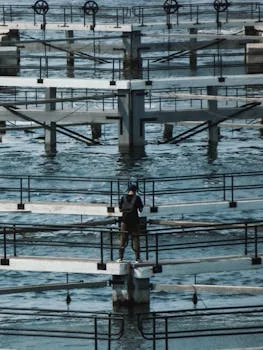
The procurement of a package wastewater treatment plant in Morocco follows a structured process to ensure successful project execution. Begin by clearly defining project requirements, including flow rate, influent wastewater characteristics (e.g., BOD, COD, TSS levels), and the desired effluent quality standards. Utilize the technology comparison tables within this guide to select the most appropriate treatment technology (MBR, DAF, or A/O). Subsequently, request detailed quotes from three to five shortlisted suppliers, ensuring these proposals include CAPEX, OPEX estimates, projected lead times, compliance certifications, and specifics on local support. A crucial step involves conducting a thorough site assessment, which includes soil testing and evaluating space constraints, as well as power and water availability; this typically costs between MAD 20,000 and MAD 50,000. Initiate the permitting process early, engaging a local environmental consultant (budget MAD 80,000–150,000) to navigate the EIA, water discharge permit, and municipal approval stages, a process that can span 6 to 12 months. Once permits are secured, proceed to contract negotiation, paying close attention to payment terms, performance guarantees, and penalties for project delays. Installation and commissioning of the package plant usually take between 4 to 12 weeks, during which comprehensive operator training (3–5 days) is essential. Post-installation, budget for ongoing operational costs, including monthly lab tests and an annual maintenance contract, which typically amounts to 5–10% of the CAPEX annually.
Frequently Asked Questions
What are the primary regulations governing wastewater treatment in Morocco for 2025?
Morocco's wastewater treatment is governed by Law 10-95 (the Water Code). For municipal discharge in 2025, effluent standards require less than 30 mg/L BOD, 90 mg/L COD, and 35 mg/L TSS. Industrial facilities must meet sector-specific limits.
What is the typical cost range for a package wastewater treatment plant in Morocco?
For package plants with capacities from 10 to 500 m³/day, CAPEX can range from approximately MAD 2 million for a small MBR system to MAD 15 million for a larger DAF combined with a biological treatment system. OPEX varies but typically includes energy, chemicals, labor, and maintenance.
How do MBR and DAF technologies compare for Morocco’s climate?
MBR systems provide high-quality effluent but can be affected by high temperatures, potentially reducing membrane lifespan by 15–20%. DAF systems are effective for solids and oils but may consume 20% more energy in humid coastal areas.
What are the key industrial wastewater standards in Morocco?
While Law 10-95 sets general standards, specific industries have tailored limits. For example, the textile industry faces a COD limit of <50 mg/L, and food processing plants have BOD limits around <120 mg/L.
How can I evaluate wastewater treatment suppliers in Morocco?
Use a checklist that assesses local presence, spare parts availability (48-hour delivery target), compliance certifications, relevant case studies in Morocco, after-sales support, operator training, financing options, lead times, customization capabilities, and client references. HydropureWater's commitment to these factors ensures reliable solutions.
What are the main steps in the package plant procurement process in Morocco?
The process involves defining requirements, selecting technology, requesting quotes, conducting site assessments, securing permits (EIA, discharge permit), negotiating contracts, and managing installation and commissioning, followed by ongoing operation and maintenance.
Are there specific water reuse standards in Morocco?
While Morocco is actively promoting water reuse, specific standards are often defined by the intended application (e.g., irrigation, industrial cooling). MBR technology is particularly well-suited for achieving the high effluent quality required for many reuse scenarios.
What is the typical lead time for a package wastewater treatment plant in Morocco?
Lead times can vary significantly based on the supplier, system complexity, and current manufacturing schedules. Generally, expect lead times ranging from 10 to 16 weeks from order confirmation to delivery, excluding permitting and installation phases.