Taiwan’s MBR wastewater treatment systems deliver near-reuse-quality effluent (<1 mg/L TSS, <5 mg/L BOD) with a 60% smaller footprint than conventional activated sludge systems. In 2025, capital costs range from NT$ 1.2M for a 10 m³/day unit to NT$ 8.5M for 500 m³/day, with 20–30% energy savings over traditional systems (per Xylem Taiwan data). Key applications include semiconductor, petrochemical, and food processing plants, where MBR’s ultrafiltration membranes (0.1–0.4 μm) meet Taiwan EPA’s strict COD (<100 mg/L) and ammonia nitrogen (<10 mg/L) limits.
Why Taiwan’s Industries Are Switching to MBR Systems in 2025
Taiwan EPA’s 2025 discharge limits require industrial facilities to maintain COD levels below 100 mg/L, ammonia nitrogen under 10 mg/L, and TSS under 30 mg/L, driving a nationwide shift toward high-efficiency filtration. For a semiconductor plant manager in Hsinchu or an EPC contractor in Kaohsiung, the primary frustration often stems from land scarcity. Traditional clarifiers and sand filters occupy massive footprints that modern urban factories simply cannot afford. A case study from a Hsinchu-based semiconductor plant demonstrated that switching from Conventional Activated Sludge (CAS) to a Membrane Bioreactor (MBR) reduced the treatment footprint by 70% while consistently meeting the most stringent COD limits (per UNISOL MYTEX data).
The economic pressure of water scarcity in Taiwan also makes MBR technology the logical choice. MBR effluent quality typically meets the stringent RO (Reverse Osmosis) inlet standards, which allows for 70–80% water recycling rates for cooling towers or non-potable process water. In 2024, LCY’s Kaohsiung Plant, operating at 1,000 CMD, proved that domestic MBR systems could sustain long-term operations while facilitating industrial reuse. energy efficiency has improved significantly; Xylem Taiwan’s MBR solutions have demonstrated a 20% reduction in energy consumption compared to older biological systems by optimizing aeration through high-efficiency blowers and smart control logic.
For engineers evaluating Taiwan’s industrial wastewater treatment standards and equipment options, MBR offers a "future-proof" solution. As the EPA moves toward even stricter nitrogen and phosphorus limits in sensitive watersheds, the high Mixed Liquor Suspended Solids (MLSS) concentrations possible in MBR tanks (8,000–12,000 mg/L) provide the biological resilience needed to handle toxic shocks and fluctuating organic loads common in the petrochemical and pharmaceutical sectors.
How MBR Systems Work: Taiwan-Specific Process Parameters
Membrane bioreactors in Taiwan typically utilize PVDF (Polyvinylidene Fluoride) or PTFE (Polytetrafluoroethylene) ultrafiltration membranes with pore sizes ranging from 0.1 to 0.4 μm to achieve high-flux performance. The process flow begins with influent entering an anoxic tank for denitrification, followed by an aerobic MBR tank where biological degradation and physical filtration occur simultaneously. Unlike CAS, which relies on gravity in a clarifier, MBR uses vacuum pressure to pull treated water through the membrane fibers, leaving all solids and most pathogens behind.
Engineering parameters for Taiwan projects must account for the local climate and high organic concentrations. Typical Hydraulic Retention Times (HRT) range from 4 to 8 hours, while Solids Retention Times (SRT) are maintained between 15 and 30 days. This long SRT allows for the growth of nitrifying bacteria, which is essential for meeting the <10 mg/L ammonia nitrogen limit. To prevent membrane fouling, DF series PVDF flat sheet membranes for submerged MBR utilize air scouring at rates of 0.2–0.5 Nm³/m²/h. This continuous aeration creates turbulence that physically "scrubs" the membrane surface, extending the interval between chemical cleanings (CIP).
Taiwan’s subtropical climate, with average wastewater temperatures ranging from 25°C to 35°C, significantly impacts biological kinetics and membrane permeability. Higher temperatures generally reduce fluid viscosity, increasing flux, but they also require precise dissolved oxygen (DO) management to prevent sludge bulking. Sludge production in these systems is notably lower than CAS, typically 0.2–0.4 kg TSS per kg of BOD removed, which reduces the cost of sludge dewatering and disposal—a major expense in Taiwan’s industrial zones.
| Parameter | MBR Specification (Taiwan Standard) | Effluent Quality Goal |
|---|---|---|
| Membrane Material | PVDF (Reinforced) or PTFE | TSS < 1 mg/L |
| Pore Size | 0.1 – 0.4 μm (Ultrafiltration) | Turbidity < 0.5 NTU |
| MLSS Concentration | 8,000 – 12,000 mg/L | BOD < 5 mg/L |
| Aeration Scouring Rate | 0.2 – 0.5 Nm³/m²/h | COD < 30 mg/L |
| Design Flux | 15 – 25 LMH (L/m²/h) | Ammonia Nitrogen < 5 mg/L |
For high-capacity industrial projects, HydropureWater’s PVDF MBR system for Taiwan projects integrates these parameters into a compact, skid-mounted unit that simplifies installation for EPC firms working under tight deadlines.
MBR vs. MBBR vs. Conventional Activated Sludge: Taiwan Cost Comparison 2025
Capital costs for MBR systems in Taiwan for 2025 range from NT$ 1.2M to NT$ 8.5M depending on daily capacity, representing a 40–60% higher initial investment than conventional sludge systems. However, procurement managers must weigh this against the footprint and effluent quality advantages. While a CAS system may cost only NT$ 0.5M–4M for the same capacity, it requires three times the land area and cannot achieve reuse-quality water without secondary sand filtration and ultrafiltration steps.
Operational and Maintenance (O&M) costs for MBR are typically NT$ 0.8–1.5 per cubic meter of water treated. This is higher than MBBR (Moving Bed Biofilm Reactor) or CAS due to the energy required for membrane scouring and the eventual cost of membrane replacement. Membrane modules, usually made of PVDF, require replacement every 5 to 8 years at a cost of NT$ 200–400 per square meter. Despite these costs, MBR’s ability to produce RO-ready water allows factories to save on water tariffs, which in Taiwan range from NT$ 15–30/m³, effectively offsetting the higher O&M over a 3-to-5-year period.
A detailed MBR vs. MBBR vs. CAS comparison for Taiwan projects reveals that MBR is the superior choice for the semiconductor and pharmaceutical industries where discharge limits are non-negotiable. MBBR remains a strong candidate for food processing plants with moderate limits, while CAS is largely relegated to large-scale municipal projects where land is readily available and discharge standards are less stringent.
| Feature | MBR (Membrane Bioreactor) | MBBR (Moving Bed Biofilm Reactor) | CAS (Conventional Sludge) |
|---|---|---|---|
| Capital Cost (500 CMD) | NT$ 6.5M – 8.5M | NT$ 4.5M – 6.0M | NT$ 2.5M – 4.0M |
| O&M Cost (per m³) | NT$ 0.8 – 1.5 | NT$ 0.5 – 1.2 | NT$ 0.3 – 0.8 |
| Footprint (m²/m³) | 0.5 – 1.0 | 1.0 – 2.0 | 2.0 – 4.0 |
| Effluent Quality | Reuse Quality (<1 NTU) | Secondary (<15 NTU) | Secondary (<20 NTU) |
| Energy Use (kWh/m³) | 0.6 – 1.2 | 0.4 – 0.8 | 0.3 – 0.6 |
Taiwan’s MBR Compliance Standards: Meeting EPA and Local Discharge Limits
Taiwan EPA 2025 discharge limits for industrial wastewater mandate COD <100 mg/L and TSS <30 mg/L, standards that MBR systems consistently exceed with near-zero suspended solids. In specific regions like Taipei City, local regulations are even stricter, often requiring COD levels below 80 mg/L for new industrial developments. MBR systems are uniquely suited for these environments because the physical barrier of the membrane ensures that even if biological upsets occur, the effluent remains clear of suspended solids.
For facilities pursuing water reclamation, the effluent must align with Taiwan’s CNS 12548 standards for industrial reuse. This typically requires a Silt Density Index (SDI) of less than 3 and turbidity below 1 NTU to protect downstream RO membranes from fouling. MBR technology serves as the ideal pre-treatment for RO, as seen in a petrochemical plant in Miaoli that successfully met a COD <80 mg/L limit while reclaiming 75% of its process water using a combined MBR and RO system (source: LCY case study).
The permitting process in Taiwan also favors MBR for large-scale projects. Any plant treating more than 1,000 CMD is subject to Environmental Impact Assessment (EIA) requirements. Because MBR systems minimize sludge production and chemical usage, they often face a smoother approval timeline (typically 3–6 months) compared to traditional chemical-heavy treatment plants. Engineers must ensure that the MBR vendor provides all necessary documentation for Taiwan EPA approval, including membrane integrity test protocols and biological stability data.
MBR System Cost Breakdown for Taiwan Projects: 2025 Data
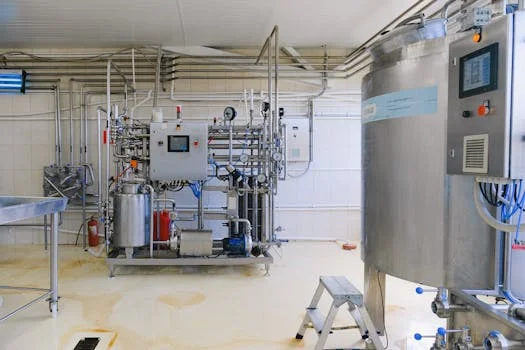
Membrane modules account for approximately 40% of the total capital expenditure in a Taiwan-based MBR project, with replacement cycles occurring every 5 to 8 years. The remaining CAPEX is distributed among concrete or stainless steel tanks (20%), high-efficiency aeration systems (15%), automated control systems (10%), and site installation (15%). For a standard 100 m³/day plant, the total investment usually falls between NT$ 2.5M and NT$ 4M, depending on the complexity of the influent (e.g., high-strength industrial vs. municipal).
Operational costs are heavily weighted toward energy consumption, which represents 50% of the monthly budget. This energy is primarily used for the air blowers that provide oxygen to the biomass and scouring air to the membranes. Membrane replacement reserves should account for 20% of the O&M budget, with chemicals (for CIP), labor, and general maintenance making up the remainder. To improve ROI, many Taiwanese firms are now utilizing green loans with interest rates as low as 2–3%, or applying for Taiwan EPA subsidies that can cover up to 30% of the capital cost for water reuse infrastructure.
| Cost Category | Percentage of CAPEX | Percentage of OPEX |
|---|---|---|
| Membrane Modules | 40% | 20% (Replacement fund) |
| Energy (Electricity) | -- | 50% |
| Tanks & Civil Works | 20% | -- |
| Aeration & Blowers | 15% | 10% (Maintenance) |
| Chemicals (CIP) | -- | 10% |
| Controls & Labor | 25% (Combined) | 10% |
The Return on Investment (ROI) for an MBR system in Taiwan is typically achieved within 3 to 5 years when water reuse is implemented. By avoiding the purchase of raw water (NT$ 15–30/m³) and reducing discharge fees, a 500 CMD plant can save over NT$ 2.5M annually in operational expenses.
Top 5 MBR System Suppliers in Taiwan: 2025 Checklist for Buyers
Evaluating MBR suppliers in Taiwan requires a weighted analysis of local manufacturing capabilities, membrane material durability, and 24/7 technical support availability. For EPC contractors, the ability of a supplier to provide local engineering support is often more critical than the initial purchase price, as membrane fouling issues require immediate on-site troubleshooting to avoid plant downtime.
- LCY (Lee Chang Yung): A top choice for "Made in Taiwan" PVDF membranes. With over 14 major projects, including their own Kaohsiung plant, they offer excellent domestic support and customized skids.
- Xylem Taiwan: Known for high-efficiency global MBR systems. Their focus is on energy savings (averaging 20%) and they are frequently specified in semiconductor and pharmaceutical projects.
- UNISOL MYTEX: Specialists in the semiconductor industry. They excel at meeting strict COD and ammonia nitrogen limits with high-flux membrane designs.
- CTCI & Sinotech: While primarily EPC firms, these companies partner with global membrane brands to provide turnkey MBR solutions for municipal and large-scale industrial zones.
| Evaluation Criterion | Weight | Selection Framework |
|---|---|---|
| Local Support/Service | 30% | Does the vendor have a Taiwan-based technical team? |
| Membrane Lifespan | 25% | Is the warranty 5+ years? (PVDF vs PTFE) |
| Compliance Track Record | 20% | Have they met Taiwan EPA 2025 limits in similar plants? |
| Energy Efficiency | 15% | What is the kWh/m³ rating for the full system? |
| Total Lifecycle Cost | 10% | Does the 10-year ROI justify the CAPEX? |
Frequently Asked Questions
Which is better for Taiwan’s semiconductor industry: MBR or MBBR?
MBR is preferred for its <1 mg/L TSS effluent and 60% smaller footprint, which are critical for urban plants in Hsinchu or Tainan. While MBBR is cheaper, it requires significant post-treatment to meet the reuse standards required by semiconductor fabs.
What is the typical cost of an MBR system in Taiwan for a 100 m³/day plant?
The capital cost in 2025 typically ranges from NT$ 2.5M to NT$ 4M, covering installation, membranes, and controls. Operational costs generally fall between NT$ 0.8 and NT$ 1.5 per cubic meter.
How does Taiwan’s climate affect MBR performance?
Taiwan’s high wastewater temperatures (25–35°C) increase membrane permeability but require careful aeration management (0.2–0.5 Nm³/m²/h) to maintain oxygen transfer efficiency and prevent biological sludge bulking.
What are the leading water treatment companies offering MBR systems in Taiwan?
Key suppliers include LCY, Xylem Taiwan, and UNISOL MYTEX, along with major EPC firms like CTCI and Sinotech that handle large-scale industrial integration.
What is the difference between MBR and MBBR in a Sewage Treatment Plant (STP)?
MBR uses physical membrane filtration to produce near-reuse-quality effluent (COD <50 mg/L), whereas MBBR uses plastic biofilm carriers for secondary treatment. MBR is the standard for plants requiring water recycling or facing strict discharge limits.