A package wastewater treatment plant in Jalisco is a compact, pre-fabricated system (typically 1–80 m³/h) designed for rapid deployment in space-constrained industrial or municipal sites. By 2025, these plants must comply with NOM-001-SEMARNAT (e.g., BOD ≤ 30 mg/L, TSS ≤ 40 mg/L) and local Jalisco regulations, with costs ranging from MXN 1.2M for a 10 m³/h unit to MXN 15M for a 100 m³/h MBR system. Key advantages include 60% smaller footprint than conventional plants and 30% faster installation, but suppliers must provide NOM-certified effluent testing reports for Jalisco’s environmental authorities (PROEPA).
Why Jalisco’s Industries and Municipalities Are Turning to Package Wastewater Treatment Plants
Jalisco’s water stress index reached 4.8/5 in 2024 according to CONAGUA, placing the state among the most water-critical regions in Mexico. For engineering managers in Guadalajara’s industrial corridors, this scarcity is no longer just an environmental concern but a primary operational risk. Conventional wastewater treatment plants, which often require expansive civil works and large footprints, are increasingly unfeasible in high-density areas like the Parque Industrial El Salto, where available land for utilities is often restricted to less than 200 m².
Regulatory pressure has shifted the focus from voluntary ESG goals to strict legal mandates. PROEPA has signaled 2025 as a critical enforcement year for NOM-001-SEMARNAT-2021. Industrial facilities found discharging non-compliant effluent into federal or state water bodies face fines reaching up to MXN 5M. This regulatory pressure is particularly acute for the state’s iconic tequila industry. In 2024, a distillery in Arandas successfully mitigated these risks by replacing a failing lagoon system with a 50 m³/h WSZ series package plant for Jalisco’s space-constrained sites. The distillery reduced its treatment footprint by 70%, managing an influent BOD of 1,200 mg/L and delivering an effluent BOD of less than 30 mg/L, fully compliant with new federal standards.
Municipalities are also pivoting toward decentralized package solutions. In rural communities near Lagos de Moreno with populations around 20,000, traditional centralized infrastructure is often too costly to maintain. Package plants designed for flows under 500 m³/day provide a modular alternative that can be scaled as the community grows, ensuring that municipal sewage treatment in Jalisco meets environmental standards without the massive capital outlay of a regional facility.
Package Wastewater Treatment Plant Engineering: How Compact Systems Meet Jalisco’s Effluent Standards
MBR (Membrane Bioreactor) systems deliver effluent quality with BOD levels under 10 mg/L and TSS below 5 mg/L, significantly exceeding the baseline requirements of NOM-001-SEMARNAT. For engineers evaluating package plants, the choice between WSZ series (Anoxic/Oxic + Sedimentation), MBR, and Dissolved Air Flotation (DAF) depends entirely on the influent characteristics and the required footprint.
The WSZ series is the workhorse for municipal-strength wastewater (50–500 mg/L BOD), utilizing a biological process that requires approximately 1.5 m² per m³/day of capacity. In contrast, MBR systems for Jalisco’s high-efficiency effluent requirements utilize ultrafiltration membranes, reducing the required footprint to just 0.8 m² per m³/day. For industrial sectors like food processing or automotive manufacturing where fats, oils, and grease (FOG) or high total suspended solids (TSS) are prevalent, a DAF system for primary treatment is often integrated before the biological stage to protect the secondary process from shock loads.
A typical 50 m³/h WSZ plant is engineered with a series of labeled zones: an anoxic tank for denitrification, an aerobic tank for carbonaceous removal, a sedimentation zone for solids separation, and a final disinfection stage. These systems are managed via a PLC-controlled HMI interface, allowing operators in Jalisco to monitor aeration rates, chemical dosing, and membrane scouring cycles remotely. This automation is critical for maintaining compliance during the influent spikes common in Jalisco’s rainy season.
| Parameter | WSZ Series (A/O) | MBR System | NOM-001-SEMARNAT (2021) |
|---|---|---|---|
| BOD Removal | < 30 mg/L | < 10 mg/L | ≤ 30 mg/L |
| TSS Removal | < 40 mg/L | < 5 mg/L | ≤ 40 mg/L |
| Footprint (m²/m³/d) | 1.5 | 0.8 | N/A |
| Automation Level | Standard PLC | Advanced PLC + Remote | N/A |
Jalisco Package Wastewater Treatment Plant Costs: 2025 Benchmarks and ROI Framework
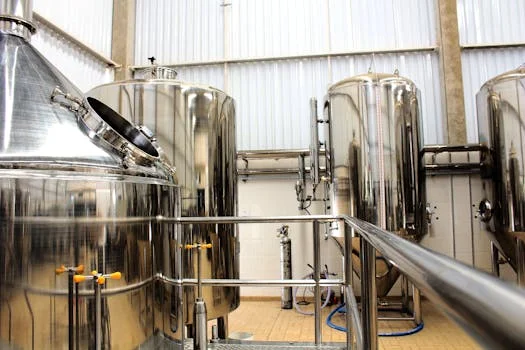
Capital costs for package wastewater treatment plants in Jalisco typically range from MXN 1.2M to MXN 15M, depending on flow volume and technology. A standard 10–30 m³/h WSZ series unit, which is ideal for small residential developments or light industrial sites, carries a capital expenditure (CAPEX) of MXN 1.2M to 3M. High-performance MBR systems for flows of 50–100 m³/h, often required for heavy industry or hospital wastewater, range from MXN 5M to 15M (FOB Jalisco, 2025 estimates).
Operating and maintenance (O&M) costs are a critical component of the total cost of ownership. WSZ systems are more economical to operate, averaging MXN 0.80–1.50/m³, primarily covering electricity and periodic sludge disposal. MBR systems, while more efficient, have higher O&M costs of MXN 2.50–4.00/m³ due to membrane replacement cycles (typically every 5–7 years) and higher aeration demands for membrane scouring. These costs must be weighed against the potential for water reuse, which is a major driver for MBR system performance in tropical climates like Jalisco’s where water prices are rising.
The ROI for an industrial user is calculated by dividing the capital cost by the annual savings from avoided PROEPA fines and the value of reused water. For example, a food processing facility in Zapopan installing a 50 m³/h plant can save approximately MXN 2.5M annually in non-compliance fines and MXN 1.2M in water reuse for cooling towers or irrigation. With a CAPEX of MXN 7M, the payback period is less than two years. Financing is increasingly accessible through Bancomext green loans (offering 5% interest for industrial users) or CONAGUA’s 2025 subsidy programs for municipal projects, which can cover up to 40% of the project cost.
| Capacity (m³/h) | Technology | Est. CAPEX (MXN) | Est. OPEX (MXN/m³) |
|---|---|---|---|
| 10 m³/h | WSZ Series | 1.2M - 1.8M | 0.85 |
| 30 m³/h | WSZ Series | 2.5M - 3.2M | 1.10 |
| 50 m³/h | MBR System | 5.5M - 7.5M | 2.80 |
| 100 m³/h | MBR System | 12M - 15M | 3.50 |
NOM-001-SEMARNAT and Jalisco-Specific Compliance: What Your Package Plant Must Achieve
NOM-001-SEMARNAT 2021 mandates that all discharges to national water bodies meet a BOD limit of ≤30 mg/L and TSS of ≤40 mg/L. However, in Jalisco, compliance is not a one-size-fits-all framework. Medical facilities, for instance, must adhere to additional COFEPRIS standards to ensure the elimination of pathogens and pharmaceutical residues. For these applications, the COFEPRIS-compliant medical wastewater treatment for Jalisco hospitals is required, incorporating advanced oxidation and specialized disinfection stages.
The permitting process with PROEPA involves several critical steps: an initial environmental impact assessment, submission of the package plant’s NOM-certified design, and the establishment of operator training records. A common compliance pitfall observed in Zapopan was the use of undersized equalization tanks. In a 2024 case, a distillery failed its quarterly inspection because its system could not handle the pH and temperature spikes of its influent, leading to biological system failure. Ensuring the package plant includes automated pH adjustment and a properly sized equalization tank is essential for meeting the mandatory pH range of 6–9.
| Standard | Application | Key Limit (BOD) | Key Limit (TSS) |
|---|---|---|---|
| NOM-001-SEMARNAT | Discharge to Water Bodies | ≤ 30 mg/L | ≤ 40 mg/L |
| NOM-003-SEMARNAT | Agricultural Reuse | ≤ 20 mg/L | ≤ 20 mg/L |
| NOM-004-SEMARNAT | Industrial Reuse | < 5 mg/L | < 5 mg/L |
Supplier Selection Checklist for Jalisco: 8 Critical Questions to Ask Before Purchasing
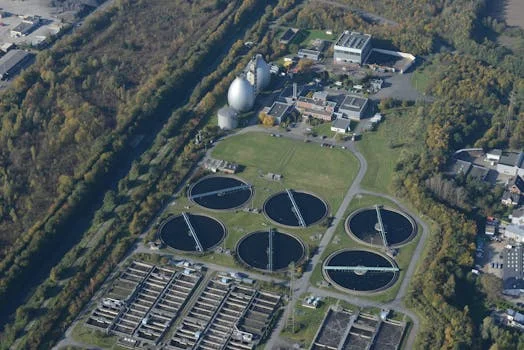
Selecting a supplier for a package wastewater treatment plant in Jalisco requires more than a price comparison; it requires a verification of technical competence and local support. In 2024, a supplier in Guadalajara was fined when it was discovered they had provided falsified NOM-001 test reports to a client. To avoid such risks, procurement teams should utilize the following checklist:
- NOM Certification: Can the supplier provide certified third-party lab reports for the specific model being proposed?
- Local Support: Does the supplier maintain a service center in the Guadalajara Metropolitan Area (Zapopan, Tlaquepaque, or El Salto) for emergency repairs?
- Influent Flexibility: Can the system handle high-strength waste (e.g., 3,000 mg/L BOD for tequila vinasses or 500 mg/L TSS for automotive paint shops)?
- Footprint Efficiency: Does the design maximize space? A 2023 project in Tonalá successfully integrated a 30 m³/h plant into a 150 m² basement.
- Automation and Logging: Does the PLC support 24/7 data logging? PROEPA requires continuous monitoring for plants exceeding 50 m³/h.
- Sludge Management: Does the supplier have partnerships with PROEPA-approved sludge disposal facilities in El Salto or Ocotlán?
- Warranty Terms: Is there a minimum 2-year warranty on