Why Norway’s Wastewater Challenges Demand MBR Technology
Norway’s 2025 MBR wastewater treatment systems deliver near-reuse-quality effluent (<1 mg/L TSS, <5 mg/L BOD) with 60% smaller footprints than conventional plants, critical for urban and fjord-sensitive projects. Costs range from NOK 1.2M for 50 m³/day systems to NOK 4.5M+ for 500 m³/day, with OPEX of 0.8–1.5 NOK/m³. Compliance with EU Directive 91/271/EEC requires nutrient removal (TN <10 mg/L, TP <1 mg/L), driving adoption of MBR in Oslo, Bergen, and aquaculture hubs like Trondheim.
The 2023 Oslo Fjord algae bloom crisis highlighted systemic failures in existing infrastructure, with the Norwegian Environment Agency (2024) classifying 70% of coastal waters as "poor" or "bad" under the EU Water Framework Directive. This environmental degradation is primarily linked to nitrogen and phosphorus runoff from municipal secondary treatment plants that lack the advanced filtration capabilities of membrane bioreactors. To mitigate this, Norway has accelerated the enforcement of EU Directive 91/271/EEC via the EEA Agreement, mandating strict nutrient limits of Total Nitrogen (TN) <10 mg/L and Total Phosphorus (TP) <1 mg/L for sensitive areas. For engineers, HydropureWater’s MBR system for cold-climate projects provides a modular solution that achieves these targets without the need for large tertiary clarification stages.
Cold-climate performance remains the primary engineering hurdle for Norwegian wastewater facilities. Standard MBR systems often experience significant flux decline as water temperatures drop; however, specialized designs for Norway must operate at 5–10°C with less than a 15% reduction in membrane flux (per Alfa Laval’s Norway case study). This temperature resilience is achieved through increased aeration intensity for scouring and the selection of high-permeability PVDF membranes. urban constraints in cities like Oslo and Bergen make the 60% smaller footprint of MBR systems essential. For instance, the Fuglevik plant upgrade demonstrated that MBR technology could be retrofitted into existing basins while doubling treatment capacity—a feat impossible with conventional activated sludge (CAS) or large-scale Moving Bed Biofilm Reactors (MBBR).
The aquaculture sector represents a growing segment of MBR demand, with 30% of new projects serving land-based salmon farming (per Juntai Plastic 2026 data). Recirculating Aquaculture Systems (RAS) require ultra-low Total Suspended Solids (TSS) to prevent gill irritation in fish and to ensure the efficacy of UV disinfection. MBR technology, specifically using DF Series PVDF membranes for Norway’s nutrient-sensitive areas, provides the necessary physical barrier to pathogens and fine particulates that MBBR systems often fail to capture.
MBR vs MBBR for Norway: Technical Comparison with Data
Membrane Bioreactors (MBR) and Moving Bed Biofilm Reactors (MBBR) represent the two primary choices for Norwegian wastewater upgrades, yet they serve distinct operational priorities. While MBBR is often favored for its resilience to toxic shocks and lower energy consumption, it cannot match the effluent quality of MBR without substantial downstream filtration. According to data from the Norwegian University of Science and Technology (2023), MBR systems consistently achieve TSS levels <1 mg/L, whereas MBBR systems typically range between 10–30 mg/L, necessitating a secondary clarifier or sand filter to meet fjord discharge standards.
Footprint requirements are a decisive factor in Norwegian municipal planning. MBR systems are approximately 60% smaller than MBBR systems because they eliminate the need for secondary sedimentation tanks. In an MBBR setup, the clarifier often occupies more land than the reactor itself. For projects in mountainous terrain or densely populated coastal areas, the compact nature of MBR allows for indoor installations or underground placement, reducing heating costs and aesthetic impact. However, the energy trade-off is significant: MBR energy consumption ranges from 0.8–1.2 kWh/m³, while MBBR averages 0.4–0.6 kWh/m³. In Norway’s cold climate, MBR systems face an additional 20% energy penalty at temperatures below 10°C due to increased water viscosity and the need for higher air-to-liquid ratios to maintain membrane scouring.
| Parameter | MBR System (Cold-Climate Optimized) | MBBR System (Standard) |
|---|---|---|
| Effluent TSS (mg/L) | <1 mg/L | 10–30 mg/L |
| Total Phosphorus (TP) | <0.5 mg/L (with coagulant) | Requires tertiary treatment |
| Footprint Requirement | 40% of CAS | 70–80% of CAS |
| Energy Use (kWh/m³) | 0.8–1.2 (Cold-climate penalty applies) | 0.4–0.6 |
| Flux at 5°C | 10–15% Reduction | Biofilm stability unaffected |
| Sludge Yield (kg TSS/kg BOD) | 0.2–0.3 | 0.4–0.5 |
Nutrient removal efficiency is where MBR outperforms MBBR in Norwegian sensitive zones. MBR systems can achieve TN <5 mg/L and TP <0.5 mg/L by maintaining high Mixed Liquor Suspended Solids (MLSS) concentrations (8,000–12,000 mg/L), which facilitates both nitrification and denitrification in a smaller volume. MBBR systems, while effective for BOD removal, often require additional chemical dosing and a tertiary membrane or DAF (Dissolved Air Flotation) stage to reach the same phosphorus limits. This makes MBR the more cost-effective "all-in-one" solution for meeting the strict 2025 Norwegian Environment Agency mandates.
Norway’s MBR System Costs: CAPEX, OPEX, and ROI Benchmarks
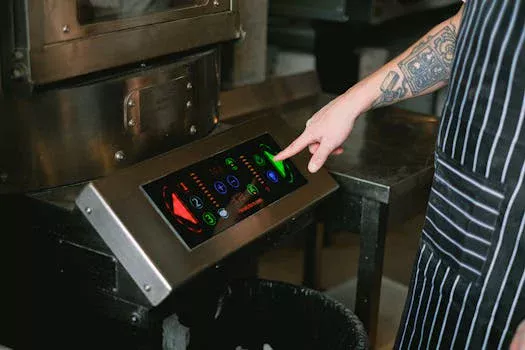
Budgeting for an MBR wastewater treatment system in Norway requires accounting for high local labor costs and specific cold-climate engineering modifications. CAPEX for a 50 m³/day system typically starts at NOK 1.2M, while larger 500 m³/day municipal-grade plants can exceed NOK 4.5M. These figures include the membrane modules, automated control systems, and the necessary insulation and trace heating required for Norwegian winters. When compared to global cost benchmarks for MBR systems, Norwegian projects carry a 15–25% premium due to these environmental adaptations and strict EEA-compliant material standards.
OPEX is dominated by energy consumption and membrane replacement cycles. In Norway, energy accounts for approximately 40% of the daily operational cost, translating to 0.8–1.5 NOK/m³ depending on the local utility rate and the system's efficiency. Membrane replacement, which occurs every 5–7 years for high-quality PVDF modules, constitutes 25% of the long-term OPEX. In remote Northern regions, labor costs for specialized maintenance can be 20% higher than in Oslo, making remote monitoring and automated "clean-in-place" (CIP) systems a critical investment for reducing site visits.
| Cost Category | Small Scale (50 m³/day) | Medium Scale (500 m³/day) |
|---|---|---|
| CAPEX (NOK) | 1.2M – 1.8M | 3.5M – 4.5M+ |
| Energy Cost (NOK/m³) | 1.2 – 1.5 | 0.8 – 1.1 |
| Membrane Lifespan | 5–7 Years (PVDF) | 5–7 Years (PVDF) |
| Sludge Disposal Savings | 30% vs Conventional | 35% vs Conventional |
| Cold-Climate Upgrades | Included (+15% premium) | Included (+15% premium) |
The Return on Investment (ROI) for MBR in Norway is driven primarily by sludge reduction and nutrient credit trading. MBR systems produce 30% less sludge than conventional systems due to higher sludge age (SRT), which significantly lowers disposal fees—a major expense in Norway where sludge must often be transported long distances to specialized treatment facilities. A case study of the Fuglevik plant in Oslo demonstrated a 4-year payback period achieved through a combination of reduced sludge volume and the avoidance of environmental fines associated with the Oslo Fjord protection acts. Enova SF offers grants covering 20–40% of the investment for systems that exceed EU 91/271/EEC standards, further accelerating the ROI for industrial and municipal adopters.
Compliance Checklist: EU/EEA Directives for MBR Systems in Norway
Operating a wastewater system in Norway requires strict adherence to the European Economic Area (EEA) agreement, which mirrors most EU environmental directives. The Urban Waste Water Treatment Directive 91/271/EEC is the primary driver for MBR adoption, particularly in "sensitive areas" such as the Oslo Fjord and the southern coast. Under this directive, plants serving more than 10,000 population equivalents (PE) must achieve TN <10 mg/L and TP <1 mg/L. MBR is one of the few technologies that can consistently meet these levels in a single-stage process.
The Water Framework Directive 2000/60/EC further mandates that MBR systems contribute to achieving "good" ecological status for all water bodies. This means that industrial discharges, particularly from the aquaculture and chemical sectors, must not only meet concentration limits but also ensure that the physical-chemical properties of the effluent do not disrupt local biodiversity. Additionally, the Industrial Emissions Directive 2010/75/EU requires that any MBR sludge containing more than 1% hazardous content must undergo pre-treatment before disposal, a regulation strictly enforced by the Norwegian Pollution Control Authority.
- Urban Waste Water Treatment Directive 91/271/EEC: Verify that the MBR system is sized to meet TN <10 mg/L and TP <1 mg/L.
- Water Framework Directive 2000/60/EC: Ensure the system achieves "good" status for fjord discharge.
- EEA Agreement Annex XX: All membranes and pressure vessels must carry the CE mark.
- Industrial Emissions Directive 2010/75/EU: Implement sludge dewatering and testing protocols if treating industrial waste.
- Municipal Codes: Confirm local requirements; for example, Oslo mandates 90% BOD removal while Bergen often requires 95% TSS removal.
Procurement teams must also ensure that MBR systems utilize CE-marked membranes as per the Norwegian Directorate for Civil Protection (2023) guidelines. Non-compliant components can lead to the revocation of operating permits and significant legal liability for the facility manager. For a broader perspective on how these standards compare to other regions, see how MBR systems adapt to extreme climates (case study: Qatar), which highlights the universal importance of regulatory-aligned engineering.
Supplier Selection Checklist for Norwegian MBR Projects
Selecting a supplier for a Norwegian MBR project requires more than a comparison of price; it requires a verification of technical competence in sub-arctic conditions. The most critical criterion is cold-climate testing data. Suppliers must provide certified flux data at 5°C to prove the system can handle winter peak flows without membrane fouling or permeate starvation. Alfa Laval and other top-tier providers often use these metrics to justify the higher initial cost of their systems compared to non-specialized imports.
Local support and service hubs are equally vital. Given Norway’s geography, a supplier with a service office in Oslo, Bergen, or Trondheim can reduce emergency downtime by days. Procurement teams should prioritize suppliers who offer a minimum 5-year warranty on membranes and can demonstrate a history of successful installations in the Norwegian aquaculture or municipal sectors. the supplier’s commitment to energy efficiency is paramount; systems should target an energy footprint of <1.0 kWh/m³ even in cold-climate configurations to align with the Norwegian Energy Agency’s 2024 sustainability targets.
- Cold-Climate Verification: Does the supplier provide flux data specifically for 5°C operation?
- EU/EEA Compliance: Are the membranes CE-marked and the manufacturing facility ISO 14001 certified?
- Local Service: Is there a Norwegian-based technical team for commissioning and maintenance?
- Material Durability: Are the membrane frames and tanks constructed from corrosion-resistant materials (e.g., 316L stainless steel) to withstand coastal salt air?
- Energy Efficiency: Does the system include VFDs (Variable Frequency Drives) and automated aeration controls to minimize power use?
- Reference Projects: Can the supplier provide data from at least three Norwegian projects in the last 5 years?
Frequently Asked Questions
Which is better for Norway: MBR or MBBR?
MBR is superior for nutrient-sensitive areas like the Oslo Fjord because it achieves <1 mg/L TSS and lower phosphorus levels. MBBR is a more cost-effective choice for remote sites with ample land where ultra-high effluent purity is not a regulatory requirement (per Veolia’s 2024 comparison).
Does Norway treat its wastewater effectively?
While Norway has advanced infrastructure, only 70% of plants currently meet the latest EU nutrient limits. The adoption of MBR technology is rising rapidly to close this compliance gap and protect sensitive marine ecosystems from eutrophication.
What is the lifespan of MBR membranes in Norway’s climate?
Standard PVDF membranes last 5–7 years. However, in coastal areas, salt corrosion can reduce the lifespan of auxiliary components to 3–5 years if high-grade stainless steel is not used for the membrane modules (per Alfa Laval’s Norway data).
Are there subsidies for MBR systems in Norway?
Yes, Enova SF provides grants covering 20–40% of the CAPEX for wastewater systems that significantly reduce nutrient discharge or improve energy efficiency beyond the requirements of EU 91/271/EEC.
Can MBR handle Norway’s cold winters?
Yes, but engineering adjustments are required. Expect a 10–15% flux drop at 5°C. Reputable suppliers include tank insulation, trace heating for pipes, and anti-freeze dosing systems to maintain biological activity and membrane performance during winter.
Further Reading
Explore these in-depth articles on related wastewater treatment topics: