Choose A/O or MBR from the project inputs
Project designers should choose between a buried A/O package plant, an MBR system, SBR, or sewer connection by matching verified project inputs to land, effluent, power, reuse, and sludge obligations—not by converting resident numbers directly into capacity. For a residential development in Liberia, start with a measured design basis, then issue a route-specific RFQ. Current Liberia precedents show package-plant delivery experience, but they do not establish residential performance, prices, or discharge requirements.
Prepare a design-basis schedule containing the resident population and development phase, average sewage flow, peak-hour factor, and peak flow. Add influent data for BOD, COD, suspended solids, fats, oils and grease, and pH. Record the required effluent parameters, whether treated water will be reused, the available footprint, soil and groundwater conditions, flood level, burial depth, electrical supply, backup-power arrangement, and available operating skill.
Do not convert the population estimate directly into plant capacity. The Liberia mining-camp precedent describes a 500-PE SBR-type package plant, but it does not provide the residential unit-flow basis needed for a Liberian housing development. Obtain a site flow study or an engineer-approved design-flow basis instead.
Use the buried A/O package sewage treatment plant for initial screening where footprint, gravity-fed collection, and a defined buried installation are central. Use the MBR wastewater treatment system for initial screening where the required effluent quality or reuse conditions cannot be demonstrated by the selected A/O route. Neither choice should be fixed before the design basis and local approvals are verified.
Compare the feasible treatment routes
Project teams must choose the route by matching the governing project condition to the process option and then obtaining the evidence needed to resolve uncertainty. A generic product comparison is not enough because the decisive variable differs by site.
| Discharge route or influent problem | Governing rule or process option | What data settles it |
|---|---|---|
| Public sewer is proposed | Retain sewer connection as a comparison route only after availability, capacity, ownership, and tariff implications are confirmed. | Written confirmation from the public authority or asset owner, connection capacity, connection location, developer works, and ongoing charges. |
| Limited footprint with conventional biological treatment | Compare a buried A/O package plant against an SBR package. A/O uses separate biological stages; SBR performs treatment in a cyclic operating sequence within a compact package arrangement. | Measured flow, soil and groundwater report, available excavation depth, treatment objectives, utilities, and confirmed effluent criteria. |
| Treated-water reuse or stringent site-specific effluent conditions | Compare A/O and SBR with an MBR, which combines biological treatment with membrane separation. Require the supplier to demonstrate compliance with the project’s stated effluent and reuse requirements. | Receiving-water and reuse criteria, test methods, retuning and membrane-replacement provisions, power supply, and operating response to variable flow. |
| Remote site with weak supporting infrastructure | Keep the factory-built package concept open, but verify transport, unloading, foundations, utilities, commissioning, and operator support. | Site-access survey, transport envelope, lifting plan, ground conditions, power availability, backup arrangements, and a site-readiness schedule. |
| Variable development phases or seasonal flow | Ask suppliers to state how each route accommodates staged occupancy, peak flow, and loads beyond the selected design unit. | Phased flow and load projections, unit-count proposal, operating-control narrative, and treatment performance at the agreed test conditions. |
SBR remains a legitimate procurement alternative, though project teams must vet the specific application carefully. A Liberia mining camp project documents delivery of a 500-PE SBR-type package wastewater treatment plant for a remote site. That precedent supports the feasibility of factory-built SBR delivery, but it does not show how the operating model or project requirements would perform for a residential development. Compare the residential package-plant route comparison and request residential-specific evidence before accepting the analogy.
Apply the Liberia site and delivery context
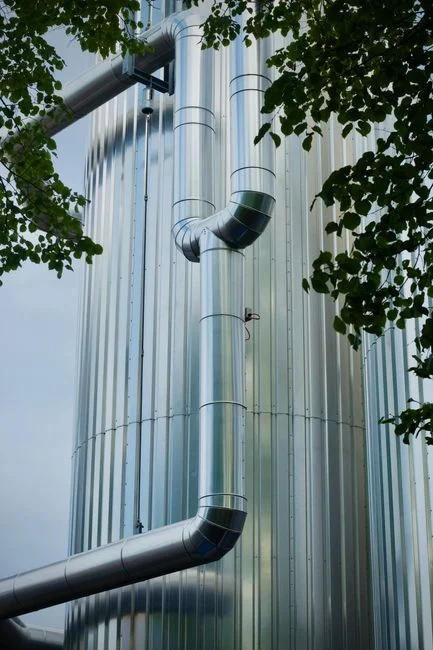
Project teams should use Liberia case evidence to test delivery readiness, not to infer residential treatment performance. The documented Liberia installation was a 500-PE SBR-type package wastewater treatment plant built and delivered for an international mining client’s camp at a remote rainforest site. Its scope was a mining camp, so it does not establish capacity, effluent quality, or regulatory acceptance for a residential development.
The delivery model was factory-built, shipped, and rapidly commissioned on site. For the residential RFQ, convert that lesson into a site-readiness checklist covering route and transport limits, unloading and lifting arrangements, access for construction and maintenance, foundation or excavation requirements, temporary works, electrical connections, process connections, commissioning access, and handover documentation. Do not assume the same transport envelope or installation sequence applies to the proposed site.
Separate the Firestone evidence from the residential decision. A project description confirms construction of a wastewater treatment plant structure for Firestone Liberia Inc. in Harbel, Margibi County, but it gives no residential capacity, process-performance data, or discharge standard. It therefore cannot establish the route or acceptance criteria for this project.
Confirm the applicable environmental, water, health, and planning route with the competent authorities for the actual site. No relevant authority, permit pathway, or Liberia-specific effluent limit is established by the available project descriptions. Request written confirmation identifying the receiving point, discharge route, permit holder, monitoring requirements, commissioning evidence, and operating obligations. Use the containerized sewage treatment plant sizing material only as a source of design questions, not as evidence of Liberian requirements.
Build the RFQ scope and acceptance criteria
Procurement teams must make the quotation auditable by defining the design basis, guarantees, interfaces, and remedies. A price without those boundaries is not comparable, especially when local permits, civil works, utilities, sludge handling, and commissioning responsibilities remain unallocated.
| Quote line item | Technical scope to specify | Red flags to check before signing |
|---|---|---|
| Design basis and process selection | State design flow, peak-flow basis, development phase, influent characteristics, treatment process, unit count, site conditions, and required effluent parameters. | Capacity derived only from resident numbers, with no flow basis; or a quotation that omits the influent loading and effluent requirement. |
| Performance guarantee | Define each guaranteed effluent parameter, sampling point, test method, test duration, influent conditions, load condition, and remedy for non-compliance. | Unqualified “compliance” or “reliable operation” claims with no test protocol, design flow, guarantee period, or remedial obligation. |
| Equipment and factory tests | Identify tanks, aeration, membranes if applicable, controls, pumps, piping, instrumentation, access covers, and factory testing before shipment. | Equipment shown only as a general system name; missing utilities, control requirements, duty arrangements, or factory-test records. |
| Site works and installation | Separate excavation, foundations, buried works, roads, lifting, assembly, electrical installation, connections, testing, and commissioning. | “Delivered” price used ambiguously, with site preparation or specialist installation excluded. |
| Sludge and residuals | Specify generation, storage, dewatering or removal, final destination, frequency, operator duties, and disposal documentation. | No route for sludge or screenings, leaving the developer with an undefined environmental and operating obligation. |
| Utilities and operating support | List electrical demand, backup-power interfaces, consumables, remote monitoring, preventive maintenance, operator training, and technical support. | Operator attendance, training, spares, membrane replacement, or consumables excluded without a stated allowance or responsibility. |
| Permits and acceptance | Assign responsibility for studies, approvals, local authority submissions, operator attendance, site acceptance, and handover documents. | Supplier calls the system complete without documentary proof of tests, permits, training, or agreed effluent performance. |
Require a responsibility schedule naming who provides the wastewater analysis, site survey, permits, electrical supply, sludge route, operator attendance, and final disposal. The quotation should also identify installation, commissioning, training, spare parts, warranty, and excluded items.
Make acceptance conditional on documented factory and site tests, hydraulic loading, process-control checks, disinfection verification, and demonstration of the agreed effluent requirement. The sewer, A/O and MBR selection guide can support the route logic, but the acceptance protocol must follow the Liberia project’s verified permit and receiving requirements.
Reject unqualified price or performance claims that omit the design flow, influent basis, test duration, guarantee remedy, and local delivery scope. Request comparable line-item pricing rather than a single package figure, and record every exclusion as an assigned buyer or supplier responsibility.
Frequently Asked Questions
How should a residential sewage plant in Liberia be sized?
Size it from verified average and peak sewage flow, influent loads, resident population, development phases, and the agreed treatment objectives—not from resident numbers alone. The Liberia 500-PE SBR precedent is a mining-camp project rating and does not supply a residential unit-flow basis. Request a site flow study and an engineer-approved design-flow schedule before evaluating unit count.
When is an MBR preferable to a buried A/O package plant?
MBR should advance to technical review when the project’s required effluent quality or reuse conditions cannot be demonstrated by the proposed A/O route, or when the A/O design creates unresolved footprint, soil, or groundwater constraints. Require a side-by-side demonstration against the same design flow, influent basis, effluent parameters, utilities, and local delivery scope. Do not select MBR solely because its treatment description sounds more advanced.
What should a Liberia package wastewater plant quotation include?
Require separate prices for the process equipment, factory testing, transport, unloading, site preparation, foundations, installation, electrical and pipe connections, commissioning, training, spares, warranty, and sludge handling. State the design flow, influent basis, guaranteed effluent parameters, test methods, test duration, and remedy for non-compliance. If no firm quotation is available, request these line items as a priced schedule so exclusions remain visible.
Which discharge and site approvals must be confirmed before ordering?
Confirm the receiving point, permitted discharge route, environmental and water requirements, health and planning obligations, permit holder, and required monitoring with the competent authorities for the actual project site. Also confirm land availability, access, flood level, groundwater, soil conditions, burial depth, and utility connections. The available Liberia case descriptions establish neither a residential discharge standard nor an approval route, so obtain written project-specific confirmation before ordering.