Confirm the discharge route and required water quality
Industrial wastewater treatment in Libya begins with identifying the intended discharge or reuse route, followed by site-specific wastewater characterization before selecting equipment. The project brief should define whether effluent will enter municipal drainage, reach a receiving environment directly, or be reused, along with the responsible approval authority. A hospital study supports treating pollutants before release to municipal drainage, while a Benghazi sludge study indicates why residues also require assessment. Pretreatment and biological treatment can then be matched to oil, solids, toxicity, nutrient load, and reuse requirements without assuming a Libya-wide limit schedule.
Ask the buyer to obtain current written requirements from the relevant Libyan authority and from the authority controlling the receiving route. The available hospital research provides a treatment principle, not a complete or current compliance schedule. For an industrial stream, request the permitted discharge point, applicable effluent parameters, sampling requirements, operating conditions, and any reuse specification before finalizing the process.
| Discharge route or influent problem | Governing rule or process option | What data settles it |
|---|---|---|
| Municipal drainage connection | Define pretreatment and biological treatment required by the receiving authority; use the hospital study only as a treatment principle. | Written discharge permit, connection requirements, receiving-water limits and sampling protocol |
| Direct environmental discharge | Establish the complete effluent specification before selecting final treatment and disinfection. | Current authority approval, receiving-environment constraints and required monitoring parameters |
| Reuse application | Define the intended reuse and the required final water quality, then assess whether MBR or another polishing barrier is justified. | Reuse destination, end-use specification, health requirements and client acceptance criteria |
| Unverified route or authority | Treat route confirmation as a procurement hold point rather than assuming compliance. | Named authority, permit reference, site drainage drawing and accountable client representative |
Use the industrial wastewater treatment equipment selection guide to organize the route decision before comparing individual systems.
Characterize the wastewater before choosing a process
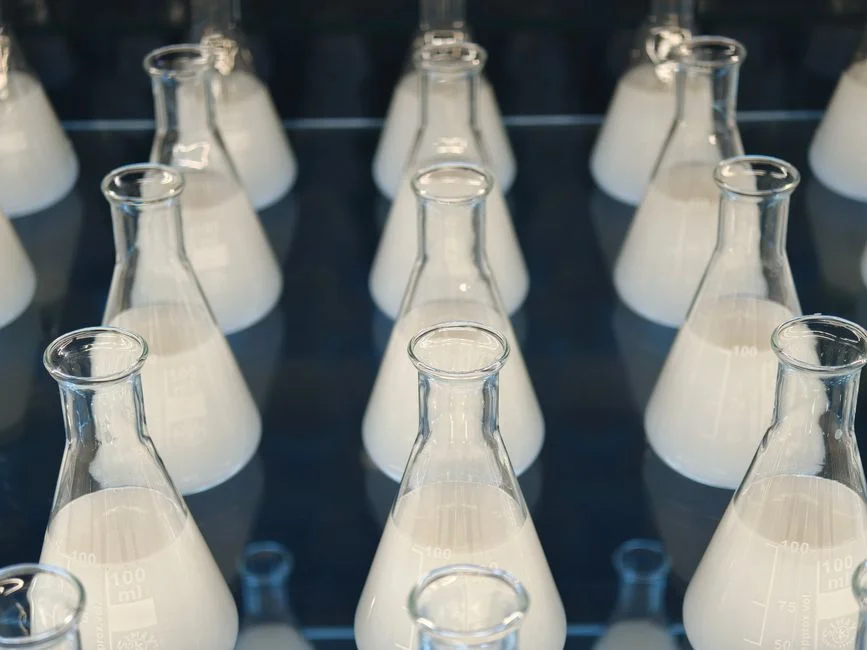
Equipment selection requires measured wastewater characteristics, not a generic industry profile. Request flow rate and diurnal variation, pH, temperature, COD, BOD, TSS, oil and grease, nutrients, salts, metals, and contaminants specific to the production process. Use representative sampling across operating conditions, and state who is responsible for each analysis in the RFQ.
The hospital study analyzed biochemical oxygen demand, chemical oxygen demand, total suspended solids, sulfate, nitrate, nitrite, ammonia, chlorides, and oils and grease. It also investigated Cr, Cd, Pb, Hg, Cu, Ni, and Zn. A metal-processing or surface-treatment project should therefore include a defined heavy-metals sampling plan rather than relying on routine organic characterization alone.
Keep the evidence within its original scope. The Misurata University study covered four hospitals with 500 to 120 beds per hospital during 15/4/2014 - 15/6/2014. It does not establish current Libyan discharge limits, characterize every Libyan facility, or provide an industrial wastewater design basis. For current process selection, request a site-specific laboratory report and identify the sampling points, flow conditions, analytical methods, and treatment objectives.
- Establish the average and peak flow, operating schedule, and diurnal profile.
- Characterize bulk organic, solids, oily, nutrient, and salt loads.
- Test for process-specific contaminants, including metals where relevant.
- Record the receiving-route or reuse requirement before comparing treatment routes.
- Use the confirmed influent envelope to size pretreatment, biological treatment, sludge handling, and disinfection.
Match pretreatment to the dominant process risk

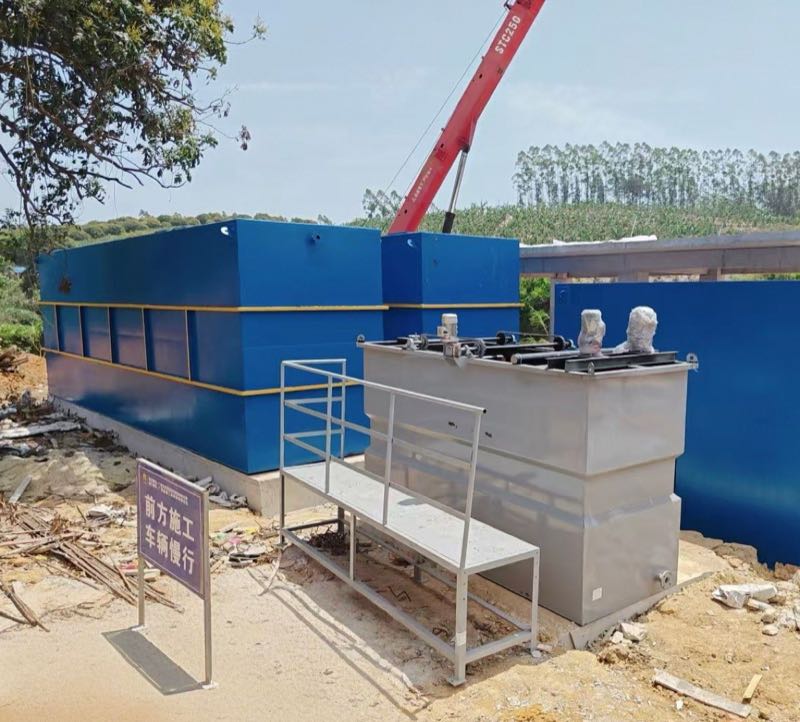
Select pretreatment according to the contaminant most likely to impair downstream equipment or biological treatment. DAF is appropriate when oil, grease, suspended solids, and colloidal material form the principal pretreatment load; confirm the required flow and the handling route for skimmed sludge before selecting equipment. The DAF system for oil, grease and suspended-solids pretreatment should be evaluated against those project-specific conditions.
Use mechanical screening where rags, plastics, or fibrous debris could enter pumps, valves, or biological equipment. For a wastewater characteristically carrying such debris, request the duty, retained-solids disposal method, and accessible screen size in the supplier’s scope. The available rotary mechanical bar screen can be assessed against that requirement, although the supplied evidence does not establish a Libyan installation standard or universal screen selection.
Specify automatic chemical dosing only after defining the target pollutant, required dose range, mixing conditions, chemical storage, and anticipated duty cycle. A dosing skid without those inputs cannot be compared meaningfully because the same chemical may serve coagulation, pH control, or nutrient management.
Do not select ultrafiltration as the primary biological process unless membrane filtration, solids separation, and reuse quality are stated objectives. Use it where it provides a defined barrier or protects downstream treatment from fouling, and require the supplier to explain its role in the complete process train.
Select biological treatment and disinfection
Choose MBR when compact biological treatment, solids retention, and reuse-oriented effluent quality justify the additional process complexity. Require the supplier to define the membrane system, solids separation, cleaning requirements, controls, reject-water handling, and performance obligations. A proposed integrated MBR wastewater treatment system should be compared against those obligations rather than footprint claims alone.
Choose an A/O package plant when the wastewater is compatible with biological contact oxidation and the operating envelope fits a packaged installation. The A/O biological contact oxidation treatment option should be matched to the characterized flow, organic load, solids separation, sludge removal, and operator-access requirements.
Specify disinfection only after the pathogen-control route and receiving-water constraints are confirmed. Ask whether the treatment objective requires disinfection, what performance evidence is expected, and where the resulting residuals will be managed.
Account for sludge at the proposal stage. The Guarchia wastewater treatment plant study in Benghazi evaluated pH, TVS, TN, TP, TOM, and TOC in sewage sludge, as well as trace metals including Zn, Cd, Cu, and Pb. Those findings support a documented sludge-handling and disposal scope, but they do not establish a current Libya-wide sludge acceptance limit.
Build an RFQ scope and screen the bids
A comparable industrial wastewater RFQ must state the design flow, influent basis, treatment objective, receiving route, process guarantees, utilities, civil works, and exclusions. Require performance guarantees tied to confirmed influent and effluent parameters rather than generic removal claims. Separate delivery, commissioning, training, spare parts, local support, operator requirements, and warranty terms so that bids can be evaluated consistently.
| Quote line item | Technical scope to specify | Red flags to check before signing |
|---|---|---|
| Design basis | Design flow, influent characteristics, operating envelope, receiving route and treatment objective | Bid relies on generic wastewater data or leaves flow, duty cycle or discharge basis undefined |
| Process equipment | Pretreatment, biological treatment, solids separation, disinfection, controls and instruments by function | Equipment list omits DAF, screening, MBR, A/O or other units without explaining the process rationale |
| Performance and acceptance | Confirmed influent and effluent parameters, guarantee conditions, test protocol and acceptance procedure | Generic removal claims, undefined sampling points or no acceptance test linked to the discharge basis |
| Sludge handling | Skimmed material, excess biological sludge, dewatering or storage, destination and disposal responsibility | Sludge route is unstated or disposal is included without confirming the receiving site and obligations |
| Utilities and civil works | Power, water, drains, foundations, access, odor control, drainage and site connections | Scope boundary is vague or major civil and utility connections are excluded without a cost allocation |
| Handover and support | Delivery, commissioning, training, documentation, spare parts, warranty and local technical support | Supplier provides equipment only or gives no commissioning, training, parts or after-sales commitment |
Reject bids that omit wastewater analysis, duty-cycle data, sludge handling, utilities, controls, acceptance testing, or the applicable discharge basis. The industrial effluent plant and DAF selection method provides a useful comparison discipline, while the equipment selection guide supports the wider route decision.
Further Reading
Frequently Asked Questions
What wastewater data does a supplier need before pricing an industrial wastewater treatment system in Libya?
Request current flow and diurnal variation, pH, COD, BOD, TSS, oil and grease, nutrients, salts, metals, and process-specific contaminants. Also provide the discharge or reuse route, site utilities, footprint, and required effluent quality. Missing analysis prevents defensible sizing and can turn an equipment price into an unpriced risk.
How should a buyer compare A/O package treatment, MBR and DAF?
Use a like-for-like basis. DAF addresses the selected oil, grease, solids, and colloidal pretreatment load; A/O addresses a wastewater compatible with biological contact oxidation; MBR combines biological treatment with a solids-retention membrane route and greater process complexity. Compare each bid against the confirmed influent, treatment objective, sludge route, utilities, controls, and acceptance tests.
What should be included in performance guarantees, acceptance testing and handover documents?
State guaranteed effluent parameters, applicable influent envelope, sampling points, test methods, test duration, acceptance criteria, and remedy for non-compliance. Handover documents should include process drawings, operating procedures, controls information, maintenance schedules, certificates, training records, spare-parts lists, and the agreed sludge-management instructions. Avoid guarantees based on an unspecified wastewater.
How should cost, civil works, sludge disposal, delivery, commissioning and support appear in the quote?
Require each item to be priced or explicitly excluded so quotations remain comparable. Give the supplier the site-input checklist and ask for separate lines for equipment, civil works, utilities, sludge handling, freight, installation, commissioning, training, spares, warranty, and local support. No verified project-specific quotation is available here, so request a priced bill of quantities rather than accepting an unstated cost boundary.