Define the Lagos wastewater duty before selecting equipment
Selecting an effluent treatment plant in Lagos starts with the wastewater stream, not the treatment brand. Identify its flow, COD, BOD, suspended solids, pH, oil and grease, and the required discharge or reuse outcome. Use DAF for suitable suspended solids, oil, grease and colloidal loads; use MBR when biological treatment and fine solids separation are both required; and consider UF as polishing or pretreatment where its specified membrane and feed limits fit. The available evidence supports this staged logic, but it does not establish Lagos discharge limits, so obtain the applicable permit and site data before finalising a treatment route or quotation.
Begin by obtaining the daily average flow, peak-hour flow, operating hours, catchment area and any expansion allowance from the facility engineer or operator. These inputs establish whether one treatment train can serve the site or whether streams must be segregated by flow and contaminant load.
Record production wastewater, cooling water, wash water, roof runoff and sanitary sewage separately. Mark which streams enter a common treatment train, which are intermittent, and which require independent control. Cooling water and clean roof runoff should not be treated as equivalent to concentrated process effluent merely because they ultimately reach the same discharge point.
Confirm the receiving point, intended reuse application, permit conditions and governing authority before comparing equipment. The supplied research does not establish Lagos-specific discharge criteria, so request the site’s permit or consent documents directly from the facility’s environmental lead and confirm the applicable requirements with the competent Nigerian or Lagos authority.
The project boundary also needs to be fixed. Record the available footprint, soil conditions and constraints on underground installation. For an initial frame, use the effluent treatment plant buyer’s guide to identify the information normally required from a buyer; adapt its framework to the receiving route and constraints documented for Lagos.
Match each wastewater problem to the treatment stage
Each stage performs a specific contaminant separation duty that must be verified against site-specific wastewater data. DAF, MBR and UF are not interchangeable labels for a complete plant: the influent analysis and required effluent outcome must show which combination is justified.
| Discharge route or influent problem | Governing rule or process option | What data settles it |
|---|---|---|
| Suitable suspended solids, oil, grease or colloidal material | Consider DAF as a pretreatment stage where its demonstrated duty matches the stream. | Representative TSS, oil and grease, particle characteristics, pH and flow variation, together with the required separation result. |
| Organic load requiring biological treatment and fine solids separation | Consider an integrated MBR wastewater treatment system where both functions are required. | COD, BOD, TSS, pH, biodegradability indicators, toxicity data, operating profile and the final discharge or reuse parameters. |
| Fine solids separation after an upstream stage | Consider UF as polishing or pretreatment only if the specified membrane and feed limits fit the wastewater. | Feed TSS, particle-size information, membrane compatibility, cleaning requirements and the required filtrate quality. |
| Several streams with different contaminant loads | Segregate, equalise or pretreat streams before selecting a common biological or polishing stage. | Stream-by-stream flow and analysis, discharge timing, compatibility between streams and the permitted discharge route. |
| Water intended for reuse | Define the reuse application before selecting the final process stage. | Intended reuse, receiving or reuse rule, feed analysis and performance or pilot evidence appropriate to that application. |
Ask each candidate supplier to state which characteristic its proposed stage removes and which limitations apply. For DAF, request the design basis rather than assuming that any oily wastewater is suitable. For MBR, require the biological design inputs and membrane operating envelope. For UF, request evidence that the actual feed remains within the specified membrane and operating conditions. A broader framework is available in the industrial ETP and DAF selection method, but its process logic must still be tied to Lagos site data.
Do not compare equipment by nominal throughput alone. The supplier should reconcile design flow, peak flow, hydraulic loading, anticipated downtime and the treatment objective. Where data is absent, require the supplier to identify it as an exclusion, assumption or priced provisional item.
Check advanced treatment and reuse against the research evidence
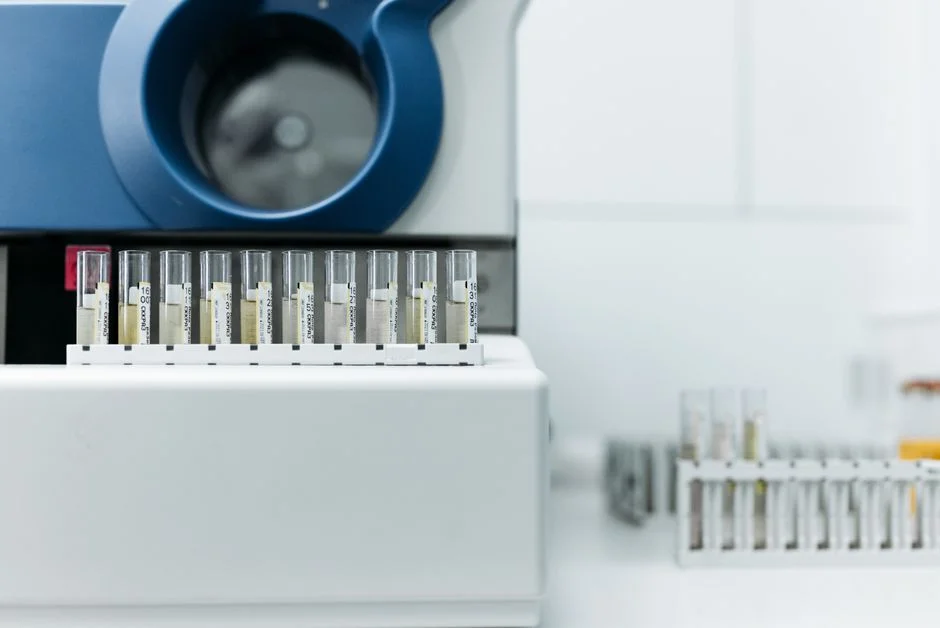
Reject a reuse claim unless it is tied to a defined application, feed analysis and applicable evidence. University of Twente research describes nanofiltration as a technology for polishing wastewater treatment plant effluent to EU Water Framework Directive standards and for producing effluent suitable for agricultural or direct or indirect potable use. That research does not establish suitability for a particular Lagos effluent, a Lagos reuse application or Nigerian regulatory approval.
Require the supplier to identify the receiving or reuse rule being met and provide supporting analysis, pilot results or performance data for the proposed feed. Do not accept “reuse-quality” as a universal specification. For direct or indirect potable reuse, the assessment must address the actual treatment barrier, monitoring requirements and the responsible approving authority rather than inferring suitability from membrane type alone.
Constructed wetlands should not be substituted for an advanced treatment claim without project-specific evidence. Wageningen University and Research published a 2022 thesis on removing micropollutants from wastewater treatment plant effluent using constructed wetlands. This supports research into that application, but it does not demonstrate performance for the proposed Lagos wastewater or establish a discharge route.
Use the DAF, MBR and reuse decision guide to expose missing information. Then use the UF and MBR reuse comparison as a prompt for performance evidence—not as evidence that either configuration meets a Lagos reuse requirement.
Turn the treatment route into an RFQ and acceptance plan
The RFQ should convert the selected route into an auditable scope. Require the supplier to state the design flow, wastewater basis, treatment stages, process calculations, duty cycles, utilities, automation, controls, civil works, installation, commissioning and training included in the quotation. Separate exclusions and future operating costs from the base offer.
Make the quotation conditional on receiving the agreed wastewater analysis and confirmed discharge or reuse parameters. Where information is missing, require the supplier to state the design assumption, consequence and commercial qualification. This prevents an equipment list from becoming an unsupported process guarantee.
| Quote line item | Technical scope to specify | Red flags to check before signing |
|---|---|---|
| Design basis and process calculations | Design flow, peak-flow basis, wastewater stream, analysis, process stage calculations, duty cycles and treatment objectives. | No wastewater analysis, flow justification, calculation report or identified assumption. |
| DAF pretreatment | Separation duty, feed basis, performance evidence, control arrangement, cleaning requirements and sludge handling. | Guarantee is based on “high efficiency” rather than a stated parameter and sampling method. |
| MBR treatment | Biological design inputs, membrane separation duty, controls, membrane maintenance, cleaning and replacement provisions. | Equipment is offered without demonstrated feed compatibility or defined operating conditions. |
| UF polishing | Specified membrane limits, feed quality, filtrate duty, cleaning method, monitoring and membrane protection. | UF is proposed without upstream pretreatment or without a feed-to-filtrate performance basis. |
| Civil works, utilities and installation | Scope boundary, power and water demand, drainage, foundations, underground works, access, installation and site handover. | Civil works, utility connections, commissioning or training are omitted from the price. |
| Performance acceptance | Confirmed effluent parameter, sampling method, test period, responsible party, remedy for failure and operating conditions. | Acceptance relies on “clean water”, “low pollution” or an undefined efficiency claim. |
| Sludge and residual handling | Sludge generation, collection, dewatering route, disposal assumption and included equipment. | Sludge handling is excluded but treated as if it were resolved elsewhere in the plant. |
Tie guaranteed acceptance criteria to the confirmed discharge or reuse parameter, sampling method, test period and responsible party. The guarantee should apply under stated influent and operating conditions; otherwise the buyer may receive a result that cannot be reproduced at the site.
Use the US EPA Effluent Guidelines Database as a category-and-technology reference. It allows searching by industrial category, pollutant or treatment technology, but it does not replace Nigeria or Lagos requirements. Obtain those requirements from the competent authority and the site’s permit or consent documents.
Check sludge handling as part of the treatment scope. Where a dewatering unit is required, use the industrial sludge dewatering selection to identify the feeding condition and performance information the supplier must provide, while avoiding assumptions drawn from another industry’s waste.
Related Equipment
- industrial DAF system — specifications, capacity range, and technical data
Frequently Asked Questions
What information is needed to size an industrial effluent treatment plant in Lagos?
Provide the daily average and peak flow, operating hours, catchment area, expansion allowance and a stream-by-stream wastewater inventory. Require the supplier to show how design flow and peak flow were converted into equipment sizing. If these inputs are unavailable, request them from the facility engineer or operator before comparing quotations.
How should a buyer compare DAF, MBR and UF for an industrial ETP in Lagos?
Compare each option by its assigned separation duty and the data needed to verify that duty. DAF requires a suitable suspended-solids, oil, grease or colloidal load; MBR must address the biological and fine-solids-separation requirement; UF must meet its specified membrane and feed conditions. Obtain representative analysis and the final discharge or reuse criteria before selecting a combination.
What should be included in a wastewater RFQ for wastewater treatment equipment in Nigeria?
Request the design basis, process calculations, treatment stages, duty cycles, utilities, automation, controls, civil works, installation, commissioning, training, performance tests and exclusions. Require the quotation to identify Lagos site assumptions and the effect of missing wastewater data. Ask the facility engineer to reconcile every line with the permit and available footprint before signature.
How can a buyer assess supplier capability and compliance risk before ordering an effluent treatment plant?
Ask the supplier to provide comparable operating evidence, the process calculations behind the proposal and named acceptance tests with sampling methods and responsibilities. Confirm that the proposal addresses the actual discharge point and reuse application, then have the facility’s environmental lead verify the applicable Nigeria and Lagos requirements with the competent authority. Treat generic international research as technical context, not local compliance evidence.