
Choose the Measurement Output Before the Sensor
Sludge blanket level measurement is necessary to control sludge withdrawal and detect poorly settled solids in primary or secondary sedimentation tanks. The practical choice depends on scum, suspended-solids behavior, measurement range and control-output requirements. Ultrasonic methods can identify the sludge-water interface, while a documented optical installation measured suspended-solids content through a scum-avoidance blind zone. Manual observation remains a check, but it does not provide continuous control. Use tank-specific data to select the method and write objective acceptance criteria before ordering.
First, define what the withdrawal control must know. A sludge-water interface position is not the same measurement as suspended-solids concentration: interface depth describes the vertical boundary between settled sludge and water, while concentration describes the solids measured at a selected location. A calculated sludge volume requires an agreed relationship between the measured value, tank geometry and the operating basis.
Evidence distinguishes the two outputs. A PLOS One study measured the sludge-water interface using ultrasonic echo energy. By contrast, a KROHNE application measured suspended-solids content with an optical system and then used solid and height measurements, expressed as percentages, to calculate sludge volume. These two functions should not be treated as interchangeable specification terms.
Request the tank process drawing, inlet and outlet elevations, normal operating range, expected sludge-interface movement and the control action associated with each measurement. The site team must also identify whether the objective is to start or stop a sludge pump, prevent carryover, record sludge inventory or support a combination of these functions. Without that operating context, a supplier cannot establish the required range, response or signal scaling.
Match the Method to Tank Conditions
Ultrasonic measurement is the appropriate choice when the required result is the sludge-water interface and the supplier can demonstrate reliable peak identification under expected tank conditions. The PLOS One method used an array ultrasonic structure, median-value average filtering, an interval-maximum method and fault diagnosis with a 3σ threshold. In that study, the mean deviation was less than 2% and precision variance was below ±0.02 m. These results are source-specific and should not be transferred to another installation without site acceptance testing.
Consider optical measurement when suspended-solids concentration is required and the installation can account for scum. In the documented OPTISYS SLM 2100 application, a blind zone excluded a predetermined scum layer because scum could cause a false positive as the sensor moved through the surface layer. Optical measurement therefore requires an installation and operating strategy that prevents surface material from being interpreted as the intended solids measurement.
Retain manual observation as a verification method unless the operating requirement calls for continuous, real-time measurement and automatic pump control. Manual observations can support acceptance testing and provide a fallback procedure, but they do not continuously operate a withdrawal system.
Keep the evidence boundaries visible. The PLOS One test was conducted at Beijing Ma-Fang Sewage Treatment Plant. The KROHNE installation was an Australian wastewater treatment plant application with the system mounted on each hopper of 8 primary sedimentation tanks; measurements were transferred to the control room using a 4…20 mA signal.
| Discharge route or influent problem | Governing rule or process option | What data settles it |
|---|---|---|
| Sludge-water interface position is required for withdrawal control | Use ultrasonic echo measurement only if the supplier demonstrates stable identification of the target interface at the actual tank conditions. | Expected interface range, normal and disturbed hydraulic conditions, foam or surface-scum observations, and an approved reference method. |
| Suspended-solids concentration is required for sludge-volume calculation | Use optical sludge sensing only where the mounting arrangement and blind zone address the documented scum interference mechanism. | Suspended-solids profile, surface-scum thickness and behavior, sensor travel, and the geometry used for volume calculation. |
| Manual observation is sufficient and automatic withdrawal is not required | Use manual observation as the primary check, with a defined frequency and record sheet; retain it as the fallback if continuous control is later added. | Operator procedure, observation access, required frequency, withdrawal strategy and agreement on how readings will be recorded. |
| Foam, noise or changing sludge characteristics threaten measurement confidence | Require source-specific evidence and a demonstrated fault-identification method rather than accepting a generic accuracy claim. | Supplier diagnostic method, site trial results, maintenance requirements and response during the identified disturbances. |
Build the Supplier Data Request
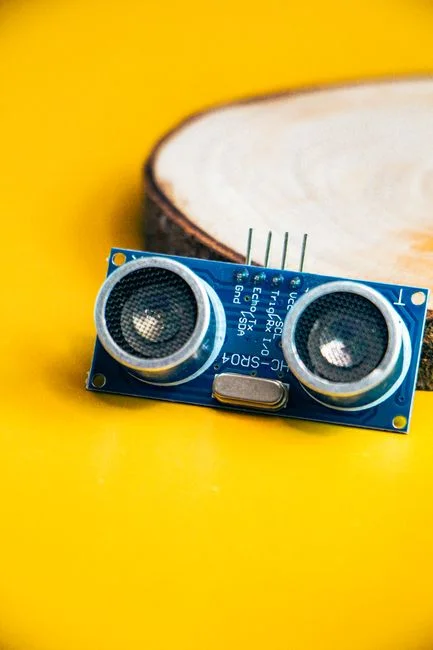
Ask the operator or design engineer to complete the site-data portion of the request, and require each instrument supplier to answer the technical portion against the same tank. This separates known tank conditions from vendor performance claims and gives the buyer comparable quotations.
The site data should include tank geometry, normal water depth, required sludge-interface range, expected suspended-solids profile, surface-scum conditions, installation access, cable routing and hazardous-area classification. The operators must also define the sludge withdrawal strategy, pump start and stop logic, maximum permitted runtime and the alarms needed when the measurement is invalid.
The supplier response should identify the sensor principle, measurement output, stated accuracy, resolution, update interval, available output protocol and maintenance functions. A quoted 4…20 mA output should not be assumed for every project merely because it was used in the KROHNE installation.
| Quote line item | Technical scope to specify | Red flags to check before signing |
|---|---|---|
| Instrument and measurement output | State whether the output is sludge-water interface depth, suspended-solids concentration, calculated sludge volume or an agreed combination; include accuracy, resolution and update interval. | The quote calls the output simply “sludge level” without defining the measurand or its units. |
| Mounting and sensor arrangement | Identify mounting location, tank geometry, water depth, required range, access and any blind-zone arrangement. | No installation drawing or no treatment of the observed scum conditions. |
| Cable and signal integration | Specify cable routing, termination, control-room interface, signal type, scaling, alarms and protocol compatibility. | Signal output is stated without confirming the required protocol, scaling or available control-room input. |
| Commissioning and validation | Define the reference method, test conditions, acceptance duration, allowable deviation and checks under scum, load changes and sludge withdrawal. | Acceptance relies on a presentation or laboratory result rather than comparison at the operating tank. |
| Maintenance and fallback | Specify cleaning, sensor retraction, diagnostics, alarm behavior, consumables, operator training and the manual fallback procedure. | Maintenance access, invalid-reading handling or operator training is omitted from the commercial scope. |
Ask the supplier to document how the instrument distinguishes a valid sludge interface from noise, foam, scum or another abnormal reading. For a new automatic scheme, require the measured value to be linked to pump start, pump stop and maximum-runtime logic. If the control action is not identified in the purchase order, the instrument is not yet a complete withdrawal-control system.
Verify Performance Before Automatic Control
Agree the test location, operating condition, reference method, acceptance duration and maximum allowable deviation before delivery. The reference should be the operator’s manual observation or another approved method, with the test covering the expected sludge-interface range. Manual observation is therefore most useful as an agreed comparison basis during commissioning, not as the primary continuous control signal.
Observe the instrument during scum, changing hydraulic load, sludge withdrawal and other disturbances identified for the tank. Check whether the measurement remains identifiable, whether invalid readings trigger alarms and whether the output can support the specified pump logic. Do not enable automatic pump control solely because the instrument displays a plausible value.
Verify the transmitted signal and scaling in the control room. The documented KROHNE installation used a 4…20 mA signal to transfer measurements to the control room, but each project must confirm its required output. Check the displayed engineering unit, control-room scaling, alarm points, failure indication and behavior on loss of signal.
Document cleaning, sensor retraction, diagnostics, alarm behavior and the manual fallback procedure. The KROHNE application included a water-flush cleaning system triggered after each sensor retraction; the buyer should determine whether a comparable function is required for the selected installation rather than assume it is included.
Connect Measurement to Sludge Handling
Use verified sludge volume and solids data to compare downstream dewatering requirements; interface depth alone does not establish the condition or treatment burden of the withdrawn sludge. For textile sludge, use the textile sludge filter press selection guide to assess filtration-area, cake-moisture and PLC-operation requirements before finalizing sludge handling.
Where a lamella clarifier is part of the process, evaluate lamella clarifier and sludge separation equipment together with the measured sedimentation behavior. The instrumentation controls withdrawal; downstream equipment determines how withdrawn sludge is conditioned and dewatered. Keep those acceptance decisions separate, and compare any plate and frame sludge dewatering equipment against the verified solids and volume information from the tank.
Frequently Asked Questions
Should we select ultrasonic or optical measurement for a tank with surface scum?
Select ultrasonic when the required control output is the sludge-water interface and the supplier can demonstrate stable interface identification under the actual foam and scum conditions. Select optical when suspended-solids concentration is required and the installation includes a defensible strategy for excluding scum, such as the blind-zone approach documented in the KROHNE application. Confirm the decision with a site comparison against the operator’s approved reference.
Which information must the operator provide before requesting an instrument quotation?
The operator or design engineer must provide tank geometry, water depth, required interface range, expected suspended-solids profile, surface-scum conditions, installation constraints, withdrawal strategy and required control actions. The instrument supplier must then state the measurement principle, accuracy, resolution, update interval, output protocol, diagnostic method and site-specific performance evidence. Tank data alone cannot establish instrument suitability.
What should the quotation include beyond the sensor price?
Request separate scope and pricing information for the instrument, mounting arrangement, cable, signal integration, commissioning, cleaning, diagnostics, operator training and manual fallback. Also request the acceptance method and the criteria that will be used to enable automatic withdrawal control. A sensor-only quote does not establish whether the installation can be maintained, integrated and accepted.
What sequence should govern delivery and acceptance?
Complete the site-data request before quotation, require a documented commissioning plan before delivery, and compare the instrument with the approved reference under agreed operating disturbances before enabling automatic control. Specify the final signal scaling, alarm behavior and fallback procedure during commissioning. No universal price or delivery period can be stated without the instrument specification, mounting scope, integration requirements and supplier quotation.