Start with the hotel's seasonal sewage profile
Choose between an underground A/O package plant and an MBR by matching peak-season sewage flow and pollutant loads to the required discharge or reuse route, then verify the route with the responsible authority. Size from average and peak flows, influent analyses, installation constraints and operating responsibilities—not occupancy alone. Use the same comparison method for hotel A/O and MBR treatment to structure that decision.
Begin with the full-season operating case, not annual averages. Record occupied-room nights, daily sewage generation, peak hourly flow, laundry and kitchen operations, cleaning discharges, and the loading created when equipment starts after shutdown. Identify whether start-up and restart conditions require additional biological capacity or containment.
Seasonality is material. Research on the Ravda WWTP, which treats wastewater associated with Sunny Beach, reports that mass tourism is seasonal and that wastewater volume and pollution depend on whether the summer or winter season applies. It also identifies organic accumulation from hotel operations, cleaning, maintenance and waste disposal as wastewater that may be flushed out after the season. The study reports that visitor influx can increase suspended solids through use of water in hotels, restaurants and recreational facilities.
Request laboratory data for COD, BOD5, TSS, TN and TP, plus any contaminants relevant to the receiving water or reuse application. Include sampling points, sampling periods and laboratory identification in the request. If the available data covers only one month or only an off-season period, specify additional peak-season sampling before accepting the plant as flow-sized only.
Confirm the discharge and reuse route before choosing equipment
Identify the receiving water, sewer connection or direct-discharge route before comparing treatment systems. The permit applicable to the project must establish the receiving water, required effluent characteristics and any reuse conditions; another resort’s permit cannot be transferred to the hotel without verification.
The local route should also identify the responsible authority. The cited Bulgarian market overview identifies MOEW for environmental regulation, MRDPW for municipal infrastructure and BVK municipal water companies as relevant actors. Confirm which authority will review the proposed discharge, connection or reuse arrangement and request the applicable permit and technical requirements in writing.
For total phosphorus, the Ravda study cites the comprehensive permit of that WWTP and Bulgaria’s MOEW Water Regulation as establishing a discharge standard of 1 mg/L TP. That value is site-specific evidence and must not be treated as a universal Bulgarian hotel limit. The same commercial overview states that EU UWWTD requirements are mandatory and identifies advanced treatment for 2,000+ equivalent population; the buyer should obtain the actual project classification and applicable consent requirements rather than infer them from the hotel’s population equivalent alone.
| Discharge route or influent problem | Governing rule or process option | What data settles it |
|---|---|---|
| Municipal sewer connection | Connection conditions and the receiving authority’s acceptance criteria; treatment must not be specified from a generic package description. | Written connection approval, receiving sewer capacity, required pretreatment and any sewer-connection fee or contribution. |
| Direct discharge to a receiving water | Project-specific discharge permit and receiving-water requirements; the Ravda TP figure applies only within its stated scope. | Permit, discharge point, applicable limits, flow conditions and monitoring or reporting duties. |
| Treated-water reuse | Effluent quality for the intended use, including the parameters required by that reuse application. | Reuse demand, end use, applicable water-quality specification, storage, distribution and downstream treatment needs. |
| Seasonal or contaminant-sensitive flow | Treatment route must address the actual peak-season load and relevant pollutant or contaminant information. | Peak-season sampling results, operating calendar, COD, BOD5, TSS, TN, TP and site-specific contaminant data. |
Use the packaged sewage treatment plant selection review to keep the permit route separate from assumptions embedded in a supplier’s equipment proposal.
Compare the package-plant and MBR treatment routes
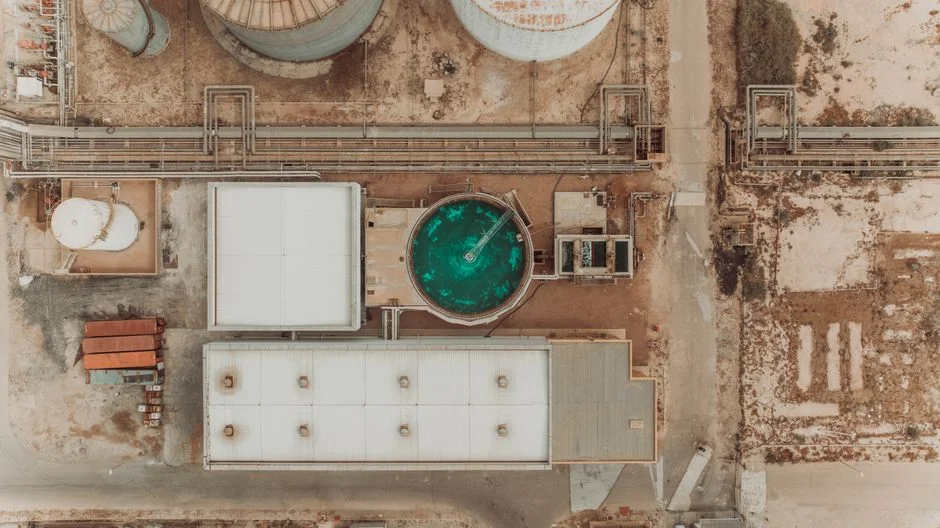
Choose MBR when membrane solids separation, reuse preparation or limited available footprint materially affect the required outcome. Choose an underground A/O biological contact-oxidation package when a compact buried treatment train and integrated configuration are the priorities. Neither route should be accepted without confirming the design flow, required effluent characteristics, installation depth and maintenance access.
An A/O package consolidates the treatment train in an underground installation. For a hotel with an established discharge route and suitable ground conditions, it may reduce the number of separately specified treatment units and keep the process arrangement within a defined package boundary. However, the supplier still needs to demonstrate how biological treatment, solids handling, disinfection and control functions are arranged; the term “package” does not by itself establish the discharge performance.
An MBR separates solids through membranes and can be relevant where the required outcome or footprint makes conventional clarification less suitable. The buyer must also price membrane replacement, cleaning, controls, operator intervention and the consequences of membrane fouling or failure. Those obligations belong in the supplier boundary rather than being treated as exclusions hidden in general O&M wording.
Modularity alone does not prove suitability for the hotel. The cited BIOROCK MULTIROCK example shows that units can be linked and installed in parallel, with a flow-control chamber distributing water among them; it also states that up to nine BIOROCK units can be installed in parallel. Its stated 60–300-person capacity belongs to that named system and must not be transferred to another supplier’s equipment. For the hotel, request the actual design flow, parallel arrangement and demonstrated operating logic.
Use the hotel treatment-route RFQ framework to compare routes against the same site inputs. For an underground installation, request the underground WSZ package sewage treatment plant configuration; for a membrane route, request the integrated MBR membrane bioreactor scope. These are quotation inputs, not evidence that either route meets the project permit.
| Quote line item | Technical scope to specify | Red flags to check before signing |
|---|---|---|
| Design basis and process route | Average and peak daily flow, peak hourly flow, occupancy basis, influent quality, required effluent characteristics and selected A/O or MBR route. | Equipment selected from room count alone; missing peak-season data; unspecified peak factor; site-specific permit conditions omitted. |
| Civil, delivery and installation | Define who supplies excavation, foundations, burial depth, access, lifting, pipework, electrical connection, backfill and reinstatement. | “Turnkey” used without a boundary schedule; hidden civil, electrical or access works; no stated exclusion for site conditions. |
| Controls, power and monitoring | Specify control philosophy, alarms, remote monitoring, power supply connection, backup-power responsibility and required operator interfaces. | Electrical works excluded without confirmation; no alarm list; monitoring described only as optional; backup duty left undefined. |
| Commissioning and acceptance | Define performance demonstrations, test parameters, sampling, documentation, operator training, failure handling and deviation resolution. | Unspecified “compliance”; no acceptance procedure; supplier absent from testing; start-up after seasonal shutdown not addressed. |
| Sludge, chemicals and routine service | Assign sludge removal, chemical supply, membrane maintenance, spare parts, consumables and service-response responsibilities. | Consumables excluded after handover; membrane replacement excluded; sludge disposal route and responsibility not identified. |
The table converts the route decision into priced responsibilities. It does not replace the second buyer tool, which should become part of the request for quotation and pre-signature review.
Build a quotation-ready technical and acceptance schedule
Require each bidder to complete the same design-basis fields and responsibility schedule. Any assumption that changes flow, treatment performance, footprint, electrical demand or the supplier’s scope must be stated explicitly and accepted in writing.
- State design daily flow, peak daily and hourly flow, peak-factor basis, occupancy basis, seasonal operating profile and start-up conditions.
- State the influent basis for COD, BOD5, TSS, TN, TP and site-specific contaminants, including the sampling period and source.
- State the treatment route, required treated-water characteristics and discharge, sewer or reuse destination.
- Define civil works, equipment delivery, installation, electrical connection, controls, commissioning, training, spares, sludge removal, monitoring and O&M.
- Define acceptance tests, performance demonstrations, handover documents, operator training, and the process for resolving failures or deviations.
- Request an itemized quotation with the party responsible for each missing site input clearly identified.
Acceptance should test the quoted functional scope, not merely demonstrate that the equipment starts. Require agreed test conditions, sampling responsibilities, measured parameters, acceptance criteria, witness attendance, retesting rules and a process for addressing nonconformities. Identify whether the supplier or another party will operate the plant during the demonstration and require records that show the selected treatment route—not merely a substituted downstream polishing step.
For handover, request process and equipment documentation, as-built information, operating instructions, control narratives, emergency procedures, maintenance schedules, test records, operator training records and spare-parts information. Where reuse is involved, request verification against the stated reuse application. Where direct discharge is involved, request performance against the project permit rather than a generic compliance statement.
Give suppliers the missing inputs to complete: peak and average sewage flow in m³/day, peak hourly flow, COD, BOD5, TSS, TN and TP; discharge route and receiving water; applicable permit; footprint, burial depth and maintenance access; electricity and backup-power requirements; monitoring preferences; reuse demand; and treated-water quality. The buyer should identify which party supplies each item. This avoids burying an unverifiable assumption inside a packaged sewage treatment plant for hotels in Bulgaria.
The domestic treatment quotation comparison provides a useful structure for requesting technical and commercial exclusions at the same level of detail.
Frequently Asked Questions
What inputs are needed to request a turnkey wastewater treatment quotation for a Bulgarian hotel?
Request peak and average daily flow, peak hourly flow, occupancy basis, influent COD, BOD5, TSS, TN and TP, the discharge or reuse route, applicable permit, available footprint, burial depth, maintenance access, electricity requirements and monitoring preferences. Ask the supplier to return the same completed schedule so omissions remain visible rather than becoming priced assumptions.
How should an MBR be compared with an underground A/O package plant for a hotel?
Compare them against the required effluent or reuse quality, available footprint, seasonal loading, maintenance access, operating resources and lifecycle obligations. An integrated MBR membrane bioreactor should be justified where membrane separation or reuse preparation materially affect the decision; an underground WSZ package sewage treatment plant should be justified where a compact buried treatment train and integrated configuration are the priorities.
Which Bulgarian permit and authority should the buyer consult?
Identify the receiving water or sewer, the responsible municipality or water company, and the applicable environmental and municipal approvals. The market overview cited in this article identifies MOEW for environmental regulation, MRDPW for municipal infrastructure and BVK municipal water companies as relevant actors, but the buyer should obtain written confirmation of the project-specific route and permit from the competent local authority.
How can a buyer compare supplier pricing without accepting unclear exclusions?
Require an itemized quotation covering the design basis, equipment, civil works, delivery, installation, electrical connection, controls, commissioning, training, spares, sludge removal, monitoring and O&M. Compare the exclusions and the named party responsible for every missing site input. Request a quotation based on the completed site data rather than relying on an unverified generic price.