
Match the DAF duty to the wastewater
An industrial effluent treatment plant using a DAF system should be selected from representative wastewater characteristics, peak flow, treatment objectives and site constraints—not from throughput alone. DAF removes suspended matter, oil, grease and colloidal material by attaching microbubbles to particles and floating the resulting froth for skimming. Published examples cover food, textile, paper, mining and oily-water duties. For a Central African Republic project, the required discharge route and permit conditions must be verified locally.
Suspended solids separation and oil and grease removal are the primary objectives for most DAF applications. DAF clarifies wastewater by dissolving air under pressure, releasing fine bubbles at atmospheric pressure, attaching those bubbles to suspended material and removing the floating froth with a skimmer. This process is used for industrial wastewater containing oil or solids, according to the DAF system engineering specifications.
The wastewater analysis must be representative of normal production, cleaning, shutdown and other batch discharges. Request COD, BOD, TSS, pH, oil and grease, turbidity and TDS results, together with flow records and observations of shock loads. A study of an industrial wastewater treatment plant used COD, pH, turbidity and TDS from equalization-tank effluent as model inputs and collected them during 8-hour monitoring over a year; it also reported that static and dynamic models behaved differently under shock loads and time-lag effects. That study is a commercial preprint and was not peer reviewed by a journal, so its monitoring approach is more relevant than any claimed performance value.
Colloidal material may require coagulant or flocculant dosing to form larger clusters that float more readily. The chemical type and dose should be established through representative testing rather than assumed from a generic wastewater category. If the risk of air creating an explosion is relevant to the site, ask the supplier to assess specialist bubble media; the process reference notes that nitrogen may be used in oil-industry applications where air presents an explosion risk.
Compare treatment routes against the project objective
The treatment train must be selected by matching the contaminant problem and final use to the required process sequence. A common industrial sequence begins with preliminary removal of large debris, followed by primary clarification or flotation, biological treatment where organic load requires it, and advanced treatment where the reuse objective demands it. DAF is a primary-treatment option, not a substitute for biological degradation, filtration or membrane treatment.
| Discharge route or influent problem | Governing rule or process option | What data settles it |
|---|---|---|
| High suspended solids or oil and grease requiring primary separation | Use DAF alongside equalization and chemical dosing when representative testing demonstrates improved capture. | TSS, oil and grease, pH, flow profile, batch discharges and results from coagulant and flocculant trials. |
| Biodegradable organic load requiring treatment beyond solids separation | Position DAF upstream of biological treatment rather than treating it as the complete train. | COD, BOD, toxicity information, biodegradability assessment and the intended effluent or reuse quality. |
| Water reuse requiring lower dissolved solids or controlled final quality | Compare DAF pretreatment followed by filtration, UF or RO according to the required final quality. | TDS, turbidity, residual organic load, intended reuse and the receiving or process specification. |
| Central African Republic discharge route | Verify the route and applicable conditions with the competent authority before selecting the treatment objective. | Permit, receiving-point requirements, sewer connection conditions or the proposed discharge authorization. |
Published DAF applications include oil treatment, food processing, textile, paper, cooling-water and mining duties. This diversity supports a specific selection question: what contaminant is being removed, what downstream quality is needed, and what operating pattern must the equipment tolerate? Compare proposals using the best DAF unit selection framework and the available industrial dissolved air flotation system only after the process duty and flow basis are fixed.
Set the hydraulic and equipment basis
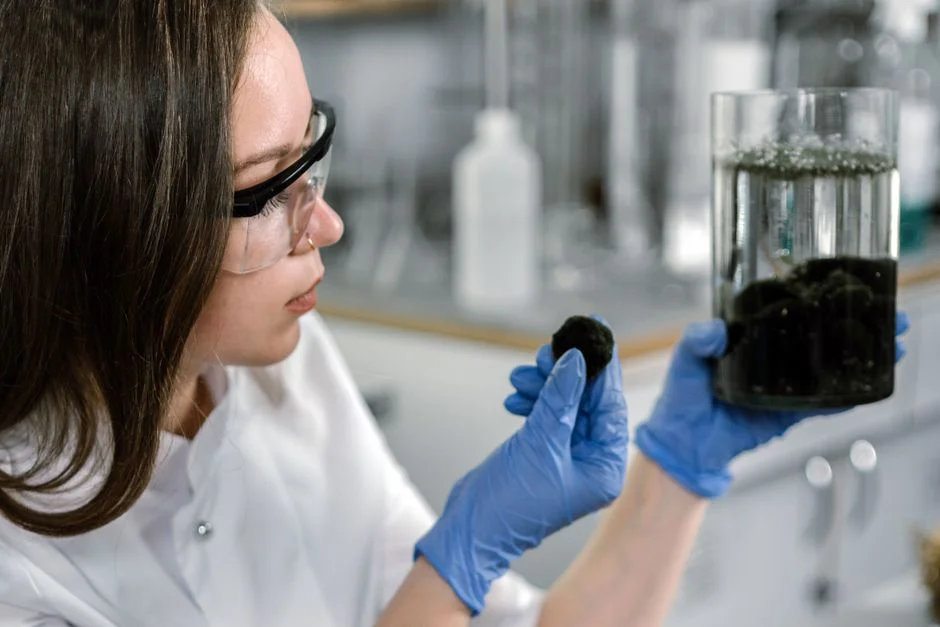
Supplier-provided DAF plant capacity must be supported by wastewater analysis, average flow, peak flow, operating duration and future-expansion allowance. None of those site inputs was supplied for the project, so request measured flow data and representative laboratory results before comparing hydraulic claims.
- Establish the design flow from measured operating records, including shifts, production changes, storm ingress, washdown and batch discharges.
- State whether the quoted capacity applies to average flow, peak flow, continuous operation or another operating condition.
- Confirm whether equalization precedes flotation and how bypasses, off-spec flows and maintenance downtime are handled.
- Compare recirculation, pressure saturation, bubble release and skimming arrangements against the hydraulic load and treatment objective.
The geometry comparison must also use the supplier’s stated hydraulic basis. The supplied process reference gives a residence time of 3 minutes for circular designs and 20 to 30 minutes for rectangular designs. These are process-reference values, not a substitute for hydraulic calculation from project flow, wastewater characteristics and the proposed equipment dimensions.
Chemical dosing should be integrated with the flow and wastewater basis. Where jar or pilot testing supports chemical addition, define the required automatic chemical dosing system, storage arrangement, duty controls and reagent-quality requirements.
Build a quotation-ready technical scope
Bidders must quote the same process boundaries and exclusions to ensure proposals are compared commercially and technically. A generic package description does not establish whether civil works, utilities, controls or downstream treatment are included.
| Quote line item | Technical scope to specify | Red flags to check before signing |
|---|---|---|
| Process design and equipment | Treatment-train diagram, flow streams, sampling points, unit duties, design flow, wastewater basis and target water quality. | No wastewater analysis, no stated peak-flow basis or performance claims unsupported by defined test conditions. |
| Equalization and pretreatment | Tank duty, mixing strategy, aeration or agitation requirements, debris removal, oil and grease management and bypass provisions. | Equalization omitted even though the flow profile or shock loads require it; pretreatment responsibilities left undefined. |
| DAF and chemical dosing | Recirculation, saturation, bubble release, skimming, sludge withdrawal, coagulant or flocculant dosing and local control requirements. | Geometry and residence time are not connected to flow; chemical consumption or sludge removal is excluded without explanation. |
| Civil works and installation | Foundations, containment, access platforms, lifting provisions, drainage, sludge removal route and required building interfaces. | Equipment price presented as an installed price while foundations, wiring or building works remain unspecified. |
| Electrical, controls and utilities | Supply voltage and frequency, power demand, control philosophy, instrument list, compressed-air demand, water demand and backup requirements. | Power availability is assumed rather than confirmed; exclusions for cables, junction boxes or PLC programming are unclear. |
| Commissioning, handover and support | Supplier scope for startup, operator training, manuals, process data, routine maintenance items and local spare-parts support. | Commissioning excludes chemicals, freight, craneage, utilities or third-party testing without an identified allowance. |
Include the operating schedule, proposed demonstration period, delivery responsibilities and imported-equipment support in the RFQ. Ask each bidder to distinguish factory testing, site commissioning and performance demonstration. The quoted price should also state what treatment objectives are included: removal, reuse, discharge, sludge recovery or a combination.
Define acceptance tests before signing
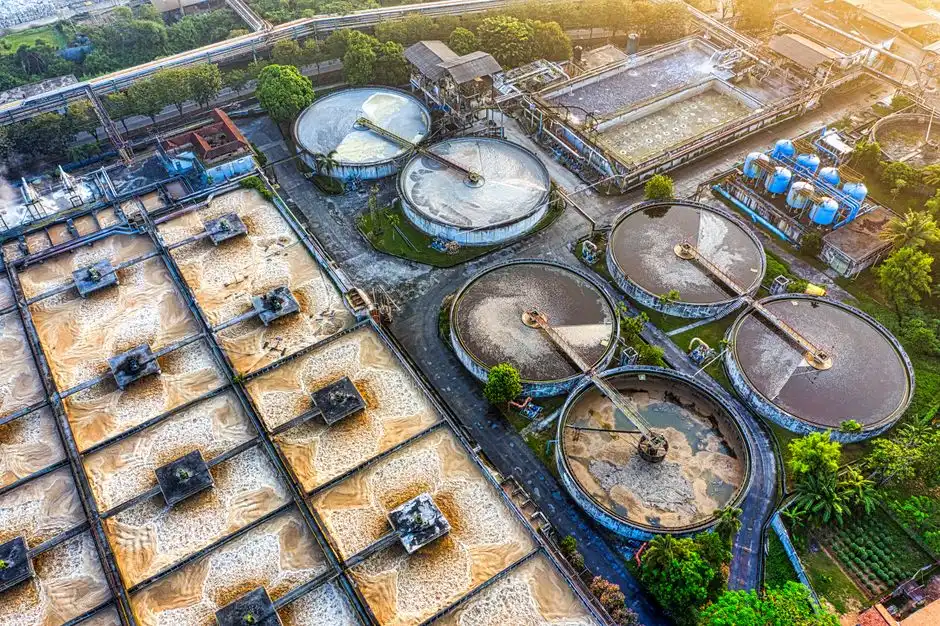
Performance acceptance testing matrices must be established before contract signature. For each parameter, define the test method, sampling point, test frequency, acceptance criterion and responsible party. The criterion should state the wastewater basis and operating condition; otherwise, a supplier could meet the test only under conditions that do not represent factory discharge.
- Specify the sampling locations for influent, DAF effluent and any reused or discharged stream.
- State how flow variation, chemical dosing, sludge removal and operating stability affect the test.
- List electrical power, compressed air, process water and chemical consumption conditions to be measured.
- Identify exclusions for pretreatment, abnormal influent, production downtime and utility interruptions.
- Define the consequences of influent deviation from the agreed wastewater basis.
- Define documentation required for final acceptance, including test results, operator training and as-built documents.
Published project examples do not serve as proof of local regulatory compliance. The available application list demonstrates varied uses, but it does not establish a Central African Republic reference installation. Before guaranteed effluent limits are written into the purchase order, obtain the applicable discharge route, permit conditions and receiving-environment requirements from the competent authorities. No verified jurisdictional requirement was available, so the responsible project engineer or environmental adviser must obtain and attach the applicable documentation.
Further Reading
Frequently Asked Questions
How should wastewater analysis determine the DAF configuration?
Use representative analysis to identify the separation duty and confirm whether chemical dosing is necessary. Request COD, BOD, TSS, pH, oil and grease, turbidity and TDS, then use testing to establish suitable coagulant or flocculant type and dose. DAF should be selected for suspended-material and oil removal; biological or advanced treatment is required when the final objective includes organic degradation, dissolved-solids control or reuse.
What flow and operating data should be included in the RFQ?
Include average flow, peak flow, operating duration, production schedule, batch discharges, future expansion allowance and the wastewater analysis supporting every capacity statement. Ask the bidder to state exactly which flow condition its equipment rating covers. These project inputs were not supplied, so obtain measured flow records before comparing DAF plant sizing proposals.
Which costs and exclusions must be defined in the quotation?
Request separate prices for the DAF package, equalization, pretreatment, chemical dosing, civil works, electrical installation, controls, utilities, commissioning, training, freight, import handling and local support. Require the bidder to identify excluded foundations, buildings, chemicals, craneage, third-party testing and disposal arrangements. Without this breakdown, the buyer cannot compare total installed cost or determine which party carries an interface risk.
What should the supplier demonstrate before final acceptance?
Require site performance testing against the agreed wastewater and flow basis, with agreed sampling points, test methods, operating conditions and acceptance criteria. The demonstration record should also cover chemical consumption, utility consumption, sludge withdrawal, control operation and operator training. Do not accept final acceptance based only on a factory test or generic compliance statement.