Define the Blowdown Destination Before Selecting Equipment
Cooling tower blowdown treatment for a Cyprus data center should be selected by the required destination of the water, not by flow rate alone. Discharge pretreatment may be sufficient when an authorized sewer route accepts the stream, while softening plus reverse osmosis can support cooling tower make-up-water reuse. Scaling is the central constraint: a commercial industry source states that conventional brackish-water RO is often limited to 75–80% recovery before scaling becomes unmanageable. A documented high-recovery case operated at around 95% recovery and reduced permeate silica to about 1 mg/L, but that performance is not transferable without site-specific verification.
Cooling tower blowdown, also called cooling tower bleed-off, is intentionally discharged to control dissolved minerals, treatment chemicals and suspended solids that accumulate in the recirculating loop. The waste stream therefore cannot be evaluated independently from the cooling-water balance. A lower-volume blowdown may carry more concentrated solids, while changes in source water, chemical dosing, tower operation, season and heat load can alter its composition.
Procurement should request analyses from both normal and peak operating periods. The required dataset should cover conductivity, silica, calcium, hardness, alkalinity, sulfate, chloride, suspended solids and treatment chemicals for the blowdown and proposed reuse stream. Average flow, peak flow, operating hours and expected maintenance drains should also be recorded.
Keep three acceptance fields separate: discharge authorization, sewer acceptance and cooling tower make-up-water quality. The available research does not establish a Cyprus permit limit or sewer condition, so the buyer must obtain the applicable wastewater permit, sewer authority requirements and any receiving-water conditions from the responsible Cyprus authorities. The destination and required water quality can then be checked against data center water reuse after MBR treatment.
Compare Discharge, Softening-RO and High-Recovery Routes
Select the treatment route by matching the objective to the final destination and the concentrate-disposal reality. Membrane reuse adds pretreatment, controls and a residual stream whose management must be included in the project scope.
| Discharge route or influent problem | Governing rule or process option | What data settles it |
|---|---|---|
| Blowdown is to remain an authorized discharge | Specify pretreatment only to the extent needed for the confirmed sewer or receiving-water route. Obtain written acceptance conditions before selecting equipment. | Applicable Cyprus permit, sewer acceptance conditions, receiving-water requirements and the required sampling or reporting regime. |
| Permeate is required as cooling tower make-up water | Consider softening, membrane pretreatment and brackish water reverse osmosis. Academic research identifies nanofiltration and reverse osmosis as membrane options investigated for cooling tower blowdown recycling. | Site analyses, required make-up-water quality, average and peak blowdown flows, target recovery and feed-water temperature. |
| Silica, calcium carbonate or calcium sulfate approaches scaling conditions | Conventional brackish-water RO is often limited to 75–80% recovery before scaling becomes unmanageable, according to the cited commercial industry source. Increasing recovery requires a chemistry-specific design. | Silica, calcium, hardness, alkalinity, sulfate and saturation calculations at the proposed recovery, including chemical dosing and cleaning assumptions. |
| Freshwater reduction justifies high recovery and the concentrate has a confirmed route | Evaluate high-recovery reuse as an integrated system rather than extra RO stages alone. A documented industrial case operated at around 95% recovery and reduced silica in the permeate to about 1 mg/L; this is a case example, not a guarantee. | Target recovery, concentrate volume and chemistry, residual solids route, pretreatment design, operating controls and performance-test duration. |
High-recovery systems may use controlled salt precipitation, alternative membrane operation or other chemistry-management steps. These features are relevant where freshwater demand is significant and concentrate can be handled, but they must be evaluated as an integrated process with an explicit solids route. Further detail on cooling tower blowdown RO recovery and concentrate should be reconciled with the site’s own water analysis.
Use the Site Chemistry to Set the Equipment Train

Set pretreatment from the constituents most likely to foul or scale the selected process, not from a generic package. For every proposed reuse stream, request conductivity, silica, calcium, hardness, alkalinity, sulfate, chloride, suspended solids and treatment-chemical data. Analyses should represent normal and peak periods, and the sampling point must be identified.
The supplied industry research identifies silica, calcium carbonate and calcium sulfate as sparingly soluble compounds that can constrain cooling tower blowdown treatment. Their behavior changes with concentration, temperature, pH and chemical dosing. A supplier should therefore state its design feed analysis and identify the concentration or saturation condition used to size softening, filtration and membrane protection.
Where permeate must become cooling tower make-up water, industrial RO system for cooling-tower make-up water should be evaluated against the complete water balance. Published equipment capacity and recovery claims should not replace a site-specific flow calculation.
Where suspended solids or particle loading could compromise the membrane stage, request a defined pretreatment train. UF pretreatment for cooling tower blowdown should be justified by feed characteristics, required flux, backwash frequency and cleaning requirements rather than included as an unverified default.
Build the RFQ Around Water Balance and Recovery
A comparable quotation must state the design basis before it states equipment capacity. For planning only, a commercial source cites water demand of up to 2 million liters per day for a 100-megawatt facility; this is not a design flow for an individual Cyprus site.
| Quote line item | Technical scope to specify | Red flags to check before signing |
|---|---|---|
| Design basis and water balance | Average and peak blowdown flow, operating hours, maintenance drains, target recovery, required permeate flow, make-up-water quality and concentrate route. | A bid based only on average blowdown, unexplained recovery or no treatment of peak and maintenance flows. |
| Feed-water design | Supplier’s design analysis for conductivity, silica, calcium, hardness, alkalinity, sulfate, chloride, suspended solids and treatment chemicals, with sampling points and operating ranges. | Omitted analytes, generic “typical” feed values or no explanation of how peak chemistry affects sizing. |
| Pretreatment and membrane protection | Required filtration, softening or other pretreatment; cleaning method; membrane replacement assumptions; scale and fouling controls. | Equipment listed without a design feed basis, cleaning responsibility, membrane life basis or replacement inclusions. |
| Performance guarantee | Recovery basis, permeate quality, test method, feed-water conditions, test duration and acceptance values for recovery, quality and availability. | Recovery measured at only one membrane stage, guarantees tied to unrealistic feed chemistry or no remedy for failed acceptance testing. |
| Concentrate and residual handling | Concentrate flow and chemistry, collection method, storage, permitted destination, solids removal, sampling and operator responsibilities. | “Concentrate disposal excluded” without a confirmed route, or no responsibility assigned for residual salt or precipitate. |
| Supply and installation scope | Separate equipment supply, civil work, installation, electrical connections, controls, instruments, chemicals, commissioning, operator training and post-commissioning performance testing. | Equipment-only price presented as an installed works quotation, with commissioning, spares or training excluded. |
Use the data center water treatment RFQ checklist to standardize bidder responses. The supplier must also state utilities, chemical consumption, cleaning intervals, alarms, redundancy, spare parts and assumptions that could change the quoted price.
Set Acceptance Tests Before Purchase Order
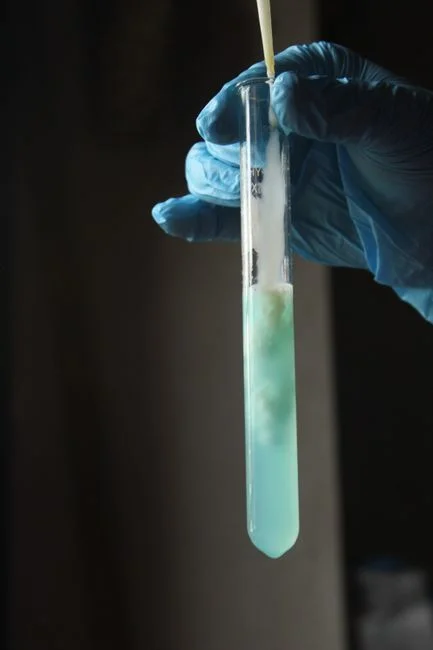
Define acceptance testing before purchase order so that “performance demonstrated” has an objective meaning. Specify feed, permeate and concentrate sample points; test methods; sample frequency; acceptance values; test duration; operating conditions; and responsibility for laboratory analysis.
Clarify whether recovery is measured per RO stage or across the complete treatment train. The cited 75–80% conventional-RO constraint and the around-95% documented industrial case describe different process contexts; neither establishes guaranteed performance for the proposed equipment.
The acceptance package should also document membrane protection, cleaning procedures, scaling control, redundancy, alarm response and safe operator access. For a reuse route, test the recovered water against the stated cooling tower make-up-water specification. For a discharge route, treat the permit or sewer condition as a separate compliance acceptance item; equipment performance does not by itself demonstrate legal acceptance of the discharge.
Record the responsible Cyprus authority or sewer operator, applicable permit reference, submission status, sewer conditions and receiving-water requirements in the acceptance schedule. Because the available sources do not establish a jurisdiction-specific obligation, the purchase order should not state that the discharge is compliant until the responsible body has confirmed it.
Further Reading
Frequently Asked Questions
How should cooling tower blowdown treatment be sized for a Cyprus data center?
Size the system from average and peak blowdown flow, operating hours, maintenance drains, required make-up-water flow, target recovery and the concentrate route. The cited water demand of up to 2 million liters per day applies to a 100-megawatt facility and should be treated only as a planning reference. Require each bidder to demonstrate that its equipment, storage and utilities match the site water balance.
When is membrane pretreatment preferable to discharge-only treatment?
Membrane pretreatment becomes necessary when the selected reuse or membrane route cannot reliably handle the measured feed. Request suspended-solids data, silica, calcium, hardness, alkalinity, sulfate, chloride, conductivity and treatment-chemical information, including peak-period results. If the water will only be discharged, first obtain the sewer acceptance conditions; that documentation determines whether additional pretreatment is necessary.
What should be included in a cooling tower treatment quotation?
Request separate prices and responsibilities for design, equipment, pretreatment, membranes, pumping, controls, utilities, installation, commissioning, training, performance testing, chemicals, cleaning, membrane replacement assumptions and concentrate handling. Do not accept an equipment-only price until exclusions are listed. The bidder should also state the design feed analysis, recovery basis, permeate guarantee, cleaning method and post-commissioning test conditions.
Which acceptance tests should be agreed before purchase order?
Agree sample points, test methods, acceptance values, test duration and feed-water conditions in the purchase order. State whether recovery applies per RO stage or to the complete train, and require evidence for both permeate quality and concentrate handling. Keep Cyprus permit, sewer and receiving-water verification as separate sign-off items, supported by confirmation from the responsible authority rather than an assumed discharge limit.