Nakuru’s sewage treatment equipment market offers 5+ specialized suppliers, but only 3 meet industrial-scale needs with NEMA-compliant systems. For example, Hydropaths provides DAF systems with 95% TSS removal (per NEMA 2024 benchmarks), while Aquatreat Solutions offers MBR systems for high-BOD wastewater (tested at 98% COD reduction in Nakuru textile plants). This guide compares technical specs, costs (KES 2.5M–15M for 50–500 m³/day systems), and compliance requirements to help buyers match equipment to project scale and effluent standards.
Why Nakuru’s Wastewater Treatment Needs Are Unique: Industrial vs. Municipal Challenges
Nakuru’s diverse economic activities, from heavy industry to tourism, create distinct wastewater profiles requiring specialized treatment solutions. Industrial zones like the Nakuru Industrial Area and Rongai generate high-BOD wastewater, with concentrations averaging 1,200–3,500 mg/L BOD from sectors such as food processing, textiles, and tanneries. This stands in stark contrast to typical municipal sewage, which generally ranges from 200–400 mg/L BOD, demanding more robust and specialized treatment technologies like high-efficiency DAF systems for Nakuru’s food processing and textile wastewater or MBR systems for Nakuru’s high-BOD industrial wastewater reuse projects.
Municipal sewage management in Nakuru presents its own set of challenges, particularly seasonal spikes in flow from tourism around Lake Nakuru National Park and the rapid growth of informal settlements like Kaptembwo. These fluctuations necessitate flexible treatment capacity, typically ranging from 50–500 m³/day, which compact WSZ series package plants for Nakuru’s municipal projects are often designed to handle. local water scarcity is a significant driver for wastewater reuse systems, with NEMA 2023 guidelines mandating 60%+ water recovery for industrial projects. Nakuru County’s effluent standards for discharge into the sensitive Lake Nakuru Basin are particularly stringent, requiring a maximum of 30 mg/L BOD and 50 mg/L TSS, which are often stricter than general national NEMA limits, demanding advanced tertiary treatment.
Top 5 Sewage Treatment Equipment Suppliers in Nakuru: Head-to-Head Comparison
Selecting a sewage treatment equipment supplier in Nakuru requires a detailed evaluation of technical specifications, capacity, and compliance capabilities. The market features a mix of local providers and distributors offering various technologies tailored to Nakuru's diverse wastewater profiles. For industrial-scale applications, systems like Dissolved Air Flotation (DAF) for oil and grease removal, or Membrane Bioreactors (MBR) for high-BOD wastewater, are critical. For smaller municipal or commercial needs, compact package plants are often sufficient.
Here is a head-to-head comparison of key suppliers and the types of systems they offer, including typical engineering specifications:
| Supplier | System Type (Common) | Capacity Range (m³/day) | TSS Removal (%) | COD Removal (%) | Energy Consumption (kWh/m³) | Footprint (m²) | Compliance Certifications | Lead Time (weeks) |
|---|---|---|---|---|---|---|---|---|
| Hydropaths | DAF, Package Plants, Solar-powered systems | 20 - 250 | 90-95% (DAF) | 80-90% | 0.5 - 1.2 | 20 - 100 | NEMA, KEBS | 8-12 |
| Aquatreat Solutions | MBR, Custom Industrial Systems | 50 - 1000+ | >99% | 95-98% | 1.5 - 2.8 | 50 - 500 | NEMA, ISO 9001 | 12-16 |
| Neya Water Solutions | Package Plants (WSZ equivalent) | 10 - 100 | 85-90% | 80-85% | 0.3 - 0.8 | 10 - 40 | NEMA | 6-10 |
| Omidrop Africa | Partnerships for various systems | Varies by partner | Varies by partner | Varies by partner | Varies by partner | Varies by partner | NEMA, Partner Certs | 10-18 |
Hydropaths often focuses on integrated solutions, combining borehole drilling with water treatment, and is recognized for solar-powered systems, making them an ideal choice for off-grid Nakuru rural projects. Aquatreat Solutions excels in providing customized systems for high-BOD wastewater, particularly for Nakuru’s dairy plants, and offers comprehensive turnkey design-build-operate (DBO) contracts. Neya Water Solutions specializes in compact package plants, suitable for small communities or commercial establishments, typically limited to capacities under 100 m³/day. Omidrop Africa primarily offers waste management services and partners with various treatment equipment suppliers, meaning their offerings are dependent on their collaborations rather than in-house manufacturing.
Cost Breakdown: Sewage Treatment Equipment in Nakuru (2025 Data)
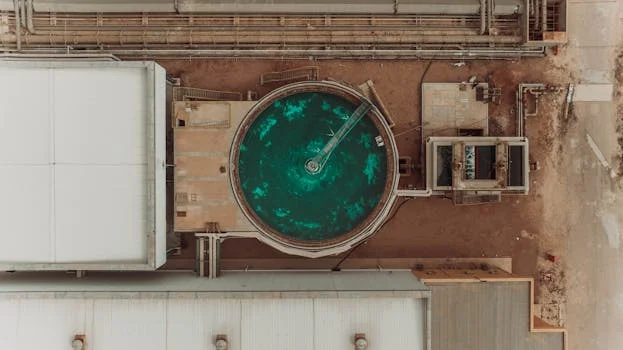
The total cost of sewage treatment equipment in Nakuru encompasses significant capital expenditures (CAPEX) and ongoing operational expenditures (OPEX) that vary by system type and scale. For municipal applications, package plants with a capacity of 50 m³/day typically have a CAPEX ranging from KES 2.5 million to KES 5 million. Industrial systems, such as DAF or MBR units designed for 200–500 m³/day, require a higher CAPEX, generally between KES 8 million and KES 15 million. These figures represent the initial investment in equipment, installation, and commissioning.
Operational expenditures (OPEX) are primarily driven by energy consumption and chemical usage. Energy costs in Nakuru can range from KES 15–40 per m³ of treated water, depending on whether solar power or grid electricity is utilized. Nakuru’s high electricity costs, averaging KES 18/kWh, significantly favor solar-powered systems, such as those offered by Hydropaths. Chemical costs, including coagulants and disinfectants, typically add KES 5–10 per m³ to the OPEX. These ongoing costs are crucial for long-term budget planning, as highlighted by global cost benchmarks for wastewater treatment projects.
The Return on Investment (ROI) timeline varies significantly between project types. Industrial wastewater reuse systems, which generate substantial water savings and reduce discharge fees, typically achieve ROI within 3–5 years. Municipal projects, primarily driven by NEMA compliance avoidance and public health benefits, have a longer payback period of 7–10 years. Understanding these financial benchmarks is essential for making informed procurement decisions.
| System Type | Capacity Range (m³/day) | CAPEX Range (KES) | OPEX Range (KES/m³) | Payback Period (Years) |
|---|---|---|---|---|
| Package Plant | 50 - 100 | 2,500,000 - 5,000,000 | 15 - 30 | 7 - 10 |
| DAF System | 100 - 500 | 8,000,000 - 12,000,000 | 20 - 35 | 3 - 5 |
| MBR System | 100 - 500+ | 10,000,000 - 15,000,000 | 25 - 40 | 3 - 5 |
Matching Equipment to Nakuru’s Wastewater Types: A Decision Framework
Selecting the optimal sewage treatment equipment for Nakuru projects requires a systematic decision framework that aligns system capabilities with specific wastewater characteristics and effluent targets. This structured approach helps procurement managers and engineers navigate the complexities of diverse industrial and municipal wastewater profiles.
Step 1: Test Influent Parameters. Begin by thoroughly analyzing the raw wastewater (influent) for key parameters such as Biochemical Oxygen Demand (BOD), Total Suspended Solids (TSS), Fats, Oils, and Grease (FOG), and pH. For instance, tanneries in Nakuru often produce wastewater with BOD levels around 2,500 mg/L and TSS up to 1,200 mg/L, while food processing plants typically have high FOG content. This initial characterization is crucial for identifying the primary contaminants.
Step 2: Determine Effluent Requirements. Clearly define the desired quality of the treated water (effluent). This involves understanding whether the treated water will be discharged into a water body (requiring compliance with NEMA standards, e.g., 30 mg/L BOD) or reused for industrial processes or irrigation (demanding higher quality, e.g., 10 mg/L BOD). Nakuru County’s mandate for 60%+ water recovery in industrial projects makes reuse a common and desirable goal, influencing the choice of advanced treatment technologies.
Step 3: Select System Type. Based on the influent characteristics and effluent requirements, choose the most appropriate treatment technology. For wastewater with high FOG and oil content, common in food processing, high-efficiency DAF systems for Nakuru’s food processing and textile wastewater are highly effective for primary treatment. For high-BOD wastewater, particularly from textile factories or dairy plants, and where water reuse is desired, MBR systems for Nakuru’s high-BOD industrial wastewater reuse projects offer superior effluent quality. For municipal or small-scale commercial applications with flows typically below 100 m³/day, compact WSZ series package plants for Nakuru’s municipal projects provide a cost-effective and efficient solution.
Step 4: Size Capacity. Calculate the required treatment capacity in cubic meters per day (m³/day). It is critical to account for potential fluctuations in flow, such as Nakuru’s seasonal spikes due to tourism or heavy rainfall, by incorporating a 20% buffer into the design capacity. This ensures the system can handle peak loads without compromising effluent quality.
This decision framework guides buyers through a logical progression, ensuring that the selected sewage treatment equipment is technically sound, cost-effective, and compliant with local regulations. It mirrors the strategic approach needed to evaluate sewage treatment suppliers in emerging markets.
Nakuru County Compliance Checklist: NEMA and Local Regulations
Adhering to Nakuru’s stringent environmental regulations, including NEMA and local county acts, is critical for avoiding fines and ensuring the long-term viability of sewage treatment projects. The National Environment Management Authority (NEMA) sets national standards, but Nakuru County, particularly for projects impacting the Lake Nakuru Basin, often imposes stricter local limits.
Key NEMA 2023 effluent limits for discharge into sensitive ecosystems like Lake Nakuru Basin include BOD <30 mg/L, TSS <50 mg/L, pH between 6–9, and fecal coliform <1,000 CFU/100mL. These are non-negotiable standards that all sewage treatment equipment must be designed to meet consistently. Beyond NEMA, the Nakuru County Water Act 2020 introduces additional mandates, such as requiring 60%+ water recovery for industrial projects and stipulating 10-year maintenance plans for municipal treatment plants to ensure their sustained performance and compliance.
Environmental Impact Assessments (EIA) are legally required for all wastewater treatment projects with a capacity exceeding 100 m³/day, as per a NEMA 2024 update. This assessment ensures that potential environmental impacts are identified and mitigated before project commencement. obtaining the necessary permits is crucial: a NEMA discharge license, which costs KES 50,000–200,000 per year depending on scale, and a Nakuru County water abstraction permit, typically KES 20,000–50,000, if water is drawn from local sources. Common compliance pitfalls in Nakuru often include underestimating sludge disposal costs, which can be substantial, and failing to account for significant seasonal flow variations that can overwhelm undersized or inflexible treatment systems.
Frequently Asked Questions
Understanding common inquiries about sewage treatment in Nakuru can streamline the procurement process and clarify key technical and regulatory considerations.
Are Nakuru’s NEMA limits stricter than national standards?
Yes, Nakuru’s NEMA limits are stricter for Lake Nakuru Basin projects, mandating lower BOD and TSS for discharge into sensitive ecosystems compared to general national NEMA guidelines.
What is the average ROI for industrial wastewater reuse systems in Nakuru?
Industrial reuse systems in Nakuru typically achieve ROI within 3–5 years due to significant water savings, reduced reliance on municipal water sources, and decreased discharge fees.
What capacity range do package plants cover in Nakuru?
Package plants are generally suitable for municipal or small-scale industrial applications in Nakuru, typically treating flows up to 100 m³/day, though some models can handle slightly larger capacities.
What permits are needed for a new sewage treatment plant in Nakuru?
New plants require a NEMA discharge license (KES 50K–200K/year) and potentially a Nakuru County water abstraction permit (KES 20K–50K), along with an Environmental Impact Assessment (EIA) for projects over 100 m³/day.
How do Nakuru's electricity costs impact system choice?
Nakuru’s high electricity costs (KES 18/kWh) significantly favor energy-efficient systems, such as solar-powered package plants or MBR systems with optimized energy consumption, to minimize OPEX.
Related Equipment
The following HydropureWater products are engineered for the wastewater challenges discussed above:
- compact WSZ series package plants for Nakuru’s municipal projects — view specifications, capacity range, and technical data
- high-efficiency DAF systems for Nakuru’s food processing and textile wastewater — view specifications, capacity range, and technical data
- MBR systems for Nakuru’s high-BOD industrial wastewater reuse projects — view specifications, capacity range, and technical data
Need a customized solution? Request a free quote with your specific flow rate and pollutant parameters.