Choose the Right System by Following the Wastewater
A factory in Cairo generally needs a DAF system when its wastewater contains oil and grease, suspended solids, or colloidal material that is poorly removed by gravity separation. A full industrial ETP may be required when the discharge also needs biological treatment, polishing, disinfection, or reuse. The correct choice cannot be determined from flow alone: first establish the wastewater analysis, peak flow, pollutant load, discharge or reuse target, available footprint, and utilities. Safe-Guard reports DAF removal of 70–98% of suspended solids and 80–99% of oil and grease under suitable conditions, but final sizing requires project-specific testing and design.
An industrial effluent treatment plant is the complete treatment train, not one machine. It may combine physical separation, chemical coagulation-flocculation, biological treatment, filtration, disinfection, and sludge handling. Dissolved air flotation is one physical separation process: injected air bubbles attach to suspended particles and floatable contaminants, which are skimmed from the surface. DAF can therefore serve as the primary treatment step, a pretreatment step before biological treatment, or one part of a broader ETP.
Use this initial screening rule: if the objectives are floatable-solids, oil, grease, and suitable colloidal separation, compare DAF with sedimentation and dedicated oil-water separation. If biodegradable organics remain and the final water must meet a biological or reuse requirement, evaluate DAF followed by biological treatment against a physico-chemical ETP. If polishing, filtration, or disinfection is required, include those stages rather than assuming DAF establishes reuse suitability.
Industry labels do not determine the configuration. A refinery, food plant, textile plant, and metal-finishing factory can produce different pollutant profiles and need different treatment objectives. In refinery wastewater, the Quora explanation dated July 15, 2025 describes DAF removing emulsified oil and fine solids before biological reactors, where residual oil could impair oxygen transfer and the microbial population. That pretreatment role should be verified against the actual wastewater rather than copied between sectors.
| Wastewater or target | Initial treatment path | Selection evidence required |
|---|---|---|
| Oil, grease, floatable solids, suitable colloids | DAF-centered treatment | Representative oil-and-grease, suspended-solids, flow, and solids-loading data |
| Biodegradable organics plus floatable contaminants | DAF pretreatment followed by biological ETP | BOD, COD, biodegradability, nutrients, and final-water target |
| Discharge or reuse requiring additional quality | Broader ETP with biological, filtration, membrane, or disinfection stages as required | Applicable Egyptian receiving or reuse requirements |
For a preliminary equipment discussion, review the industrial DAF system options and use the 2026 DAF unit selection framework to define the information that must accompany a quotation. The output should be one or two defensible treatment paths, not a model selected from flow alone.
What Wastewater Analysis Does a Cairo Factory Need?
Representative sampling is the first design input because a single spot sample can miss concentrated production, cleaning, or batch-discharge conditions. Request sampling across normal production, peak production, cleaning, and dumping periods, then ask the laboratory to report pH, suspended solids, oil and grease, BOD, and COD. Add analysis for contaminants specific to the factory, such as metals, dyes, solvents, surfactants, or high-salinity constituents where relevant.
The flow record must resolve timing as well as volume. Record average and peak flow, operating shifts, production expansion plans, batch discharges, and expected wastewater temperature. Explain which streams can occur simultaneously: production wastewater, washing, floor drainage, laboratory drainage, and vehicle-washing water may have different pollutant concentrations but contribute to the same hydraulic peak.
Define the receiving route before selecting the final process. A factory discharging to a sewer, receiving a direct permit, reusing water in a process, or considering irrigation has different information needs. Obtain the applicable receiving or reuse requirements from the relevant Egyptian authority or receiving utility; the supplied research does not establish universal Cairo discharge limits.
The site survey should also identify available footprint, electrical power, compressed air, service water, chemical storage, drainage, equipment access, and sludge-disposal arrangements. These are project-specific constraints, and the supplied research provides no universal Egyptian flow or footprint requirement. For solids entering the plant, check whether screening is needed before a PLC-controlled chemical dosing skid or the flotation unit.
The academic textile-industry fact sheet, FS-PRIM-003, undated, states that DAF systems should be optimized according to wastewater characteristics. Its textile scope does not create a Cairo design rule, but the engineering principle applies: chemical selection, flocculation, and flotation performance should follow the actual wastewater rather than a generic unit configuration.
| Information request | Record or obtain | Why it affects selection |
|---|---|---|
| Representative wastewater analysis | pH, suspended solids, oil and grease, BOD, COD, and process-specific contaminants | Defines treatment objectives and chemical demand |
| Flow profile | Average and peak flow, shifts, simultaneous discharges, batch events, and future production | Sets hydraulic duty and equalization requirements |
| Final destination | Discharge route, process-reuse target, irrigation proposal, and applicable requirements | Determines biological, polishing, filtration, and disinfection needs |
| Site and utilities | Footprint, power, compressed air, water, drainage, access, chemical storage, and sludge route | Establishes constructability and operating constraints |
Match DAF, ETP, or a Combined Treatment Train
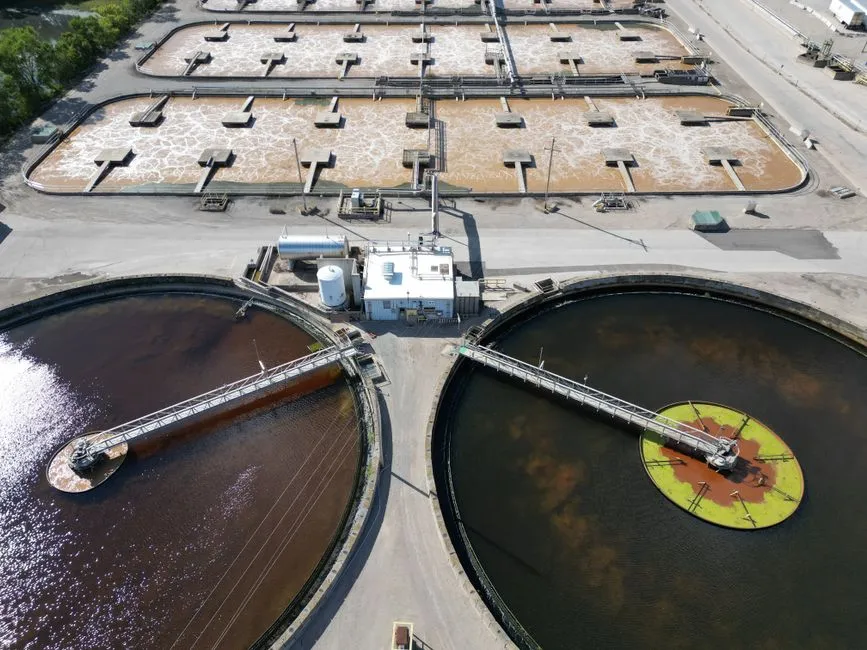
DAF is the strongest initial candidate when the wastewater contains floatable solids, oil, grease, or suitable colloidal material and the target can be met by physical separation. Compare it with sedimentation and dedicated oil-water separation on contaminant characteristics, hydraulic behavior, sludge handling, and site footprint. The DAF oil-water separator selection guide provides the basis for that comparison; DAF should not be treated as a universal substitute for a purpose-built separator.
Where biodegradable organics remain, a combined train is usually the more defensible architecture. DAF can remove material harmful to downstream biological treatment, after which an ETP can address the remaining organics and required final quality. A physico-chemical ETP may be preferable when biological treatment is not appropriate, but the decision should use BOD, COD, biodegradability, treatment objective, and receiving requirements—not industry labels alone.
For reuse-sensitive applications, distinguish solid-liquid separation from complete reuse qualification. DAF primarily separates floatable and suspended material. It does not by itself establish microbiological safety or demonstrate that the water meets an intended process or irrigation requirement. Biological treatment, membrane separation, filtration, or disinfection may still be necessary, depending on the receiving route and applicable criteria.
Safe-Guard’s commercial DAF source, undated, reports suspended-solids removal of 70–98%, oil-and-grease removal of 80–99%, BOD reduction of 30–70%, and COD reduction of 20–60% under the source’s stated conditions. These are useful screening ranges, not guaranteed Cairo outcomes or contractual guarantees. The same source says DAF can operate faster and in a smaller footprint than sedimentation; require the supplier to substantiate that claim for the project’s flow, load, and available area.
Published capacity information also needs careful interpretation. HydropureWater lists 13 standard DAF models from 4 to 300 m³/h, while Safe-Guard describes custom DAF examples from 385 KLD to over 500 KLD. These ranges indicate available configurations, not the correct unit for a factory. Duty-based hydraulic and solids-loading calculations must determine selection. For a biological or reuse-oriented train, an integrated treatment configuration such as an MBR wastewater treatment system may need evaluation alongside a conventional ETP.
| Configuration | Best-fit objective | Key limitation to verify |
|---|---|---|
| DAF-centered treatment | Remove floatable solids, oil, grease, and suitable colloidal material | Confirm remaining pollutants, chemicals, and sludge route |
| DAF plus biological ETP | Protect biological treatment and remove biodegradable organics | Confirm biodegradability, nutrients, loading, and final-water target |
| Physico-chemical ETP | Remove contaminants through chemical and physical stages where biological treatment is unsuitable | Confirm residual pollutant and reuse requirements |
| DAF plus biological, filtration, membrane, or disinfection stages | Meet a more demanding discharge or reuse objective | Do not infer final suitability from DAF removal ranges |
How the Industrial DAF System Works
A DAF unit separates pollutants through a controlled sequence: wastewater conditioning, coagulation-flocculation, saturator pressurization, release into the flotation chamber, bubble-particle attachment, skimming, and clarified-water collection. The objective is to create flocs that can attach reliably to bubbles and rise as a skimmable float.
Safe-Guard identifies the principal elements as a coagulation-flocculation tank, a saturator, a flotation chamber, and automated controls that optimize dosing according to influent quality. The Quora explanation dated July 15, 2025 describes recycled clarified water being pressurized and saturated with air before entering the flotation tank. When pressure falls, dissolved air forms microbubbles that attach to suspended solids and oil droplets, while a mechanical skimmer removes the accumulated froth.
Safe-Guard’s commercial source, undated, describes typical saturator pressure as 40–70 psi. Treat this as a source-reported operating range, not a universal setting or a substitute for the selected duty calculation. The Quora explanation also identifies typical micro-bubble diameters of 10–100 microns. Bubble quality, pressure, floc properties, and attachment conditions therefore need to be considered together.
Material selection also belongs in the process review. Safe-Guard identifies stainless steel as an option for corrosive applications, but the actual wastewater chemistry, temperature, cleaning regime, and structural requirements must be reviewed before specifying it. Corrosion allowance, fasteners, piping, and coating are as important as the main tank material.
Operationally, Safe-Guard recommends checking saturator pressure, cleaning the skimmer, monitoring coagulant dosage, and controlling sludge accumulation. A PLC-controlled chemical dosing skid can support repeatable chemical application, but the supplier should justify dose-control logic and jar-test or plant-test basis. The emergency and operating considerations in the DAF overload and emergency operating guide can inform questions about upset conditions and recovery.
| Process stage | Principal equipment | Buyer check |
|---|---|---|
| Conditioning and floc formation | Coagulation-flocculation tank and chemical dosing system | Dosing basis, mixing, residence-time basis, and chemical consumption |
| Air saturation | Pump and saturator | Pressure, recycle rate, air quality, and bubble performance |
| Flotation | Flotation chamber and skimmer | Hydraulic duty, solids loading, and access |
| Sludge removal | Skimmer, sludge collection, and holding arrangement | Expected residue volume and disposal route |
Size the System from Peak Demand and Solids Loading
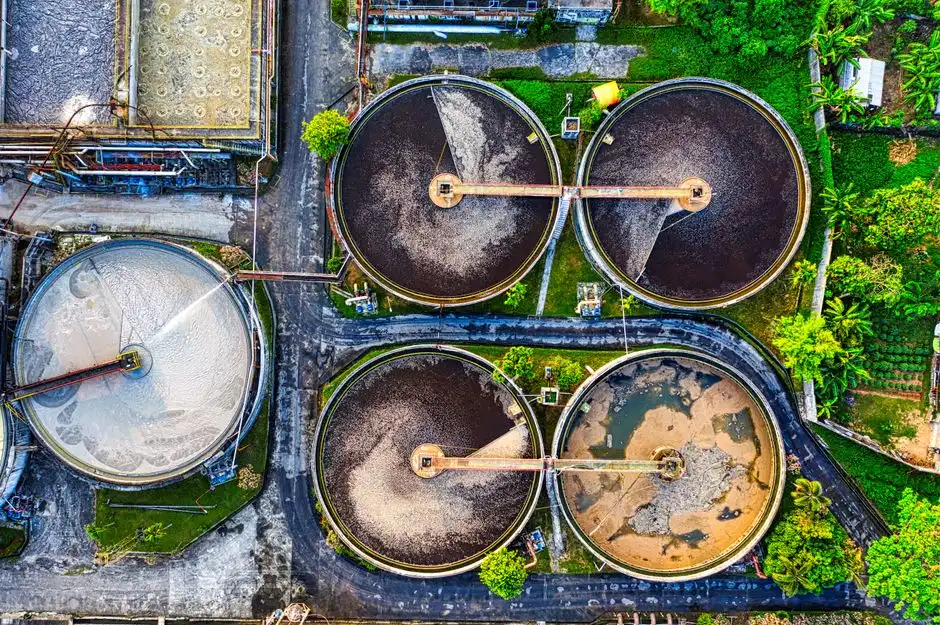
Equipment capacity must reflect the highest simultaneous wastewater-generation condition, not only the daily average. Production, washing, cleaning, and batch discharges can overlap, so the supplier needs an hourly flow profile and a clear description of coincident loads. The design flow should be the most demanding condition the plant must treat without creating an unacceptable upset or equipment-protection problem.
Representative pollutant and solids-loading data are equally important. The academic textile DAF fact sheet, FS-PRIM-003, undated, emphasizes optimization according to wastewater characteristics. Ask each bidder to show how the selected surface loading, hydraulic-retention basis, air-to-solids relationship, and recycle-flow basis follow from the project data. The supplied research does not provide universal design values, so no assumed sizing range should be inserted into a Cairo specification.
Use the source-reported 40–70 psi DAF operating range and 10–100-micron typical bubble diameter only as performance context. Neither establishes the required chamber area, recycle rate, or solids capacity. Those selections require the actual flow and load data, and the bid should expose the calculation basis for review.
HydropureWater’s 13 standard models from 4 to 300 m³/h are useful as an initial capacity screen. If the verified peak falls inside that range, model selection still depends on solids loading, hydraulic behavior, and site constraints. If it falls outside, move to a project-specific design rather than compressing the flow into a standard unit. The 2026 DAF unit selection framework can structure that comparison.
Before ordering, check skid dimensions, maintenance access, foundations, electrical supply, compressed air, drainage, chemical storage, controls, and provisions for future production growth against the Cairo factory site. The final selection should show both the normal operating duty and the design response to peak or batch conditions.
| Sizing input | Required basis | Supplier deliverable |
|---|---|---|
| Hydraulic duty | Maximum simultaneous flow, not only daily average | Design-flow calculation and equipment duty schedule |
| Solids duty | Representative suspended-solids and floatable-solids loading | Solids balance, flotation basis, and sludge estimate |
| Wastewater variability | Production, washing, cleaning, and batch-discharge profile | Controls and upset-management description |
| Site capacity | Footprint, utilities, access, foundations, and expansion needs | General-arrangement drawing and utility list |
Plan for Sludge, Reuse, and Compliance Before Purchase
DAF produces flotation sludge and coagulant residues, so sludge handling is part of the treatment design rather than a disposal detail added after purchase. Estimate the residue stream from the wastewater analysis and operating conditions, then select collection, thickening, storage, and dewatering arrangements with sufficient capacity for the expected waste. A plate-frame filter press may be evaluated where the sludge characteristics support batch mechanical dewatering; the supplier must provide the basis for that selection.
DAF can protect downstream biological treatment by removing floatable material, including FOG, but it does not replace biological treatment where organics must be biodegraded. It also does not establish complete reuse suitability. Filtration, membranes, disinfection, or other controls may be required for the intended reuse route, and the applicable requirements must come from the relevant Egyptian authority or receiving utility. The supplied sources do not provide universal Cairo limits.
Require each supplier to submit its proposed process flow, material-of-construction list, electrical and control drawings, chemical-consumption estimate, maintenance plan, spare-parts list, and performance guarantees. The guarantee should identify the tested influent conditions, sampling points, parameter, acceptance criterion, and remedy. Safe-Guard’s undated reported ranges of 70–98% TSS removal, 80–99% oil-and-grease removal, 30–70% BOD reduction, and 20–60% COD reduction are screening evidence only, not substitute acceptance criteria.
Compare whole-life requirements rather than equipment price alone: chemical use, energy, maintenance, sludge handling, footprint, operator capability, and compliance exposure. Where reuse is contemplated, evaluate the additional treatment and disinfection requirements separately rather than assuming the flotation effluent is suitable for direct reuse.
| Obligation | Information to obtain before order | Decision consequence |
|---|---|---|
| Sludge and coagulant residues | Estimated mass and volume, collection method, dewatering option, storage, and disposal route | Confirms whether the selected train is operable on site |
| Industrial water reuse | Intended reuse, final quality requirements, and required additional treatment | May require biological, membrane, filtration, or disinfection stages |
| Performance assurance | Duty-specific guarantee, test method, influent conditions, sampling procedure, and remedy | Prevents published DAF ranges being treated as guaranteed output |
| Regulatory acceptance | Applicable Egyptian authority or receiving-utility requirements | Prevents compliance gaps at commissioning |
Cairo Factory Procurement and Supplier Evaluation Checklist
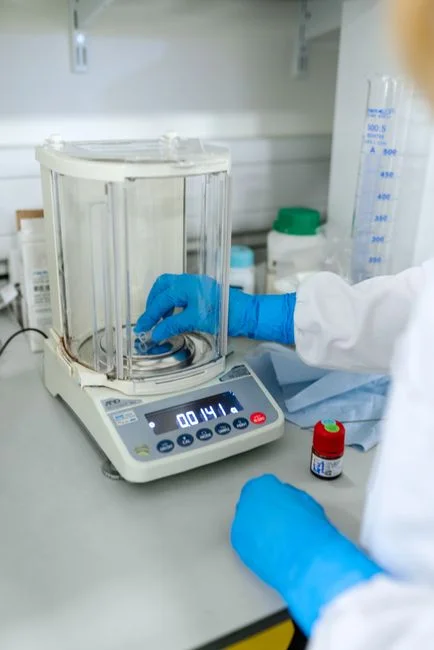
A comparable proposal starts with a common design basis. Collect the wastewater analysis, hourly flow profile, operating schedule, production forecast, pollutant mass-loading information, receiving route, final-quality requirement, reuse target, available footprint, utilities, sludge-disposal method, and local operating constraints. Issue the same information and performance basis to every bidder so that differences reflect engineering assumptions rather than unequal scope.
Ask for a general-arrangement drawing, P&ID, equipment schedule, duty assumptions, control narrative, materials list, utilities estimate, chemical-dosing concept, commissioning plan, operator-training scope, maintenance schedule, spare-parts list, and warranty. Ask specifically which items are included in the quoted price and which are excluded.
Verify implementation capability in Egypt. Establish who handles civil work, electrical installation, mechanical installation, commissioning, operator training, maintenance, and spare-parts supply. Confirm that the supplier understands local access constraints, import responsibilities, electrical requirements, chemical handling, sludge removal, and the applicable authority or receiving utility’s process.
Use the 2026 DAF unit selection framework for detailed unit selection, while treating this regional guide as a screening and information-gathering tool. A supplier should be able to connect every performance statement to the proposed duty, test basis, and operating conditions.
| Stage | Buyer action | Acceptable proposal response |
|---|---|---|
| Screen | Issue analysis, flow, target, footprint, utilities, and sludge data | Proposed process architecture and exclusions |
| Verify | Review drawings, calculations, materials, controls, guarantees, and delivery scope | Duty-based documents tied to the stated project basis |
| Select | Compare whole-life cost, implementation, support, and compliance risk | Clear commercial schedule with technical responsibilities defined |
| Commission | Apply agreed test methods and acceptance criteria | Documented startup, training, and performance-test results |
Frequently Asked Questions
Can a Cairo factory select a DAF or ETP using flow and industry alone?
No. The buyer also needs representative wastewater analysis, peak and batch flows, pollutant and solids loading, the intended discharge or reuse target, available footprint, utilities, and a sludge route. Flow establishes hydraulic duty; it does not establish the process architecture or equipment capacity.
When is DAF alone likely to be appropriate?
DAF alone is likely when the main objectives are floatable-solids, oil-and-grease, and suitable colloidal separation, and no additional biological treatment, polishing, filtration, disinfection, or reuse stage is required. The wastewater analysis and receiving or reuse requirements must confirm that limitation.
What should a buyer request before accepting a supplier’s price?
Request a duty-based process flow, P&ID, equipment and materials schedules, hydraulic and solids-design basis, utilities and chemical estimates, control narrative, commissioning plan, maintenance scope, and warranty. For a pricing decision, require a bill of quantities and exclusions so capital, installation, chemicals, sludge handling, and support can be compared without hidden scope differences.
Which supplier and compliance checks carry the greatest risk?
For supplier selection, verify local installation responsibility, operator training, spare-parts support, commissioning capability, and documented maintenance access in Egypt. The greatest compliance risk is treating a published DAF removal range as guaranteed output or selecting final equipment without applying the requirements of the actual receiving authority or reuse route.
Is a standard DAF model enough for a Cairo factory?
Not by itself. HydropureWater lists 13 standard models from 4 to 300 m³/h, so a standard unit can provide an initial capacity screen. Final selection still requires wastewater testing plus hydraulic and solids-loading checks; the industrial DAF system range should be assessed through the 2026 DAF unit selection framework rather than ordered from nominal flow alone.