Imagine a mid-sized dairy processing plant, operating smoothly for years, suddenly facing a cease-and-desist order. Their wastewater discharge, typically within permitted limits, spiked to pH 11 after an aggressive Clean-in-Place (CIP) cycle. This single violation triggered an immediate EPA fine of $25,000 and the threat of daily penalties until compliance was restored. This all-too-common scenario in the food processing industry highlights the critical, often understated, role of precise pH control in both environmental compliance and operational stability.
A pH adjustment system for food processing ensures wastewater discharge compliance (typically pH 6–9 per EPA 40 CFR Part 405) while maintaining food safety standards (e.g., pH <4.6 for canned goods per FDA 21 CFR 114). These systems use automated chemical dosing (acid/alkali) with ±0.1 pH precision, multi-stage monitoring, and fail-safe valves to prevent violations. For a mid-sized dairy plant (50 m³/h), CAPEX ranges from $30,000–$80,000 depending on automation level, with OPEX of $0.15–$0.40 per m³ treated.
Why pH Adjustment is Critical in Food Processing Wastewater
Discharge pH violations trigger EPA fines up to $54,833/day, based on the EPA's 2024 penalty schedule for Clean Water Act infractions. Beyond regulatory penalties, uncontrolled pH in food processing wastewater poses significant operational, safety, and environmental risks that demand robust pH adjustment systems.
One primary concern is the potential for severe regulatory penalties. Food processing facilities are subject to stringent discharge limits, typically a pH range of 6–9, as outlined by EPA 40 CFR Part 405 for dairy processing, 40 CFR Part 407 for canned and preserved fruits and vegetables, and 40 CFR Part 432 for meat and poultry products. Exceeding these limits, even temporarily, can result in substantial fines, operational shutdowns, and reputational damage. For instance, highly acidic or alkaline wastewater can overwhelm municipal treatment plants, leading to additional surcharges or even facility permit revocation.
Beyond discharge, pH is paramount for food safety within the plant itself. For example, maintaining a pH below 4.6 is critical to prevent the growth of pathogenic bacteria like Clostridium botulinum in canned and acidified foods, as mandated by FDA 21 CFR 114. Inadequate pH control during processing can lead to product spoilage, recalls, and severe public health risks. For processes like fermentation in dairy or pickling, precise pH control ensures product quality, consistency, and desired sensory attributes.
Operational infrastructure is also vulnerable to uncontrolled pH. Highly acidic wastewater (e.g., pH <5) can cause significant corrosion of carbon steel pipes at rates exceeding 0.5 mm per year, according to NACE SP0169 standards. Conversely, highly alkaline conditions can lead to scaling and blockages, particularly in pipes and equipment handling hard water. These issues necessitate frequent maintenance, premature equipment replacement, and costly downtime.
pH significantly affects the efficiency of downstream wastewater treatment processes. For Dissolved Air Flotation (DAF) systems, which are common in food processing for removing fats, oils, grease (FOG), and suspended solids, optimal pH is crucial for effective coagulation and flocculation. For example, aluminum sulfate (alum) as a coagulant performs best at a pH range of 6–7. Deviations from this range can drastically reduce the removal efficiency of FOG and Total Suspended Solids (TSS), leading to higher chemical consumption and potentially non-compliant effluent. HydropureWater’s DAF systems typically achieve 95%+ TSS and FOG removal when integrated with precise pH control, preventing these issues.
pH Adjustment System Components: Engineering Specs for Food Processing
pH adjustment systems for food processing integrate specialized sensors, precise dosing pumps, and automated controls to maintain discharge and process water quality. Understanding the engineering specifications of each component is vital for evaluating system performance, ensuring longevity, and meeting the rigorous demands of food industry environments.
At the core of any pH adjustment system are the pH sensors. For food processing applications, specialized food-grade electrodes are essential to prevent contamination and withstand challenging matrices. These electrodes, often featuring flat surfaces or open junctions, are designed to resist fouling from proteins, fats, and suspended solids common in food wastewater. High-quality sensors offer an accuracy of ±0.01 pH units and typically require replacement every 6–12 months, depending on the application and maintenance frequency. Leading manufacturers like Testo offer specialized food probes designed for robust performance in these environments. Multi-stage monitoring, employing 2-3 sensors in series (e.g., pre-treatment, in-tank, post-treatment), significantly enhances reliability by reducing false alarms and providing redundancy for critical applications.
Chemical dosing pumps are responsible for accurately injecting acids or alkalis. Diaphragm or peristaltic pumps are commonly used due to their precise control and ability to handle corrosive chemicals. Flow rates typically range from 0.1 to 10 L/h for fine-tuning, with larger pumps available for high-volume applications. Food-grade materials such as PTFE, PVDF, and Hastelloy are critical for pump heads and wetted parts to prevent contamination and ensure chemical compatibility. HydropureWater’s PLC-controlled chemical dosing system for food processing utilizes these materials to ensure both dosing precision and hygiene.
Mixing tanks provide the necessary residence time for chemicals to react and achieve homogenous blending. Typical residence times for effective pH adjustment range from 5 to 15 minutes, depending on the wastewater characteristics and chemical used. Tanks are often equipped with mechanical mixers, as noted in top industry case studies, operating at speeds typically above 300 RPM to ensure rapid and uniform dispersion of dosing chemicals, preventing localized pH excursions. Tank materials are usually corrosion-resistant plastics (e.g., HDPE, PP) or lined steel.
Automation and control systems are indispensable for reliable pH adjustment. Programmable Logic Controllers (PLCs) govern the entire process, receiving real-time data from pH sensors and controlling dosing pumps and valves. Crucial automation features include fail-safe logic, which can divert off-spec wastewater to an equalization tank or shut down the system if pH deviates significantly (e.g., pH >9 or <6 for more than 30 seconds). This prevents discharge violations and protects downstream equipment. Advanced systems incorporate proportional-integral-derivative (PID) control loops for precise, stable pH maintenance, minimizing chemical overuse and pH cycling.
| Component | Key Engineering Specification | Relevance for Food Processing |
|---|---|---|
| pH Sensors | ±0.01 pH accuracy; 6-12 month lifespan; open junction/flat surface electrode | High precision for compliance; resistance to protein/fat fouling; food-grade materials |
| Dosing Pumps | 0.1-10 L/h flow rate; diaphragm/peristaltic type; PTFE/PVDF wetted parts | Precise chemical delivery; handles corrosive agents; food-grade compatibility |
| Mixing Tanks | 5-15 min residence time; mechanical mixer (>300 RPM); HDPE/PP or lined steel | Ensures complete chemical reaction; prevents localized pH; corrosion resistance |
| Automation (PLC) | PID control; fail-safe logic (e.g., divert on pH >9 or <6 for 30s) | Stable pH control; prevents discharge violations; reduces manual intervention |
pH Ranges by Food Sector: Compliance Standards and Best Practices
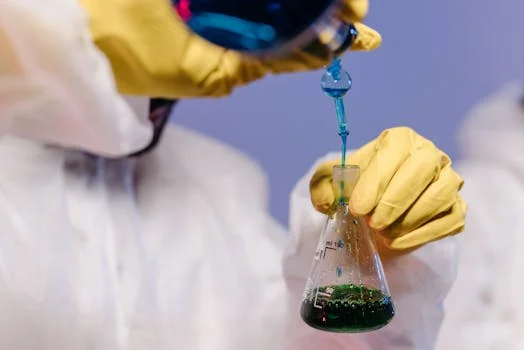
Specific pH ranges are mandated for wastewater discharge and critical for process control across diverse food sectors to ensure compliance and product quality. Adhering to these sector-specific standards is fundamental for operational success and avoiding regulatory infractions.
In the Dairy Processing sector, wastewater discharge typically falls under EPA 40 CFR Part 405, requiring a pH range of 6.5–8.5. This range is crucial to protect receiving water bodies from the high organic loads and fluctuating pH often associated with milk and whey processing. Within the plant, process water pH control is vital for specific operations; for example, maintaining a pH of 6.8–7.2 is optimal for starter cultures in cheese production, directly impacting fermentation success and product consistency.
For Meat and Poultry Processing, wastewater discharge limits are typically set at pH 6–9, governed by EPA 40 CFR Part 432. This broad range accommodates the diverse nature of wastewater from slaughterhouses and rendering plants, which can be highly variable due to blood, fat, and cleaning agents. In-process pH control is also essential; for instance, antimicrobial washes often operate optimally at a pH of 5.5–6.5 to maximize efficacy against pathogens, as highlighted in various industry case studies focusing on food safety.
The Beverage Industry, encompassing everything from soft drinks to breweries, generally faces wastewater discharge limits of pH 6–9. However, process water pH can vary significantly. For carbonated beverages, a low pH of 2.5–4.0 is inherent to the product and must be managed carefully in process streams. maintaining a slightly acidic pH (e.g., 5.5–6.5) in feed water for Reverse Osmosis (RO) systems can prevent scaling and extend membrane life, crucial for producing high-purity water for beverage formulation.
In Canned Foods and Acidified Products, pH is a critical food safety parameter. FDA 21 CFR 114 strictly mandates that acidified foods, such as pickles or some sauces, must have a finished equilibrium pH of 4.6 or below to inhibit the growth of Clostridium botulinum. Achieving this precise low pH often involves the controlled dosing of food-grade acids like citric acid, acetic acid, or phosphoric acid, which must be accurately monitored throughout the production process to ensure product safety and regulatory compliance.
| Food Sector | Wastewater Discharge pH Range (Typical) | Key Regulatory Standard | Process Water pH Importance / Example |
|---|---|---|---|
| Dairy Processing | 6.5–8.5 | EPA 40 CFR Part 405 | 6.8–7.2 for cheese cultures; prevents protein precipitation |
| Meat/Poultry | 6–9 | EPA 40 CFR Part 432 | 5.5–6.5 for antimicrobial washes; enhances pathogen reduction |
| Beverages | 6–9 | Local/State Permits (often based on EPA guidelines) | 2.5–4.0 for carbonated drinks; prevents scaling in RO systems |
| Canned/Acidified Foods | 6–9 (for discharge) | FDA 21 CFR 114 | <4.6 for product safety (Clostridium botulinum inhibition); citric acid dosing |
Chemical Dosing Methods: Acid vs. Alkali Selection Guide
Selecting the appropriate chemical for pH adjustment involves balancing cost, safety, and effectiveness based on the wastewater's characteristics and the target pH. Both acids and alkalis have distinct properties that make them suitable for different applications in food processing wastewater treatment.
For lowering pH (acidification), common choices include:
- Sulfuric Acid (H₂SO₄): This is the most widely used industrial acid due to its low cost, typically around $0.10 per liter for concentrated solutions. It is highly effective but requires careful handling due to its corrosive nature. It can also contribute to sulfate levels in effluent, which may be a concern in some regions.
- Hydrochloric Acid (HCl): Often used for its strong acidic properties. While effective, it can produce corrosive fumes and may increase chloride levels in discharge.
- Citric Acid: A food-safe organic acid, typically costing around $1.20 per liter. It is less corrosive than mineral acids, making it safer to handle and ideal for applications where contact with food-grade process water is a possibility. However, its higher cost and weaker acidity mean larger quantities may be needed.
- Carbon Dioxide (CO₂): Dissolved CO₂ forms carbonic acid, offering a safe and self-buffering method for pH reduction, typically costing around $0.30 per kilogram. It produces no sludge and is less corrosive, but its effectiveness is limited for highly alkaline streams or where rapid pH reduction is required.
For raising pH (alkalization), common choices include:
- Caustic Soda (Sodium Hydroxide, NaOH): The most common alkali, costing approximately $0.40 per liter for concentrated solutions. It is highly effective and readily available, but also highly corrosive and requires robust safety protocols.
- Lime (Calcium Hydroxide, Ca(OH)₂): A lower-cost option, around $0.25 per kilogram, often used in slurry form. While economical, lime dosing systems are more complex due to its tendency to form sludge and scale, requiring additional maintenance for sludge handling, similar to considerations for sludge thickeners.
- Potassium Hydroxide (KOH): A food-grade alkali, costing around $1.50 per liter. Similar in strength to NaOH but used when sodium addition is undesirable or potassium is preferred, particularly in agricultural applications where the effluent may be used for irrigation.
Calculating dosing rates is essential for efficient chemical usage. For example, 1 liter of 98% sulfuric acid can neutralize approximately 1.8 kg of sodium hydroxide. These calculations depend on the concentration of the wastewater, the target pH, and the strength of the dosing chemical. Precise flow meters and automated control systems are vital for accurate dosing.
Safety considerations are paramount when handling acids and alkalis. All personnel involved in chemical handling must use appropriate Personal Protective Equipment (PPE), including acid-resistant gloves, chemical splash goggles, and face shields. Spill containment measures, emergency showers, and eye wash stations must be readily accessible, and comprehensive training programs are crucial to minimize risks associated with chemical neutralization in the food industry.
| Chemical Type | Examples | Typical Cost (Approx.) | Advantages | Disadvantages |
|---|---|---|---|---|
| Acids | Sulfuric Acid (H₂SO₄) | $0.10/L | Low cost, strong acid, highly effective | Corrosive, safety risks, sulfate addition |
| Citric Acid | $1.20/L | Food-safe, less corrosive, biodegradable | Higher cost, weaker acid (more needed) | |
| Carbon Dioxide (CO₂) | $0.30/kg | No sludge, safer, self-buffering | Limited for highly alkaline streams, slower reaction | |
| Alkalis | Caustic Soda (NaOH) | $0.40/L | Highly effective, readily available | Corrosive, safety risks, sodium addition |
| Lime (Ca(OH)₂) | $0.25/kg | Low cost, effective for high flows | Sludge production, scaling, requires slurry system | |
| Potassium Hydroxide (KOH) | $1.50/L | Food-grade, no sodium addition | High cost |
Automation vs. Manual pH Adjustment: Cost-Benefit Analysis
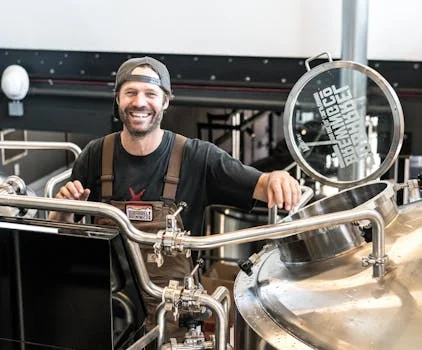
Implementing an automated pH adjustment system can yield a return on investment within 12–24 months for food processing plants exceeding 20 m³/h flow rates. The decision between manual and automated pH adjustment systems hinges on a careful cost-benefit analysis, considering both initial capital expenditure (CAPEX) and ongoing operational expenditure (OPEX), as well as the critical factor of compliance risk.
Manual pH adjustment systems represent a lower initial CAPEX, typically ranging from $5,000 to $15,000. These systems usually involve manual sampling, pH meter readings, and the manual addition of chemicals, often via simple metering pumps or gravity feed. However, their OPEX is significantly higher, ranging from $0.50–$1.00 per m³ treated. This higher cost is primarily driven by labor requirements for constant monitoring and adjustment, as well as increased chemical consumption due to imprecise dosing and overcorrection. Manual systems are prone to human error, leading to pH excursions, potential discharge violations, and inconsistent treatment, making them suitable only for very low flow rates or non-critical applications.
Automated pH adjustment systems, while requiring a higher CAPEX of $30,000–$80,000, offer substantially lower OPEX, typically $0.15–$0.40 per m³ treated. The initial investment covers advanced pH sensors, PLC-controlled dosing pumps, mixing tanks, and sophisticated control logic. The significant reduction in OPEX comes from several factors: reduced labor needs, precise chemical dosing (often reducing chemical usage by 20–30% compared to manual methods, as automated valves ensure optimal addition), and minimized risk of compliance fines. Automated systems provide continuous, real-time monitoring and adjustment, ensuring stable pH within tight tolerances, which is critical for food processing wastewater treatment.
The Return on Investment (ROI) for automated systems is compelling for most food processing facilities. For a mid-sized dairy plant with a flow rate of 50 m³/h, operating 16 hours/day, 250 days/year (totaling 200,000 m³/year):
- Annual OPEX (Manual): 200,000 m³ * $0.75/m³ (mid-range) = $150,000
- Annual OPEX (Automated): 200,000 m³ * $0.275/m³ (mid-range) = $55,000
- Annual Savings (OPEX): $150,000 - $55,000 = $95,000
Considering an automated system CAPEX of $55,000 (mid-range), the payback period would be approximately $55,000 / $95,000 = 0.58 years, or about 7 months. Even accounting for maintenance and calibration, automated systems typically pay back in 12–24 months for plants with flow rates above 20 m³/h, demonstrating clear financial advantages alongside improved compliance and operational stability. HydropureWater’s automatic chemical dosing system for food processing offers robust automation to maximize these savings.
| Feature | Manual pH Adjustment System | Automated pH Adjustment System |
|---|---|---|
| CAPEX | $5,000–$15,000 | $30,000–$80,000 |
| OPEX (per m³ treated) | $0.50–$1.00 (labor + chemical waste) | $0.15–$0.40 (reduced labor, precise dosing) |
| Chemical Usage | Higher (due to over-dosing, inconsistencies) | 20–30% reduction (precise, real-time control) |
| Labor Requirement | High (continuous monitoring, manual adjustment) | Low (monitoring, calibration, maintenance) |
| Compliance Risk | High (prone to human error, pH excursions) | Low (stable pH, fail-safe mechanisms) |
| ROI for >20 m³/h plant | Not applicable (higher ongoing costs) | 12–24 months payback (significant OPEX savings) |
Common pH Adjustment Failures in Food Processing and How to Fix Them
Understanding common failure modes in pH adjustment systems for food processing environments is crucial for maintaining operational uptime and compliance. Proactive identification and resolution of these issues can prevent costly downtime and regulatory penalties.
Sensor fouling is one of the most frequent problems. Protein, fat, and sugar buildup on pH electrodes can significantly impede their ability to accurately measure pH, leading to sluggish responses or completely false readings. In food processing, this is exacerbated by the high organic content of wastewater. To mitigate this, electrodes should be regularly cleaned, typically with a 5% HCl solution or enzymatic cleaners, every 2 weeks, or more frequently depending on the fouling rate. Using pH sensors with flat surfaces or open junctions can also help resist buildup compared to traditional bulb electrodes. Comparing the inline sensor reading with a laboratory-grade pH meter offers a quick diagnostic for false readings.
Chemical overdosing or underdosing, resulting in significant pH swings (greater than ±1.0 pH unit from the setpoint), is another common failure. This can be caused by poorly calibrated dosing pumps, inconsistent chemical strength, or inadequate mixing. To address this, dosing pumps should be calibrated weekly to ensure accurate volume delivery. Implementing flow meters on chemical lines provides real-time verification of dosing rates. optimizing the PID control parameters of the automation system can help stabilize pH and prevent overcorrection. Ensuring consistent chemical quality from suppliers is also important.
Mixing failures often lead to stratified pH layers within the reaction tank, where the pH measured at the sensor differs significantly from the bulk pH. This can result in inaccurate readings and inefficient chemical utilization. This issue typically arises from insufficient mixer speed or inadequate residence time. To verify mixing effectiveness, ensure mechanical mixers operate at speeds greater than 300 RPM and that the tank design provides a minimum residence time of 5 minutes. Observing the mixing pattern or conducting dye tests can confirm proper blending. If stratification persists, consider upgrading the mixer or adjusting its placement.
Pump cavitation or blockages in chemical dosing lines can lead to inconsistent chemical delivery, regardless of control signals. Highly viscous chemicals or those prone to crystallization (e.g., lime slurry) are particularly susceptible. Regular inspection of dosing lines for blockages, ensuring proper pump suction, and cleaning strainers are preventative measures. For lime slurry systems, maintaining consistent agitation in the day tank prevents settling and blockages. Implementing flow switches or pressure sensors on dosing lines can alert operators to a lack of chemical flow, indicating a pump or line issue before it impacts effluent quality.
Finally, controller malfunctions or software glitches can disrupt automated pH adjustment. This might manifest as erratic dosing, unresponsive controls, or failure to trigger alarms. Regular system diagnostics, firmware updates, and maintaining a robust PLC program are essential. Operators should be trained to identify abnormal system behavior and understand basic troubleshooting steps for the control interface.
Frequently Asked Questions
How can food manufacturers adjust the pH of food processing wastewater?
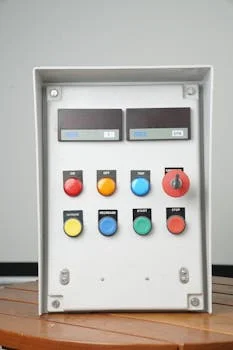
Food manufacturers typically adjust wastewater pH using automated chemical dosing systems. These systems inject precise amounts of acid (e.g., sulfuric acid, CO₂) or alkali (e.g., caustic soda, lime) into a mixing tank, guided by real-time pH sensor data. This ensures the wastewater reaches the required pH range (e.g., EPA 6-9) before discharge, preventing regulatory violations.
What is a 5-point pH calibration, and is it necessary for food processing?
A 5-point pH calibration involves calibrating a pH meter using five buffer solutions across a wide pH range (e.g., pH 2, 4, 7, 10, 12). While standard practice often uses 2- or 3-point calibration, a 5-point calibration provides enhanced accuracy over a broader range, which can be beneficial for food processing wastewater with highly variable pH influent, though it requires more time and consumables.
What is pH in food processing, beyond wastewater treatment?
In food processing, pH is a critical parameter for product quality, safety, and shelf-life. It influences microbial growth (e.g., pH <4.6 for botulism prevention per FDA 21 CFR 114), enzyme activity, texture, flavor, and color. For example, pH affects gel formation in dairy products and the efficacy of sanitizers in wash water.
How does pH affect downstream wastewater treatment processes in food plants?
pH significantly impacts the efficiency of downstream processes like coagulation, flocculation, and biological treatment. For instance, optimal pH 6-7 is crucial for coagulants like alum in DAF systems to remove FOG and TSS. Extreme pH can inhibit microbial activity in anaerobic digesters or aerobic treatment ponds, leading to reduced treatment efficiency and higher effluent BOD/COD.
What are the typical regulatory pH discharge limits for food processing wastewater?
Typical regulatory pH discharge limits for food processing wastewater are between pH 6 and 9. These limits are often set by federal agencies like the EPA (e.g., 40 CFR Part 405 for dairy, 40 CFR Part 432 for meat) and further enforced by state and local authorities, with violations incurring substantial daily fines.
Related Equipment
- HydropureWater’s PLC-controlled chemical dosing system for food processing — view specifications, capacity range, and technical data
Need a customized solution? Request a free quote with your specific flow rate and pollutant parameters.