Why Tasmania Needs Climate-Adapted Package Wastewater Treatment Plants
Package wastewater treatment plants in Tasmania must balance cold-climate resilience, high FOG loads (common in food processing), and strict local compliance. The EnviroTas-AS system, a 5-stage aerated plant designed for Tasmanian conditions, achieves 95%+ BOD removal without chemical dosing, but alternatives like MBR (for reuse-quality effluent) or DAF (for industrial pretreatment) may better suit specific applications. Costs range from AUD 150,000 to AUD 1.2M for 10–500 m³/day systems, with Tasmanian labor and logistics adding 15–20% to mainland prices. This guide compares technologies, costs, and compliance requirements for 2025 projects.
Tasmania’s average winter temperatures, often fluctuating between 5°C and 10°C, significantly reduce microbial activity in standard biological treatment processes. According to Australian Water Association (2023) data, uninsulated systems can experience a 30–40% drop in biological performance compared to mainland operations. This decline frequently results in incomplete nutrient removal and non-compliance during peak winter months. Engineers must therefore specify climate-adapted designs with insulated tankage, heat recovery, or enhanced biomass retention to maintain effluent quality.
The state’s industrial profile further complicates wastewater management. Food processing, particularly dairy and seafood, accounts for approximately 40% of Tasmania’s industrial wastewater discharge. These streams frequently contain Fats, Oils, and Grease (FOG) concentrations reaching up to 1,200 mg/L (per EPA Tasmania 2024 guidelines). When high FOG loads enter a standard package plant, they can cause membrane fouling or promote filamentous bacteria in activated sludge systems. As a result, robust pretreatment is essential for long-term system reliability.
Tasmania’s economy is heavily influenced by seasonal tourism. Locations such as Cradle Mountain or the Huon Valley experience wastewater load spikes of 200–300% during the summer months. Fixed-capacity systems often fail under these hydraulic surges. Modular or expandable package plants, such as those used in the Kingborough WWTP upgrade that scaled from 4.1 to 8.5 ML/day, offer the flexibility needed to manage these fluctuations without compromising treatment standards. Locally manufactured systems like the EnviroTas-AS address these challenges through a 5-stage aerated process that operates without chemical dosing, ensuring rural and industrial sites maintain compliance with minimal logistical overhead.
Package Wastewater Treatment Technologies for Tasmania: A Head-to-Head Comparison
Technology selection depends on effluent requirements, site footprint, and influent characteristics specific to Tasmania. Aerated systems are common for domestic and light commercial use, while industrial and high-density municipal projects often require more advanced solutions such as Membrane Bioreactors (MBR) or Dissolved Air Flotation (DAF).
| Technology | Effluent Quality (BOD/TSS Removal) | Footprint Requirement | Energy Use (kWh/m³) | Cold-Climate Resilience | Estimated CAPEX (AUD/m³/day) |
|---|---|---|---|---|---|
| MBR (Membrane Bioreactor) | >99% (BOD <5 mg/L) | Very Low (60% smaller than A/O) | 0.8–1.2 | Moderate (Requires insulation) | $2,500 – $4,500 |
| DAF (Dissolved Air Flotation) | 90% FOG Removal | Low (Pretreatment focus) | 0.3–0.5 | High (Physical-chemical) | $1,800 – $3,000 |
| A/O (Anaerobic/Oxic) | 85–90% (BOD <20 mg/L) | High | 0.4–0.6 | Low (Efficiency drops <10°C) | $1,200 – $2,200 |
| Aerated (e.g., EnviroTas-AS) | >95% (BOD <15 mg/L) | Moderate | 0.5–0.7 | High (Locally adapted) | $1,500 – $2,800 |
For projects requiring high-purity water for irrigation or industrial reuse, MBR systems for Tasmania’s reuse-quality effluent needs are the preferred choice. MBR combines biological degradation with membrane filtration, effectively removing pathogens and suspended solids. However, in Tasmania’s colder regions, MBR systems must be monitored for increased sludge viscosity, which can reduce permeate flux. Comparing how MBR systems perform in tropical climates (vs. Tasmania’s cold conditions) highlights the need for thermal management in the Southern Hemisphere.
In contrast, DAF systems for Tasmania’s high-FOG industrial wastewater are essential for the primary treatment of seafood and dairy effluent. DAF uses micro-bubbles to float solids and grease to the surface for mechanical skimming. This physical-chemical process is less sensitive to temperature than biological methods, making it a reliable first step in treatment. Engineers often debate DAF vs. IAF for industrial wastewater pretreatment; however, for the fine grease particles found in Tasmanian food processing, the pressurized air saturation of DAF typically provides superior clarity.
Cost Breakdown: Package Wastewater Treatment Plants in Tasmania (2025 Data)
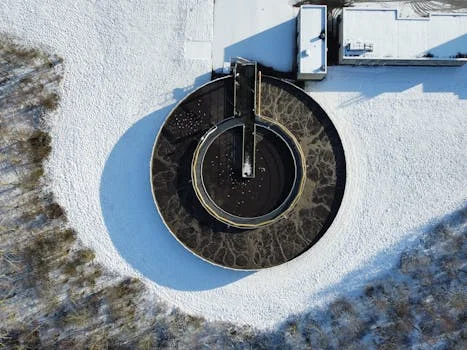
Budgeting for a package plant in Tasmania differs from mainland cost models due to higher logistics and labor costs. Logistics and specialized labor represent the largest variables in total cost of ownership. Procurement managers should account for a 15–20% premium on labor rates compared to Victoria or New South Wales, primarily due to the limited pool of certified wastewater technicians and the travel time required for remote site access (cite: BMD Group project benchmarks).
| System Capacity | A/O System CAPEX (AUD) | MBR System CAPEX (AUD) | DAF Pretreatment CAPEX (AUD) |
|---|---|---|---|
| 10 m³/day (Small Rural) | $120,000 – $180,000 | $200,000 – $280,000 | $150,000 – $210,000 |
| 100 m³/day (Industrial) | $350,000 – $500,000 | $550,000 – $750,000 | $400,000 – $550,000 |
| 500 m³/day (Municipal) | $800,000 – $1.1M | $1.2M – $1.8M | $900,000 – $1.3M |
Operational expenditure (OPEX) is heavily influenced by the Tasmanian electricity grid. With rates averaging AUD 0.25/kWh, energy-intensive systems like MBR can cost significantly more to operate than passive aerated systems. However, the ROI calculation must include the "avoided cost" of environmental fines and water procurement. For example, a facility reusing 100 m³/day of MBR-treated effluent for landscape irrigation can save approximately AUD 45,000 annually in water procurement costs, effectively shortening the payback period.
Maintenance costs are another critical factor. MBR systems require a membrane replacement fund, as membranes typically last 5–7 years and can cost between AUD 30,000 and $100,000 depending on the scale. DAF systems, while lower in energy, require a consistent supply of coagulants and flocculants, with annual chemical spends ranging from AUD 5,000 to $20,000. For remote sites in North West Tasmania, logistics for chemical delivery and sludge hauling can add an additional 10–15% to the annual OPEX.
Compliance Checklist: Meeting Tasmanian EPA and Local Council Standards
All wastewater systems in Tasmania must comply with both state-wide EPA guidelines and local municipal requirements. The Tasmanian EPA Wastewater Management Guidelines (2024) apply to any system discharging more than 20 m³/day or serving a population equivalent (PE) of over 100. For smaller systems, local councils such as Kingborough or Burnie City Council have regulatory authority.
Effluent Quality Limits for Discharge:
- Surface Water Discharge: BOD <20 mg/L, TSS <30 mg/L, Total Nitrogen <10 mg/L, and FOG <10 mg/L. These limits are strictly enforced for sites near sensitive catchments.
- Land Application (Irrigation): pH 6–9, E. coli <1,000 CFU/100mL. Systems must demonstrate secondary or advanced secondary treatment (cite: EnviroTas-AS compliance).
- High-Level Reuse: Turbidity <2 NTU and a chlorine residual >1 mg/L are required for Class A recycled water, typically achievable only through MBR or tertiary ultrafiltration.
The permitting timeline is a key project management factor. Council approvals for smaller onsite systems generally take 3–6 months. For industrial facilities requiring an EPA discharge license, the process involves a comprehensive Environmental Impact Management Plan (EIMP) and can extend from 6 to 12 months. In regions like Devonport and Burnie, local councils have mandated FOG pretreatment for all food processing applicants to protect the municipal sewer network.
All package plants must be registered with TasWater if they connect to or impact public infrastructure. This includes submitting detailed engineering drawings and establishing a long-term maintenance contract. Failure to provide a certified maintenance schedule can result in the revocation of operating permits during annual audits.
Case Study: Upgrading a Tasmanian Food Processor with a DAF + MBR Package Plant

A seafood processing facility in Devonport, handling approximately 50 m³/day of high-strength wastewater, faced repeated EPA violations due to FOG and BOD exceedances. Their existing anaerobic/oxic (A/O) system failed during winter months, with effluent temperatures dropping below 8°C, effectively halting biological nutrient removal. The facility also incurred significant trade waste surcharges from the local council.
The solution was a hybrid system: a Dissolved Air Flotation (DAF) unit (DAF-50 model) for primary grease removal, followed by an Integrated MBR system for biological polishing. The DAF unit removed the bulk of the organic load, reducing influent BOD from 2,500 mg/L to 1,200 mg/L before it reached the MBR. The MBR, housed in an insulated 40-foot container, used submerged membranes to produce effluent suitable for onsite truck washing and floor hosing.
Performance Results:
- FOG Removal: Reduced from 1,200 mg/L to <5 mg/L (99.6% efficiency).
- Effluent Quality: BOD and TSS