Effective pulse jet dust collector maintenance involves a structured schedule of daily, weekly, and annual checks, alongside careful optimization of pulse cleaning settings. Key indicators like differential pressure (typically 1-6” w.g. for seasoned filters) and pulse duration (0.10-0.15 seconds) are crucial for preventing common issues, ensuring peak filtration efficiency, and extending filter life.
Why Proactive Maintenance is Crucial for Pulse Jet Dust Collectors
Unscheduled downtime in industrial filtration systems costs operators an average of $2,000 to $5,000 per hour in lost productivity and potential regulatory non-compliance fines. For facilities utilizing high-volume air pollution control, the pulse jet dust collector is the primary defense against particulate emissions and air quality violations. Neglecting routine maintenance leads to "blinding" of filter media, where dust particles become deeply embedded in the fabric, resulting in a permanent increase in resistance and a subsequent drop in suction at the source points.
Proper maintenance protocols extend the equipment lifespan by reducing mechanical stress on the fan motor and preventing corrosive buildup within the housing. When a system operates at peak efficiency, energy consumption is minimized because the fan does not have to work against an excessively high pressure drop. Systems like the HydropureWater Pulse Jet Baghouse are engineered for high-performance recovery, but their long-term ROI is directly tied to the diligence of the maintenance program. Beyond cost, proactive care ensures that the facility remains in compliance with EPA and OSHA air quality standards, protecting both the environment and the workforce.
To ensure optimal performance, it's essential to strike a balance between effective maintenance and efficient operation. A well-maintained pulse jet dust collector not only reduces emissions but also contributes to a safer working environment.
Understanding Your Pulse Jet Dust Collector's Core Components
Differential pressure across the filter media is the most critical diagnostic metric for system health, with a normal operating range of 1 to 6” w.g. for seasoned filters and less than 1” w.g. for brand new media. The core components include the filter bags or cartridges, which capture particulate; the cleaning system, comprised of solenoid valves, diaphragm valves, and an air manifold; and the induction fan that moves the air through the system.
The cleaning system operates by delivering a high-pressure burst of compressed air down the length of the filter, momentarily reversing the airflow to dislodge the dust cake. This process relies on the integrity of the diaphragm valves and the timing accuracy of the control panel. The hopper and dust storage container serve as the collection point for dislodged material. The dust storage container must never be allowed to fill within 4 to 6 inches of the top; overfilling leads to dust re-entrainment, where the pulse cleaning simply moves dust from one filter to another rather than dropping it into the hopper. Maintaining these components requires a deep understanding of baghouse dust collector cost price factors, as premature component failure significantly inflates the total cost of ownership.
Comprehensive Preventative Maintenance Schedule
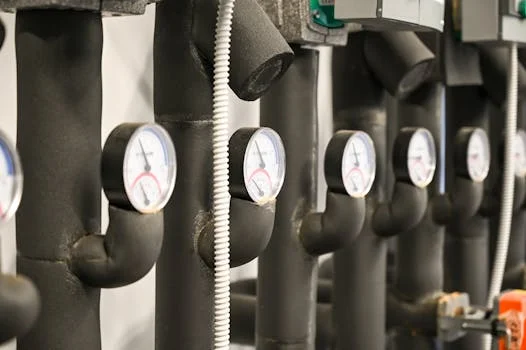
A rigorous maintenance schedule transitions a facility from reactive repairs to predictive reliability, ensuring that the air pollution control system remains an asset rather than a liability. The following tiered approach is based on HydropureWater field data (2025) and industry best practices for high-uptime environments.
| Frequency | Component/System | Procedure & Target Parameters |
|---|---|---|
| Daily | Fan Exhaust | Monitor for visible dust puffs. A puff immediately after a pulse indicates a leaking or torn filter. |
| Daily | Differential Pressure | Record pressure drop. Normal range: 1-6” w.g. Investigate if >6” w.g. |
| Daily | Dust Discharge | Check hopper/drum levels. Ensure dust is at least 6" below the inlet/top. |
| Weekly | Compressed Air System | Check air header pressure (typically 80-100 PSI). Drain moisture traps and check dryer function. |
| Weekly | Pulse Valves | Listen for the "crisp" sound of solenoid/diaphragm valves. A lingering hiss indicates a leak. |
| Monthly | Filter Inspection | Conduct a spot check of the clean air plenum for dust accumulation indicating seal failure. |
| Quarterly | Mechanical Parts | Inspect fan belts for tension/wear and lubricate bearings per manufacturer specs. |
| Annual | Complete Overhaul | Full filter replacement (if required), recalibration of gauges, and internal housing corrosion inspection. |
Consistent recording of these metrics allows technicians to identify trends. For instance, a slow, steady increase in baseline differential pressure over six months suggests gradual filter seasoning, whereas a sudden spike over two days usually points to a failure in the compressed air supply or a moisture excursion in the process gas. Utilizing a fabric filter dust collector maintenance guide can provide additional granular steps for specific textile media types.
Optimizing Pulse Jet Cleaning System Settings
Pulse cleaning parameters must be finely tuned to balance effective dust cake removal with the mechanical integrity of the filter media.The pulse duration—the amount of time the solenoid valve remains open—should be kept between 0.10 and 0.15 seconds. Durations longer than 0.15 seconds do not improve cleaning; they simply waste expensive compressed air and can cause "over-cleaning," which removes the protective primary dust cake and leads to premature filter wear and increased emissions.
Pulse frequency, or the interval between pulses, typically ranges from 1 to 30 seconds depending on the dust loading. The goal is to maintain the differential pressure within the 1-6” w.g. window. Staggered pulsing sequences are often superior to sequential pulsing because they prevent the "re-entrainment" of fine submicron dust. In a sequential setup, dust dislodged from one row is often immediately sucked onto the adjacent row that was just cleaned. Staggering the order puts physical distance between the active cleaning zones, allowing dust to fall into the hopper more effectively. (HydropureWater Engineering Data, 2025).
| Parameter | Recommended Setting | Impact of Incorrect Setting |
|---|---|---|
| Pulse Duration | 0.10 - 0.15 Seconds | Too long: Wastes air, damages bags. Too short: Incomplete cleaning. |
| Compressed Air Pressure | 80 - 100 PSI | Too low: High pressure drop. Too high: Fabric mechanical failure. |
| Cleaning Sequence | Staggered/Random | Sequential: High re-entrainment of fine dust particles. |
| Off-Line Cleaning | 3 - 5 Minutes | Optional: Cleans filters more thoroughly after fan shutdown. |
Troubleshooting Common Pulse Jet Dust Collector Issues
Systematic troubleshooting requires analyzing symptoms against the three pillars of operation: airflow, filtration media, and the cleaning mechanism. When high differential pressure occurs, the first step is to verify if the pulse valves are firing with sufficient force. If the valves are functioning, the issue is likely "blinding" caused by moisture or oil in the air stream, which creates a muddy paste on the filters that compressed air cannot dislodge.
| Symptom | Probable Cause | Corrective Action |
|---|---|---|
| High Differential Pressure (>6” w.g.) | Failed diaphragm valve; wet compressed air; excessive dust load. | Replace diaphragm; check air dryer; verify air-to-cloth ratio. |
| Visible Dust at Exhaust | Torn filter bag; improper bag seating; hole in the tubesheet. | Perform a dye leak test; replace damaged filters; re-torque bag clamps. |
| Low Differential Pressure (<0.5” w.g.) | Missing or severely torn filters; bypassed airflow; gauge failure. | Inspect all filters for presence and integrity; check gauge lines for clogs. |
| Pulse Valves Not Firing | Solenoid electrical failure; controller timer malfunction; lost air supply. | Check electrical continuity; test controller outputs; check header pressure. |
For facilities dealing with specialized processes, such as those requiring FGD scrubber maintenance, the interaction between chemical flue gases and the dust collector media can lead to unique troubleshooting challenges like acid dewing. In these cases, maintaining the housing temperature above the acid dew point is as critical as the mechanical pulse settings.
Best Practices for Filter Selection and Replacement
Filter selection is not a "one size fits all" decision; it must be based on the specific dust chemistry, operating temperature, and moisture content of the gas stream. For example, polyester felt is the industry standard for dry, ambient applications, but P84 or PTFE membranes are required for high-temperature or chemically aggressive environments. Using a high-quality, high-efficiency membrane can reduce the frequency of pulse cleaning required, thereby extending the mechanical life of the entire system.
When replacing filters, technicians must ensure a perfect seal between the filter flange and the tubesheet. Even a gap of 1/16th of an inch can allow enough bypass air to exceed emission limits. It is recommended to replace the entire set of filters at once rather than mixing old and new bags. Mixing filters creates an imbalance in airflow, as the air will naturally take the path of least resistance through the new, cleaner bags, leading to localized high-velocity "abrasion" and premature failure of the new media.
Safety Protocols for Dust Collector Maintenance

Maintenance of dust collection systems involves significant hazards, including confined space entry, high-pressure pneumatics, and exposure to potentially toxic or combustible dust. Lockout/Tagout (LOTO) procedures are mandatory for the fan motor, the compressed air supply, and the rotary discharge valve before any technician enters the housing or opens access doors. Personal Protective Equipment (PPE) must include respiratory protection (typically N95 or higher depending on the dust type), eye protection, and gloves.
If the dust being collected is combustible (e.g., wood, sugar, or certain metals), all maintenance tools must be non-sparking, and the system must be verified as properly grounded to prevent static discharge. Proper dust handling and disposal procedures must be followed to prevent secondary dust explosions during the emptying of hoppers or drums.
Frequently Asked Questions
What is the ideal pulse duration for a pulse jet dust collector?
The ideal pulse duration is typically between 0.10 and 0.15 seconds. Setting it longer than this wastes compressed air without providing additional cleaning benefits.
How often should I empty the dust collector hopper?
Hoppers should be emptied daily or continuously. Dust should never be allowed to accumulate to within 4-6 inches of the inlet or the top of the collection drum to avoid re-entrainment.
What are the signs of a failing pulse jet cleaning system?
Common signs include a steady rise in differential pressure, a "hissing" sound from the valves indicating a leak, or the absence of the characteristic "thumping" sound during the cleaning cycle.
Can I clean pulse jet filters instead of replacing them?