Core Technologies for Packaged Treatment in Canada
Package wastewater treatment in Canada refers to pre-engineered, skid-mounted, or containerized systems designed for decentralized sewage and industrial effluent management. These systems must comply with federal Fisheries Act requirements and provincial standards, such as NSF/ANSI Standard 40 Class 1 for small flows. Common technologies include Integrated A/O biological systems and MBR units, typically handling capacities from 1 to 2,000 m³/day.
The core of modern packaged systems relies on the Anoxic/Oxic (A/O) biological contact oxidation process. Unlike traditional activated sludge systems that require large, open-air lagoons, the A/O process utilizes a submerged biofilm carrier. This allows for a higher concentration of biomass within a smaller physical volume. In the anoxic stage, denitrifiers convert nitrates into nitrogen gas, while the subsequent oxic stage facilitates the aerobic breakdown of organic carbon and the nitrification of ammonia. For industrial facilities in remote Canadian regions, this integration is critical because it minimizes the mechanical complexity of the system, reducing the number of failure points in environments where spare parts may be days away.
Cold-weather resilience is the primary engineering hurdle for Canadian installations. Biological activity significantly slows as temperatures drop; for every 10°C decrease, the rate of microbial metabolism roughly halves. To counter this, automated underground package plants are typically installed below the local frost line—often 1.2 to 2.4 meters deep—to utilize the earth's natural thermal inertia. When coupled with insulated access hatches and heat-trace piping for exposed segments, these units maintain an internal liquor temperature of 10°C to 15°C even during sub-zero winters. The technical benchmark for these systems, such as the WSZ series, spans a capacity range of 1–80 m³/h, making them suitable for everything from highway rest stops to mid-sized mining base camps.
Comparing MBR and Integrated A/O Package Systems
Membrane Bioreactor (MBR) systems achieve effluent turbidity levels below 0.2 NTU, significantly exceeding the performance of conventional gravity-based clarification used in standard A/O systems. While both technologies are widely deployed across Canada, the choice between them usually hinges on the stringency of provincial discharge permits and the available site footprint. Integrated MBR treatment systems combine the biological degradation of the activated sludge process with a physical membrane barrier, typically utilizing PVDF flat sheet membranes with a pore size of less than 0.1 μm.
For facilities located near sensitive watersheds or those subject to the British Columbia Sewerage System Regulation (SSR) Type 3 standards, MBR is often the only viable packaged solution. The membrane provides a positive barrier against suspended solids and pathogens, producing effluent that is often suitable for non-potable reuse applications, such as dust suppression or cooling tower makeup. Conversely, Integrated A/O systems, like the WSZ series, are favored for their "set-and-forget" operational profile. These systems are fully automated via PLC (Programmable Logic Controller), requiring no dedicated full-time operator—a major advantage for small municipalities or remote industrial sites with limited technical staff.
Energy consumption remains a distinguishing factor. MBR systems require higher blower pressure to facilitate "air scouring," a process where bubbles are released at the base of the membrane modules to prevent fouling. However, this energy trade-off results in a footprint reduction of up to 60% compared to conventional package plants. In remote northern sites where land clearing and foundation pad preparation are prohibitively expensive, the compact nature of a containerized MBR system often offsets the higher utility costs.
| Feature | Integrated A/O (WSZ Series) | Integrated MBR System |
|---|---|---|
| Effluent Quality | Secondary (BOD/TSS <20 mg/L) | Tertiary (BOD/TSS <5 mg/L) |
| Filtration Method | Gravity Sedimentation | PVDF Membrane (<0.1 μm) |
| Footprint Requirement | Standard | Ultra-Compact (40-60% smaller) |
| Operator Requirement | Periodic Inspection | Weekly Maintenance/Cleaning |
| Cold Weather Strategy | Buried/Insulated Tankage | Climate-Controlled Container |
Regulatory Standards and Effluent Quality Requirements
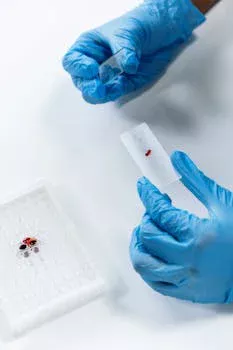
The Wastewater Systems Effluent Regulations (WSER) under the federal Fisheries Act establish mandatory federal minimum effluent quality standards for all systems collecting an average daily volume of 100 m³ or more. These federal standards demand that carbonaceous biochemical oxygen demand (CBOD) and total suspended solids (TSS) do not exceed an average of 25 mg/L. However, provincial jurisdictions often impose stricter limits depending on the receiving environment. For instance, Ontario’s Environmental Activity and Sector Registry (EASR) and British Columbia’s Sewerage System Regulation (SSR) may require advanced phosphorus removal or specific nitrogen limits if the effluent is discharged into "at-risk" water bodies.
For industrial facilities, compliance is not limited to standard sanitary parameters. In medical or clinical settings located within remote camps, the management of pathogenic waste is paramount. Specialized units utilize integrated ozone disinfection to achieve microbial kill rates exceeding 99.9%. Ozone is particularly effective in cold Canadian climates as it does not rely on the temperature-sensitive chemical kinetics of chlorine and leaves no harmful residual byproducts that could violate federal Fisheries Act toxicity limits. Packaged systems must also account for pH neutralization and the removal of heavy metals if the facility processes industrial runoff alongside domestic sewage.
Navigating these regulations requires a system that can adapt to varying influent strengths. Most Canadian municipal discharge bylaws target a BOD5 of <25 mg/L and TSS <25 mg/L. To ensure these targets are met year-round, packaged plants often incorporate a "buffer tank" or equalization basin. This allows the system to handle "slug loads"—sudden spikes in flow or concentration common in shift-based industrial operations—without washing out the biological colony or exceeding permit limits.
Sizing and Capacity Planning for Industrial Sites
Industrial wastewater characterization requires a minimum 24-hour composite sampling profile to determine the Peak Hourly Factor (PHF), which typically ranges from 2.0 to 4.0 for small-scale facilities. To accurately calculate wastewater system capacity, engineers must distinguish between average daily flow (ADF) and peak hourly flow. In a mining camp, for example, water usage peaks sharply in the morning and evening, creating hydraulic surges that can overwhelm a poorly sized clarifier. A system sized only for the ADF will likely fail during these peak periods, leading to solids carryover and regulatory non-compliance.
Modular expansion is a key strategy for growing industrial sites. Rather than installing a massive, underutilized system on day one, facilities can deploy a 10 m³/day unit and add parallel "trains" as the workforce expands. This multi-train approach provides built-in redundancy; one unit can be taken offline for maintenance while the others continue to treat the flow. industrial effluent often contains high concentrations of Fats, Oils, and Grease (FOG), which can coat biological media and inhibit oxygen transfer. In these cases, installing a dissolved air flotation (DAF) machine is a necessary pre-treatment step to protect the downstream biological package unit.
| Facility Type | Est. Flow (L/person/day) | Typical BOD (mg/L) | Recommended Pre-treatment |
|---|---|---|---|
| Remote Mining Camp | 250 - 350 | 200 - 300 | Screening & Equalization |
| Food Processing Plant | Variable | 1,000 - 3,000 | DAF (FOG Removal) |
| Small Town / Municipality | 350 - 450 | 150 - 250 | Grit Removal |
| Remote Medical Clinic | 150 - 200 | 200 - 400 | Ozone Disinfection |
Operational Costs and ROI for Packaged Plants
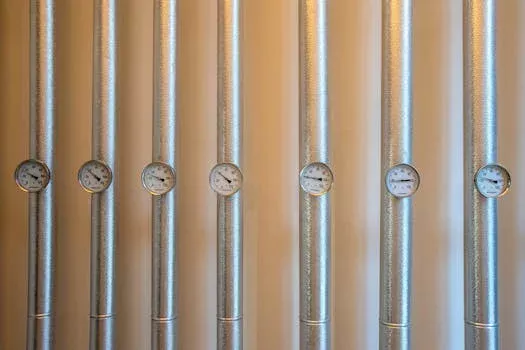
Pre-engineered packaged plants reduce site civil works and installation labor costs by 40-60% compared to traditional cast-in-place concrete infrastructure. This capital expenditure (CAPEX) advantage is particularly pronounced in remote Canadian regions where mobilizing concrete crews and heavy equipment is logistically complex. A containerized system can be tested at the factory, shipped via rail or truck, and commissioned within days of arrival on site. This "plug-and-play" capability significantly reduces the risk of project delays due to weather or local labor shortages.
From an operational (OPEX) perspective, the primary costs are electricity for aeration blowers and the periodic removal of waste activated sludge (WAS). Modern packaged units utilize PLC-controlled variable frequency drives (VFDs) to adjust blower speed based on real-time dissolved oxygen (DO) sensors. This precision prevents over-aeration, which can save up to 30% in annual energy costs. Additionally, integrated sludge thickening zones within the unit can reduce the volume of waste sludge, thereby decreasing the frequency and cost of vacuum truck services for off-site disposal. For a detailed breakdown of these variables, facility managers should consult a wastewater treatment cost analysis to model the 10-year Total Cost of Ownership (TCO).
The return on investment (ROI) for a packaged plant is often realized through the avoidance of environmental fines and the reduction in hauling costs. Facilities that currently rely on "pump-and-haul" methods for their sewage can often see a system payback period of less than 24 months. By treating effluent to a standard that allows for local discharge or reuse, the facility eliminates the recurring expense of liquid waste transport, which is exceptionally high in northern territories.
Frequently Asked Questions
What is the difference between a package plant and a septic system?
A septic system is a passive, anaerobic treatment method that relies primarily on gravity and soil absorption for final treatment. A package plant is an "active" biological system that uses mechanical aeration and advanced filtration to treat water to a much higher standard, allowing for direct discharge into surface water or reuse, which is generally not permitted with septic effluent.
Do package wastewater systems work in extreme cold Canadian climates?
Yes. When properly engineered with high-density insulation, heat-tracing, and buried installation below the frost line, these systems maintain the internal temperatures necessary for biological nutrient removal (BNR). The heat generated by the microbial aerobic reactions also helps maintain the liquor temperature above freezing.
What are the maintenance requirements for an automated package unit?
Automated units require minimal daily intervention. Typical maintenance includes a weekly visual inspection of blowers and pumps, monthly sensor calibration (pH/DO), and quarterly sludge level checks. MBR systems may require semi-annual chemical "clean-in-place" (CIP) procedures to maintain membrane permeability.
How long does it take to install a containerized wastewater system in Canada?
Once the foundation pad and utility hookups are ready, a containerized system can typically be positioned and commissioned within 3 to 7 days. This is significantly faster than the 6 to 12 months required for traditional concrete plant construction. For those determining the best fit for their facility, identifying the best wastewater treatment system for a small factory involves balancing this installation speed with long-term effluent requirements.
Related Equipment

The following HydropureWater products are engineered for the wastewater challenges discussed above:
- automated underground package plants — view specifications, capacity range, and technical data
- integrated MBR treatment systems — view specifications, capacity range, and technical data
Need a customized solution? Request a free quote with your specific flow rate and pollutant parameters.