Why Food Processing Wastewater Is Challenging in Germany
Food processing wastewater contains high BOD (500–5,000 mg/L) and COD (1,000–10,000 mg/L), requiring specialized treatment because standard municipal systems are not designed to handle such concentrated organic loads. In the German food industry, effluent is characterized by high concentrations of biodegradable organic matter, which can lead to rapid oxygen depletion if not managed correctly. For instance, a dairy processing 500 cubic meters of milk daily produces a wastewater load equivalent to a small city, with Chemical Oxygen Demand (COD) often peaking during cleaning cycles (CIP) due to the presence of residual milk proteins and sugars.
Fats, oils, grease (FOG), and suspended solids can clog pipes and inhibit biological processes by coating microbial flocs and preventing oxygen transfer. In meat processing and slaughterhouses, FOG levels can exceed 1,000 mg/L, necessitating robust mechanical pre-treatment. Without effective removal of these lipids, downstream aerobic or anaerobic reactors suffer from reduced efficiency and mechanical failure. the high Total Suspended Solids (TSS) found in vegetable processing—often reaching 3,000 mg/L—requires high-rate separation to prevent sludge build-up in sensitive biological stages.
Seasonal production peaks in German dairies, meat plants, and breweries create variable flow and load, complicating the stability of biological treatment systems. A brewery may see hydraulic flows triple during summer months, while fruit processing plants often operate at 200% capacity during harvest seasons. These fluctuations require systems with high buffering capacity or modular scalability to maintain effluent quality without washing out the active biomass.
Discharge to municipal sewers requires pre-treatment under the Abwasserabgabeverordnung (AbwV), where non-compliance risks fines up to €100,000 and the potential revocation of discharge permits. German regulators enforce "state-of-the-art" (Stand der Technik) requirements, meaning facilities must implement the most effective technologies available. Operators must also account for the Abwasserabgabe (wastewater tax), where the rate is directly tied to the "pollution units" (Schadeinheiten) discharged, making high-efficiency treatment a financial necessity rather than just a legal one.
Core Technologies for German Food Industry Wastewater
Dissolved Air Flotation (DAF) removes 92–97% of FOG and TSS using micro-bubbles; ideal for meat, dairy, and beverage plants where primary solids removal is critical for downstream stability. By injecting air under pressure into the waste stream, DAF systems create bubbles typically 20–50 microns in diameter that attach to particles, causing them to float to the surface for mechanical skimming. A high-efficiency DAF system for food processing wastewater is often the first line of defense, reducing the organic load by up to 40% before any biological treatment occurs (HydropureWater field data, 2025).
Anaerobic digestion reduces COD by 80–90% and generates biogas; 106 full-scale plants in Germany prove scalability for large-scale processors. This technology is particularly effective for high-strength wastewater (COD > 3,000 mg/L) common in the starch and sugar industries. By utilizing Upflow Anaerobic Sludge Blanket (UASB) or Internal Circulation (IC) reactors, facilities can convert organic pollutants into methane, which can be used to offset factory heating costs or generate electricity, significantly improving the facility's carbon footprint.
MBR systems deliver <1 μm effluent with a 60% smaller footprint than conventional systems, making them suitable for space-constrained urban facilities in regions like North Rhine-Westphalia. A compact MBR system for high-quality effluent and water reuse combines activated sludge treatment with membrane filtration, effectively replacing the secondary clarifier. This results in an effluent free of suspended solids and bacteria, often meeting the requirements for non-potable reuse in cooling towers or floor cleaning.
A/O (anoxic/aerobic) biological treatment achieves 85–90% nitrogen removal and is common in packaged plants for small to mid-sized processors. This process utilizes two distinct zones: an anoxic zone for denitrification where nitrates are converted to nitrogen gas, followed by an aerobic zone for carbon oxidation and nitrification. This configuration is essential for meeting strict German nitrogen discharge limits in sensitive watersheds. Packaged systems like the WSZ series are often deployed as "plug-and-play" solutions for decentralized facilities.
| Technology | Primary Target | COD Removal Efficiency | Typical Footprint | German Industry Use Case |
|---|---|---|---|---|
| DAF | FOG, TSS, Insoluble COD | 30–60% (as pre-treatment) | Small to Medium | Slaughterhouses, Dairies |
| Anaerobic (UASB) | Soluble COD, Energy Recovery | 80–90% | Large (Vertical) | Breweries, Starch Plants |
| MBR | High-quality effluent, Reuse | 95–99% | Very Small | Urban food plants, Bakeries |
| A/O Biological | Nitrogen, BOD removal | 85–95% | Medium | Small meat processors |
Technology Comparison: DAF, Anaerobic, MBR & A/O Systems
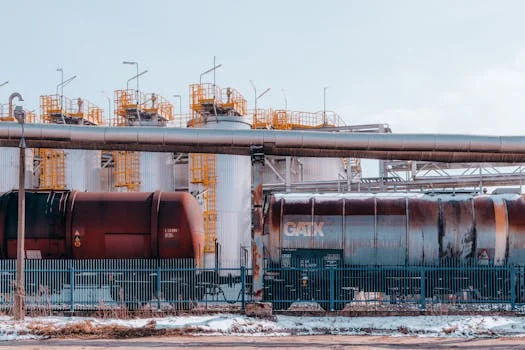
DAF systems handle 4–300 m³/h with 92–97% TSS removal, require coagulant dosing, and have moderate CAPEX compared to complex biological reactors. The system's effectiveness relies on the chemical conditioning of the wastewater; using polyaluminum chloride (PAC) or polyacrylamide (PAM) allows the micro-bubbles to effectively bridge with organic particles. In German meat processing plants, DAF units are frequently used to reduce the "wastewater load" before municipal discharge, often paying for themselves through reduced surcharges within 24 months (HydropureWater field data, 2025).
Anaerobic UASB reactors achieve 80–90% COD reduction, produce 0.3–0.5 m³ biogas/m³ wastewater, and suit high-strength effluents where energy recovery is a priority. These systems operate at high organic loading rates (10–20 kg COD/m³/day), which is significantly higher than aerobic processes. However, they require careful temperature control (typically 35°C) and pH monitoring to maintain the health of the methanogenic bacteria. The 106 anaerobic plants currently operating in Germany demonstrate that for large processors, the "waste-to-energy" model is a proven industrial standard.
MBR systems produce reuse-quality effluent with turbidity levels below 10 NTU, require periodic membrane cleaning, and consume approximately 20% less energy than traditional activated sludge systems when optimized for flux. The elimination of the secondary clarifier allows for a much higher Mixed Liquor Suspended Solids (MLSS) concentration (8,000–12,000 mg/L), which enhances the degradation of complex organic molecules. This technology is the preferred choice for German facilities looking to achieve comprehensive guide to BOD and TSS limits in Germany and EU compliance while minimizing their physical site footprint.
A/O systems, such as the WSZ series, are fully automated, require no full-time operator, and handle 1–80 m³/h—ideal for remote or small facilities. These integrated systems often use an underground configuration to save surface space and provide natural insulation for biological activity during cold German winters. By utilizing high-efficiency diffusers and automated sludge return cycles, these systems maintain consistent effluent quality even under variable loading conditions common in artisanal food production.
| Parameter | DAF | Anaerobic (UASB) | MBR System | A/O (WSZ) |
|---|---|---|---|---|
| Max Flow Rate | 300 m³/h | 500+ m³/h | 200 m³/h | 80 m³/h |
| Effluent Quality (COD) | < 500 mg/L (Pre-treated) | < 400 mg/L | < 50 mg/L | < 100 mg/L |
| Energy Use | Low (0.2 kWh/m³) | Net Positive (Biogas) | High (0.8–1.2 kWh/m³) | Moderate |
| Maintenance | Weekly Skimmer Check | Daily Bio-monitoring | Monthly CIP | Minimal/Automated |
Costs and ROI for Wastewater Systems in German Food Plants
DAF system CAPEX ranges from €80,000 to €500,000 depending on flow (4–300 m³/h), with payback typically achieved in 2–4 years via reduced disposal fees. For a mid-sized German dairy processing 50 m³/h, a DAF system can reduce the COD load significantly enough to lower municipal sewer surcharges by over €40,000 annually. For detailed budgetary planning, engineers should consult real 2025 DAF clarifier cost data by capacity and configuration to align with current European market prices.
Anaerobic plants have a higher upfront cost, often exceeding €1M, but generate €50,000–€200,000 per year in biogas revenue for large-scale processors. The ROI is further bolstered by the reduction in aerobic aeration energy costs and a lower volume of biological sludge produced (anaerobic sludge yield is roughly 10% of aerobic systems). In the context of the German "Energiewende," the ability to generate on-site renewable energy from wastewater provides a strategic hedge against volatile industrial energy prices.
Packaged A/O systems (1–80 m³/h) cost between €30,000 and €250,000 with a 5-year lifespan and minimal maintenance requirements for small processors. These systems are often financed as operational expenses (OPEX) due to their modular nature. When considering the total cost of ownership, the real 2025 DAF clarifier cost data by capacity and configuration and related biological treatment costs must include chemical dosing, which averages €0.15–€0.45 per cubic meter of treated water.
OPEX for chemical dosing, energy, and sludge handling averages €1.50–€3.50/m³ treated, which must be factored into the long-term facility budget. Sludge disposal is a significant component of OPEX in Germany, with costs ranging from €80 to €150 per ton depending on the region and the sludge's organic content. Efficient dewatering and high-rate treatment technologies that minimize sludge production are therefore highly prioritized by German procurement managers.
| System Type | Typical CAPEX (€) | Annual OPEX (€/m³) | Payback Period | Primary Saving Driver |
|---|---|---|---|---|
| DAF (Pre-treat) | 80k – 500k | 0.50 – 1.20 | 2 – 4 Years | Reduced sewer surcharges |
| Anaerobic Reactor | 1M – 5M | -0.20 – 0.50 (Net) | 5 – 8 Years | Biogas & Energy savings |
| MBR (Advanced) | 150k – 800k | 1.80 – 3.50 | 4 – 6 Years | Water reuse & Compliance |
| WSZ A/O (Packaged) | 30k – 250k | 1.20 – 2.50 | 3 – 5 Years | Low labor & maintenance |
Compliance with German and EU Wastewater Regulations
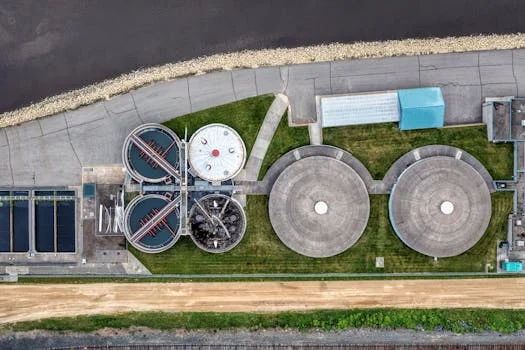
AbwV sets a BOD5 limit of 30 mg/L and a COD limit of 120 mg/L for discharge to public sewers, though local municipalities may impose stricter standards. These limits are part of the German "Abwasserverordnung," which categorizes industrial sectors (Annex 3 for milk, Annex 10 for meat) and defines specific requirements for each. For food processors, meeting these limits usually requires a multi-stage approach: mechanical screening, DAF for FOG removal, and biological treatment for dissolved organics.
EU Urban Waste Water Directive 91/271/EEC requires 75% BOD and 80% SS removal for agglomerations over 2,000 population equivalent (p.e.), impacting any industrial facility that discharges directly to water bodies. This directive has been a driving force behind the modernization of German industrial treatment plants over the last decade. Facilities must ensure their treatment trains are robust enough to handle "peak loads" to avoid violating the percentage removal requirements during high-production days.
Industrial facilities must conduct self-monitoring (Eigenkontrolle) and report annually to the local Wasserwirtschaftsamt (Water Management Office). This involves regular sampling, flow measurement, and lab analysis of key parameters like Total Nitrogen (TN) and Total Phosphorus (TP). Modern systems now integrate digital sensors and IoT monitoring to provide real-time data, ensuring that any process deviations are caught before they lead to regulatory breaches.
Non-compliance can trigger operational shutdowns and significant fines under the Kreislaufwirtschaftsgesetz (KrWG) and the Federal Water Act (WHG). Beyond the immediate financial penalties, a "non-compliant" status can damage a company's ESG (Environmental, Social, and Governance) rating, potentially affecting its ability to export to environmentally conscious EU markets or secure green financing. Implementing a certified high-efficiency DAF system for food processing wastewater is a recognized step toward maintaining a clean regulatory record.
Frequently Asked Questions
What is the wastewater ordinance in Germany?
The Abwasserabgabeverordnung (AbwV) regulates industrial discharge to sewers and surface waters, setting specific limits for BOD5 (30 mg/L), COD (120 mg/L), and TSS, varying by industrial sector annexes.Which country has the best wastewater treatment system?
Germany ranks in the top 3 for EU compliance, with over 98% of its urban and industrial population connected to advanced (tertiary) treatment systems, according to the EEA 2023 report.What is the most common method in the food industry?
Dissolved Air Flotation (DAF) combined with biological treatment (either aerobic or anaerobic) is the industry standard for handling high organic and FOG loads in food processing.How many treatment plants are in Germany?
There are over 10,000 municipal and industrial plants nationwide, including 106 full-scale anaerobic systems specifically designed for industrial high-strength wastewater.What DAF capacity is needed for a medium food plant?
A capacity of 50–150 m³/h typically covers the needs of medium-sized dairies, slaughterhouses, and beverage bottling lines, allowing for cleaning peaks and future expansion.