What Is a Trash Rake Screen and How Does It Work?
HydropureWater, a leading trash rake screen manufacturer, offers heavy-duty mechanical bar screens with 30–100 mm bar spacing, constructed in 304 or 316 stainless steel for corrosion resistance. Their systems achieve 98% debris capture in industrial wastewater applications, feature no submerged moving parts, and are fully PLC-automated—reducing maintenance by up to 40% compared to conventional designs.
A mechanical bar screen serves as the primary defense for downstream pumps and treatment processes by intercepting large-scale debris such as rags, plastics, timber, and vegetation from influent water. The system utilizes a series of parallel vertical or inclined bars, typically spaced between 30 mm and 100 mm, to create a physical barrier. As wastewater flows through these bars, the liquid passes through while solids accumulate on the upstream face of the rack. If left unmanaged, this debris creates a "blinding" effect, increasing head loss and potentially causing channel overflow or pump cavitation.
The cleaning operation is performed by a dedicated rake mechanism that periodically or continuously traverses the bar rack. In a grab-style system, a heavy-duty rake descends from above, engages the bars at the channel floor, and lifts the accumulated material to a discharge point. Alternatively, continuous-chain systems utilize multiple rakes mounted on a rotating chain to provide constant cleaning. Once the rake reaches the top of the screen, a wiper or gravity-trip mechanism ejects the debris into a dumpster or conveyor. This automated removal process ensures that the hydraulic capacity of the intake remains constant, even during high-loading events or storm surges.
Types of Mechanical Bar Screens for Industrial Use
The selection of the appropriate coarse screening system requires an analysis of the peak flow rate, the nature of the debris, and the physical constraints of the installation site. Grab-style rakes are engineered for intermittent, high-load scenarios where the debris volume is unpredictable, such as municipal storm overflows or river intakes. These systems operate by lowering a single, high-capacity grab rake from an overhead monorail. Because the cleaning cycle starts from the top and moves to the bottom, the rake can handle massive individual objects, such as logs or tires, that would jam a standard chain-driven unit. Grab rakes typically offer a lifting capacity of 200–500 kg per cycle, making them the standard for heavy industrial debris removal.
For 24/7 municipal or industrial wastewater plants with consistent debris loads, chain-driven multi-rake systems are often the preferred choice. These units employ multiple tines attached to a pair of continuous chains, allowing for a high cleaning frequency that prevents head loss from escalating. This continuous-duty stainless steel bar screen with self-cleaning discharge is particularly effective at removing fibrous materials and smaller solids that might slip through intermittent systems. While rotary drum screens are sometimes considered for intake protection, they are generally classified as fine screens and lack the structural rigidity required to process the coarse, heavy debris handled by a dedicated trash rake.
| Feature | Grab-Style Rake | Multi-Rake (Chain-Driven) | Rotary Bar Screen |
|---|---|---|---|
| Best Application | Stormwater, large debris, deep channels | Continuous industrial influent | High-flow municipal headworks |
| Debris Capacity | Up to 500 kg per lift | Continuous small-load removal | Medium-load removal |
| Submerged Parts | None (in parked position) | Chains and lower bearings | Lower guide rails |
| Maintenance Profile | Low (accessible components) | Moderate (chain tensioning) | Moderate (brush/wiper wear) |
| Typical Flow Rate | <50 m³/h per unit (intermittent) | 50–500 m³/h (continuous) | Up to 1000+ m³/h |
When choosing between grab-style and chain-driven systems, consider the specific needs of your industrial application.
Key Technical Specifications to Evaluate
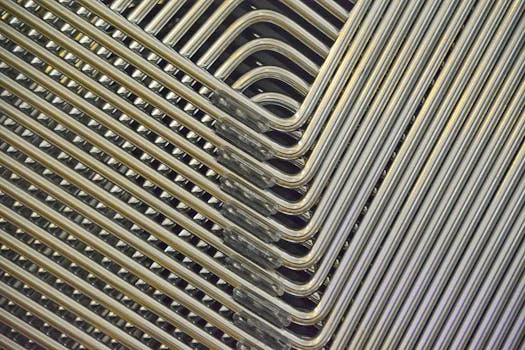
Industrial bar spacing for coarse screening typically ranges from 30 mm to 100 mm to balance the need for equipment protection with the requirement for high hydraulic throughput. While tighter spacing captures more debris, it also increases the frequency of cleaning cycles and the risk of "stapling," where fibrous materials wrap around the bars and become difficult to remove. Engineers must specify bar thickness and depth based on the maximum anticipated head differential; for example, a 10 mm thick bar may be required for deep channels to prevent deflection during heavy debris accumulation.
Material selection is the primary driver of equipment longevity in wastewater environments. While coated carbon steel is an option for low-budget installations, 304 stainless steel is the industry standard for general industrial wastewater. In environments with high chloride concentrations, saline water, or aggressive chemical additives, 316 stainless steel is mandatory to prevent pitting and stress corrosion cracking. The drive system—whether hydraulic or electric—must be rated for the environment. Electric motors should carry an IP68 rating for submersion protection, even if they are mounted above the water line, to withstand the high-humidity conditions of an intake structure.
| Specification | Standard Industrial Range | HydropureWater Heavy-Duty Spec |
|---|---|---|
| Bar Spacing | 20 mm – 100 mm | 30 mm – 100 mm (Customizable) |
| Material Grade | Carbon Steel / 304 SS | 304 / 316 / 316L Stainless Steel |
| Control System | Manual / Basic Timer | PLC-Automated with SCADA Integration |
| Installation Angle | 60° – 90° | 75° (Optimized for debris lift) |
| Drive Type | Electric Gear Motor | High-Torque IP68 Electric / Hydraulic |
Automation capabilities are no longer optional for modern industrial plants. A robust trash rake system should feature PLC-controlled operation triggered by ultrasonic level sensors. These sensors measure the differential head between the upstream and downstream sides of the screen. When the differential exceeds a pre-set limit (e.g., 100 mm), the rake automatically initiates a cleaning cycle. This "on-demand" operation reduces mechanical wear and energy consumption compared to systems that run on a simple timer. Integration with a centralized SCADA system allows operators to monitor rake status, cycle counts, and torque alarms from a remote control room.
Comparing Performance: Grab Rake vs. Multi-Rake vs. Chain-Driven Systems
The operational efficiency of a trash rake is measured by its ability to maintain a low head loss across the bar rack while minimizing mechanical downtime. Grab rakes offer the highest reliability in terms of maintenance because they have no submerged moving parts when in the "parked" position. This design eliminates the common failure points associated with underwater bearings and chains, which are prone to abrasion from grit and sand. For facilities processing less than 50 m³/h or those primarily concerned with large-object removal, the grab rake provides the lowest total cost of ownership through simplified mechanical access.
Multi-rake systems, such as the continuous-duty stainless steel bar screen with self-cleaning discharge, excel in high-flow municipal headworks where a single rake cycle would be insufficient to keep up with the debris arrival rate. Because multiple rakes are moving simultaneously, the time between bar cleanings is reduced to seconds rather than minutes. However, the presence of submerged chains requires more frequent inspections—typically every 3 to 4 months—to check for chain stretch and sprocket wear. In contrast, chain-driven systems designed for the pulp and paper or food processing industries often feature specialized tines that can "comb" through fibrous waste more effectively than a standard grab rake.
| Performance Metric | Grab-Style | Multi-Rake | Chain-Driven (Traditional) |
|---|---|---|---|
| Cleaning Frequency | Intermittent (Cycle-based) | Continuous (High frequency) | Continuous (Medium frequency) |
| Large Object Handling | Excellent (Logs, tires) | Fair (Limited by tine gap) | Good (Robust tines) |
| Head Loss Control | Moderate | Excellent | Very Good |
| Submerged Wear | Zero | Moderate (Chains/Sprockets) | High (Lower bearings) |
| Retrofit Ease | High (Small footprint) | Moderate (Channel depth req.) | Moderate |
Total Cost of Ownership and Maintenance Optimization
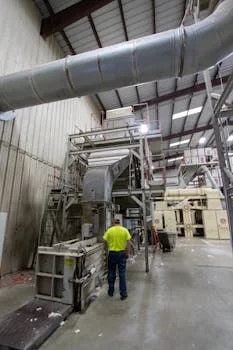
The initial capital expenditure for a high-quality trash rake screen typically ranges from $15,000 to $50,000, depending on the channel width, depth, and material specifications. While carbon steel systems offer a lower upfront price, the lifecycle cost of stainless steel is significantly lower when factoring in the 5–7 year extension in equipment life and the avoidance of expensive recoating procedures. Procurement teams should prioritize systems that utilize modular components; for instance, HydropureWater maintains a 48-hour dispatch policy for wear components like wipers and sensors to minimize unplanned downtime.
Maintenance optimization is achieved by selecting designs that keep mechanical drives and bearings out of the wastewater stream. Internal data indicates that systems with no submerged parts reduce annual maintenance labor costs by up to 40% (HydropureWater field data, 2025). For chain-driven units, following a preventive maintenance checklist for mechanical screens is essential to prevent catastrophic chain failure. This includes lubricating upper bearings every 3 months and performing a full bar rack inspection annually to check for bent bars or debris wedged in the base plate. By investing in PLC-controlled torque monitoring, plants can also prevent motor burnout by automatically reversing or stopping the rake if it encounters an immovable obstruction.
Frequently Asked Questions
What is the difference between a trash rack and a trash rake screen?
A trash rack is a static set of parallel bars that manually intercepts debris and requires manual cleaning. A trash rake screen is a fully mechanical, automated system that uses a powered rake to remove debris from the bars without manual intervention.
Can trash rake screens handle stormwater overflow?
Yes. Grab-style rakes are specifically designed for stormwater applications. Their ability to handle large, heavy debris and operate intermittently based on level sensors makes them ideal for the rapid debris loading seen during storm events in combined sewer systems.
How often does a mechanical bar screen need maintenance?
Standard maintenance intervals range from 3 to 6 months. Systems with submerged chains require quarterly tensioning and lubrication, while grab-style rakes with no submerged parts typically only require semi-annual inspections of the overhead drive and hoist cables.
Are stainless steel bar screens worth the cost?
Yes. In industrial wastewater, 316 stainless steel can extend the service life of a screen by over 50% compared to coated carbon steel. The resistance to localized pitting and chemical corrosion significantly reduces the total cost of ownership over a 15-year lifecycle.
Do trash rakes require a separate conveyor?
Not necessarily. Many grab-style rakes utilize an overhead monorail system that allows the rake to carry debris directly to a designated dump