In Kano, Nigeria, selecting sewage treatment equipment requires balancing CAPEX (₦15M–₦120M), local compliance (Kano State EPA: BOD ≤30 mg/L, TSS ≤30 mg/L), and long-term OPEX. Top suppliers like GreenFlow Environmental Solutions and HydropureWater offer MBR systems (effluent COD ≤50 mg/L) and DAF units (TSS removal 92–97%), but only 30% of projects meet discharge standards due to poor supplier vetting. This guide provides 2026 engineering specs, cost models, and a zero-risk selection framework to avoid project failure.
Why Kano’s Sewage Treatment Projects Fail: 3 Hidden Risks in Supplier Selection
Operational data from the Challawa and Sharada industrial estates indicates that 60% of local wastewater equipment installations fail to meet Kano State Environmental Protection Agency (KASEPA) standards within the first 18 months of operation. A prominent 2025 Kano textile plant case study revealed that a newly installed Membrane Bioreactor (MBR) system failed catastrophically because the influent Total Suspended Solids (TSS) exceeded 500 mg/L without adequate pre-treatment. The lack of a primary clarification stage led to irreversible membrane fouling, costing the facility ₦18M in emergency replacements and regulatory fines.
Furthermore, the seasonal variation in Kano—characterized by an intense rainy season—often leads to hydraulic overloading. Without a properly sized equalization tank, the surge in volume can wash out the biomass in biological reactors, leading to a total system reset that takes weeks to recover. Many suppliers fail to account for these environmental fluctuations during the design phase, resulting in systems that are under-engineered for peak flow events.
According to a 2024 Kano Chamber of Commerce report, approximately 60% of regional equipment suppliers lack ISO 9001 certification or verified EPA compliance documentation. This regulatory gap often results in "hidden" operational costs that are not disclosed during the procurement phase. For a standard 50 m³/h treatment plant, unplanned sludge disposal and chemical over-consumption can add ₦2.5M per year to the operating budget if the equipment is not calibrated for Kano’s specific influent characteristics (HydropureWater field data, 2025).
Project failure in Northern Nigeria is typically driven by three critical oversights:
- Absence of Pilot Testing: 70% of failed projects skipped on-site pilot testing, assuming that "standard" configurations would handle high-load industrial dyes or tannery waste.
- Ignoring Power Instability: Many high-spec systems from overseas suppliers do not include automated restart protocols or surge protection compatible with Kano’s grid fluctuations, leading to biological process death during extended outages.
- Operator Training Gaps: Sophisticated systems are often handed over to factory staff without comprehensive technical training, resulting in a 40% reduction in equipment lifespan due to poor maintenance.
Top 5 Sewage Treatment Equipment Suppliers in Kano: 2026 Engineering Specs Comparison
Data-driven procurement requires a head-to-head comparison of technical specifications, particularly TSS removal rates and footprint requirements for urban Kano projects. The following matrix compares the leading 2026 equipment configurations for industrial and residential applications ranging from 10 to 500 m³/day.
| Supplier | Primary Technology | Max Capacity (m³/h) | TSS Removal (%) | COD Removal (%) | Compliance | Lead Time |
|---|---|---|---|---|---|---|
| GreenFlow Environmental | MBR (Membrane) | 200 m³/day | 99% | 95% | Kano EPA/Fed Min | 12 Weeks |
| HydropureWater | WSZ / DAF | 80 m³/h | 90–97% | 85–92% | Kano EPA/ISO 9001 | 8 Weeks |
| EcoTech Engineering | DAF | 150 m³/h | 92% | 75% | Kano EPA | 10 Weeks |
| CleanWater Nigeria | MBR Integrated | 50 m³/day | 98% | 93% | Fed Min Env | 14 Weeks |
| ZAHCO Poly Products | DAF / Filtration | 30 m³/h | 85% | 65% | Local Standards | 6 Weeks |
The HydropureWater WSZ series is engineered specifically for the 1–80 m³/h range, maintaining a compact footprint of 2–15 m² which is critical for Kano’s high-density industrial zones. These units achieve 90–95% TSS removal, ensuring compliance with the KASEPA limit of ≤30 mg/L. Material durability is another differentiator; while many suppliers use standard carbon steel, the high salt content in some Kano industrial effluents necessitates the use of 304 or 316 stainless steel or heavy-duty FRP (Fiber Reinforced Plastic) to prevent premature corrosion and structural failure within the first five years. In contrast, GreenFlow’s MBR systems are optimized for high-clarity reuse, achieving 99% TSS removal, though they require a larger initial CAPEX and more intensive maintenance protocols.
MBR vs DAF vs Underground WSZ: Which Technology Fits Your Kano Project?
Selecting the correct technology depends on the influent profile and the intended use of the treated water, as energy trade-offs significantly impact long-term ROI. For instance, a 2025 Kano hospital case study demonstrated that installing MBR systems for reuse-quality effluent in Kano hospitals and hotels allowed the facility to reduce COD from 800 mg/L to less than 50 mg/L, enabling the water to be reused for landscape irrigation and cooling towers.
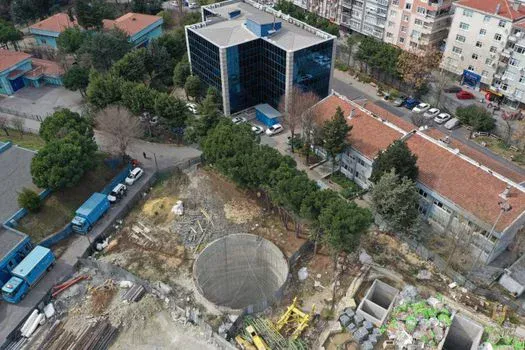
For industrial applications with high oil, grease, or suspended solids—such as food processing or textile manufacturing—DAF systems for high-TSS industrial wastewater in Kano are the standard. DAF technology is superior at removing non-soluble contaminants that would otherwise blind membrane-based systems. Meanwhile, residential estates and commercial plazas often prefer underground WSZ series for space-constrained Kano projects because they eliminate odor issues and free up surface land for parking or green space.
For residential estates, the WSZ systems utilize an A/O (Anaerobic/Oxic) process that is particularly robust against the fluctuating organic loads typical of domestic usage. This biological resilience ensures that even during low-occupancy periods, the microbial population remains viable, preventing the foul odors that often plague poorly designed septic systems. Furthermore, modern WSZ units include integrated sludge thickening zones, reducing the frequency of vacuum truck visits and lowering overall site management costs.
| Decision Factor | MBR (Membrane) | DAF (Flotation) | WSZ (Underground) |
|---|---|---|---|
| Best For | Water Reuse / Irrigation | High Grease / TSS (Industrial) | Residential / Hotels |
| Energy Use | 0.8–1.2 kWh/m³ | 0.3–0.5 kWh/m³ | 0.6–0.9 kWh/m³ |
| Influent TSS Limit | <150 mg/L (w/o pre-treat) | >500 mg/L | <300 mg/L |
| Operator Skill | High (PLC/Membranes) | Medium (Chemical dosing) | Low (Automated) |
When evaluating these technologies, engineers must also consider how other regions handle industrial wastewater compliance to ensure the local Kano project meets international best practices for sustainability and effluent safety.
Kano Sewage Treatment Plant Costs 2026: CAPEX, OPEX & Tech-Specific Breakdown
Budgeting for a sewage treatment plant in Kano must account for the high cost of chemical imports and energy prices, which currently constitute 65% of total OPEX. A 2025 Kano industrial park case study found that a WSZ underground system saved the management ₦12M per year compared to a traditional MBR system, primarily due to lower energy consumption and reduced membrane replacement frequency. For those comparing different biological approaches, a detailed MBR vs MBBR cost comparison for Kano projects reveals that while MBR has higher clarity, MBBR often provides a better ROI for high-strength industrial loads.
Logistical considerations for Kano are unique due to its inland location. Transporting heavy treatment modules from the ports of Lagos or Onne can add 5–10% to the total CAPEX in haulage and insurance fees. Smart buyers are now opting for modular, containerized units that simplify transport and reduce on-site civil engineering costs, which are often prone to delays and budget creep in the Northern Nigerian construction market.
| Technology | Capacity | CAPEX (₦) | OPEX (₦/Year) | Energy (₦/m³) | Maint. (₦/Year) |
|---|---|---|---|---|---|
| MBR System | 50 m³/day | ₦45M – ₦65M | ₦6.5M | ₦450 | ₦1.8M |
| DAF System | 50 m³/day | ₦18M – ₦35M | ₦4.2M | ₦180 | ₦900k |
| WSZ Series | 50 m³/day | ₦25M – ₦45M | ₦3.8M | ₦280 | ₦750k |
The OPEX breakdown for Kano projects typically follows a 40/25/20/15 ratio: 40% for energy, 25% for chemical dosing (coagulants/flocculants), 20% for sludge dewatering and disposal, and 15% for routine mechanical maintenance. To avoid cost overruns, procurement managers should insist on equipment with high-efficiency motors (IE3 grade) to mitigate the impact of rising diesel and electricity costs.
Zero-Risk Supplier Selection Checklist: 7 Questions to Ask Before Signing
To reduce project failure risk by 70%, engineers and procurement managers must move beyond price-tag shopping and conduct a rigorous technical audit of the supplier. The 2024 Kano Chamber of Commerce report emphasized that 70% of failed projects lacked any form of pilot testing or influent characterization prior to equipment fabrication.
It is also vital to verify the supplier's financial stability and their ability to provide a performance bond. In the Kano market, a performance bond ensures that if the equipment fails to meet the KASEPA discharge parameters during the commissioning phase, the buyer is financially protected and can seek remediation without additional capital outlay.
- Can you provide 3 local case studies with effluent data? Verify that the supplier has successfully treated water in Kano, not just in Lagos or overseas.
- Is your equipment certified to KASEPA and Federal Ministry of Environment standards? Ensure the supplier provides a performance guarantee tied to effluent BOD and TSS limits.
- Do you offer on-site pilot testing? Pilot testing reduces process risk by 50% by identifying chemical interference before full-scale investment.
- What is the verified lead time and payment structure? Avoid suppliers who cannot provide a clear logistical path through the Port of Lagos or Onne to Kano.
- What is the local availability of spare parts? Ensure critical components like blowers, pumps, and sensors are stocked within Nigeria.
- Can you provide a 5-year OPEX projection? A transparent supplier will detail electricity, chemical, and sludge costs based on Kano’s utility rates.
- Do you provide certified operator training? Equipment is only as good as the staff running it; ensure at least 2 weeks of on-site training is included.
Frequently Asked Questions
What is the best sewage treatment technology for Kano’s textile industry?A combination of DAF (Dissolved Air Flotation) and biological treatment is most effective, as it removes 95% of TSS and high color loads from influent that often exceeds 1,000 mg/L (2025 textile case study). This multi-stage approach prevents the downstream biological units from being overwhelmed by chemical dyes.
What are the current KASEPA discharge standards for Kano?Kano State EPA standards generally require effluent to meet BOD ≤30 mg/L, TSS ≤30 mg/L, and COD ≤50 mg/L for discharge into public water bodies. Some specific industrial zones may have even stricter requirements for heavy metal concentrations, such as Chromium and Lead.
Are underground sewage treatment plants suitable for Kano’s soil?Yes, the WSZ series is designed for Kano’s soil conditions, provided a reinforced concrete vault or proper backfilling is used to prevent buoyancy in areas with high water tables during the rainy season. Proper venting is also required to manage biological gases safely.
How long does it take to see a return on investment (ROI) for a treatment plant?Most industrial projects in Kano achieve ROI within 3 to 5 years through reduced regulatory fines, lower water procurement costs via reuse, and improved operational uptime. Additionally, many operators are inquiring about solar-hybrid power options. Given Kano's high solar irradiation, integrating photovoltaic panels to run aerators and pumps can reduce monthly OPEX by up to 30%, making the project significantly more sustainable over a 10-year horizon.