Selecting a sewage treatment equipment supplier Rio de Janeiro buyers can hold to starts with CONAMA 430/2011: BOD ≤ 120 mg/L municipal, ≤ 60 mg/L industrial, TSS ≤ 150 mg/L. Equipment budgets span R$150K to R$2M+.
Sewage Treatment Equipment in Rio de Janeiro: 2026 Market and Cost Snapshot
Sewage treatment equipment budgets in Rio de Janeiro span R$150K for compact underground plants (1–10 m³/h), R$350K–R$900K for DAF systems (10–100 m³/h), and R$1.2M–R$2M for MBR at 100 m³/h. Compliance hangs on CONAMA 430/2011: BOD ≤ 120 mg/L and TSS ≤ 150 mg/L for Class 2 waters, with stricter industrial limits.
The market mixes local manufacturers such as Fast Tecnologia with international providers like HydropureWater. Hidden costs — sludge disposal at R$80–R$150/ton in Rio, permitting delays, and thin after-sales support — decide total spend more often than list price does. This guide gives a low-risk supplier selection framework, technology comparisons, and 2025 cost benchmarks for municipal and industrial buyers.
Regulatory Baseline: CONAMA 430/2011, ABNT NBR 12209, and Enforcement Climate
CONAMA 430/2011 sets the effluent limits every discharge in Rio de Janeiro must meet, and the values move with the receiving body and the discharge type. For municipal sewage treatment plants discharging into Class 2 waters, the maxima are 120 mg/L for BOD and 150 mg/L for TSS. Industrial facilities often face stricter values, with BOD limits as low as 60 mg/L depending on the sector and its characteristic pollutants. ABNT NBR 12209 adds the design and monitoring framework for municipal plants, with particular weight on package systems — disinfection effectiveness and robust sludge handling included.
Enforcement is tightening because the baseline gap is large. According to the Guanabara Bay report card, Rio de Janeiro city treated 47% of its sewage, the highest share among the bay's municipalities. Coastal salinity, high FOG loads from food processing hubs like Duque de Caxias, and tight sites in Barra da Tijuca all push projects toward specialized pre-treatment and compact footprints.
| Parameter | CONAMA 430/2011 (Class 2 Waters) | Industrial Effluent (Typical Stricter Limit) | Rio-Specific Challenge Impact |
|---|---|---|---|
| BOD (Biochemical Oxygen Demand) | ≤ 120 mg/L | ≤ 60 mg/L | High organic loads from food processing can stress biological treatment. |
| TSS (Total Suspended Solids) | ≤ 150 mg/L | Varies, often stricter than municipal | Effective removal crucial before discharge, especially in sensitive marine environments. |
| FOG (Fats, Oils, and Grease) | Varies by sector, often < 50 mg/L for industrial | Strict limits (e.g., < 20 mg/L for certain industries) | High concentrations from food processing require dedicated pre-treatment (e.g., DAF). |
| Salinity | N/A (Environmental Factor) | N/A (Environmental Factor) | Can inhibit microbial activity in biological treatment; requires robust system design. |
How Long Does an Industrial Wastewater Treatment Permit Take in Rio de Janeiro?
Permitting for new systems above 50 m³/h in Rio de Janeiro typically takes 6 to 12 months. The process requires a comprehensive Environmental Impact Assessment (EIA) plus the Installation License (LI) and Operational License (LO) from INEA. Rejections usually trace to inadequately detailed sludge disposal plans, insufficient FOG pre-treatment, or weak operational monitoring commitments. Start the EIA before equipment tendering, because the license conditions — not vendor catalogs — fix the effluent targets your system must hold.
Commissioning Sequence Once the Operational License Is Issued
Hold final acceptance until a full commissioning sequence has run on site, in the order written below. Write this sequence into the supply contract so it is a deliverable, not a favor.
- Water-test every tank, pipe, and valve before any biology or chemistry enters the train.
- Verify flow meters, level probes, and dosing pumps against a calibrated reference before startup.
- Seed the biological stage gradually, ramping load upward while watching settling behavior and biomass health.
- Prove flotation removal on your own influent, not on clean water, before accepting skimmer performance.
- Run a performance trial at design flow, sampling effluent across real production swings.
- Close out with logged operator training on the installed plant, so the first license audit finds records in place.
- Hand over as-built drawings, spares lists, and setpoint records with the plant, filed with the compliance binder.
Technology Match: MBR, DAF, and Underground Systems for Rio Streams
Technology selection in Rio de Janeiro is driven by three local constraints — salinity, FOG load, and available footprint — and each mainstream option answers a different subset. Membrane Bioreactor (MBR) systems deliver near-reuse-quality effluent, with TSS typically below 5 mg/L and BOD below 10 mg/L. Their compact design occupies roughly 60% less space than conventional activated sludge, which matters in Barra da Tijuca. CAPEX runs higher, often R$1.2M to R$2M at 100 m³/h, and coastal salinity raises fouling risk — PVDF membranes and rigorous pre-treatment are the standard mitigation. Wikipedia's membrane bioreactor overview notes PVDF is "the most prevalent material due to its long lifetime and chemical and mechanical resistance", and puts MBR COD removal "increased to 96 to 99 percent", versus roughly 95 percent for conventional activated sludge.
Dissolved Air Flotation (DAF) systems remove FOG at 95–98% and TSS at 90–95%, making them the default primary treatment for food processors and textile plants. Underground systems such as the WSZ series handle 1 to 80 m³/h with CAPEX of R$150K–R$500K, run with minimal operator intervention, and install fully below grade or on a trailer. For extreme FOG and TSS loads — meatpacking is the usual case — a hybrid DAF pre-treatment followed by MBR polishing protects the membranes and holds compliance. Field practice at MBR systems for near-reuse-quality effluent in Rio's industrial and municipal projects shows the hybrid route pays for itself in membrane life.
| Technology | Typical Flow Rate (m³/h) | CAPEX Range (R$) | Key Advantages | Rio-Specific Considerations |
|---|---|---|---|---|
| MBR Integrated Wastewater Treatment System | 10–500 | 1.2M–2M (for 100 m³/h) | Near-reuse quality effluent, small footprint | High salinity can impact membranes; requires robust pre-treatment. |
| Dissolved Air Flotation (DAF) System | 10–100 | 350K–900K (for 10–100 m³/h) | Excellent FOG & TSS removal, ideal for food/textile | Essential for high FOG loads common in Rio's food processing sector. |
| WSZ Underground Integrated Sewage Treatment Plant | 1–80 | 150K–500K (for 1–80 m³/h) | Compact, automated, minimal footprint, low CAPEX | Ideal for space-constrained urban areas and decentralized applications. |
| Hybrid DAF + MBR | Varies | Higher than DAF or MBR alone | Handles extreme FOG/TSS, protects MBR membranes | Optimal for challenging industrial wastewater, ensuring long-term reliability. |
Choosing a DAF System for Food Processing Wastewater in Brazil
A DAF system for food processing wastewater in Brazil earns its place at the head of the train by stripping FOG before biology ever sees it. Removal performance runs 95–98% for FOG and 90–95% for TSS at loads typical of meatpacking and dairy sites. Hydraulics are forgiving: Wikipedia's dissolved air flotation overview notes circular units need "just 3 minutes" of flotation while a rectangular unit "requires 20 to 30 minutes", and lamella plate packing raises separation efficiency where floor area is tight. Pair the unit with pH adjustment and polymer dosing matched to your wastewater character, and the biological stage downstream stays stable through production swings.
Choosing Between the Three Trains
Pick by influent character and footprint, not by brochure weight. Go underground where surface area is the binding constraint and the load is domestic-strength. Put DAF at the head of the train when FOG dominates the influent, as it does across food processing. Choose MBR where reuse-grade effluent or a tight site justifies the premium, and pair the two when extreme loads would otherwise shorten membrane life.
Cost Benchmarks for Rio de Janeiro: CAPEX, OPEX, and Hidden Costs (2025 Data)
CAPEX for sewage treatment systems in Rio de Janeiro scales with technology and capacity. Compact underground systems for 1–10 m³/h start near R$150K. DAF systems price around R$12K per m³/h of capacity; MBR systems, with higher effluent quality in a smaller footprint, command roughly R$20K per m³/h. At 100 m³/h, a DAF train lands near R$1.2M while an MBR plant sits in the R$2M to R$3M range.
OPEX is dominated by energy, chemicals, and sludge. Aeration and pumping draw 0.5 to 1.2 kWh/m³. Chemicals — coagulants, flocculants, disinfectants — run R$0.30 to R$1.50 per m³, with high FOG loads pushing DAF chemistry toward the top of the band. Systems above 50 m³/h generally need 1–2 full-time operators, and sludge disposal averages R$80 to R$150 per ton depending on the receiving site.
Hidden costs are where budgets break. Permitting delays beyond the 6–12 month estimate add R$50K to R$200K in planning and consultant fees. Weak after-sales support converts into emergency repairs, retraining, and spare-parts freight — MBR membranes especially. Early engagement with INEA and long-term sludge disposal contracts are the two mitigations that consistently pay off.
Total cost of ownership shows the trade clearly. A hypothetical 100 m³/h food processing plant over 5 years carries a TCO near R$1.1M with DAF, factoring CAPEX, OPEX, and sludge. An MBR plant with reuse-grade effluent runs closer to R$1.8M over the same window, recovering part of the gap in sludge reduction and water reuse. Buyers comparing closed-loop wastewater treatment systems for industrial streams should run the same five-year arithmetic before choosing a train.
| Cost Component | Range / Benchmark | Notes |
|---|---|---|
| CAPEX (Underground, 1–10 m³/h) | R$150K–R$500K | Low initial investment, suitable for smaller applications. |
| CAPEX (DAF, 10–100 m³/h) | R$12K/m³/h | Effective for FOG and TSS pre-treatment. |
| CAPEX (MBR, 50–500 m³/h) | R$20K/m³/h | High effluent quality, small footprint, higher initial cost. |
| OPEX (Energy) | 0.5–1.2 kWh/m³ | Influenced by aeration intensity and pumping requirements. |
| OPEX (Chemicals) | R$0.30–R$1.50/m³ | Higher for DAF with high FOG; dependent on influent quality. |
| OPEX (Labor) | 1–2 operators (for >50 m³/h) | Varies with system automation and complexity. |
| Sludge Disposal | R$80–R$150/ton | Significant recurring cost in Rio; varies by location and treatment. |
| Hidden Costs (Permitting Delays) | R$50K–R$200K | Extended EIA and licensing processes. |
Monitoring Cadence and the Operator Log
The Operational License is only as strong as the records behind it. Set a fixed sampling rhythm — influent and effluent checks each shift, full parameter panels on the schedule your license annex demands — and keep a bound log for every shift. Operators should record flows, chemical doses, sludge pulls, and abnormal events at the time they happen, not from memory. When the regulator asks for evidence, a complete log closes the inquiry.
How to Vet a Sewage Treatment Equipment Supplier in Rio de Janeiro: 10 Weighted Criteria
A sewage treatment equipment supplier Rio de Janeiro plants rely on clears three gates before quoting: certified compliance, local service, and verifiable references. The ten weighted criteria below turn those gates into a score you can defend in a tender file. The same sheet works for European tenders — it mirrors what an industrial equipment supplier Copenhagen procurement teams would accept, since compliance evidence and response times transfer across markets.
1. CONAMA 430/2011 Compliance Certification: Verify the equipment demonstrably meets the resolution's effluent limits. Request independent, third-party test reports from accredited laboratories (e.g., SGS, Bureau Veritas) for systems running under conditions similar to your project. This is the foundational screen against regulatory penalties.
2. Local Service Network & Response Time: A supplier with strong Rio presence should offer emergency response within 4 hours for critical failures — membrane fouling in MBR systems or pump breakdowns. Service centers near industrial zones such as Duque de Caxias cut downtime and repair costs.
3. After-Sales Support & Spare Parts Availability: Look for training programs, stocked spares (proprietary MBR membranes above all), and remote monitoring. Red flags: no local inventory and fully outsourced service with slow dispatch.
4. Project References in Rio de Janeiro: Demand at least three verifiable references with comparable flow rates and sectors in Rio or similar Brazilian environments. Site visits and effluent logs tell you more than testimonial letters.
5. Warranty & Performance Terms: Look for a minimum 2 years on equipment and 1 year on labor. Performance commitments — minimum uptime of 90% or defined effluent quality targets — should be written into the contract, with liquidated-damages clauses for delay or underperformance.
6. Technical Expertise & Rio-Specific Solutions: Probe their grasp of high FOG loads and salinity effects on biology. Generic equipment lists without site-specific proposals are the tell.
7. Financial Stability & Longevity: For an asset with a 15-year horizon, ask how long the supplier has operated in the Brazilian market and who backs them financially. A supplier exit leaves you without membrane or control support.
8. Supply Chain Reliability: Confirm manufacturing lead times and logistics into Rio, for both the plant and its spares. Late deliveries cascade straight into licensing deadlines.
9. Integrated Solutions & Future Scalability: Prefer suppliers who can deliver pre-treatment through tertiary stages on one control philosophy, and whose trains scale with flow growth or tightening limits.
10. Contractual Clauses for Rio-Specific Risks: Cover Force Majeure tied to local environmental conditions and explicit responsibility for FOG pre-treatment compliance. Clear clauses prevent disputes when influent changes.
| Criteria | Weight (%) | Evaluation Notes | Red Flags |
|---|---|---|---|
| CONAMA 430/2011 Compliance | 25 | Third-party test reports, certifications | Lack of verifiable performance data |
| Local Service Network | 20 | Response time, number of local technicians | No local presence, long travel times |
| After-Sales Support & Spares | 15 | Training, inventory, remote monitoring | Outsourced service, limited spare parts |
| Rio Project References | 10 | Site visits, operational data | Few or no local references, vague testimonials |
| Warranty & Performance Terms | 10 | Duration, scope, performance metrics | Short warranties, vague performance promises |
| Technical Expertise (Rio-Specific) | 10 | Tailored solutions, understanding of local challenges | Generic equipment offerings, lack of site-specific proposals |
| Financial Stability | 5 | Company history, financial reports | Recent establishment, poor financial standing |
| Supply Chain Reliability | 5 | Delivery timelines, logistics | History of late deliveries |
Run this table as a one-page evaluation sheet during tenders, weight the scores, and keep the evidence pack — it doubles as your compliance file when INEA asks how the supplier was chosen.
Case Study: A Duque de Caxias Meatpacking Plant Cut FOG Violations by 95%
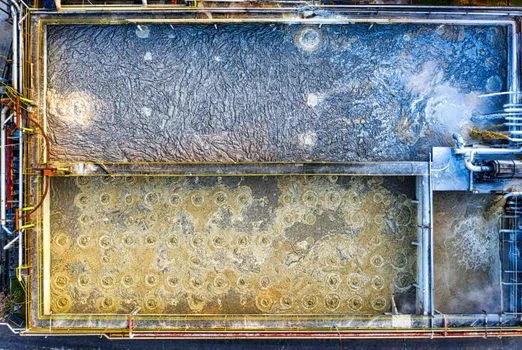
A meatpacking plant in Duque de Caxias was failing its CONAMA 430/2011 FOG limits, with influent concentrations of 1,500–2,500 mg/L and TSS of 800–1,200 mg/L. Violations were costing roughly R$30K per month in fines and had put the operating license at risk. The loads were also upsetting downstream biology, driving maintenance spend upward on top of the penalties.
The fix was a hybrid DAF-MBR train: a 50 m³/h DAF unit followed by a 30 m³/h MBR polisher, at a capital cost of approximately R$1.4M. The DAF stage removed over 95% of FOG and 99% of TSS before the membranes. Final effluent held TSS below 5 mg/L and BOD below 10 mg/L, inside the strictest discharge requirements the plant faced.
The results were transformative:
- 95% Reduction in FOG: Effluent FOG levels consistently dropped to below 100 mg/L, eliminating regulatory violations.
- 99% Reduction in TSS: TSS levels were consistently below 5 mg/L, ensuring compliance with even the strictest discharge requirements.
- Zero Violations for 18 Months: The plant experienced an uninterrupted period of compliance, avoiding all fines and operating penalties.
- OPEX Savings: Monthly savings of R$12K on chemicals and R$8K in eliminated fines totaled R$20K per month in direct cost reductions.
Two lessons carry beyond this site. DAF pre-treatment protected the MBR membranes, extending their life and cutting maintenance; and the local service contract — fast response from suppliers who know Rio's industrial landscape — kept the train online through the load swings that meatpacking always brings.
Troubleshooting by Symptom, Not by Guesswork
When final effluent drifts, work the train from the front backward. Rising FOG at the outfall almost always means the flotation stage — check the skimmer drive, the air saturation system, and polymer freshness before touching the biology. A slow creep in suspended solids points to sludge age and wasting practice rather than equipment failure. Building fouling pressure on the membranes tells you pre-treatment is slipping; restore it before scheduling intensive cleans.
Escalate in a single direction: confirm the symptom with a lab check, fix the stage that owns it, then re-sample before moving deeper into the train. Jumping straight to chemical rescue doses hides the cause and buys a week at best.
Who This Guide Fits, and the Next Step
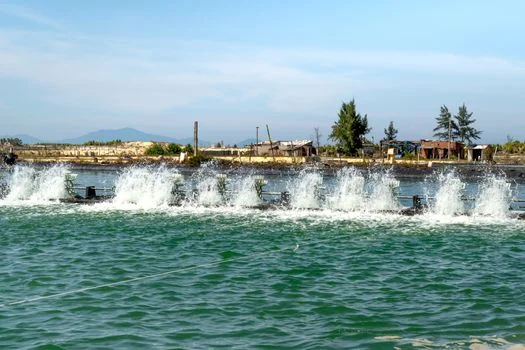
This guide fits municipal operators and industrial buyers in Rio de Janeiro sizing plants from 1 to 500 m³/h — food processing, textiles, meatpacking, hospitals, and decentralized residential schemes. The Underground Package Sewage Treatment Plant (WSZ Series) covers the 1–80 m³/h compact end of that range, and the high-efficiency DAF system for Rio's food processing and textile industries anchors FOG-heavy trains.
Send your flow rate, influent character, and target limits through our quote desk for a budget priced against 2025 benchmarks and CONAMA 430/2011 conditions.
Frequently Asked Questions
What are the primary effluent limits I must comply with in Rio de Janeiro?
CONAMA 430/2011 governs every discharge. For municipal systems releasing to Class 2 waters, the limits are BOD ≤ 120 mg/L and TSS ≤ 150 mg/L. Industrial permits are often stricter, with BOD typically ≤ 60 mg/L depending on the sector and receiving body. Read your license first — its annexes, not the resolution defaults, are what INEA enforces.
How long does the permitting process typically take for sewage treatment systems in Rio?
Systems above 50 m³/h generally take 6 to 12 months to permit. The path runs through the Environmental Impact Assessment, the Installation License (LI), and the Operational License (LO). Starting the EIA early is the single best defense against delay costs of R$50K–R$200K in planning and consultant fees.
How do I secure an industrial wastewater treatment permit in Rio de Janeiro?
File a complete EIA with INEA covering effluent character, treatment design, sludge disposal, and monitoring plans. Incomplete sludge and FOG pre-treatment detail is the most common rejection cause. Sequencing matters: lock the license conditions before you sign equipment contracts, so the plant you buy matches the permit you hold.
What are the main challenges of treating wastewater in Rio de Janeiro's coastal areas?
Coastal salinity suppresses biological treatment performance and accelerates membrane fouling. Robust system design — salt-tolerant biology, PVDF membranes, and strong pre-treatment — keeps performance stable. Sites near the bay also answer to stricter receiving-water scrutiny, so monitoring plans carry real weight.
Which technology is best for high FOG loads common in Rio's food processing sector?
A Dissolved Air Flotation (DAF) system is the standard first stage for high FOG loads. It removes up to 98% of FOG before biological treatment, protecting downstream biology and membranes. For extreme loads, follow DAF with MBR polishing — the Duque de Caxias case in this guide shows the combination eliminating violations outright.
How do MBR and DAF system costs compare in Brazil for a Rio de Janeiro plant?
At 100 m³/h, a DAF system lands near R$1.2M in CAPEX while an MBR plant runs R$2M to R$3M. MBR buys near-reuse effluent quality and a smaller footprint at that premium. Over five years, TCO closes to roughly R$1.1M for DAF versus R$1.8M for MBR on a food processing profile.
What does an underground sewage treatment plant cost in Rio?
Compact underground plants run R$150K to R$500K for flows of 1 to 80 m³/h. That band covers residential communities, hospitals, and decentralized industrial sites where surface area is the binding constraint. Installation below grade or on a trailer adds scheduling flexibility without changing the compliance scope.
What are the typical sludge disposal costs in Rio de Janeiro?
Disposal averages R$80 to R$150 per ton depending on the receiving site and treatment required. It recurs monthly, so it belongs in every OPEX model from day one. Dewatering ahead of haulage, plus a long-term disposal contract, are the two levers that reliably pull this line down.
Are there local suppliers in Rio de Janeiro for this equipment?
Yes. Local manufacturer Fast Tecnologia operates alongside international providers such as HydropureWater. What decides the outcome is not origin but the local service network — response time, spares stock, and technicians who can be on site within hours rather than weeks.
What is the typical lifespan of MBR membranes?
MBR membranes last 7 to 15 years depending on influent quality, operating practice, and pre-treatment effectiveness. Cleaning regime matters as much as load: daily chemically enhanced backwash, weekly maintenance cleans, and intensive cleaning once or twice a year is reference practice. Good FOG pre-treatment is the strongest life-extender available.