Wastewater treatment plant cost in Kazakhstan 2026 benchmarks: $1.2M–$15M for package systems (1–80 m³/h), KZT 5B–50B+ for municipal plants, MBR 20–30% above activated sludge. A 50% CAPEX subsidy exists; SanPiN 2.1.5.980-00 caps TSS <10 mg/L and BOD5 <15 mg/L.
Why Kazakhstan's Wastewater Treatment Costs Are Rising in 2025
Kazakhstan's treatment costs are rising 15–25% in 2025 on urbanization, industrial expansion, and stricter effluent rules. The population grew 12% between 2015 and 2023, adding an estimated 800,000 m³/day of sewage. Order No. 335, effective 2024, tightened heavy-metal and nutrient limits, pushing many plants toward MBR or tertiary filtration.
The volume surge places intense pressure on existing infrastructure, necessitating substantial upgrades or new construction across the nation to manage the rising wastewater treatment plant cost in Kazakhstan. Much of the network dates from the Soviet era, so every rebuild competes with greenfield economics. According to KazStat, the country's population grew 12% between 2015 and 2023, leading to an estimated increase in sewage volume of 800,000 m³/day. That single line item explains most of the demand growth projected through 2026.
Industrial wastewater discharge has also risen significantly, with Almaty experiencing an 18% increase from 2020 to 2024, driven primarily by growth in the mining and food processing sectors. This industrial expansion introduces higher concentrations of pollutants, demanding more sophisticated and often more expensive treatment technologies. Mines in the west and food processors in the south both push influent TSS above the range conventional plants were designed for.
Further compounding cost pressures, Kazakhstan's Order No. 335, implemented in 2024, tightened effluent limits for heavy metals and nutrients. This regulatory update mandates advanced treatment methods, such as Membrane Bioreactor (MBR) systems or tertiary filtration, to achieve compliance, thereby increasing Kazakhstan WWTP CAPEX in 2025. Many existing facilities, like the Taraz WWTP commissioned in 1984, are ill-equipped to meet these modern standards, processing 17.7 million m³/year but consistently failing to comply. Aktobe faces the same vintage problem: the new EBRD-financed plant replaces an obsolete facility also commissioned in 1984 (Astana Times, 2024). Outdated infrastructure translates directly into higher capital expenditure for modernization or replacement projects.
Wastewater Treatment Plant Cost in Kazakhstan 2026: CAPEX and OPEX by Technology
The capital expenditure (CAPEX) for a 10,000 m³/day municipal wastewater treatment plant in Kazakhstan ranges from KZT 10 billion to KZT 15 billion, varying significantly by technology. Conventional activated sludge systems represent the lower end of this spectrum, while advanced MBR systems incur higher initial costs but offer superior effluent quality and a smaller footprint. Operational expenditure (OPEX) also varies considerably, influenced by energy consumption, chemical usage, and maintenance requirements.
For a typical 10,000 m³/day municipal plant, CAPEX for an activated sludge system is approximately KZT 12 billion, with OPEX ranging from KZT 800–1,200/m³. In contrast, an MBR system of the same capacity can cost around KZT 15 billion in CAPEX, reflecting its advanced membrane technology, but it delivers near-reuse-quality effluent. MBR systems typically have higher OPEX, between KZT 1,000–1,500/m³, primarily due to membrane cleaning and higher energy demands for aeration and pumping.
Energy costs are a significant OPEX driver, particularly in Kazakhstan where industrial electricity tariffs range from KZT 25–35/kWh. Aeration for biological treatment and pumping throughout the plant constitute the largest energy consumers. Selecting energy-efficient equipment and optimizing operational parameters are therefore critical for minimizing the long-term wastewater treatment plant cost in Kazakhstan. Plants on the western grid face the softest tariffs, which is why several feasibility studies there land at the low end of the OPEX bands.
| Technology Type | CAPEX (KZT Billion) | OPEX (KZT/m³) | Footprint (m²) | Effluent Quality (TSS/BOD5 mg/L) |
|---|---|---|---|---|
| Conventional Activated Sludge | 12 | 800–1,200 | ~8,000 | <10 / <15 |
| Membrane Bioreactor (MBR) | 15 | 1,000–1,500 | ~4,000 | <1 / <5 |
| DAF Pre-treatment + Activated Sludge | 10 | 600–900 | ~7,000 | <10 / <15 (post-biological) |
DAF Pre-Treatment Cost for Industrial Wastewater Kazakhstan: Numbers That Matter
For industrial applications with high suspended solids (TSS) and fats, oils, and grease (FOG), DAF pre-treatment integrated with activated sludge has a CAPEX of approximately KZT 10 billion and an OPEX of KZT 600–900/m³. This DAF pre-treatment for industrial wastewater is crucial for influent TSS between 500–3,000 mg/L, adding $200K–$1M to CAPEX but often reducing overall downstream OPEX by 15–25% by improving the efficiency of subsequent biological processes. HydropureWater offers robust DAF pre-treatment for high-TSS industrial wastewater in Kazakhstan. Most food-processing clients we quote recover the DAF premium inside two years through lower biological-stage energy and chemical draw.
Regional Cost Variations: Almaty vs. Aktobe vs. Rural Kazakhstan
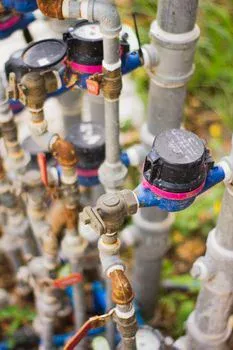
Wastewater treatment plant construction costs in Almaty are typically 15–25% higher than in rural Kazakhstan due to significant differences in land, labor, and permitting expenses. Urban centers like Almaty face premium land acquisition costs, often ranging from KZT 50K–100K/m², compared to significantly lower rates in less developed regions. Skilled labor, particularly engineers and specialized technicians, commands higher wages in metropolitan areas, averaging KZT 1.5M–2.5M/month, which directly impacts project budgets.
EBRD Wastewater Financing Aktobe CAPEX Reduction in Practice
Aktobe, while a major city, benefits from substantial EBRD financing. The EBRD news release of 18 March 2024 confirms a sovereign loan of KZT 47.4 billion (about €96.4 million) for a new plant treating up to 100,000 m³/day for Aktobe's 600,000 residents — the bank's largest municipal project in Central Asia to date (EBRD, 2024). The project summary lists the loan at up to KZT 47.7 billion (€95.3 million) within a KZT 56 billion total, with the Aktobe Oblast Akimat contributing about KZT 8.37 billion (EBRD, 2024). Scope includes a sludge treatment facility with biogas-fuelled heat and power and an estimated 23,000 tCO2e cut in annual emissions. This financing can effectively reduce the CAPEX burden for municipal projects in Aktobe by 30–40%, making it a more financially viable location for large-scale infrastructure development.
In contrast, rural projects, such as those in Kostanay region, often incur higher logistics costs, which can add 20–30% to the overall CAPEX due to transportation of equipment and materials over long distances to remote sites. These areas typically benefit from lower permitting fees, usually ranging from KZT 500K–1M, compared to KZT 2M–5M in densely populated cities like Almaty. Understanding these regional cost adjustment factors is crucial for accurate budgeting and project planning for any wastewater treatment plant cost in Kazakhstan.
| Location | Land Cost (KZT/m²) | Labor Cost (KZT/month, Engineer) | Permitting Fees (KZT) | Logistics Premium (% of CAPEX) |
|---|---|---|---|---|
| Almaty | 50,000–100,000 | 1,500,000–2,500,000 | 2,000,000–5,000,000 | 5–10% |
| Aktobe | 30,000–60,000 | 1,000,000–2,000,000 | 1,500,000–3,000,000 | 10–15% |
| Rural (e.g., Kostanay) | 10,000–30,000 | 700,000–1,500,000 | 500,000–1,000,000 | 20–30% |
How to Select the Right Wastewater Treatment Technology for Your Project
Selecting the optimal wastewater treatment technology in Kazakhstan hinges on matching influent quality, desired effluent standards, and project scalability requirements. Influent quality, particularly the concentration of Total Suspended Solids (TSS) and Biochemical Oxygen Demand (BOD5), is the primary determinant for initial technology selection. For municipal or light industrial wastewater with TSS consistently below 500 mg/L, conventional activated sludge systems are often sufficient and cost-effective. Industrial facilities generating wastewater with high TSS, typically ranging from 500–3,000 mg/L, necessitate DAF pre-treatment to reduce the solids load before biological treatment. HydropureWater offers advanced WSZ Series package plants for Kazakhstan's municipal and industrial projects that can be configured with appropriate pre-treatment modules.
Effluent standards are another critical factor. Compliance with SanPiN 2.1.5.980-00 effluent standards is mandatory across Kazakhstan, requiring TSS <10 mg/L and BOD5 <15 mg/L. For projects aiming for higher quality effluent suitable for industrial reuse (e.g., cooling towers, irrigation), which typically demands TSS <1 mg/L and COD <50 mg/L, Membrane Bioreactor (MBR) systems are the preferred choice. MBR technology provides superior filtration and nutrient removal capabilities. HydropureWater provides reliable MBR systems for reuse-quality effluent in Kazakhstan's industrial and municipal projects.
Scalability also shapes the selection. For remote sites, temporary installations, or phased expansions, package wastewater treatment plants such as the WSZ Series offer modularity and scale from 1–80 m³/h; the sibling Package Wastewater Treatment Plants in Kazakhstan: 2026 Engineering Guide maps the local compliance and supplier checks. Procurement teams at camps and rail sidings often arrive through long-tail searches such as "compact wastewater treatment unit component costs solar pump uv esp32 kazakhstan pricing" before comparing turnkey quotes; the Compact Sewage Treatment Unit Cost Price: 2026 B2B Pricing Guide breaks those component numbers out. For larger municipal or industrial facilities requiring capacities up to 2,000 m³/day or more, custom-built MBR systems offer the necessary robust design and expandability.
| Influent TSS (mg/L) | Effluent TSS (mg/L) | Scalability Needs | Recommended Technology |
|---|---|---|---|
| <500 (Municipal/Light Industrial) | <10 (SanPiN 2.1.5.980-00) | Fixed, medium-large capacity | Conventional Activated Sludge |
| 500–3,000 (Heavy Industrial) | <10 (SanPiN 2.1.5.980-00) | Fixed, medium-large capacity | DAF Pre-treatment + Activated Sludge |
| Any (Municipal/Industrial) | <1 (Reuse Quality) | Fixed, small-large capacity | Membrane Bioreactor (MBR) |
| <500 (Remote/Temporary) | <10 (SanPiN 2.1.5.980-00) | Modular, 1–80 m³/h | Package Plant (e.g., WSZ Series) |
Compliance and Permitting: Kazakhstan's Regulatory Requirements Step by Step
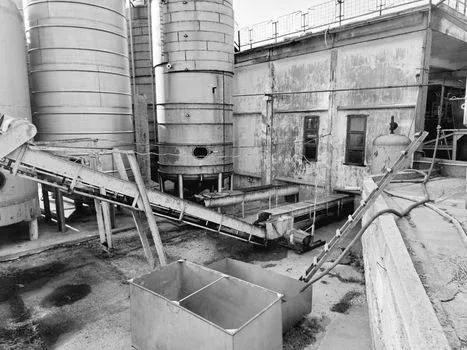
Compliance with Kazakhstan's SanPiN 2.1.5.980-00 effluent limits is a non-negotiable requirement for all wastewater treatment projects, dictating critical design parameters and operational protocols. This key regulation specifies strict discharge standards, including Total Suspended Solids (TSS) <10 mg/L, Biochemical Oxygen Demand (BOD5) <15 mg/L, and Chemical Oxygen Demand (COD) <50 mg/L. Adhering to these SanPiN 2.1.5.980-00 effluent standards from the outset is vital to avoid costly retrofits and legal penalties.
The Kazakhstan WWTP permitting process is multi-phased and requires careful planning. It typically begins with an Environmental Impact Assessment (EIA), which can take 6–12 months to complete, depending on the project's scale and complexity. Following a successful EIA, a construction permit is required, usually taking 3–6 months. Finally, an operational license must be secured before commissioning, a process that can last 1–3 months. Each stage involves detailed documentation, expert reviews, and approvals from various government agencies.
Non-compliance carries significant financial and reputational risk. Fines for municipal violations range from KZT 1 million to KZT 10 million, while industrial violations can incur penalties between KZT 5 million and KZT 50 million, as stipulated by Order No. 335. Common compliance pitfalls include underestimating sludge disposal costs, which can account for 5–10% of OPEX, and failing to account for seasonal flow variations, which can lead to discharge exceedances during peak periods. Sludge economics differ sharply by market — this sludge treatment plant project in hk write-up shows how dense cities justify digestion — while most Kazakh sites budget contracted haulage. Proactive engagement with regulatory bodies keeps the schedule and the budget intact.
Financing and Incentives: Reducing Your WWTP CAPEX in Kazakhstan
Kazakhstan's Urban Infrastructure Modernization Program offers a significant 50% CAPEX subsidy, critically reducing the financial burden for compliant wastewater treatment projects. This government initiative is a key incentive for both municipal and industrial stakeholders to invest in modernizing or constructing new facilities, directly impacting the overall wastewater treatment plant cost in Kazakhstan. Projects that meet stringent environmental and technical criteria are eligible for this support, making advanced treatment technologies more accessible.
Beyond national subsidies, international financial institutions fund much of the large-scale wastewater pipeline. The European Bank for Reconstruction and Development (EBRD) is the most prominent financier, exemplified by its KZT 47.4 billion sovereign loan for the Aktobe WWTP serving a 600,000-person city, approved by the bank's board on 28 November 2023 and announced in March 2024 (EBRD, 2024). EBRD financing often comes with favorable terms, including 20-year repayment periods, significantly easing the long-term commitment for municipal projects.
The Asian Development Bank (ADB) is also active through its "Wastewater Treatment Plants Reconstruction and Construction Program," providing phased funding for 53 cities across Kazakhstan. This program prioritizes projects that incorporate water reuse potential, aligning with national sustainability goals. For smaller-scale industrial or remote municipal applications, private financing options are available, including leasing for package plants like the WSZ Series, typically with 5–7 year terms. These financing mechanisms are instrumental in managing Kazakhstan WWTP CAPEX in 2025 and shortening the wastewater treatment plant payback period.
Who This Is For and Next Step
Municipal akimats and industrial owners budgeting KZT 10B–15B municipal builds or $1.2M–$15M package plants are the audience, especially where the 50% CAPEX subsidy or EBRD and ADB financing applies. Mines and food processors with TSS above 500 mg/L should budget the DAF stage from day one. To convert these bands into a quotation, send your daily flow, influent TSS/BOD5, target effluent limits, and site region, then request a CAPEX and OPEX estimate sized for Kazakhstan.
Frequently Asked Questions
What is the payback period for a wastewater treatment plant in Kazakhstan?
The payback period for a wastewater treatment plant in Kazakhstan typically ranges from 5–7 years for municipal package plants and 7–10 years for larger, more complex MBR systems. This timeframe is significantly influenced by government subsidies, such as the 50% CAPEX reduction from the Urban Infrastructure Modernization Program, and by revenue from treated effluent reuse or avoided industrial discharge fees.
How much does it cost to upgrade an existing WWTP to meet SanPiN 2.1.5.980-00?
Upgrading an existing wastewater treatment plant to meet SanPiN 2.1.5.980-00 effluent standards typically costs 30–50% of a new-build CAPEX. The work usually involves retrofitting tertiary filtration, such as sand filters or membrane units, or integrating MBR technology for enhanced nutrient and pathogen removal. The exact cost depends on the existing plant's condition, available space, and the specific contaminants requiring further treatment.
What are the hidden costs of WWTP construction in Kazakhstan?
Several hidden costs can significantly impact the overall wastewater treatment plant cost in Kazakhstan. Land acquisition can account for 10–20% of CAPEX, particularly in urban areas. Permitting fees, covering environmental impact assessments and licenses, typically range from 2–5% of CAPEX. Ongoing sludge disposal costs, often overlooked in initial budgeting, can represent 5–10% of annual OPEX. Unexpected geological conditions or utility relocation add further exposure.
Can industrial WWTPs in Kazakhstan reuse treated effluent?
Yes, industrial wastewater treatment plants in Kazakhstan can effectively reuse treated effluent, especially with MBR systems. MBR consistently achieves effluent with TSS <1 mg/L and BOD5 <5 mg/L, making the water suitable for cooling towers, boiler feed with further polishing, or agricultural irrigation. This practice aligns with SanPiN 2.1.5.980-00 guidelines and reduces reliance on fresh water sources.
How does EBRD financing change project economics in Aktobe?
EBRD financing reduces the effective CAPEX burden for qualifying Aktobe projects by 30–40%, based on municipal experience to date. The Aktobe loan of KZT 47.4 billion carries a 20-year repayment horizon with sovereign backing, terms commercial lenders rarely match. Combined with the 50% national subsidy where applicable, financed projects routinely compress payback toward the 5–7 year end of the national range.