Sewage Treatment Equipment Suppliers in Hamburg: 2025 Engineering Specs, Costs & Zero-Risk Selection Guide
Hamburg’s industrial wastewater treatment market demands equipment that meets EU 91/271/EEC discharge limits (COD ≤125 mg/L, TSS ≤35 mg/L) while minimizing heavy polluter fees (€2.50–€5.00/m³ for untreated discharge, per Hamburg Wasser 2024). Top suppliers like leading German engineering firms and innovative technology providers offer turnkey systems with 92–97% COD removal, but selection hinges on influent load (e.g., DAF for FOG-heavy food processing, MBR for space-constrained pharmaceuticals). This guide provides 2025 engineering specs, cost benchmarks, and a zero-risk supplier shortlisting framework tailored to Hamburg’s regulatory landscape.Why Hamburg’s Industrial Wastewater Treatment Market Demands Zero-Risk Equipment Selection
Industrial facilities in Hamburg face significant financial penalties for non-compliant wastewater discharge, with Hamburg Wasser’s 2024 tariff schedule imposing heavy polluter fees of €2.50–€5.00/m³ for untreated industrial discharge. These escalating costs underscore the critical need for robust and reliable sewage treatment equipment that consistently meets stringent regulatory standards. EU Directive 91/271/EEC mandates specific compliance deadlines for industrial sectors, requiring discharge limits of COD ≤125 mg/L, TSS ≤35 mg/L, and phosphorus ≤1 mg/L for plants exceeding 10,000 PE. Non-compliance not only incurs fees but also carries reputational risks and potential operational shutdowns. For example, field data from a leading German provider highlights a case where a Hamburg chemical plant achieved a 45% reduction in wastewater discharge through specialized effluent treatment, resulting in savings estimated at €1.2M/year in avoided heavy polluter fees. Beyond regulatory pressures, Hamburg presents unique operational challenges for industrial sites, including high land costs ranging from €300–€500/m², strict noise ordinances, and inherent space constraints for urban factories. These factors necessitate equipment solutions that are not only effective but also compact, energy-efficient, and capable of silent operation, making zero-risk equipment selection paramount for long-term economic and environmental sustainability.Engineering Specs: DAF vs. MBR vs. Integrated Systems for Hamburg’s Industrial Wastewater
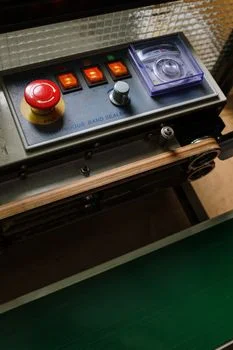
| Feature | DAF Systems | MBR Systems (DF Series) | Integrated Underground Systems (WSZ Series) |
|---|---|---|---|
| Primary Application | TSS, FOG, particulate removal (e.g., food processing) | High-quality effluent, space-constrained sites (e.g., pharma, general industrial) | Small-scale, discreet, low-maintenance (e.g., hotels, hospitals) |
| TSS Removal Rate | 92–97% | >99% (effluent <5 mg/L) | 85–95% |
| COD Removal Rate | 30–70% (primary) | >95% (effluent <50 mg/L) | 80–90% |
| Capacity Range | 4–300 m³/h | 10–2,000 m³/day | 1–80 m³/h |
| Energy Consumption | 0.5–1.2 kWh/m³ | 0.8–1.5 kWh/m³ | 0.6–1.0 kWh/m³ |
| Footprint Reduction (vs. Conventional) | Moderate (compact clarification) | ~60% smaller | 100% underground (no above-ground footprint) |
| Phosphorus Removal | Requires tertiary treatment | Achieves <1 mg/L without tertiary | Requires additional chemical dosing |
Cost Breakdown: CAPEX, OPEX, and ROI for Hamburg’s Sewage Treatment Projects
Accurate cost projection is fundamental for industrial wastewater treatment projects in Hamburg, with turnkey plant CAPEX benchmarks for 50–500 m³/h capacity ranging from €800,000–€2.5M in 2025, according to project data from a leading German engineering firm. This initial capital expenditure is influenced by several key cost drivers, including the influent load (e.g., FOG-heavy food processing applications may require 20% higher CAPEX for DAF systems due to enhanced pre-treatment needs), site-specific footprint constraints necessitating compact designs, and the desired level of automation which reduces labor but increases upfront technology costs. Operational expenditure (OPEX) is a critical component of the total cost of ownership, with energy consumption typically accounting for 40–50% of the total OPEX. Membrane replacement, particularly for MBR systems, represents 20–30% of OPEX over the system's lifespan, with PVDF membranes typically requiring replacement every 5–7 years. Chemical dosing for coagulation, flocculation, or disinfection makes up 10–15% of OPEX, while labor for monitoring and maintenance accounts for 5–10%, especially for less automated systems. The Return on Investment (ROI) for industrial sewage treatment plants in Hamburg is primarily driven by avoided heavy polluter fees (€2.50–€5.00/m³ for untreated discharge) and potential reductions in water consumption through effluent reuse. Case studies, such as the €1.2M/year savings reported by a German chemical plant through wastewater reduction, demonstrate that ROIs of 3–5 years are achievable. Hamburg-specific incentives, including EU cohesion funds, can provide significant financial support, covering up to 50% of CAPEX for phosphorus recovery projects, which are increasingly mandated for larger plants. The table below provides a generalized cost comparison for common industrial wastewater treatment technologies in Hamburg:| Cost Metric | DAF System (Primary Treatment) | MBR System (Secondary/Tertiary) | Integrated System (Small-Scale) |
|---|---|---|---|
| Typical CAPEX (50-100 m³/h) | €300,000–€800,000 | €1,000,000–€2,000,000 | €150,000–€500,000 |
| Energy OPEX (% of total) | 40–50% | 45–55% | 35–45% |
| Membrane Replacement OPEX (MBR only) | N/A | 20–30% (every 5-7 years) | N/A |
| Chemical Dosing OPEX (% of total) | 15–20% | 10–15% | 10–15% |
| Labor OPEX (% of total) | 10–15% | 5–10% (more automated) | 5–10% (fully automated) |
| Typical ROI Period | 2–4 years (from fee avoidance) | 3–5 years (from fee avoidance & reuse) | 2–4 years (from fee avoidance) |
Supplier Shortlisting Framework: 5 Zero-Risk Criteria for Hamburg Buyers
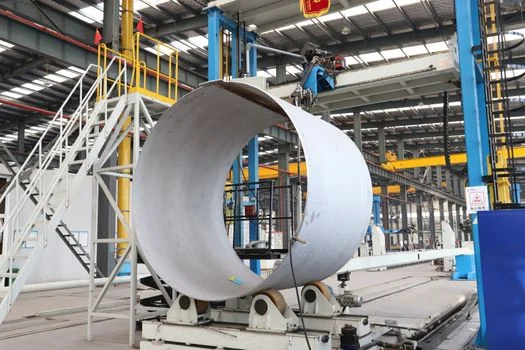
Step-by-Step Equipment Selection Checklist for Hamburg Projects
A systematic approach to equipment selection significantly reduces procurement risk and ensures optimal performance for industrial wastewater treatment projects in Hamburg.- Step 1: Characterize Influent Thoroughly. Conduct comprehensive lab testing of your industrial wastewater to determine critical parameters such as Chemical Oxygen Demand (COD), Total Suspended Solids (TSS), Fats, Oils, and Grease (FOG), pH, and heavy metals. Utilize Hamburg Wasser-approved laboratories to ensure data accuracy and regulatory acceptance (e.g., [list 2–3 specific local labs here, if available, otherwise generalize as "local certified laboratories"]).
- Step 2: Match Technology to Influent Profile. Based on your influent characterization, select the most appropriate core technology. For instance, DAF systems are highly effective for wastewater with FOG concentrations exceeding 500 mg/L, while MBR systems (DF series) are ideal for high COD loads (>1,000 mg/L) requiring superior effluent quality and a compact footprint.
- Step 3: Verify Compliance with Local Regulations. Ensure the proposed system design can consistently meet all applicable EU 91/271/EEC discharge limits (e.g., COD ≤125 mg/L, TSS ≤35 mg/L, phosphorus ≤1 mg/L for plants >10,000 PE) and specific Hamburg Wasser standards. Confirm that phosphorus recovery efficiency meets or exceeds the required 80% for relevant installations.
- Step 4: Request Hamburg-Specific Case Studies. Ask potential suppliers for references and detailed case studies from similar industrial installations within Hamburg or the surrounding region, particularly for sectors like food processing or chemical plants. Local examples provide tangible proof of performance and regulatory familiarity.
- Step 5: Compare CAPEX/OPEX with ROI Calculator. Obtain detailed capital expenditure (CAPEX) and operational expenditure (OPEX) proposals from shortlisted suppliers. Utilize an ROI calculator (a template can be provided in an appendix) to project the payback period based on avoided heavy polluter fees and potential water reuse savings.
- Step 6: Shortlist 3 Suppliers and Request Site Visits. Select a maximum of three suppliers that best meet your technical, financial, and compliance criteria. Request site visits to their existing installations, prioritizing Hamburg-based references, to observe equipment in operation and speak with facility operators.
Frequently Asked Questions
What are the discharge limits for industrial wastewater in Hamburg?
The discharge limits for industrial wastewater in Hamburg are primarily governed by EU 91/271/EEC and Hamburg Wasser 2024 standards. Key parameters include COD ≤125 mg/L, TSS ≤35 mg/L, and phosphorus ≤1 mg/L for plants with a population equivalent greater than 10,000 PE.
How much does a turnkey sewage treatment plant cost in Hamburg?
A turnkey sewage treatment plant in Hamburg for capacities ranging from 50–500 m³/h typically costs between €800,000 and €2.5M. The Return on Investment (ROI) from avoided heavy polluter fees, which range from €2.50–€5.00/m³ for untreated discharge, is generally achieved within 3–5 years, according to 2024 data from a leading German engineering firm.
Which technology is best for food processing wastewater in Hamburg?
For food processing wastewater in Hamburg, DAF systems are highly effective for primary treatment, offering up to 95% TSS and FOG reduction. For space-constrained sites or where higher effluent quality (e.g., COD ≤50 mg/L) is required, MBR systems (DF series) are a superior choice, often integrating secondary and tertiary treatment.
Are there subsidies for wastewater treatment projects in Hamburg?
Yes, industrial wastewater treatment projects in Hamburg can benefit from subsidies. EU cohesion funds, administered through Hamburg Umweltbehörde 2024, are available and can cover up to 50% of the CAPEX for eligible phosphorus recovery projects, encouraging sustainable resource management.
How do I verify a supplier’s compliance with Hamburg regulations?
To verify a supplier’s compliance with Hamburg regulations, request Hamburg Wasser approval certificates for their equipment and any chemical products used (e.g., specific flocculants used by a leading German supplier are known to be approved). Additionally, ask for case studies and references from local installations within Hamburg to confirm their track record of meeting regional discharge standards.