In 2025, a new wastewater treatment plant in Philadelphia costs $1.2M–$45M, depending on capacity and technology. For example, a 1 MGD MBR system starts at $2.8M (including permitting), while a 5 MGD conventional plant averages $22M. Local factors—like Philadelphia’s combined sewer overflow (CSO) requirements and Pennsylvania DEP’s nutrient limits—add 15–25% to costs. Use this guide to compare technologies, model ROI, and align with Philadelphia Water Department (PWD) compliance standards.
Why Philadelphia’s Wastewater Costs Are Unique: Regulatory and Infrastructure Challenges
Philadelphia’s unique regulatory landscape and aging infrastructure significantly inflate wastewater treatment plant costs compared to national averages. The city's combined sewer system (CSS) serves approximately 60% of Philadelphia, mandating extensive combined sewer overflow (CSO) mitigation efforts that can add $5M–$10M to new plant costs, as outlined in the PWD's 2024 CSO Long-Term Control Plan. Pennsylvania DEP’s stringent 2025 nutrient limits, requiring total nitrogen (TN) below 3 mg/L and total phosphorus (TP) below 0.1 mg/L, necessitate advanced tertiary treatment, increasing capital expenditures by 20–30% beyond facilities only meeting secondary treatment standards. These requirements directly impact the complexity and expense of wastewater treatment plant design and operation in Philadelphia.
Local labor rates also contribute to elevated soft costs; union pipefitters in Philadelphia command $85–$120/hr, substantially higher than national averages of $60–$90/hr. The permitting timeline for a new wastewater treatment plant in Philadelphia, involving both Pennsylvania DEP and Philadelphia Water Department (PWD) approvals, typically spans 12–18 months, extending project schedules and associated administrative overhead. In contrast, many other U.S. regions experience permitting processes closer to 6–12 months. Philadelphia’s "Green City, Clean Waters" initiative, however, offers financial incentives, including rebates up to 30% of capital costs, for decentralized treatment solutions like package plants, particularly beneficial for industrial sites seeking to manage their own discharge and reduce industrial wastewater surcharges Philadelphia.
| Philadelphia-Specific Cost Driver | Impact on Project Costs | Typical Cost Range / Increase |
|---|---|---|
| Combined Sewer Overflow (CSO) Requirements | Mandates for mitigation (e.g., green infrastructure, storage tunnels) | $5M–$10M additional per plant |
| Pennsylvania DEP 2025 Nutrient Limits (TN < 3 mg/L, TP < 0.1 mg/L) | Requires tertiary treatment, advanced nutrient removal | 20–30% increase in capital costs |
| Local Union Labor Rates | Higher wages for skilled trades (e.g., pipefitters, electricians) | $85–$120/hr (vs. $60–$90/hr national) |
| PWD Permitting Timelines | Extended review and approval process | 12–18 months (vs. 6–12 months national) |
| Green City, Clean Waters Incentives | Rebates for decentralized treatment and green infrastructure | Up to 30% of capital costs offset |
Wastewater Treatment Plant Cost Breakdown: Where Your Budget Goes
A typical 3 MGD wastewater treatment plant project in Philadelphia in 2025 allocates its budget across several key components, with civil and structural work representing the largest share. Civil and structural costs typically amount to $6.5M (35% of the total), encompassing extensive excavation, concrete foundations, and specialized mitigation techniques like dewatering and sheet piling required due to Philadelphia’s high water table. Mechanical components, including pumps, blowers, and specialized equipment like PLC-controlled chemical dosing for Philadelphia’s nutrient removal, account for $5.2M (28%), with a notable preference for 316L stainless steel due to the corrosive nature of industrial influent often found in Philadelphia. Electrical and controls, covering PLCs, VFDs, and compliance with PWD’s 2024 smart metering mandates, represent $3.8M (20%).
Soft costs, such as permitting and engineering, total $2.7M (15%), covering Pennsylvania DEP NPDES permits, PWD CSO compliance, and third-party reviews, which can add 6–9 months to the overall wastewater plant permitting timeline in Philadelphia. A contingency budget of $1.8M (10%) is crucial to absorb unforeseen challenges, such as Philadelphia’s unpredictable soil conditions (e.g., varied fill material, bedrock) and construction material inflation, which reached 6.2% in 2024. For industrial users, Philadelphia’s ‘Pay-As-You-Go’ financing program, managed by the PWD, can offset 20–50% of capital costs by allowing repayment through future wastewater charges, easing initial financial burdens. Choosing modular, pre-fabricated plants can reduce civil costs by up to 40% but may offer less customization for meeting specific Pennsylvania DEP nutrient limits compared to site-built facilities.
| Cost Component | Estimated Cost (3 MGD Plant, Philadelphia 2025) | Percentage of Total |
|---|---|---|
| Civil/Structural (Excavation, Concrete, High Water Table Mitigation) | $6.5M | 35% |
| Mechanical (Pumps, Blowers, 316L Stainless Steel Equipment) | $5.2M | 28% |
| Electrical/Controls (PLCs, VFDs, Smart Metering) | $3.8M | 20% |
| Permitting/Engineering (PA DEP NPDES, PWD CSO, Reviews) | $2.7M | 15% |
| Contingency (Soil Conditions, Inflation) | $1.8M | 10% |
| Total Estimated Capital Cost | $20.0M | 100% |
Technology Showdown: MBR vs. DAF vs. Conventional for Philadelphia’s Wastewater
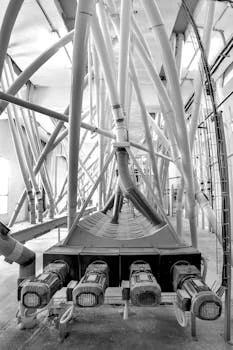
Selecting the optimal wastewater treatment technology for a Philadelphia facility requires evaluating performance, cost, and compliance with local water quality standards. Each technology offers distinct advantages depending on influent characteristics and desired effluent quality. For detailed insights into MBR performance, refer to MBR effluent quality standards for Philadelphia’s reuse applications.
MBR (Membrane Bioreactor) for Philadelphia
MBR systems consistently achieve superior effluent quality, with TSS typically below 1 mg/L and BOD below 5 mg/L, often meeting or exceeding PWD reuse standards for applications like irrigation or cooling towers. These systems offer a significant advantage in urban environments such as the Navy Yard, requiring up to 60% less footprint than conventional treatment plants. Capital costs for MBR systems for Philadelphia’s nutrient limits range from $3.5M–$8M for 1–3 MGD capacity (2025 data). Operational and maintenance (O&M) costs are generally $0.85–$1.20/m³, largely driven by periodic membrane replacement every 5–7 years. MBR technology is best suited for hospitals (see Philadelphia’s hospital wastewater treatment standards), food processing plants, and water reuse projects, for which the PWD offers attractive 25% rebates.
DAF (Dissolved Air Flotation) for Philadelphia
DAF systems excel at pre-treatment, achieving 92–97% TSS removal and up to 95% FOG (fats, oils, and grease) removal, making them ideal for managing Philadelphia’s high-FOG industrial influent. Capital costs for DAF pre-treatment for Philadelphia’s high-FOG industrial wastewater range from $1.2M–$4M for 1–5 MGD systems, though it's important to note DAF is typically a pre-treatment step and requires downstream biological treatment. O&M costs are lower, at $0.30–$0.60/m³, with chemical costs being the primary operational expense. DAF is particularly effective for industries like meatpacking, breweries, and metal finishing, which represent some of Philadelphia’s top industrial dischargers and often face significant industrial wastewater surcharges Philadelphia for high-strength waste. For comparison, consider how another U.S. city handles industrial wastewater compliance.
Conventional (Activated Sludge + Clarifier) for Philadelphia
Conventional activated sludge systems with clarifiers typically produce effluent with TSS between 10–30 mg/L and BOD between 10–20 mg/L. To meet current PWD compliance for discharge or reuse, these systems often require additional tertiary filters. Capital costs for large-scale conventional plants, typically 3–10 MGD, range from $15M–$45M, and they are almost exclusively site-built due to their large footprint, making modular options unviable. O&M costs are generally $0.40–$0.70/m³, characterized by lower energy consumption but higher sludge disposal costs. Conventional systems are primarily suitable for large municipal plants, such as the Southwest Water Pollution Control Plant, where expansive land availability and economies of scale can justify the investment.
| Technology | Capacity Range (MGD) | Typical Effluent Quality (TSS/BOD) | Capital Cost (2025, Philadelphia) | O&M Cost ($/m³) | Philadelphia Use Cases |
|---|---|---|---|---|---|
| MBR (Membrane Bioreactor) | 1–3 | <1 mg/L / <5 mg/L | $3.5M–$8M | $0.85–$1.20 | Hospitals, Food Processing, Water Reuse (e.g., Navy Yard) |
| DAF (Dissolved Air Flotation) | 1–5 (pre-treatment) | 92–97% TSS removal, 95% FOG removal | $1.2M–$4M | $0.30–$0.60 | Meatpacking, Breweries, Metal Finishing (high-FOG industrial influent) |
| Conventional (Activated Sludge + Clarifier) | 3–10 | 10–30 mg/L / 10–20 mg/L | $15M–$45M | $0.40–$0.70 | Large Municipal Plants (e.g., Southwest Water Pollution Control Plant) |
Philadelphia-Specific Cost Drivers: Permits, Labor, and Utility Fees
Beyond capital and operational expenditures, several Philadelphia-specific factors significantly influence the overall cost of a wastewater treatment plant, often overlooked in generic cost analyses. Permitting costs in Philadelphia are substantial; a Pennsylvania DEP NPDES permit can range from $50K–$200K, varying based on flow rate and industrial category. All non-residential dischargers are mandated to secure a PWD Industrial Waste Permit, costing $10K–$50K. Facilities located in combined sewer areas face an additional CSO compliance review fee of $150K–$300K, ensuring alignment with Philadelphia’s combined sewer overflow (CSO) requirements. These fees contribute significantly to the total wastewater plant permitting timeline in Philadelphia.
Labor costs are notably higher in Philadelphia due to its predominantly unionized workforce, adding 25–40% to mechanical and electrical bids compared to non-union regions. For instance, union electricians in Philadelphia typically charge $120/hr, whereas the rate in a city like Pittsburgh might be $85/hr. Utility fees from the PWD further impact annual operating costs. Industrial users are subject to a sewer surcharge of $0.008/gallon, and a stormwater fee of $15.47/1,000 sq ft, which combined can add $50K–$200K annually to O&M expenses. Philadelphia’s ‘Industrial Waste Program’ actively penalizes high-strength discharges, imposing significant industrial wastewater surcharges Philadelphia, such as $250/ton for total suspended solids (TSS) overages, creating a strong financial incentive for effective on-site treatment.
ROI Calculator: Model Your Philadelphia Wastewater Plant Investment
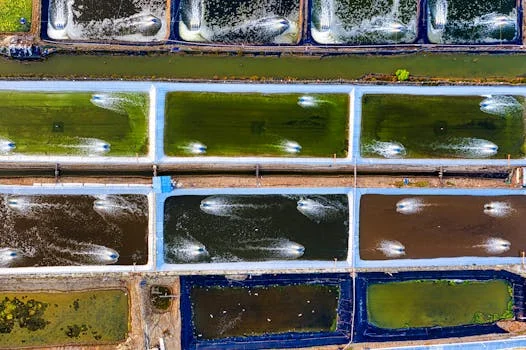
Calculating the Return on Investment (ROI) for a wastewater treatment plant in Philadelphia involves quantifying capital outlays, ongoing operational costs, and significant savings derived from surcharge avoidance and incentives. This framework allows municipal engineers and industrial facility managers to justify budgets and compare the long-term financial viability of various technologies.
- Step 1: Estimate Capital Costs. Utilize the detailed cost breakdown provided earlier, adjusting for your specific plant capacity and chosen technology (e.g., MBR, DAF, Conventional).
- Step 2: Calculate Annual O&M Costs. Factor in the O&M ranges from the technology comparison section, incorporating Philadelphia’s higher labor rates and PWD utility fees.
- Step 3: Quantify Savings.
- PWD Sewer Surcharge Avoidance: For industrial users, treating wastewater on-site avoids the PWD's $0.008/gallon surcharge. A 1 MGD plant, for example, can save approximately $292,000 per year.
- CSO Penalty Avoidance: For facilities in combined sewer areas, mitigating discharge during wet weather can prevent $100K–$500K/year in potential penalties.
- Water Reuse Savings: If treated effluent is reused for non-potable purposes (e.g., irrigation, cooling), savings can range from $5–$10/1,000 gallons based on PWD 2024 rates.
- Step 4: Apply Incentives.
- PWD Green Infrastructure Rebate: Decentralized systems or those incorporating green infrastructure elements may qualify for up to 30% of capital costs in rebates.
- Pennsylvania DEP Clean Water Fund: Low-interest loans, typically 1–2% below market rate, are available for eligible wastewater infrastructure projects.
- Step 5: Calculate Payback Period. Divide the net capital cost (after incentives) by annual net savings (surcharge avoidance + reuse savings - O&M costs). For example, a 1 MGD MBR plant with a $2.8M capital cost, benefiting from PWD rebates and surcharge avoidance, could achieve a payback period of approximately 4.2 years. This provides a clear wastewater treatment plant ROI calculator for decision-makers.
Interactive ROI Calculator (Conceptual Table for Editable Fields)
(Note: This table represents the structure for an interactive calculator on the live page. Values would be user-editable.)
| Input Field | Example Value | Description |
|---|---|---|
| Plant Capacity (MGD) | 1.0 | Desired average daily flow rate. |
| Technology Choice | MBR | Select MBR, DAF (pre-treatment), or Conventional. |
| Influent TSS (mg/L) | 500 | Average Total Suspended Solids in raw wastewater. |
| Influent BOD (mg/L) | 300 | Average Biochemical Oxygen Demand. |
| Current PWD Surcharge ($/gallon) | 0.008 | Current industrial sewer surcharge rate. |
| Water Reuse Potential (MGD) | 0.2 | Portion of treated water to be reused. |
| PWD Green Infrastructure Rebate (%) | 25% | Applicable rebate percentage for capital costs. |
| --- Calculated Output --- | ||
| Estimated Capital Cost | $2,800,000 | Based on capacity and technology. |
| Net Capital Cost (after rebates) | $2,100,000 | Capital cost minus applicable PWD rebates. |
| Annual O&M Cost | $350,000 | Includes energy, chemicals, labor, sludge, and PWD fees. |
| Annual Surcharge Avoidance Savings | $292,000 | Savings from not paying PWD sewer surcharge. |
| Annual Water Reuse Savings | $182,500 | Monetary value of reused water (at $5/1,000 gallons). |
| Total Annual Savings | $474,500 | Sum of surcharge avoidance and water reuse savings. |
| Annual Net Benefit | $124,500 | Total Annual Savings minus Annual O&M Cost. |
| Estimated Payback Period (Years) | 16.87 | Net Capital Cost / Annual Net Benefit. (Example: $2.1M / $124.5K) |
Frequently Asked Questions
What is the typical wastewater plant permitting timeline in Philadelphia?
The typical permitting timeline for a new wastewater treatment plant in Philadelphia, involving both Pennsylvania DEP and Philadelphia Water Department (PWD) approvals, ranges from 12 to 18 months, which is longer than the 6-12 months seen in many other U.S. regions.
How do Philadelphia’s combined sewer overflow (CSO) requirements impact treatment plant costs?
Philadelphia’s combined sewer overflow (CSO) requirements, particularly in areas served by the combined sewer system, necessitate additional mitigation measures (e.g., green infrastructure, storage) that can add $5M–$10M to the capital costs of a new wastewater treatment plant.
What are the main industrial wastewater surcharges Philadelphia businesses face?
Philadelphia businesses face PWD sewer surcharges of $0.008/gallon for industrial discharges and significant penalties under the Industrial Waste Program, such as $250/ton for overages in Total Suspended Solids (TSS) or other high-strength waste parameters.
Are there green infrastructure rebates Philadelphia offers for wastewater treatment projects?
Yes, Philadelphia’s "Green City, Clean Waters" initiative provides financial incentives, including rebates up to 30% of capital costs, for decentralized treatment solutions and green infrastructure components integrated into wastewater management projects.
How does Pennsylvania DEP wastewater permit cost vary for industrial facilities?
The Pennsylvania DEP NPDES permit cost for industrial facilities in Philadelphia typically ranges from $50,000 to $200,000, with the exact fee depending on the facility's flow rate, the complexity of its discharge, and its specific industrial category.