Kaduna’s sewage treatment equipment market in 2025 is dominated by suppliers like WATTCCON and Agua Global Services, but selecting the right vendor requires matching technical specs to local compliance standards. For example, industrial projects in Kaduna must achieve effluent TSS < 30 mg/L and BOD < 50 mg/L under Nigeria’s National Environmental (Standards for Discharge of Effluents) Regulations 2011. This guide compares 5 top suppliers, including equipment performance benchmarks (e.g., MBR systems with 99% pathogen removal), cost ranges ($50K–$2M for package plants), and a decision framework to align your project’s flow rate, budget, and compliance needs.
Why Kaduna’s Sewage Treatment Market Demands Local Expertise in 2025
Kaduna’s industrial zones, including Kakuri and Kudenda, face increasingly stringent effluent monitoring under the Kaduna State Environmental Protection Agency (KEPA) 2024 guidelines, with penalties for non-compliance reaching up to ₦5M, as reported in the KEPA 2023 Annual Report. Improper sewage treatment equipment selection is a primary driver of these violations, leading to significant financial penalties and operational disruptions for businesses.
Common violations in Kaduna’s industrial sectors include excessively high Total Suspended Solids (TSS) from textile factories, elevated Fats, Oils, and Grease (FOG) levels from food processing plants, and the presence of heavy metals from metalworking industries. Relying on inadequate or improperly sized equipment exacerbates these issues, making sustained compliance virtually impossible. For instance, a Kaduna beverage plant successfully reduced its Biological Oxygen Demand (BOD) from 300 mg/L to a compliant 20 mg/L by upgrading from a basic sedimentation tank to a high-efficiency Dissolved Air Flotation (DAF) system, according to a WATTCCON 2023 client report. This demonstrates how targeted equipment can dramatically improve effluent quality.
Understanding the local regulatory landscape is paramount. The key regulatory bodies governing wastewater discharge in Kaduna are the Federal Ministry of Environment (FME), the Kaduna State Water Board, and KEPA. These agencies enforce specific discharge standards, with the FME’s National Environmental (Standards for Discharge of Effluents) Regulations 2011 serving as the federal benchmark. KEPA often imposes additional, sometimes stricter, requirements tailored to local environmental sensitivities, such as the Kaduna River basin. Staying abreast of these evolving 2025 discharge standards is critical for any industrial or municipal project in the state.
Kaduna’s Top 5 Sewage Treatment Equipment Suppliers: Technical Specs & Compliance Alignment
Selecting a sewage treatment equipment supplier in Kaduna requires a data-driven comparison of technical specifications, alignment with local compliance standards, and suitability for specific use cases, whether industrial or municipal.
Supplier 1: WATTCCON (Kaduna-based)
WATTCCON, with its local presence in Kaduna, offers robust DAF systems designed for high-efficiency solids and grease removal. Their DAF units achieve 92–97% TSS removal rates and handle flow rates ranging from 4 m³/h to 300 m³/h, making them ideal for food and beverage industries. These systems consistently meet the FME 2011 effluent standards, particularly for industries with high organic loads. WATTCCON distinguishes itself with 24/7 Kaduna-based service and IoT-enabled remote monitoring for proactive maintenance.
Supplier 2: Agua Global Services (Kaduna HQ)
Agua Global Services, also headquartered in Kaduna, specializes in advanced MBR systems (DF series). These systems are highly effective, offering 99% pathogen removal, making them particularly suitable for sensitive applications such as hospitals and residential estates where effluent quality is critical. Their MBR technology aligns with KEPA’s 2024 reuse guidelines for non-potable water, enabling sustainable water management solutions. Agua Global also offers 12-month payment plans, easing initial investment burdens.
Supplier 3: Biovend East Africa (Kenya-based)
Biovend East Africa, while based in Kenya, serves the Nigerian market with a focus on compact package plants (WSZ series). These underground package sewage treatment plant for Kaduna’s residential and industrial zones are designed for remote sites or projects with limited space, offering capacities from 1 m³/h to 80 m³/h. Due to their foreign origin, projects utilizing Biovend equipment often require additional documentation and certification for full FME approval in Nigeria. After-sales support typically involves remote troubleshooting, which might be a consideration for urgent on-site issues.
Supplier 4: Bioliff (Kenya-based)
Bioliff, another Kenya-based supplier, specializes in critical ancillary systems, particularly chemical dosing systems for pH adjustment and coagulation. While not offering full treatment plants, their solutions are crucial for optimizing the performance of primary and secondary treatment units. Bioliff partners with local laboratories in Nigeria for third-party effluent testing, which is essential for demonstrating compliance during KEPA audits.
Supplier 5: Local Fabricators (e.g., Kaduna Metal Works)
Local fabricators, such as Kaduna Metal Works, offer custom-built sedimentation tanks and other basic treatment components. Their primary advantage is lower upfront cost and potentially faster delivery for simple components. However, these solutions often lack performance guarantees, automated monitoring, and sophisticated control systems, significantly increasing the risk of non-compliance with FME and KEPA effluent standards due to inconsistent treatment quality.
The table below provides a concise comparison of these suppliers, highlighting their strengths and suitability for various projects in Kaduna:
| Supplier | Key Equipment Type | Technical Specs (Example) | Compliance Alignment (Kaduna) | Use Case Suitability | After-Sales Support |
|---|---|---|---|---|---|
| WATTCCON | DAF Systems | 92–97% TSS removal, 4–300 m³/h flow | Meets FME 2011 for food/beverage | Food processing, textile, industrial | 24/7 Kaduna-based service |
| Agua Global Services | MBR Systems (DF series) | 99% pathogen removal, low footprint | Aligns with KEPA 2024 reuse guidelines | Hospitals, residential estates, reuse projects | Kaduna HQ, 12-month payment plans |
| Biovend East Africa | Package Plants (WSZ series) | 1–80 m³/h capacity, modular design | Requires additional FME documentation | Remote sites, small-medium projects | Remote troubleshooting |
| Bioliff | Chemical Dosing Systems | pH adjustment, coagulation optimization | Partners for third-party KEPA audits | Enhancement of existing systems | Technical support, local lab coordination |
| Local Fabricators | Custom Sedimentation Tanks | Basic solids separation, variable quality | High risk of non-compliance | Budget-sensitive, non-critical applications | Limited, no performance guarantees |
Equipment Selection Guide: Matching Your Project’s Flow Rate, Budget, and Compliance Needs
Selecting the appropriate sewage treatment equipment in Kaduna involves a precise match between your project's specific flow rate, allocated budget, and the stringent local compliance requirements. Different technologies are optimized for varying scales and effluent quality targets.
For small projects requiring 1–10 m³/h flow rates, compact package plants, such as the WSZ series, offer a cost-effective and space-efficient solution. Medium-sized projects, typically handling 10–100 m³/h, can benefit from either high-efficiency DAF system for Kaduna’s food processing and textile industries or MBR integrated wastewater treatment systems, depending on the required effluent quality. For large-scale operations exceeding 100 m³/h, custom-built systems are often necessary to integrate multiple treatment stages and optimize for specific industrial waste characteristics.
Cost is a significant factor, encompassing both Capital Expenditure (CAPEX) and Operational Expenditure (OPEX). Package plants generally range from $50K–$200K (₦20M–₦80M). DAF systems fall within $100K–$500K (₦40M–₦200M), while MBR systems represent a higher initial investment at $200K–$2M (₦80M–₦800M). It's crucial to consider OPEX as well; for example, MBR membranes require replacement every 5–7 years, incurring a cost of $10K–$50K (₦4M–₦20M) per cycle, which significantly impacts long-term costs.
Compliance shortcuts can guide technology selection based on industry and specific pollutants. Hospitals, for instance, require rigorous pathogen removal (99%+) and often benefit from MBR systems combined with ozone disinfection to meet FME’s medical wastewater guidelines. Food processing facilities typically prioritize the removal of FOG and organic matter, making DAF systems with chemical dosing highly effective. Textile industries, dealing with high TSS and color, often opt for lamella clarifiers followed by activated carbon filters for advanced purification.
Understanding the trade-offs between systems is vital. MBR systems, while having a higher CAPEX, offer a smaller physical footprint and produce superior effluent quality suitable for reuse, compared to DAF systems. Kaduna-specific considerations also play a role: power reliability can be addressed with solar-powered options from suppliers like Biovend. Water scarcity in certain areas makes MBR systems particularly attractive for achieving high-quality effluent suitable for non-potable reuse. WATTCCON’s IoT-enabled systems offer remote monitoring capabilities, addressing challenges in managing treatment plants across various industrial sites in Kaduna.
| Equipment Type | Typical Flow Rate (m³/h) | CAPEX Range ($USD) | Key OPEX Consideration | Primary Use Case | Kaduna Compliance Focus |
|---|---|---|---|---|---|
| Package Plant (WSZ series) | 1–10 | $50K–$200K | Energy, Sludge Disposal | Small commercial, residential, remote sites | Basic FME 2011 (TSS, BOD) |
| DAF System | 10–100 | $100K–$500K | Chemicals, Energy, Sludge | Food processing, textile, industrial pre-treatment | High TSS/FOG removal, FME 2011 |
| MBR System (DF series) | 10–100 | $200K–$2M | Membrane Replacement (5-7 yrs), Energy | Hospitals, high-density residential, water reuse | Pathogen removal, KEPA 2024 reuse guidelines |
| Custom-Built Systems | 100+ | $500K–$5M+ | Tailored to complexity | Large industrial complexes, municipal plants | Specific industrial effluent, FME/KEPA comprehensive |
| Chemical Dosing (Bioliff) | Ancillary | $10K–$50K | Chemicals | pH adjustment, coagulation, nutrient removal | Optimizing existing plant compliance |
Vendor Decision Framework: How to Evaluate Suppliers Beyond Price
Evaluating sewage treatment equipment suppliers in Kaduna extends far beyond the initial purchase price, requiring a structured approach to ensure long-term compliance and operational reliability. A comprehensive checklist for supplier evaluation should begin with Kaduna and Nigeria-specific compliance certifications, such as FME approval for equipment and KEPA registration for local operations. Local service presence is a critical differentiator; for example, WATTCCON’s Kaduna office offers immediate on-site support compared to Biovend’s Nairobi headquarters, which primarily provides remote troubleshooting. robust performance guarantees, including 90% uptime assurances and effluent quality warranties, provide crucial protection against operational failures and regulatory penalties.
Identifying red flags early in the selection process can prevent costly mistakes. Suppliers who cannot provide verifiable case studies of successful installations in Kaduna or similar Nigerian industrial settings should be scrutinized. Vague or incomplete compliance documentation, as well as an inability to provide references from similar industries (e.g., textile, food processing) that can attest to their equipment's performance and after-sales support, are significant warning signs. Transparency in documentation and proven local track record are non-negotiable.
Strategic negotiation can significantly enhance the value proposition. Consider bundling equipment purchases with comprehensive maintenance contracts, such as WATTCCON’s 5-year service plans, to ensure sustained performance and reduce unexpected repair costs. For large or complex projects, requesting pilot testing can validate equipment performance with your specific wastewater characteristics before full-scale deployment. Incorporating penalty clauses for non-compliance with agreed-upon effluent quality standards or uptime guarantees in the contract provides an added layer of protection for the buyer.
Exploring various financing options can also ease the financial burden of large-scale projects. Government grants, such as those available through Nigeria’s Ecological Fund, are designed to support environmentally friendly initiatives. Some suppliers, like Agua Global Services, offer flexible payment structures, including 12-month payment plans. Additionally, donor-funded projects, such as the World Bank’s Kaduna Urban Water Sector Project, can provide significant capital for municipal or public-private partnership initiatives, making advanced sewage treatment accessible.
Cost Benchmarks for Kaduna Sewage Treatment Projects in 2025
Accurately budgeting for sewage treatment projects in Kaduna requires transparent cost data, including both capital expenditure (CAPEX) and ongoing operational expenditure (OPEX), along with an awareness of potential hidden costs. As of Q1 2025, with an exchange rate of approximately $1 = ₦1,500, CAPEX ranges vary significantly by equipment type and capacity.
Package plants typically represent a CAPEX of ₦20M–₦80M ($50K–$200K). DAF systems generally range from ₦40M–₦200M ($100K–$500K), while advanced MBR systems command a higher initial investment, between ₦80M–₦800M ($200K–$2M). These figures primarily cover the equipment itself, often excluding installation and ancillary components.
Operational costs are a continuous expense, with energy consumption accounting for 30–50% of total OPEX, depending on the system's energy efficiency and local electricity tariffs. Chemicals, vital for processes like coagulation, disinfection, and pH adjustment, constitute 10–20% of OPEX. Labor for operation and routine maintenance typically accounts for 5–15%. For MBR systems, membrane replacement is a significant long-term OPEX, representing 10–20% of total running costs over their 5–7 year lifespan.
Beyond equipment and operational costs, several hidden costs must be factored into the project budget. KEPA permit fees can range from ₦500K–₦2M, depending on the project's scale and complexity. Soil testing and topographical surveys, essential for site preparation and foundation design, typically cost ₦200K–₦500K. Additionally, comprehensive operator training, crucial for efficient and compliant plant operation, can add ₦1M–₦3M to the initial investment.
To illustrate a Return on Investment (ROI) calculation, consider a 50 m³/h DAF system installed in a Kaduna food factory. With an estimated CAPEX of ₦120M and an annual OPEX of ₦15M, if the factory saves ₦5M/year from reduced fines for effluent violations and gains an additional ₦5M/year from water reuse, the total annual savings and benefits amount to ₦10M. This would result in a payback period of approximately 4.5 years (₦120M CAPEX / (₦15M/year OPEX - ₦10M/year benefits) = 4.5 years). Cost-saving tips include opting for modular systems that can be expanded as needs grow, exploring solar-powered options offered by suppliers like Biovend to mitigate energy costs, and utilizing local fabrication for non-critical components to reduce import duties and transportation expenses.
| Cost Category | Package Plant (10 m³/h) | DAF System (50 m³/h) | MBR System (50 m³/h) |
|---|---|---|---|
| CAPEX (₦) | ₦25M–₦40M | ₦80M–₦150M | ₦150M–₦400M |
| Equipment Cost | ₦20M–₦30M | ₦70M–₦130M | ₦130M–₦350M |
| Installation | ₦3M–₦6M | ₦8M–₦15M | ₦15M–₦40M |
| OPEX (₦/year) | ₦3M–₦5M | ₦10M–₦20M | ₦15M–₦30M |
| Energy (30–50%) | ₦1.2M–₦2.5M | ₦4M–₦10M | ₦6M–₦15M |
| Chemicals (10–20%) | ₦0.3M–₦0.8M | ₦1M–₦4M | ₦1.5M–₦6M |
| Labor (5–15%) | ₦0.15M–₦0.75M | ₦0.5M–₦3M | ₦0.75M–₦4.5M |
| Membrane Replacement (MBR only) | N/A | N/A | ₦3M–₦10M (every 5-7 years) |
| Hidden Costs (₦) | ₦0.7M–₦3M | ₦1M–₦4M | ₦1.2M–₦5M |
| KEPA Permit | ₦0.5M–₦1M | ₦0.8M–₦1.5M | ₦1M–₦2M |
| Soil Testing | ₦0.2M–₦0.5M | ₦0.2M–₦0.5M | ₦0.2M–₦0.5M |
| Operator Training | ₦0.2M–₦0.5M | ₦0.5M–₦1M | ₦0.7M–₦2M |
Frequently Asked Questions
Here are concise, data-backed answers to common questions from Kaduna-based buyers:
- Q: What are the effluent discharge standards for Kaduna in 2025?
A: The Federal Ministry of Environment’s (FME) 2011 regulations set national limits for industrial effluent: Total Suspended Solids (TSS) < 30 mg/L, Biological Oxygen Demand (BOD) < 50 mg/L, Chemical Oxygen Demand (COD) < 125 mg/L, and pH 6–9. The Kaduna State Environmental Protection Agency (KEPA) may impose stricter limits for sensitive areas, such as the Kaduna River basin, to protect local ecosystems. - Q: How much does a small sewage treatment plant cost in Kaduna?
A: A 10 m³/h package plant (WSZ series) suitable for small commercial or residential use costs approximately ₦25M–₦40M. This estimate typically includes equipment, installation, and initial KEPA permit fees. The annual operational expenditure (OPEX) for such a plant is generally ₦3M–₦5M, primarily covering energy consumption and chemical reagents. - Q: Can I reuse treated sewage water in Kaduna?
A: Yes, treated sewage water can be reused in Kaduna, but strictly for non-potable applications such as irrigation, industrial cooling towers, and toilet flushing. This is permissible under KEPA’s 2024 reuse guidelines, which emphasize specific quality parameters for different reuse scenarios. MBR systems (DF series) are particularly effective for achieving reuse-quality effluent, typically producing water with <10 mg/L TSS. - Q: What’s the best sewage treatment system for a Kaduna hospital?
A: Hospitals in Kaduna require advanced treatment to ensure thorough pathogen removal (99%+) and compliance with FME’s specific medical wastewater guidelines. The compact treatment system, which combines MBR technology with ozone disinfection, is highly recommended for its ability to produce sterile effluent. A compact detailed engineering specs for medical wastewater treatment systems system for a 5 m³/h hospital facility typically starts at ₦50M. - Q: How do I get a KEPA permit for a new sewage treatment plant in Kaduna?
A: To obtain a KEPA permit for a new sewage treatment plant in Kaduna, you must submit a comprehensive Environmental Impact Assessment (EIA) report, detailed equipment specifications, and initial effluent testing results. The processing time for such permits usually ranges from 6 to 12 weeks, depending on the project's complexity and KEPA's workload. Associated fees typically fall between ₦500K–₦2M, varying with the scale and type of the proposed treatment plant. For Lagos supplier comparison for cross-regional benchmarking, similar processes apply.
Related Equipment
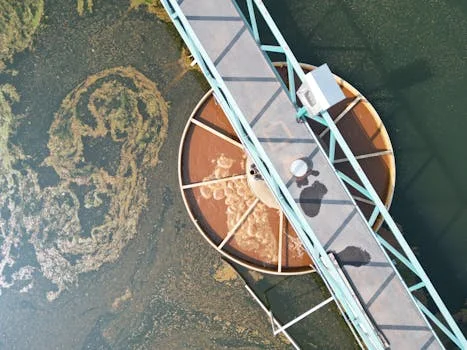
The following HydropureWater products are engineered for the wastewater challenges discussed above:
- compact medical wastewater treatment system for Kaduna’s hospitals and clinics — view specifications, capacity range, and technical data
Need a customized solution? Request a free quote with your specific flow rate and pollutant parameters.