Al Khor’s Sewage Treatment Market is Booming in 2025
Qatar’s Vision 2030 goal to recycle 90% of wastewater by 2030 is significantly expanding Al Khor’s sewage treatment equipment market, contributing to a projected $8.2 billion regional market by 2030. This ambitious national target directly influences infrastructure projects in Al Khor, creating a pressing demand for advanced and efficient sewage treatment solutions. The region faces unique challenges that dictate equipment selection, including high groundwater salinity, extreme ambient temperatures often reaching up to 50°C, and rapid industrialization, particularly due to its proximity to Ras Laffan Industrial City. Key drivers for equipment upgrades and new installations in Al Khor include the enforcement of regulatory fines for non-compliance, the overarching issue of water scarcity, and the increasing requirement for Global Sustainability Assessment System (GSAS) certification in new developments. For instance, the ongoing Al Khor Sewerage Treatment Works Phase II project highlights the demand for modular, scalable systems capable of meeting future expansion needs while adhering to stringent environmental standards.Types of Sewage Treatment Equipment for Al Khor’s Climate and Regulations
Selecting appropriate sewage treatment equipment for Al Khor requires careful consideration of the region’s harsh climate, specific wastewater characteristics, and strict regulatory environment. Each technology offers distinct advantages and disadvantages that influence its suitability for municipal, commercial, or industrial applications.Underground Package STPs (WSZ Series) are a preferred solution for residential communities, hotels, and smaller commercial facilities in Al Khor due to their compact footprint and minimal operational requirements. These systems, designed for flow rates typically ranging from 1 to 80 m³/h, can be installed below ground, preserving valuable surface space and minimizing visual impact. Their automated operation often means no full-time operator is required, reducing ongoing labor costs. For reliable and compact underground STPs for Al Khor’s residential and commercial projects, consider options like the WSZ series underground integrated sewage treatment plant.
Membrane Bioreactor (MBR) Systems consistently produce near-reuse-quality effluent, making them ideal for Al Khor’s water-scarce environment where treated wastewater can be utilized for irrigation or industrial cooling. MBR technology achieves superior filtration, typically below 1 μm, resulting in TSS removal efficiencies exceeding 98%. While MBR systems can reduce the plant footprint by up to 60% compared to conventional activated sludge, they incur higher energy consumption, generally ranging from 0.6 to 0.8 kWh/m³, and require membrane replacement every 5–7 years, adding to long-term operational costs. To achieve near-reuse-quality effluent in Al Khor’s water-scarce environment, MBR systems are a viable option.
Dissolved Air Flotation (DAF) Systems are critical for industrial wastewater pretreatment in Al Khor, particularly for sectors like food processing and petrochemicals where high concentrations of fats, oils, and grease (FOG) or suspended solids are present. DAF systems achieve FOG removal efficiencies up to 99% and are effective for flow rates from 4 to 300 m³/h, significantly reducing the load on downstream biological treatment. For effective industrial wastewater pretreatment in Al Khor’s food processing and petrochemical sectors, DAF systems offer robust performance.
Chlorine Dioxide Generators are increasingly preferred for disinfection in Al Khor dueor high salinity tolerance and compliance with stringent WHO and EPA standards for water quality. Unlike chlorine gas, chlorine dioxide is effective over a wider pH range and does not form harmful disinfection byproducts, making it a safer and more environmentally sound choice for final effluent polishing.
Sludge Dewatering is an essential component of any sewage treatment plant in Al Khor, especially given the high-solids sludge often generated from desalination plants and industrial processes. Plate and frame filter presses are effective for achieving high dry solids content (typically 25–35%), while screw presses offer continuous operation and lower energy consumption for moderate solids content (20–30%). Operational costs for sludge dewatering include polymer consumption, energy, and disposal fees. For comprehensive sludge dewatering solutions for Qatar’s high-solids wastewater, adaptable for Al Khor's specific needs, explore options detailed in this engineering guide on sludge dewatering equipment.
| Equipment Type | Primary Application | Flow Rate Range | Key Advantage for Al Khor | Consideration for Al Khor | Effluent Quality (TSS) | Typical Energy Use |
|---|---|---|---|---|---|---|
| Underground Package STP (WSZ) | Residential, Commercial | 1–80 m³/h | Compact footprint, low operator need | Limited scalability for large projects | < 30 mg/L | 0.2–0.4 kWh/m³ |
| MBR System | Municipal, Industrial Reuse | 10–2,000 m³/day | Near-reuse quality, small footprint | Higher energy, membrane replacement | < 5 mg/L | 0.6–0.8 kWh/m³ |
| DAF System | Industrial Pretreatment (FOG, SS) | 4–300 m³/h | High FOG/SS removal, robust | Requires chemical dosing, sludge handling | Up to 99% removal of FOG/SS | 0.1–0.3 kWh/m³ |
| Chlorine Dioxide Generator | Final Disinfection | Flow-dependent | High salinity tolerance, no harmful DBPs | Requires chemical storage/handling | Fecal Coliform <1,000 CFU/100mL | Minimal (electrical for generation) |
| Sludge Dewatering (Screw Press) | Sludge Volume Reduction | 1–50 m³/h sludge | Reduces disposal costs, continuous | Polymer consumption, maintenance | 20–30% dry solids | 0.05–0.1 kWh/m³ (per m³ sludge) |
Al Khor Sewage Treatment Equipment Suppliers: Technical Comparison and Selection Criteria
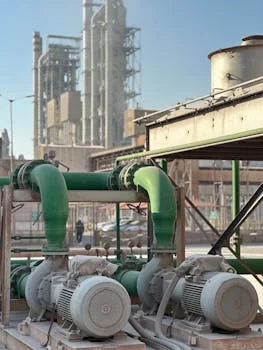
Key local suppliers include Proteas International, primarily known for waste management and composting solutions rather than full-scale sewage treatment equipment manufacturing, and Akdindus, which specializes in electrochlorination systems. HydropureWater offers a range of full STP systems, including compact underground STPs, MBRs, and DAF units. International players with a local presence, such as Veolia and Suez, often provide large-scale municipal solutions and specialized industrial wastewater treatment services.
When selecting a supplier, technical fit is paramount. For projects requiring water reuse, MBR systems with their superior effluent quality are often necessary. For industrial applications with high FOG or suspended solids, DAF systems are crucial for effective pretreatment. Compliance with Qatar’s wastewater discharge limits, particularly QCS 2014, is non-negotiable, with requirements such as TSS <30 mg/L, BOD <20 mg/L, and COD <125 mg/L. After-sales support, including spare parts availability in Doha and the presence of local service teams for maintenance and troubleshooting, significantly impacts operational reliability and uptime. Red flags in supplier evaluation include a lack of GSAS-certified equipment, indicating a potential shortfall in sustainability focus, excessively long lead times exceeding 12 weeks which can delay project completion, or the absence of readily available local service teams, which can lead to costly downtime.
| Company | Primary Equipment Focus | Flow Rate Range (Typical) | TSS Removal Efficiency | Energy Use (kWh/m³) | Compliance (QCS 2014) | Lead Time (Weeks) | Service Support |
|---|---|---|---|---|---|---|---|
| HydropureWater | Underground STPs, MBR, DAF | 1–2,000 m³/day | 92–98% | 0.2–0.8 | Yes | 8–12 | Local team, spare parts in region |
| Proteas International | Waste Management, Composting | N/A (not equipment manufacturer) | N/A | N/A | N/A | N/A | Waste services only |
| Akdindus | Electrochlorination Systems | Flow-dependent | N/A (disinfection only) | Low | Yes (disinfection) | 6–10 | Local installation, maintenance |
| Veolia (Local Partner) | Large-scale Municipal, Industrial | >5,000 m³/day | 95–99% | 0.4–0.9 | Yes | 16–24+ | Extensive global/local support |
| Suez (Local Partner) | Municipal, Industrial Solutions | >2,000 m³/day | 95–99% | 0.4–0.9 | Yes | 16–24+ | Extensive global/local support |
Cost Breakdown for Sewage Treatment Equipment in Al Khor: 2025 Benchmarks
Budgeting for sewage treatment equipment in Al Khor requires a comprehensive understanding of both Capital Expenditure (CAPEX) and Operational Expenditure (OPEX), along with potential Return on Investment (ROI) considerations. These costs fluctuate based on system size, technology, and project-specific requirements.CAPEX ranges (USD) for various sewage treatment equipment types in Al Khor are as follows: compact underground STPs designed for 1–80 m³/h typically range from $15,000 to $120,000. MBR systems, offering superior effluent quality for 10–2,000 m³/day, usually fall between $50,000 and $500,000. For industrial applications, DAF systems with flow rates of 4–300 m³/h can cost anywhere from $20,000 to $200,000. These figures generally include the core equipment but may exclude civil works, installation, and permitting fees.
OPEX considerations are critical for long-term project viability. Energy costs are a significant factor, especially for MBR systems, which typically consume 0.4–0.8 kWh/m³. Membrane replacement for MBR systems is a substantial periodic expense, costing $5,000–$20,000 every 5–7 years. Chemical dosing for pH adjustment, coagulation, flocculation, or disinfection can add $0.10–$0.30/m³ to operational costs. Other OPEX factors include labor, routine maintenance, and sludge disposal.
ROI calculation demonstrates the financial benefits of investing in efficient sewage treatment. For example, a 50 m³/h STP in Al Khor, designed for water reuse, could achieve a payback period of 3–5 years. This ROI is primarily driven by savings from reduced potable water consumption (e.g., for irrigation or industrial processes) and avoided regulatory fines for non-compliant discharge. For detailed insights into wastewater treatment plant costs and ROI calculations, refer to this guide on Ajman’s 2025 wastewater treatment plant cost benchmarks, which offers adaptable principles for Al Khor.
Hidden costs often overlooked include permitting fees imposed by the Qatar Ministry of Municipality and Environment, which can vary by project scale. Installation costs are influenced by local soil conditions in Al Khor, which may require specialized civil engineering. Finally, training for local operators is essential to ensure proper system operation and maintenance, preventing costly errors and maximizing equipment lifespan.
| Cost Category | Item | Typical Range (USD) | Notes for Al Khor |
|---|---|---|---|
| CAPEX (Equipment) | Underground STP (1–80 m³/h) | $15,000–$120,000 | Excludes civil works, installation |
| MBR System (10–2,000 m³/day) | $50,000–$500,000 | Higher initial investment for superior effluent | |
| DAF System (4–300 m³/h) | $20,000–$200,000 | Specific to industrial pretreatment needs | |
| OPEX (Per m³ Treated) | Energy (MBR) | $0.04–$0.08 | Based on 0.4–0.8 kWh/m³ at $0.1/kWh |
| Chemical Dosing | $0.10–$0.30 | Varies by wastewater characteristics and treatment needs | |
| Membrane Replacement (MBR) | $0.01–$0.03 | Amortized over 5–7 year lifespan | |
| Hidden/Ancillary Costs | Permitting Fees | $1,000–$10,000+ | Qatar Ministry of Municipality and Environment |
| Installation (Civil Works) | 20–40% of Equipment CAPEX | Influenced by soil conditions and site access | |
| Operator Training | $2,000–$10,000 | Essential for efficient and compliant operation |
Compliance Checklist for Sewage Treatment Equipment in Al Khor
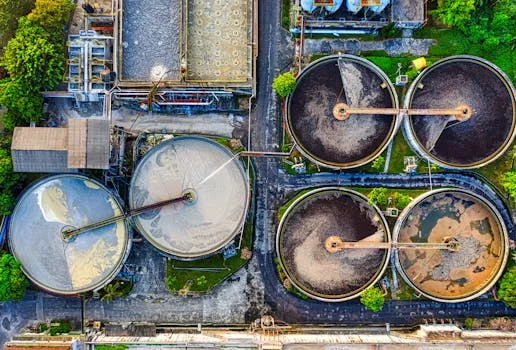
Qatar Construction Standards (QCS 2014) establish the primary discharge limits for treated wastewater. For general discharge, key parameters include Total Suspended Solids (TSS) at less than 30 mg/L, Biochemical Oxygen Demand (BOD) at less than 20 mg/L, Chemical Oxygen Demand (COD) at less than 125 mg/L, and Fecal Coliform at less than 1,000 CFU/100mL. These limits are strictly enforced and equipment must be capable of consistently achieving them under varying influent conditions typical of Al Khor.
GSAS (Global Sustainability Assessment System) certification plays a significant role in new developments, particularly regarding water reuse and energy efficiency. For projects aiming for GSAS certification, equipment must demonstrate the ability to produce Class A+ effluent for irrigation, which often requires advanced treatment technologies like MBR. energy efficiency is a key GSAS criterion, with targets often set below 0.6 kWh/m³ for MBR systems, encouraging the adoption of energy-optimized designs.
Local municipality requirements, specifically from the Al Khor Municipality, can introduce additional specific permits for industrial discharges. These might include tighter limits for heavy metals, Fats, Oils, and Grease (FOG), or other industry-specific pollutants. Industrial facility managers must verify these local requirements in addition to national standards.
Essential documentation from suppliers includes equipment certifications such as ISO 14001 for environmental management and CE marking for European conformity, which often signifies adherence to international safety and quality standards. Comprehensive operation and maintenance manuals, provided in both Arabic and English, are crucial for local operators. third-party lab test reports demonstrating the equipment's effluent quality capabilities are indispensable for verifying performance claims.
Common compliance pitfalls in Al Khor often stem from unique environmental factors. Underestimating the effects of high salinity in influent wastewater on biological treatment processes or material corrosion can lead to system failure. Failing to account for extreme temperature fluctuations, which can impact microbial activity and membrane performance, is another frequent oversight. Neglecting proper sludge disposal regulations, which require adherence to designated disposal sites and methods, can result in environmental violations and fines.