Set the design basis before choosing the plant
Select a packaged sewage treatment plant for a residential development in Guinea-Bissau by converting occupancy, sewage flows and loads, effluent route and site constraints into a project-specific RFQ, then evaluate an underground A/O option against alternatives. No verified Guinea-Bissau residential flow, influent, discharge-limit or site data was identified, so the plant cannot be responsibly sized or declared compliant before the developer, civil consultant and relevant authority provide those inputs.
Begin by obtaining expected average and peak domestic sewage flow in m³/day, current and projected residential occupancy, and the development phasing from the developer or civil consultant. Unit count alone is not a defensible sizing basis. Use the containerized sewage-plant sizing method to document the assumptions that connect occupancy to flow and equipment capacity.
Request raw sewage COD, BOD, TSS, suspended-solids and fecal-indicator characteristics from the developer or through a sampling campaign. These measurements establish the biological and solids load that the package must handle; without them, any process selection remains preliminary.
Map the proposed discharge destination before requesting prices. Confirm with the relevant authority whether the project requires sewer connection, treated-water reuse or another disposal route, and obtain the applicable site-specific effluent requirements. A general reuse claim does not establish a discharge route or its consent conditions.
- Record the development occupancy, phasing and expected domestic flow.
- Obtain representative raw-sewage quality data and any seasonal or peak-load information.
- Confirm the effluent route and written project-specific treatment objectives.
- Document soil, groundwater, flood level, available area and access constraints.
- Issue those inputs as the common basis for supplier comparison.
Compare the package-plant routes against project constraints
Choose the process route that satisfies the confirmed treatment objective within the available footprint and can be installed, maintained and accepted under site-specific conditions. The underground A/O package sewage treatment plant is a relevant candidate because the WSZ series combines anoxic/aerobic biological contact oxidation, sedimentation and disinfection in a single buried unit. This configuration is directly relevant to decentralized sewage treatment where landscaping can occupy the area above the treatment works.
A trailer-mounted WSZ arrangement supports mobile deployment, while below-grade installation permits landscaping above the plant. Neither arrangement can be preferred from general product descriptions alone: excavation, groundwater, delivery access, lifting arrangements and the final effluent route determine whether each is practical.
| Discharge route or influent problem | Governing rule or process option | What data settles it |
|---|---|---|
| Residential wastewater requiring a buried decentralized installation | Consider the WSZ anoxic/aerobic biological contact-oxidation, sedimentation and disinfection configuration, subject to project-specific effluent criteria. | Average and peak flow, raw COD, BOD and TSS, available area, groundwater level and confirmed effluent route. |
| Deployment where excavation is difficult or relocation is required | Consider a trailer-mounted WSZ arrangement rather than assuming below-grade installation. | Delivery route, unloading capacity, site access, lifting points, ground conditions and future relocation plan. |
| Site-specific reuse or discharge requirements that may demand tighter solids separation | Compare the A/O route with an integrated MBR treatment alternative. | Confirmed reuse application, required effluent quality, treatment-objective documentation, footprint, power availability and maintenance capability. |
Use the residential package-plant route comparison to structure the enquiry around project conditions, while keeping Guinea-Bissau’s effluent requirements separate from any experience described in another location.
Define installation, commissioning and acceptance
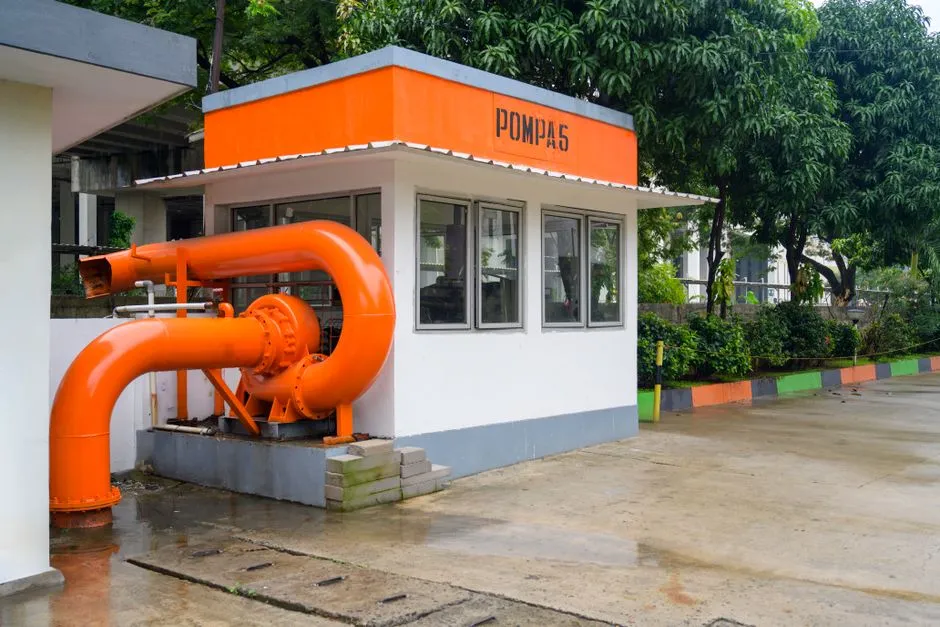
Make installation and acceptance responsibilities explicit before comparing quotations. Ask the civil engineer and site surveyor for soil conditions, groundwater level, flood level, excavation constraints and available installation area. These inputs determine whether a buried unit is feasible and what temporary works, dewatering, bedding or access arrangements may be required.
Confirm the delivery route, unloading equipment, crane or forklift capacity, lifting points and heavy-transport restrictions with the logistics provider and installing contractor. Request the supplier’s transport dimensions, weights, centre of gravity, lifting requirements and site access assumptions so that the offered equipment can physically reach and enter its installed position.
Allocate every interface in writing. The RFQ should identify who provides civil works, power connections, controls integration, sludge removal, operator training, commissioning tests and post-commissioning support. The small-flow package-plant operating-cost comparison is useful for identifying which operating assumptions must also be priced.
Require each supplier to propose project-specific performance and documentation criteria. Do not infer Guinea-Bissau discharge compliance from a product catalogue. Final acceptance should be tied to the confirmed effluent route, the raw-sewage design basis, functional testing and evidence agreed for the actual installation.
Build an RFQ that prevents price-only selection
A comparable package plant RFQ must separate product, logistics, civil interfaces, commissioning and after-sales obligations from the headline equipment price. State the required flow basis, selected process route, site envelope, power supply, effluent route, access assumptions and documentation deliverables. Missing information should appear as an explicit exclusion so the supplier can price it or confirm that the buyer must provide it.
| Quote line item | Technical scope to specify | Red flags to check before signing |
|---|---|---|
| Equipment and process supply | Design flow and load basis, treatment route, unit arrangement, materials, controls, drawings and required spare parts. | Unit count is used as the only sizing basis, or performance limits are not tied to the confirmed effluent objective. |
| Freight and unloading | Shipment terms, route, packaging, transport dimensions and weights, unloading equipment and lifting points. | Route survey, crane or forklift capacity, access gates or heavy-transport permits are omitted. |
| Installation and civil interfaces | Excavation, bedding, backfill, lifting, anchoring, connections, power supply, controls integration and responsibility for rework. | “Installation included” does not define civil works, site access, dewatering, damaged-work repair or contractor interfaces. |
| Commissioning and handover | Testing, site-specific performance evidence, operator training, as-built drawings, manuals, spare parts and warranty support. | Acceptance relies only on shipment, installation completion or a generic product label rather than documented tests. |
Use milestone acceptance rather than a single handover event: approved drawings, verified installation, successful functional testing, agreed site-specific performance evidence, and completion of handover documentation. Any performance sampling should use a method and laboratory arrangement agreed with the buyer and relevant authority.
Common questions before placing the order
Resolve the commercial and technical open items before placing the order. Sizing requires average and peak flow together with the development load basis, not residential-unit count alone. The quotation must distinguish equipment, freight, unloading, civil work, installation, commissioning, training, spares, warranty support and operating assumptions. Final acceptance must follow documented tests linked to site-specific requirements, while delivery planning must name the route, access constraints, lifting capacity and responsible parties.
Do not ask suppliers to close the design gaps by assumption. Provide the same confirmed information pack to each bidder, attach the project-specific treatment objective, state known exclusions and require deviations to be listed. This allows the buyer to compare both technical compliance and total implemented scope rather than selecting on an incomplete equipment price.
Further Reading
Frequently Asked Questions
How should a packaged sewage plant be sized for a residential project in Guinea-Bissau?
Size it from confirmed average and peak domestic sewage flow, occupancy and phasing, and raw sewage COD, BOD and TSS—not unit count alone. Request the missing measurements and records from the developer, civil consultant or sampling campaign, and require each supplier to state its sizing assumptions in the quotation.
What should a supplier quotation include so equipment, logistics and installation costs are comparable?
Require separate prices for the treatment package, freight, unloading, installation, civil interfaces, power and controls connections, commissioning, training, spares, warranty support and sludge removal. Because no verified project quotation was identified, ask suppliers to state exclusions and the inputs required for each unpriced item.
Which tests and documents should define commissioning and final acceptance?
Define them against the confirmed effluent objective and site-specific design basis. Require functional testing, agreed performance evidence, approved and as-built drawings, operating manuals, controls information, training records and signed handover documentation. The buyer and relevant authority should agree the sampling method, test conditions and unresolved performance remedy before installation begins.
How should the buyer assess delivery, installation support and ongoing maintenance responsibility?
Request the logistics provider’s route survey and the contractor’s unloading and lifting capabilities, then compare them with the supplier’s transport envelope and stated installation method. Allocate excavation, lifting, electrical connection, controls integration, commissioning, operator training, sludge removal, maintenance and warranty support to named parties so responsibility is not left to a generic “delivery and installation” clause.