Define the reuse endpoint and approval route
Commercial greywater recycling in Tajikistan should be selected around the intended reuse endpoint, measured influent, available footprint and the route for local approval. UF can provide a low-chemical solids and bacteria-removal stage before non-potable reuse; MBR combines biological treatment and membrane separation in a compact train; an integrated package plant may suit sites treating combined building wastewater. Tajikistan is still developing dedicated rules for local treatment facilities, so buyers should verify the applicable route before ordering.
The first commercial decision is the destination of the treated water. The academic review identifies toilet flushing, irrigation, vehicle washing, cooling and other non-potable uses as potential greywater applications. Each destination changes the required process train, storage arrangements and evidence needed for approval. An irrigation proposal also requires more than a generic “reuse” statement: the water category, permitted crops, application method and monitoring requirements should be confirmed with the competent authority.
The regulatory pathway is not yet sufficiently defined to treat a proposal as pre-approved. Reporting from the national seminar in Dushanbe said proposals were prepared for separate rules covering the design, acceptance and commissioning of local treatment facilities. The same discussion identified gaps in current national standards and sanitary requirements for modern decentralized systems. The owner’s operator or environmental adviser should therefore obtain written confirmation of the applicable design and acceptance route from the relevant Tajik authorities before commercial commitments are made.
Separate greywater treatment is technically credible, but it is not automatically the cheapest option. Commercial-scale evidence notes that treating combined greywater and blackwater can be easier and more cost-effective, particularly where the building’s wastewater is already mixed. A commercial greywater route-selection method is useful for framing the choice, but the final decision should use this site’s plumbing layout, reuse point and regulatory route.
Match treatment routes to source wastewater and site constraints
Equipment should be sized using measured daily flow, peak-hour profiles and representative wastewater characteristics rather than generic water-use statistics. An academic review defines greywater as wastewater from cooking, laundry, bathing, hand basins and dishwashing, excluding toilet wastewater, and reports that it may represent approximately 50–80% of total water usage. That percentage is a screening indicator, not a design flow.
| Discharge route or influent problem | Governing rule or process option | What data settles it |
|---|---|---|
| Separately collected, relatively low-solids greywater serving toilet flushing or another controlled non-potable use | Evaluate a hollow-fiber ultrafiltration system as a solids and bacteria-removal stage, with equalization, disinfection and reuse pumping defined separately. | Daily and peak flows; COD, BOD, TSS, turbidity, ammonia, grease and pH; required reuse-water quality; footprint and power availability. |
| Variable wastewater requiring biological treatment followed by membrane separation | Evaluate an integrated MBR wastewater treatment system, with the required equalization, biological stage, membrane train, storage and reuse connections included in the offer. | Influent characterization across operating periods; hydraulic and organic loading; treatment objectives; available footprint, power and operator capability. |
| Combined greywater and toilet wastewater, or a site requiring a broader on-site treatment train | Evaluate an integrated package treatment route rather than assuming that segregation will reduce cost. The commercial wastewater package must cover the complete flow and reuse distribution. | Current pipe arrangement; whether streams are already combined; discharge and reuse route; site survey; civil, electrical and operating constraints. |
Follow a sequential selection process to ensure compatibility. First confirm the reuse endpoint and approval route, then determine whether the streams can be segregated without extensive retrofit, and finally test each candidate against measured flow, quality, footprint, electricity, backup power and staff capability. Compare the complete life-cycle cost, including disposal; treatment should be beneficial and economical, as over-treatment can add financial, environmental and operational burdens.
Build a complete commercial treatment scope
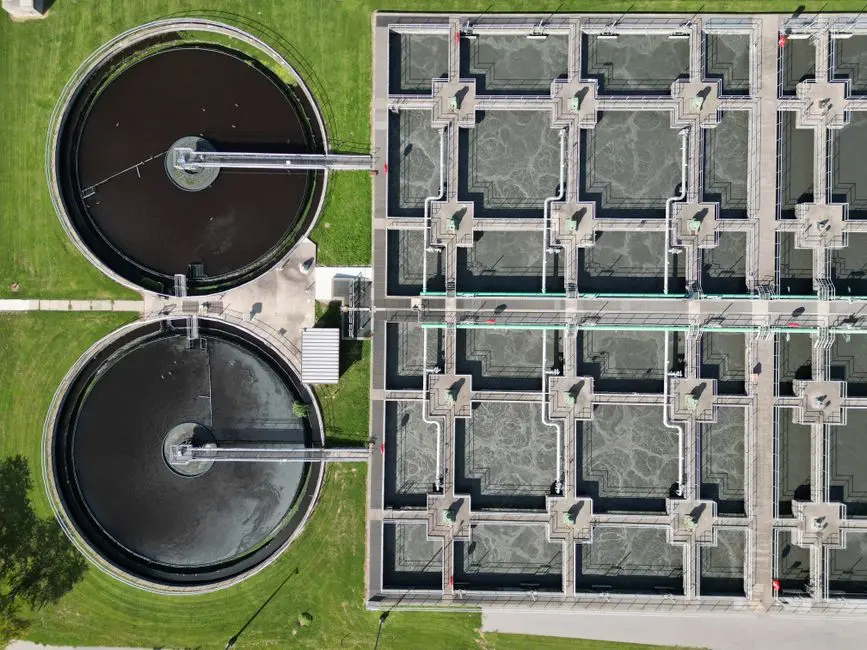
A quotation should describe a working reuse system, not only a treatment vessel. Ask the supplier to state whether it supplies source segregation, collection and equalization tanks, solids removal, biological treatment where required, filtration, disinfection, storage, pumping and the intended reuse distribution. Clarify who provides site surveys, civil works, electrical supply, controls, commissioning, operator training, monitoring and maintenance.
| Quote line item | Technical scope to specify | Red flags to check before signing |
|---|---|---|
| Design, authorization and site inputs | Measured flows and quality data, site survey, design basis, applicable local approval route, drawings, equipment schedules and a responsibility matrix. | Equipment offered before site data are confirmed, or approval responsibilities left unassigned. |
| Treatment and collection equipment | Define segregation, equalization, solids removal, biological treatment if required, filtration, disinfection, storage, pumping and reuse distribution. | Important civil interfaces, ancillary pumps, controls or disinfection are excluded from the quoted price. |
| Installation and commissioning | State installation boundaries, testing, startup, performance demonstration, operator training and required site utilities. | No acceptance test protocol, commissioning responsibility or site-utility schedule. |
| Operating and disposal costs | Include energy, chemicals, operator time, monitoring, maintenance, sludge or residue handling and disposal. The academic review separates design and authorization, purchase and installation, and O&M costs, while also identifying disposal as a cost that should not be ignored. | Only equipment capital cost is shown, or operating, replacement and disposal obligations are excluded. |
| Warranty and service | Specify performance guarantees, test methods, acceptance samples, documentation, spare parts, response times, warranty boundaries and local support. | Unclear exclusions, no named test method, or guarantees that cannot be tied to the agreed influent basis. |
Issue a commercial wastewater RFQ using the same site data for every bidder. Require each offer to identify exclusions and assumptions, as site suitability and system complexity influence design cost and a single treatment-unit price does not reveal the total cost of civil work, utilities, operation, monitoring or disposal.
Verify acceptance, monitoring and handover
Local confirmation and documented acceptance conditions must be part of the purchase process, rather than post-signature deliverables. The seminar reporting states that dedicated design, acceptance and commissioning procedures for local treatment facilities were still being proposed; the supplier must identify the approval route and authorities it expects to engage, while the buyer remains responsible for obtaining local confirmation.
Request a monitoring plan covering laboratory analyses and practical on-site checks. Reporting from the Tajikistan seminar identified turbidity, odour and septic-tank sludge levels as possible simple inspection measures. The operating plan should define sampling points, instruments, calibration responsibilities, record forms, alarm handling and the authority receiving results. The supplier must not present generic laboratory tests as a substitute for approval that has not yet been confirmed.
For wastewater reuse irrigation, obtain the relevant authority’s position on the proposed water category, permitted crops, irrigation method, monitoring indicators, inspection frequency and the interval between irrigation and harvest. These requirements are site-specific and should not be assumed based on national rules alone.
Before signature, attach a handover checklist to the contract. It should include approved drawings, as-built information, equipment manuals, test results, operator training records, preventive-maintenance tasks, local or remote control arrangements, emergency bypass provisions, sludge-handling responsibilities, spare-parts availability and defined warranty support. A site-specific commercial greywater RFQ guide can help structure those documents, but the final acceptance protocol must reflect the confirmed Tajik approval route and the selected reuse endpoint.
Frequently Asked Questions
What data are required to size a commercial greywater recycling system in Tajikistan?
Request measured daily and peak-hour flows, a source-by-source wastewater profile and representative samples analysed for COD, BOD, TSS, turbidity, ammonia, grease and pH. The owner must also provide the reuse endpoint, footprint, utility conflicts, electricity availability, backup-power arrangements and operating-staff capability. A generic percentage of total water use cannot size the equipment.
What should a supplier quotation include beyond the treatment unit?
Require separate pricing for design and authorization, equipment and installation, civil interfaces, electrical supply, controls, commissioning, operator training, monitoring, operation and maintenance, replacement items and residue disposal. Ask each bidder to identify exclusions and assumptions. Do not compare quotations until they use the same influent basis, reuse endpoint and scope boundaries.
When is separate greywater treatment preferable to combined-wastewater treatment?
Separate treatment may be preferable where greywater is already segregated, the required treatment train is simpler and the proposed reuse route accepts that train. Combined treatment may be easier and more cost-effective where wastewater streams are already mixed, particularly in an existing building. Decide this from the site survey, measured wastewater characteristics and local approval route rather than from equipment preference alone.
Which compliance and acceptance items must be confirmed locally before commissioning?
Obtain written confirmation of the applicable design, sanitary, commissioning and treated-water acceptance route, plus the authority for any discharge or reuse permission. For irrigation, confirm the water category, permitted crops, application method, monitoring indicators, inspection frequency and irrigation-to-harvest interval. The contract should also identify the agreed test methods, acceptance samples, documentation, operator training and handover responsibilities.