Select the Greywater Route for the Site
Decide whether the building can keep toilet waste separate from showers, washbasins and other non-toilet flows. Source segregation provides the basis for decentralized wastewater treatment using a dedicated greywater train, whereas an existing building with combined flows may be more practical to treat as one stream. The reuse endpoint—non-potable toilet flushing, irrigation or another application—narrows the treatment and control requirements. For reference, the commercial greywater route-selection method provides a useful structure for this decision, though it is not a Suriname regulatory rule.
Request the following project inputs before selecting equipment:
- Daily greywater flow and peak-hour flow, including how both are measured or estimated.
- A plumbing and collection-layout drawing showing source fixtures, isolation valves, collection points and gravity or pumped drainage.
- Representative influent characterization for the segregated greywater stream, including the sampling locations and whether cleaning chemicals, fats, oils or detergents are present.
- The intended non-potable reuse endpoint, reuse hours and applicable user-access controls.
- Available footprint, electrical supply, drainage routes, access for maintenance, and operator staffing.
Segregate at source where practical. The academic review notes that source segregation supports decentralized wastewater treatment through separate treatment strategies. If flows are already combined, evaluate whether separation is technically and commercially feasible rather than assuming a dedicated greywater system is automatically cheaper. Greywater Action notes that treating all building wastewater can be easier and more cost-effective where flows are already combined.
Compare UF, MBR and Packaged Treatment Options
Treatment architecture selection must be based on the required water quality and operating conditions, not nominal capacity alone. The academic review presents biological treatment, membrane filtration and UV disinfection as complementary options, while identifying source-quality variation, monitoring and legal frameworks as challenges. A hollow-fiber ultrafiltration system may fit a route with a defined pretreatment train; an integrated MBR membrane bioreactor combines biological treatment with membrane separation; and a packaged biological plant may suit a broader wastewater stream or an established packaged configuration.
| Discharge route or influent problem | Governing rule or process option | What data settles it |
|---|---|---|
| Source-separated showers and washbasins | Evaluate UF with the required upstream collection, equalization, biological treatment where needed, and disinfection. | Source layout, representative influent analysis, reuse quality, available footprint and operator capacity. |
| Combined greywater and toilet wastewater | Evaluate MBR or a packaged biological treatment route designed for the combined wastewater stream. | Daily and peak flows, wastewater characteristics, storage requirements, discharge or reuse point and residual-handling needs. |
| Variable source quality | Include equalization, monitoring and control; confirm whether the proposed process train remains effective across the stated operating condition. | Representative samples across operating periods, cleaning-chemical exposure, hydraulic variation and required monitoring frequency. |
| Reuse endpoint requires a documented treatment train | Define whether biological treatment, membrane filtration and UV disinfection are required as a combined route. | Authority-confirmed endpoint requirements, sampling plan and required treatment parameters. |
| Limited footprint or operating staff | Compare the complete skid or packaged plant footprint, controls, maintenance access and residual handling with the site constraints. | Available plan area, equipment dimensions, power, access, staff qualifications and service arrangements. |
Build the Site-Specific Treatment and Quotation Scope
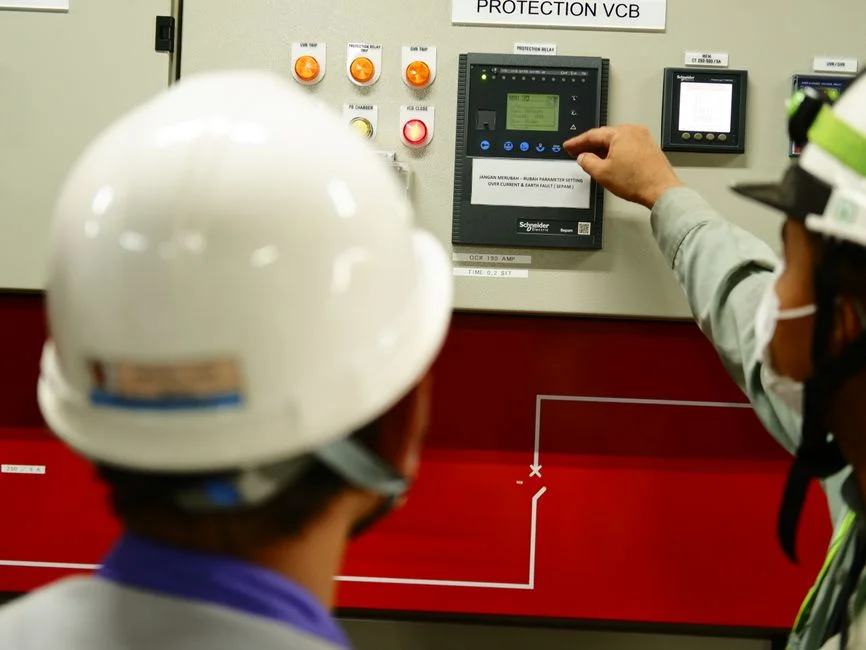
Issue the RFQ as a controlled project scope with inputs, stated assumptions, supplier responsibilities and acceptance criteria. Provide the source layout, daily and peak flow, wastewater characteristics, reuse endpoint, site constraints and Suriname delivery location. Ask each shortlisted supplier to return the same commercial structure to ensure exclusions and assumptions are compared directly.
| Quote line item | Technical scope to specify | Red flags to check before signing |
|---|---|---|
| Process flow and equipment | Collection, equalization, treatment, disinfection, storage, pumping, controls, drainage and sludge or residual handling. | Undefined items, missing storage or pumping, or a flow diagram that does not connect to the proposed reuse point. |
| Equipment sizing | State the design flow basis, operating mode, treatment train, materials, instrument list and available footprint and power requirements. | Capacity quoted without a design-flow basis, unsupported performance claims or omitted utility requirements. |
| Commissioning | Define pre-commissioning, installation supervision, start-up, training, functional tests, sampling and handover documentation. | Commissioning limited to power-on or equipment delivery; no training, test protocol or performance demonstration. |
| Acceptance testing | Agree test samples, locations, methods, parameters and acceptance criteria against the confirmed reuse and discharge requirements. | Supplier-selected parameters, no sampling method, no acceptance threshold or acceptance based only on visual inspection. |
| Commercial exclusions | List freight to Suriname, duties and taxes where applicable, installation, civil work, commissioning, spares, training, monitoring, maintenance, warranty and exclusions. | Fixed-price language that excludes site works, power, drainage, discharge approval, residuals or performance responsibility. |
| Assumptions and obligations | Identify every unverified site parameter and every approval still subject to confirmation by the responsible Suriname authority. | Supplier assumptions presented as facts, or the quotation transferring the permit determination to the equipment supplier. |
Require proposals to separate verified requirements from assumptions pending site data and authority confirmation. The greywater technology comparison and RFQ guide supports this structured comparison, but the Suriname delivery location, local approval route and site conditions must be stated in every request.
Verify Reuse, Discharge and Local Approval Conditions
Available technology research does not serve as evidence of Suriname compliance. The excerpts do not identify the authority responsible for a particular project, the applicable permit, required sampling frequency or discharge limits. Before ordering equipment, ask the project owner or environmental adviser to identify the Suriname authority and approval pathway for the proposed reuse or discharge.
Confirm whether the project requires on-site treatment, monitoring, operating records, sampling, inspection or a permit before installation. Define where treated water will go, whether it will enter a drainage system, and who owns compliance for each phase. The authority’s written confirmation—or the identified approval application—should become part of the quotation and commissioning documentation.
Keep unresolved compliance items visible as documented assumptions. Require the supplier to design to confirmed project requirements and identify any treatment or monitoring provisions that may change after authority review. The academic treatment comparison remains useful engineering background for biological processes, membrane filtration and UV disinfection, but it does not establish a legal requirement in Suriname.
Frequently Asked Questions
How much greywater capacity does a Suriname commercial site actually need?
Do not select capacity from a generic flow factor. Provide the supplier with daily flow, peak-hour flow, collection-point data and the design operating scenario. In a typical household, greywater excluding toilet waste represents 50–80% of daily wastewater generation, according to the academic review; that household finding provides context, not a capacity rule for a commercial Suriname site.
When is UF preferable to MBR or a packaged biological treatment plant?
Prefer UF when the segregated source and pretreatment train can reliably meet the membrane feed condition and the required treatment sequence does not require the broader biological treatment provided by an MBR. Compare that condition with combined wastewater characteristics and the complete packaged plant scope; do not infer suitability from the technology name alone.
What information and performance tests should a supplier include in the quotation?
Request the source layout, daily and peak flow, wastewater characterization, reuse endpoint, site constraints and Suriname delivery details. Require a complete process flow, commissioning boundary, training, maintenance, monitoring, energy and warranty terms, plus written acceptance tests stating the sampling method, parameters and pass criteria.
Which Suriname approvals and acceptance tests must be confirmed before installation?
Ask the project owner or environmental adviser to identify the responsible Suriname authority, permit pathway and any monitoring, sampling or operating-record conditions for the intended reuse or discharge. Do not authorize installation until those requirements and the supplier’s acceptance protocol are written into the contract; the available excerpts do not establish project-specific approvals or limits.