
Base the design on peak-season flow, not annual averages
A wastewater system for a tourist peninsula should be selected around seasonal demand rather than average occupancy. The Bodrum case linked population forecasts to water demand and wastewater generation and used central facilities with decentralized biological systems for hotels, second homes and marinas. Treated effluent was reused for garden irrigation. In the Balearic Islands, tourism caused notable peak-season increases in population and treated-water volume, making seasonal capacity and effluent quality central to the decision. A buyer compares sewered, package-plant and MBR routes, then requests a quotation based on peak flows, local wastewater data, reuse requirements and monitoring scope.
Separate flow profiles for the peak tourist season and shoulder season provide the necessary data for accurate sizing. The Bodrum research quantified monthly population components for residents, second homes, tourists and pleasure craft before determining water demand and wastewater generation. That method matters because a single annual-average flow can conceal the concentrated loading created when several visitor groups arrive together.
Ask the owner, tourism operator, marina operator and utility to provide:
- Occupancy calendars for hotels, second homes, visitor accommodation and other seasonal properties.
- Wastewater flow records for resident, seasonal, hotel, marina and visitor populations.
- Peak-season and shoulder-season flow profiles, including flow monitoring results where available.
- Visitor transport data and marina activity records.
- Influent characteristics, including COD, BOD, TSS, fats, oil and grease, nutrients and salinity where relevant.
Do not treat the Bodrum study as a universal sizing rule. It is a planning case study for a particular peninsula, and the research does not establish a general occupancy-to-flow factor. A bidder should calculate the design basis from site-specific records and show how the result changes between seasonal periods. For an initial route discussion, see the comparison of A/O package plants and MBR systems for hotels.
Compare the wastewater routes available to the site
Central collection is appropriate only where a sewer network can economically consolidate the site's wastewater flows. For dispersed hotels, second homes, resorts and marinas, decentralized biological treatment can preserve the logic used in Bodrum, where central facilities operated alongside individual systems serving those land uses.
Use the site layout and operating responsibility—not only the technology name—to select the route. An underground A/O package sewage treatment plant is a candidate for a hotel, resort or remote cluster needing compact on-site treatment. An MBR membrane bioreactor system is the alternative where the owner prioritizes tighter footprint control, automated operation or high-quality reuse, subject to site constraints and the stated performance requirements.
| Discharge route or influent problem | Governing rule or process option | What data settles it |
|---|---|---|
| Concentrated settlement with an established sewer network | Centralized wastewater treatment is the practical route when the network can reliably collect and convey peak-season flows. | Sewer catchment map, street elevations, existing collection capacity, pump and power requirements, and ownership of the network. |
| Hotels, resorts or remote accommodation clusters | Consider an on-site A/O package plant when a compact decentralized route suits the footprint and operating arrangement. | Peak and low flows, influent characteristics, available footprint, soil and groundwater constraints, access for maintenance, power supply and local operating responsibility. |
| Dispersed second homes, hotels and marina facilities | Use decentralized biological treatment where each site requires independent treatment rather than connection to a central collector. | Number and location of facilities, seasonal occupancy, vessel wastewater arrangements, effluent destination and whether each plant will have a qualified local operator. |
| High-quality reuse or tightly controlled footprint | Evaluate MBR when its treatment and reuse case is supported by the requested effluent quality and site conditions. | Application-specific water-quality requirements, measured reuse demand, footprint, automation requirements, energy supply, operator competence and performance-test method. |
Require each route to state how it handles peak flow, emergency storage, sludge removal and reuse-water quality. A package description alone does not establish that those obligations have been allocated. Also identify who holds the operating permit, maintains the equipment, removes residuals and responds when the tourist-season load exceeds normal operation.
Match reuse and discharge duties to the receiving environment
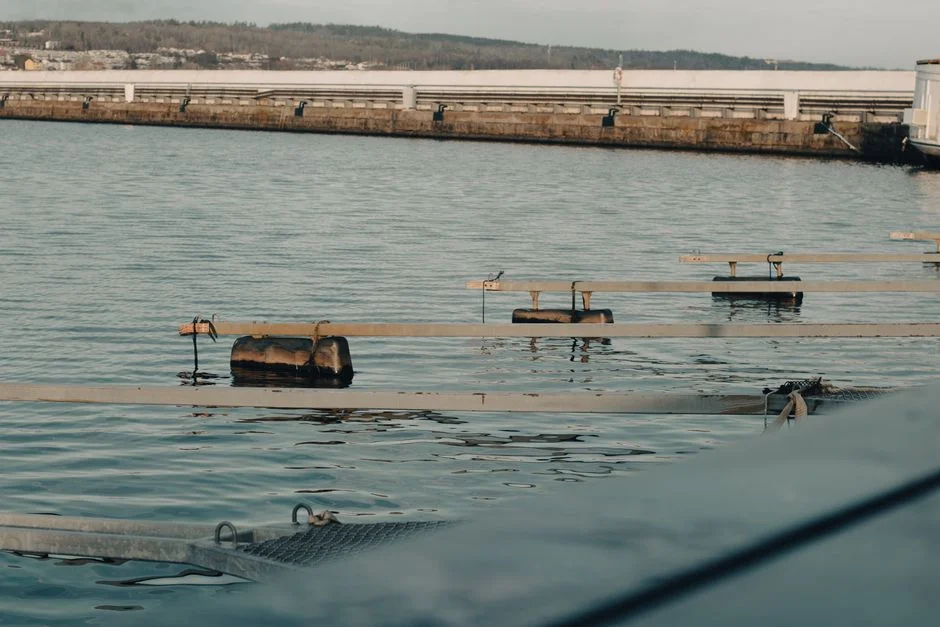
Define the destination of the water before selecting the final treatment and disinfection steps. In the studied Bodrum areas, treated effluent was reused for garden irrigation, making reuse an operating requirement of the wastewater system. In the Balearic Islands, the research identified uncontrolled sewage discharge as a danger to marine ecosystems and reported notable peak-season changes in wastewater flow and quality.
Request two separate compliance schedules from the bidder. The first should cover reuse, including the intended application, proposed effluent quality, test method, sampling frequency and responsible laboratory. The second should cover the receiving-water route, applicable permit or sewer acceptance conditions, discharge point and monitoring requirements. A reuse specification is not automatically a discharge criterion: irrigation or landscape requirements may impose application-specific duties that are not established in the available case studies.
| Discharge route or influent problem | Governing rule or process option | What data settles it |
|---|---|---|
| Treated effluent intended for garden irrigation or landscaping | Specify the reuse application and required effluent quality before finalizing the treatment train; obtain the relevant authority's written acceptance conditions. | Water-quality requirements for the proposed application, irrigation demand, proposed sampling method, storage and distribution arrangements. |
| Effluent entering a coastal receiving water | Require the proposed discharge route and permit basis to be stated separately from reuse obligations. | Permit or sewer acceptance conditions, receiving-water constraints, discharge point, applicable authority requirements and monitoring records. |
| Disinfection required for the selected discharge or reuse route | Assess an appropriate disinfection stage as part of the complete treatment train rather than assuming treatment alone establishes suitability. | Required disinfection performance, flow profile, water-quality basis, fouling or maintenance assumptions and site power availability. |
| Marina wastewater management | Separate vessel wastewater responsibilities from land-based treatment requirements. | Marina records, vessel-generated wastewater volumes, receiving facilities, existing collection provisions and the responsible authority. |
The UV sterilization unit should be evaluated within the complete route, using the required discharge or reuse quality as the selection basis. Do not infer a universal coastal discharge limit from the cited cases; obtain the applicable permit and receiving-water requirements for the specific site.
Specify monitoring for changing seasonal conditions
Require a monitoring plan that follows the tourist season rather than relying only on a single acceptance sample. The Bodrum study identifies serious planning, monitoring and control as a tool for sustainable water and wastewater management. Flow records are essential because they connect occupancy and operating conditions to the actual wastewater flow being treated.
Representative sampling provides actionable data for tourist communities. In Bangkok and Phuket, researchers collected 132 municipal wastewater samples from eight representative treatment plants across 19 sampling events from October 2021 to March 2022. The Phuket study indicates that representative plants serving tourist communities can provide useful surveillance information, although that work does not establish a treatment-plant performance requirement.
Ask the supplier to include in the quotation:
- Wastewater flow monitoring at the inlet, with agreement on how peak-period data will be recorded.
- Defined inlet and outlet sampling points and application-specific test methods.
- Operating logs covering treatment status, alarms, sludge removal, storage use and changes in seasonal loading.
- Alarm functions and the response required from the operator.
- A written allocation of sampling, laboratory analysis, reporting and permit-submission responsibilities.
Use the rotary mechanical bar screen only where its duty fits the selected treatment train. Its inclusion does not replace inlet or outlet monitoring, and the screen specification should be reconciled with the wastewater characteristics and maintenance access.
Build a quotation-ready scope and acceptance plan
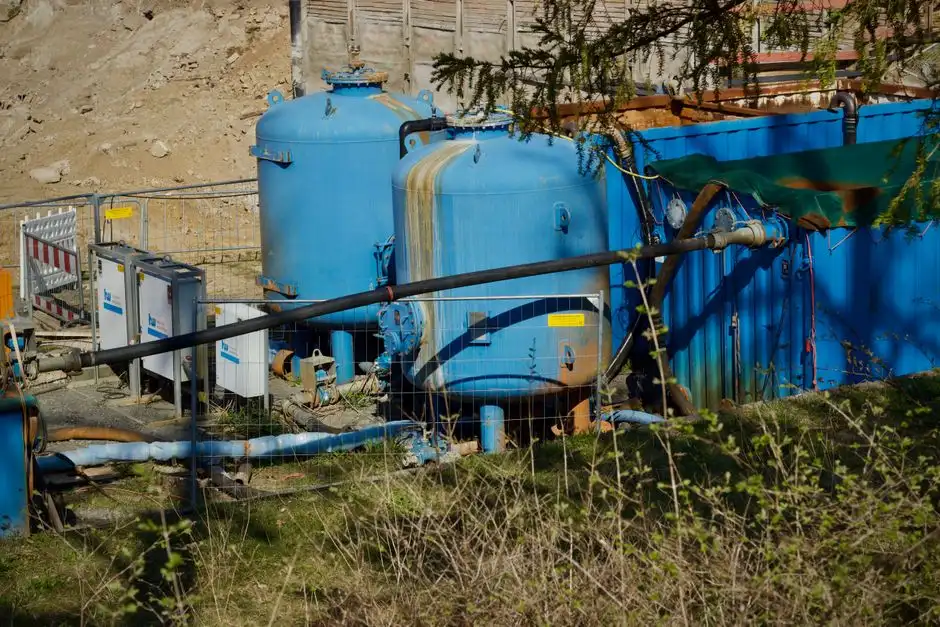
Issue one common site-data request so bidders compare the same route, peak-flow basis and compliance duties. The owner or operator should provide peak and low flows, wastewater characteristics, footprint, power, soil, groundwater, reuse objectives and discharge route. Each bidder should then reconcile its proposed design flow with that information rather than submit a generic package capacity.
| Quote line item | Technical scope to specify | Red flags to check before signing |
|---|---|---|
| Design basis and seasonal operation | State peak and low design flows, treatment train, seasonal operating concept, peak-load response, emergency storage, redundancy and sludge handling. | A response based only on annual averages, without peak-period flow records or a defined response to seasonal loading. |
| Performance guarantees | Define guaranteed effluent parameters, test methods, sampling points, loading conditions and evidence supporting the claims. | Unspecified test conditions, guarantees limited to individual components or performance claims that cannot be reconciled with the proposed flow. |
| Installation scope | Price civil works, connections, power, controls, commissioning, residual removal, access and site-specific works. | Equipment-only pricing that leaves excavation, electrical work, commissioning, sludge handling or environmental obligations unallocated. |
| Disinfection and reuse | State the proposed effluent route, reuse application, proposed water quality, test method and storage requirements. | A general promise of “reuse-ready” water without an application-specific quality schedule or receiving-authority acceptance. |
| Commissioning and seasonal verification | Require functional tests, instrument calibration, alarm tests, operator training and a method for demonstrating performance under agreed peak conditions. | Only a generic startup certificate, with no agreed loading basis, sampling protocol or remedy for failed acceptance tests. |
| O&M support and warranty | Price routine maintenance, consumables, remote support, emergency response, training, spare parts, software updates and all warranty exclusions. | Undefined response times, excluded consumables or sensors, or a warranty that does not cover the seasonal operating mode. |
Use the hotel wastewater route selection to interrogate A/O and MBR assumptions, and the packaged sewage treatment project comparison to check whether installation and operating exclusions are explicit. Do not approve equipment selection until each bidder reconciles quoted capacity with the supplied seasonal flow and identifies the basis for its performance claims.
Frequently Asked Questions
Which flow figures and site assumptions must be included in a wastewater system quotation?
Require peak-season and low-flow profiles, wastewater characteristics, footprint, power, soil and groundwater conditions, reuse objectives and the intended discharge route. Also require the bidder to identify the occupancy and marina-activity assumptions behind its design flow. Without those inputs, prices and performance claims are not comparable.
How should package-plant and MBR routes be compared for footprint, reuse and operation?
Request a side-by-side statement of treatment train, occupied footprint, automation, reuse-water quality, residual handling, operator tasks and seasonal operating response. The choice should follow the site's physical constraints and application-specific reuse duties, not a general assumption that either technology is automatically superior.
Which commissioning and seasonal-performance tests should the supplier pass?
Require functional tests for equipment, controls and alarms; instrument calibration; inlet and outlet sampling under an agreed loading basis; verification of the specified effluent or reuse quality; and documented operator training. The acceptance protocol must define test methods, sampling points and consequences of failure before the contract is signed.
Which items should be priced separately for delivery, installation, commissioning, training and O&M support?
Obtain a line-item price for equipment delivery, site works, power and controls, connections, civil works, commissioning, training, maintenance, consumables, replacement sensors, residual removal, emergency response and warranty exclusions. A single installed price can conceal omissions that appear later as unbudgeted site or operating costs.