Define the wastewater and receiving route first
Choose a high-COD industrial wastewater treatment system in Eritrea by treating each industrial effluent stream as a defined design basis, not by selecting equipment from COD concentration alone. A site-specific train commonly screens equalization and solids or oil removal first, then applies anaerobic, aerobic and polishing stages according to biodegradability, toxicity, flow variation and the final discharge or reuse route. In Asmara, a 2026 study reported groundwater COD values of 0–1200 mg/L, with all but one sample exceeding the cited WHO permissible limit of 30 mg/L. That finding supports contamination control but does not establish an industrial pretreatment limit. The buyer must obtain wastewater analyses, define the receiving route, request performance data and turn them into testable acceptance criteria.
Separate the wastewater from the receiving environment. The Asmara study attributed groundwater degradation partly to untreated sewage and industrial effluents used for irrigation, but it did not create a pretreatment rule for a particular factory or establish an applicable effluent limit (Discover Hazards, 2026). Obtain a stream-by-stream characterization covering COD, BOD, pH, temperature, conductivity, salinity, suspended solids, oil and grease, toxicity indicators and flow. Also document production schedules, batch discharges and peak-flow conditions.
Record whether the treated water will be discharged, reused or sent to a receiving authority. Identify the receiving-water sensitivity, applicable Eritrea permit conditions and any reuse specification. Keep confirmed legal obligations separate from a supplier’s proposed design targets: a supplier’s guaranteed effluent concentration is useful commercially, but it does not replace confirmation of the applicable permit. Use the industrial wastewater treatment equipment selection guide to structure those inputs before comparing equipment.
Match process stages to the influent problem
Match each stage to the condition it removes; a high COD value alone does not establish whether the organic matter is soluble, separable, biodegradable or inhibitory. High-COD treatment descriptions identify a multi-stage sequence of industrial wastewater pretreatment, anaerobic wastewater treatment, aerobic biological treatment and advanced polishing (GL Environment). The process-selection logic below identifies the decision each stage must resolve.
| Discharge route or influent problem | Governing rule or process option | What data settles it |
|---|---|---|
| Suspended solids, oil or separable organics | Use equalization, coagulation-flocculation or an industrial DAF pretreatment system before applying the organic load to biological stages. | Suspended-solids and oil-and-grease concentrations, settleability, flow profile and the nature of the separated material. |
| High-strength, biodegradable organic load | Screen UASB, IC or EGSB anaerobic reactors. Include the possibility of biogas recovery, but evaluate operating cost and sludge yield against project conditions. | COD and BOD loads, BOD/COD ratio, toxicity, temperature, pH, salinity, hydraulic profile and required effluent quality. |
| Residual biodegradable organics after anaerobic treatment | Compare A/O, SBR and MBR aerobic stages; MBR is associated with a compact installation and high effluent quality. | Post-anaerobic COD and BOD, nitrogen requirement, footprint, power availability, membrane cleaning capability and operator skill. |
| Stringent discharge, wastewater reuse or zero-liquid-discharge objective | Screen activated carbon, UF, NF, RO or additional advanced oxidation according to the contaminant that must be removed. | Confirmed effluent or reuse specification, target contaminants, salinity, membrane-fouling indicators and disposal route for concentrates. |
| Refractory, toxic or inhibitory compounds | Consider advanced oxidation before biological treatment and require treatability testing before relying on biological capacity. | Compound-specific analysis, toxicity indicators, BOD/COD ratio and confirmatory batch or pilot results. |
If the stream resembles the galvanizing sector, use the industrial COD removal engineering guide to structure stream-specific questions, but do not transfer another industry’s operating results to this site.
Test the biological route under worst-case conditions
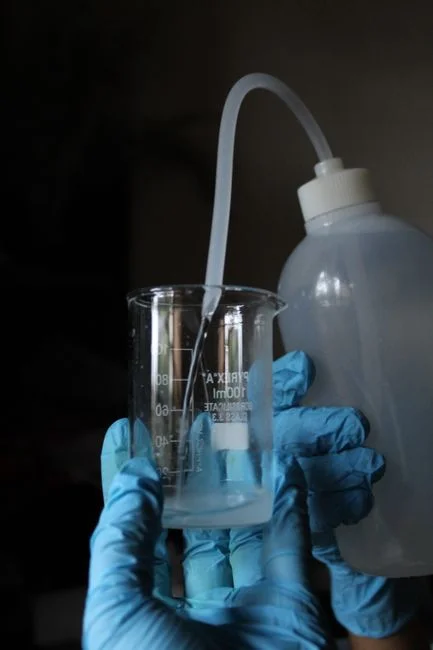
Require evidence that the biological route can tolerate the site’s shock loads and inhibitory conditions before accepting a reactor size. Direct biological treatment can become unstable when microorganisms face sudden load changes or inhibitory substances, while a low BOD/COD ratio can reduce conventional aerobic effectiveness (GL Environment). A favorable average COD result does not resolve that risk.
Request treatability or pilot testing for refractory, toxic or inhibitory streams. During performance acceptance testing, measure COD, BOD, pH, temperature, dissolved oxygen, toxicity and flow at the agreed sampling points. Record these values with the operating condition and production batch they represent; otherwise, a percentage removal claim cannot be compared fairly between suppliers.
For a proposed MBR stage, review how MBR membrane bioreactors work, then obtain evidence for membrane cleaning, replacement provision, power interruption and solids handling. Reviewing the technology is not a substitute for proving the actual wastewater response.
Build a comparable supplier quotation
Price the same complete scope from every supplier. The RFQ must state the design flow, COD and BOD loads, treatment objective, receiving route, available footprint, utilities, automation level and residual-sludge destination. Mark each item as included, excluded or supplied by others, and identify which party owns connections, access, permits and operating costs.
| Quote line item | Technical scope to specify | Red flags to check before signing |
|---|---|---|
| Process design basis | Average and peak flow, COD and BOD loads, BOD/COD ratio, pH, temperature, salinity, suspended solids, oil and grease, toxicity and operating schedule. | Equipment is sized from COD concentration alone, or batch and peak discharges are omitted. |
| Industrial wastewater pretreatment | Equalization duty, solids or oil removal, screens, pumping, controls and the destination of separated waste. | Clarifiers or an industrial DAF pretreatment system are shown without performance duty or sludge-disposal responsibility. |
| Anaerobic and aerobic treatment | Selected reactor types, hydraulic and organic loading basis, biological acclimatization, aeration, controls and redundancy. | No reactor volume or duty basis is disclosed, or guarantees assume conditions the site has not demonstrated. |
| Polishing, disinfection and reuse equipment | Named unit operations, final COD and BOD requirements, membranes or carbon, disinfection, monitoring and concentrate handling where applicable. | An MBR membrane bioreactor wastewater system is treated as automatically reusable without a defined reuse specification. |
| Civil work, utilities and installation | Foundations, buildings, piping, electrical supply, drainage, underground utilities, access, construction interfaces and operator facilities. | Civil or utility work is described vaguely as “by others” without boundaries or the buyer’s cost exposure. |
| Commissioning and handover | Start-up, performance testing, operator training, mechanical completion, documentation, spare parts and local or remote support. | Start-up is excluded, training is not defined, or no responsible party is named for performance failures. |
| Sludge and operational costs | Sludge generation, dewatering, transport, final destination, consumables, energy, chemicals, membrane replacement and service visits. | The quote covers equipment supply but excludes recurring treatment costs or the residual-waste disposal route. |
Require each supplier to disclose untested assumptions and propose confirmatory testing. Ask how shock loads, toxicity, salinity and variable pH will be controlled, and whether any proposed guarantee depends on operating outside the stated design basis. Treat a single COD removal percentage without influent conditions, a test protocol and an effluent limit as an incomplete acceptance criterion.
Confirm performance before acceptance
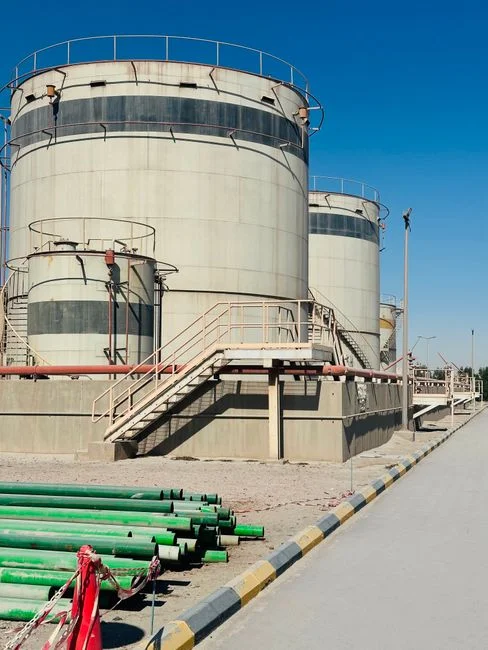
Define performance against the confirmed discharge or reuse requirement before contract signature. For COD and BOD, decide whether the contractual result will be expressed as a concentration limit, a removal percentage, or both. Use representative influent conditions and agreed sampling points. During the test, document flow, pH, temperature, dissolved oxygen, nutrients and any trace-contaminant data required by the receiving route.
For reuse, identify the additional unit operations and membrane acceptance tests required; do not treat MBR effluent as automatically reusable. Make startup, performance testing, operator training, mechanical completion and compliance records explicit handover conditions. The data-center water-treatment equipment RFQ checklist can support the document-control structure, while the acceptance terms must remain specific to the industrial stream.
Include a remedy for failure to meet the agreed criteria. The contract should state who investigates, who pays for corrective work or retesting, and when the plant is considered accepted. Tie final payment or retention to the specified test rather than to completion of equipment delivery alone.
Related Equipment
- industrial DAF pretreatment system — specifications, capacity range, and technical data
- MBR membrane bioreactor wastewater system — specifications, capacity range, and technical data
Frequently Asked Questions
How should a high-COD industrial wastewater treatment system in Eritrea be sized?
Size it from flow and organic-load ranges, not COD concentration alone. Request average and peak flow, COD and BOD loads, BOD/COD ratio, suspended solids, oil and grease, pH, temperature, salinity, toxicity and the production schedule. Then ask the supplier to state which design values govern equipment capacity and which performance values depend on those site conditions.
Which performance figures should be measured, guaranteed or treated as conditional?
Ask the supplier to label each figure as measured, guaranteed or conditional. A COD removal percentage without the influent condition, operating condition, sampling location, test method and applicable effluent limit is incomplete. Request the underlying test record and identify which changes in flow, composition, temperature, pH or toxicity would affect the guarantee.
What should be separated when comparing equipment price and budget?
Request separate prices for equipment, civil work, installation, utilities, commissioning, operator training, sludge handling, chemicals, energy, consumables, membrane replacement and service support. Also require the inputs needed to estimate operating costs: flow, COD load, selected process, anticipated chemical use, aeration demand, sludge production and residual-waste destination. No reliable total budget can be prepared until those items are defined.
How does the discharge or reuse route affect supplier selection and final acceptance?
Confirm the receiving authority, permit evidence and final reuse or discharge specification before comparing guarantees. The route determines the sampling points, required parameters and whether polishing, disinfection or membrane tests belong in the scope. Ask the supplier to map each contractual guarantee to the confirmed requirement and the performance acceptance test that will verify it.