Package Wastewater Treatment Plants in Wisconsin USA: 2025 Engineering Guide with Costs, Compliance & Supplier Checklist
Package wastewater treatment plants in Wisconsin offer a compact, cost-effective solution for municipalities and industries facing space constraints or decentralized needs. In 2025, Wisconsin’s 100+ municipal WWTPs (per WI DNR) must comply with stringent nutrient limits (e.g., <1 mg/L total phosphorus for Lake Michigan discharges) and PFAS monitoring, making pre-engineered package systems an attractive alternative to conventional plants. Typical Wisconsin projects range from $250K (50 m³/day industrial system) to $5M (2,000 m³/day municipal plant), with Clean Water Fund loans covering up to 80% of costs at low interest rates. This guide provides Wisconsin-specific technical specs, compliance checklists, and supplier evaluation criteria to streamline procurement.
Why Wisconsin Municipalities and Industries Are Choosing Package Wastewater Treatment Plants in 2025
Wisconsin’s wastewater infrastructure faces significant challenges in 2025, driving increased adoption of efficient, compact package treatment solutions. Many facilities, like Manitowoc’s 1940 plant, are aging and struggle to meet modern discharge standards. The Wisconsin Department of Natural Resources (WI DNR) issued a 2019 letter to over 100 municipal wastewater facilities, initiating PFAS monitoring requirements, while nutrient limits, such as <1 mg/L total phosphorus for discharges into Lake Michigan, demand advanced treatment. These pressures, coupled with rising operational costs and limited space for expansion, position package wastewater treatment plants as a viable alternative to conventional, large-scale builds. Package plants offer a 60% smaller footprint compared to traditional activated sludge systems and can achieve 30–50% faster installation, often completing projects in 6 months compared to 2 years for conventional plants. For instance, the Village of Oregon’s $23.6M WWTP upgrade, a generational investment planned for 2025, highlights the scale of infrastructure needs, though a package plant alternative could offer similar capacity (5.16 MGD) with reduced construction timelines and potentially lower initial capital outlays. The financial landscape supports this shift, with Clean Water Fund (CWF) loans covering up to 80% of eligible project costs at low interest rates during the 2025/2026 cycles, and the State of Wisconsin often covers proportional costs for institutional connections like Oakhill Correctional Institution.
Package Wastewater Treatment Plant Technologies: How They Work and Which Is Right for Wisconsin
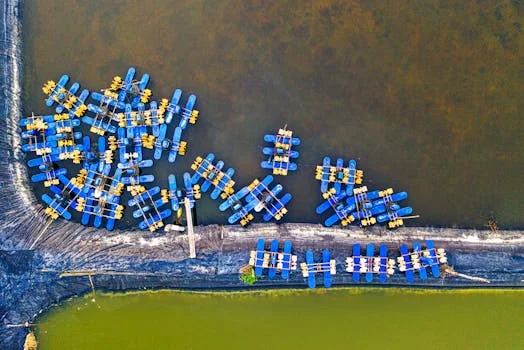
Selecting the right package wastewater treatment plant technology is critical for meeting Wisconsin’s diverse treatment challenges, including cold climates, varied industrial influent, and stringent nutrient removal requirements. Each technology offers distinct advantages for specific applications.
- MBR (Membrane Bioreactor): MBR systems integrate biological treatment with membrane filtration (typically 0.1 μm), consistently producing high-quality effluent with <5 mg/L BOD and TSS. This makes MBR systems ideal for Wisconsin’s stringent nutrient limits (<1 mg/L TP) and applications requiring water reuse or discharge into sensitive receiving waters like Lake Michigan. While MBRs have a higher energy consumption (0.8–1.2 kWh/m³) compared to other package plants, their compact footprint and superior effluent quality often justify the investment, especially in urban or space-constrained areas.
- SBR (Sequencing Batch Reactor): SBRs operate in a batch mode, performing equalization, aeration, and clarification in a single tank. This process achieves over 95% BOD removal and is highly effective at handling variable flows and loads, making it suitable for communities with seasonal tourism, such as those in Door County. SBRs typically require a footprint 30% smaller than conventional activated sludge systems.
- A/O (Anoxic/Oxic): The Anoxic/Oxic process is a two-stage biological treatment specifically designed for nitrogen removal, which is critical for meeting WI DNR’s <10 mg/L total nitrogen (TN) limits. This system typically achieves 85–90% TN removal and 90–95% total phosphorus (TP) removal, often with the aid of chemical addition (e.g., alum or ferric chloride) for enhanced TP precipitation.
- Extended Aeration: This is a simpler, low-maintenance activated sludge process suitable for small communities or facilities with populations equivalent to less than 500 people. Extended aeration systems are known for their operational stability and resilience to shock loads. For example, the Hortonville WWTP, per the DNR list, utilizes extended aeration for its 0.5 MGD capacity.
For Wisconsin’s cold climate, all package plant technologies require specific adaptations to maintain efficiency. These include insulated tanks, heat tracing for pipes to prevent freezing, and winterized aeration systems, such as diffusers with anti-icing coatings, to ensure consistent biological activity even in sub-zero conditions.
| Technology | Effluent Quality (BOD/TSS) | Footprint Reduction (vs. Conventional) | Typical Energy Use (kWh/m³) | Nutrient Removal (TN/TP) | Suitability for Wisconsin |
|---|---|---|---|---|---|
| MBR | <5 mg/L | Significant (70%+) | 0.8–1.2 | High (with biological N/P) | High; sensitive waters, reuse, tight limits |
| SBR | <10 mg/L | Moderate (30%) | 0.5–0.8 | Good (with sequencing) | High; variable flows, seasonal loads |
| A/O | <20 mg/L | Moderate (20%) | 0.4–0.7 | Very Good (85-90% TN, 90-95% TP) | High; nitrogen-sensitive inland waters |
| Extended Aeration | <30 mg/L | Low (10-15%) | 0.3–0.5 | Limited | Moderate; small communities, low-maintenance needs |
Wisconsin-Specific Compliance: WI DNR Permits, PFAS Limits, and Nutrient Removal Requirements
Achieving compliance with Wisconsin’s stringent environmental regulations is a primary driver for wastewater infrastructure investments. Municipalities and industries operating package wastewater treatment plants must navigate specific WI DNR permit types and discharge limits to avoid penalties. The primary permit required for discharges to surface waters is the WPDES (Wisconsin Pollutant Discharge Elimination System) permit. For systems involving land application of treated effluent, a separate groundwater permit is necessary.
PFAS monitoring is a critical concern, especially since the 2019 WI DNR letter mandated quarterly testing for 24 PFAS compounds (including PFOA and PFOS) for over 100 facilities. Package plants employing advanced treatment steps, such as granular activated carbon (GAC) filters or advanced oxidation processes, can effectively reduce PFAS concentrations to below the WI DNR’s interim standard of <20 ppt for PFOA/PFOS.
Nutrient limits are another significant compliance hurdle. Discharges into Lake Michigan, for example, often require total phosphorus (TP) concentrations of <1 mg/L, as demonstrated by facilities like MMSD’s Jones Island. For inland waters, total nitrogen (TN) limits can be as low as <10 mg/L. Achieving these low levels typically necessitates advanced biological nutrient removal processes, often supplemented by chemical dosing with coagulants like alum or ferric chloride for enhanced TP compliance. For disinfection, particularly after advanced treatment, systems like chlorine dioxide generators can be integrated to meet pathogen reduction goals.
Industrial pretreatment is also a key consideration for facilities discharging to municipal sewers. Wisconsin industries, such as cheese processing or metal finishing, must meet categorical limits for pollutants like BOD, TSS, and heavy metals. For instance, dairy operations often face limits of <250 mg/L BOD. Package plants equipped with pre-treatment technologies like DAF pre-treatment for Wisconsin’s industrial wastewater can effectively reduce these pollutant loads, helping industries avoid municipal sewer surcharges. The permit timeline for new WPDES permits typically ranges from 6 to 12 months, though the process can be expedited for package plants utilizing pre-approved designs, such as those certified to NSF/ANSI 40 standards.
Cost Breakdown: Package Wastewater Treatment Plants in Wisconsin (2025 Data)
Understanding the full lifecycle costs of package wastewater treatment plants is essential for accurate budgeting and project justification in Wisconsin. Capital costs for package plants typically range from $5,000–$10,000 per cubic meter per day (m³/day) of capacity. This translates to approximately $250K for a 50 m³/day industrial system and up to $5M for a 2,000 m³/day municipal plant. For context, the Village of Oregon’s $23.6M conventional WWTP upgrade, designed for 5.16 MGD (approximately 19,500 m³/day), equates to about $1,210 per m³/day or $4.58 per gallon capacity, highlighting the significant capital investment for larger, custom-built facilities. How Wisconsin’s package plant costs compare to other U.S. states can vary based on local labor, materials, and regulatory demands.
Operational and Maintenance (O&M) costs for package plants in Wisconsin generally fall between $0.30–$0.80 per m³. MBR systems, due to membrane cleaning and replacement, tend to be on the higher end at around $0.80/m³, while SBRs average $0.50/m³, and extended aeration systems are typically lower at $0.30/m³. Wisconsin’s cold climate can increase energy consumption by 15–20% for heating, insulation, and anti-icing measures, impacting these O&M figures.
Several funding sources are available to mitigate these costs. The Clean Water Fund (CWF) offers low-interest, 20-year term loans covering up to 80% of eligible project costs. Additionally, USDA Rural Development grants can cover up to 75% of costs for communities with populations under 10,000 people. WI DNR also provides municipal grants specifically for PFAS mitigation projects, recognizing the significant financial burden of addressing emerging contaminants. The return on investment (ROI) for package plants is driven by several factors, including reduced sewer surcharges (e.g., $0.50–$2.00/1,000 gallons for industrial users), avoided WI DNR fines (up to $10,000/day for permit violations), and potential revenue from water reuse for non-potable applications like irrigation or cooling towers. Global best practices for package plant procurement often emphasize a holistic cost-benefit analysis.
| Cost Category | Typical Range in Wisconsin (2025) | Notes for WI Context |
|---|---|---|
| Capital Cost (per m³/day capacity) | $5,000–$10,000 | Example: $250K for 50 m³/day industrial; $5M for 2,000 m³/day municipal. Oregon's $23.6M project for 19,500 m³/day. |
| O&M Cost (per m³) | $0.30–$0.80 | MBR: $0.80/m³; SBR: $0.50/m³; Extended Aeration: $0.30/m³. Cold climate increases energy by 15-20%. |
| Clean Water Fund Loan Coverage | Up to 80% of project costs | Low interest, 20-year terms (2025/2026 cycles). |
| USDA Rural Development Grants | Up to 75% of costs | For communities <10,000 PE. |
| WI DNR PFAS Mitigation Grants | Variable | Specific funding for PFAS treatment solutions. |
| Avoided Fines (WI DNR) | Up to $10,000/day | For permit violations. |
Supplier Selection Checklist: How to Evaluate Package Wastewater Treatment Plant Vendors for Wisconsin Projects
Selecting the right package wastewater treatment plant vendor is a critical step that requires a structured evaluation against Wisconsin-specific criteria. A thorough vetting process ensures the chosen system will meet technical requirements, comply with regulations, and operate reliably in the state’s unique environmental conditions.
- Technical Qualifications: Verify that the vendor holds NSF/ANSI 40 certification for their package plant designs, indicating adherence to performance standards. Request Wisconsin project references, specifically asking if the vendor has installed a system for facilities on the WI DNR’s 2019 PFAS monitoring list or similar demanding applications. Crucially, assess their cold climate experience, looking for evidence of systems successfully operating in conditions as low as -20°F, potentially including WSZ series underground package plants for Wisconsin’s cold climate that offer inherent insulation.
- Compliance Support: A strong vendor should provide comprehensive support for navigating WI DNR regulations. Inquire if they offer WPDES permit application assistance, guidance on PFAS testing protocols, and written guarantees for nutrient removal (e.g., <1 mg/L TP, <10 mg/L TN) specific to your project's discharge limits.
- Cost Transparency: Demand itemized quotes that clearly separate equipment costs, installation services, commissioning, and operator training. Request detailed O&M cost projections, including anticipated energy consumption, chemical usage, and the lifespan and replacement costs for components like membranes.
- Warranty and Service: Confirm a minimum 2-year equipment warranty as standard. For MBR systems, a 5-year membrane warranty is considered premium. Evaluate the vendor's service network in Wisconsin, seeking local service partners or trained technicians in key areas like Milwaukee, Madison, or Green Bay, to ensure prompt support and minimize downtime.
- Case Studies: Ask for Wisconsin-specific case studies that demonstrate the vendor's ability to meet local challenges. For example, request documentation of a package plant installed in a WI DNR-listed facility that consistently achieves <1 mg/L TP compliance or successfully addresses industrial wastewater pretreatment needs.
Frequently Asked Questions
This section addresses common inquiries about package wastewater treatment plants in Wisconsin, drawing on data and regulatory specifics.
What is the difference between a package wastewater treatment plant and a conventional plant?
Package plants are pre-engineered, modular systems that integrate multiple treatment processes into a compact unit, typically requiring a 60% smaller footprint and offering 30–50% faster installation (e.g., 6 months vs. 2 years for a project like Oregon’s $23.6M upgrade). Conventional plants are custom-designed, site-built facilities that generally offer higher capacity (e.g., MMSD’s 150 MGD Jones Island facility) but demand greater land area and longer construction timelines.
How much does a package wastewater treatment plant cost in Wisconsin?
Capital costs for package plants in Wisconsin range from $250K for a 50 m³/day industrial system to $5M for a 2,000 m³/day municipal plant, which equates to $5,000–$10,000 per m³/day capacity. O&M costs typically range from $0.30–$0.80 per m³. Clean Water Fund loans are a major funding source, covering up to 80% of project costs at low interest rates.
What are Wisconsin’s PFAS limits for wastewater treatment plants?
The WI DNR’s interim standard for PFAS in wastewater discharges is <20 ppt for PFOA/PFOS. Facilities on the 2019 DNR monitoring list must test for 24 PFAS compounds quarterly. Package plants equipped with advanced treatment technologies, such as granular activated carbon (GAC) filters or advanced oxidation processes, are effective in achieving compliance with these limits.
Can a package plant handle Wisconsin’s cold climate?
Yes, package plants can be specifically engineered for Wisconsin’s cold climate. Essential adaptations include insulated tanks, heat tracing for critical pipes to prevent freezing, and winterized aeration systems, such as diffusers with anti-icing coatings, to maintain biological activity. When selecting a vendor, look for proven experience with systems operating reliably in temperatures as low as -20°F.
What permits are required for a package wastewater treatment plant in Wisconsin?
For discharges to surface waters, a WPDES (Wisconsin Pollutant Discharge Elimination System) permit is required. If land application of treated effluent is planned, a groundwater permit is also necessary. The typical timeline for securing new WPDES permits is 6–12 months, though this process can be expedited for package plants that utilize pre-approved designs, such as those certified to NSF/ANSI 40 standards.