Introduction: Navigating Wastewater Treatment for Your Small Factory
The best wastewater treatment system for a small factory delivers 95%+ contaminant removal in under 50 m², meets local effluent discharge standards, and costs 30-50% less than municipal sewer fees. For example, a 1,000 m³/day food processing plant can cut COD from 2,000 mg/L to under 60 mg/L with a compact MBR system, reducing its footprint and costs.
Defining "Best": Key Criteria for Small Factory Wastewater Systems
Defining the "best" wastewater treatment system for a small factory involves evaluating several critical factors, including effluent characteristics, available space, budget, and regulatory compliance. The optimal system balances these elements to provide effective contaminant removal, minimal operational costs, and adherence to local discharge standards.
Effluent Characteristics and Flow Rate
Understanding the chemical composition and flow rate of the wastewater is crucial. This includes analyzing parameters like COD, BOD, TSS, pH, and the presence of heavy metals or oils. For instance, a small food processing plant might generate wastewater high in organic matter, while a metal finishing facility will produce effluent with high concentrations of heavy metals.
Available Space and Footprint
Compact treatment systems are often necessary for small factories with limited space. Solutions like membrane bioreactors (MBR) or dissolved air flotation (DAF) systems can efficiently utilize available space, with some systems capable of being installed underground to minimize footprint.
Budget: Capital Expenditure (CAPEX) vs. Operational Expenditure (OPEX)
A cost-effective wastewater treatment system balances initial investment (CAPEX) with ongoing operational costs (OPEX). While a lower CAPEX might seem appealing, high OPEX due to inefficient processes can negate initial savings. Implementing solutions like automatic chemical dosing systems can optimize chemical use, reducing OPEX and improving process stability.
Top Wastewater Treatment Technologies for Small Industrial Operations

Selecting the right wastewater treatment system for a small factory requires balancing performance, footprint, and operational simplicity. Key technologies include package biological systems (A/O, SBR), membrane bioreactors (MBR), dissolved air flotation (DAF), physical-chemical treatment, and ancillary systems for equalization and sludge management.
1. Package Biological Systems (A/O, SBR)
Package biological systems integrate multiple treatment stages into a single unit, ideal for factories with space constraints. They excel in handling organic-rich effluents, with BOD removal rates of 90–95%. However, they require skilled operation and can be sensitive to shock loads.
2. Membrane Bioreactors (MBR)
MBR systems combine biological treatment with membrane filtration, producing high-quality effluent suitable for reuse. They are compact, achieving superior contaminant removal (99%+ for suspended solids), but demand higher capital investment and maintenance due to membrane fouling.
3. Dissolved Air Flotation (DAF)
DAF systems offer rapid separation of contaminants using microbubbles, suitable for factories generating oily or suspended-solid-laden wastewater. They achieve 95% removal of oils and greases and 80–90% TSS reduction, with a small footprint.
Matching the Right System to Your Factory's Specific Effluent & Needs
Matching the right wastewater treatment system to a small factory's specific effluent characteristics and operational needs is crucial. This involves analyzing effluent composition, considering space constraints, ensuring regulatory compliance, and planning for future scalability and automation.
1. Effluent Analysis: The Foundation of System Selection
Effluent analysis is the foundation of selecting the right treatment technology. Parameters such as COD, BOD, TSS, and the presence of heavy metals or oils dictate the required treatment processes. For example, high COD demands biological or advanced oxidation processes, while elevated BOD requires robust biological treatment.
2. Space Constraints: Compact Systems for Tight Footprints
Compact treatment systems are essential for small factories with limited space. Options include membrane bioreactors (MBR), dissolved air flotation (DAF), sequencing batch reactors (SBR), and package plants. These systems minimize footprint while maintaining treatment efficiency.
HydropureWater's Tailored Solutions for Small Factories
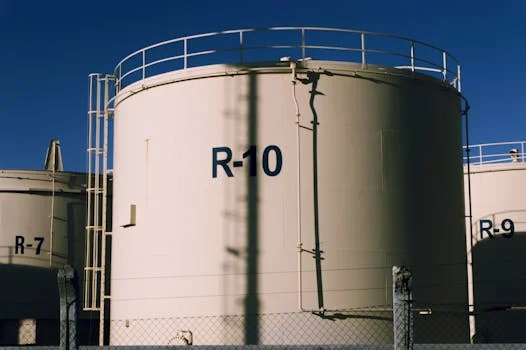
HydropureWater specializes in transforming complex industrial wastewater solutions into practical, compact treatment systems for small factories. The company understands that the best wastewater treatment system for a small factory must be space-efficient, operationally simple, and financially viable, while ensuring compliance with stringent effluent discharge standards.
Customized Package Wastewater Plants for Diverse Needs
HydropureWater provides pre-engineered and modular package wastewater plants that reduce installation time and footprint. These systems handle varying flow rates and contaminant loads, making them ideal for small-scale industrial wastewater treatment across sectors like food, textiles, and chemical manufacturing.
Cost Considerations: Understanding Investment vs. Operating Expenses
The true cost of a wastewater treatment system for a small factory includes both the initial investment (CAPEX) and ongoing operational costs (OPEX). CAPEX covers equipment, installation, and civil works, while OPEX includes energy, chemicals, and maintenance. Balancing these costs is crucial for a cost-effective solution.
FAQ: Your Questions About Small Factory Wastewater Treatment Answered
What’s the smallest wastewater treatment system that meets industrial compliance for a small factory?
The smallest compliant systems for small factories typically handle 5–50 m³/day and use compact technologies like membrane bioreactors (MBR) or dissolved air flotation (DAF). These systems achieve high effluent quality while minimizing footprint and costs.
How much does a cost-effective wastewater treatment system cost for a small factory?
Costs vary by technology and flow rate, but small factories can expect to pay between $20,000 to $150,000 for compact treatment systems like MBRs or DAF units, depending on the flow rate and effluent complexity. OPEX can range from 10% to 30% of CAPEX annually.
Is an MBR system overkill for a small factory, or is it worth the investment?
MBR systems are ideal for small factories with strict effluent limits or limited space. While they cost more upfront than conventional activated sludge (CAS), they offer superior performance, compactness, and potential for water reuse, making them a worthwhile investment for many small factories.
Related Products
Based on the topics discussed, you may be interested in the following equipment solutions:
- Dissolved Air Flotation (DAF) System — View detailed specifications and technical data
Need more information or a custom quote? Request a Quote or contact our team today.