Costa Rica’s Wastewater Treatment Landscape: Regulations, Challenges, and Opportunities
MINAE Decreto 33601-S mandates that municipal effluent must maintain a Biochemical Oxygen Demand (BOD) below 30 mg/L and Total Suspended Solids (TSS) under 35 mg/L to protect the nation’s watershed integrity. For a sugar mill operator in Guanacaste, these limits are even more stringent, with Chemical Oxygen Demand (COD) often capped at 150 mg/L to prevent the eutrophication of local river systems. Costa Rica’s sewage treatment equipment market is shaped by these strict MINAE discharge limits and diverse industrial needs—from coffee processing to eco-tourism. Leading suppliers offer modular systems like MBR (membrane bioreactors) for space-constrained sites and DAF (dissolved air flotation) for high-FOG wastewater. This guide compares 5+ suppliers, technical specs, and 2025 cost data to help buyers align equipment with local compliance and project budgets.
The primary challenge for industrial operators in regions like Monteverde or the Osa Peninsula is the combination of remote geography and high organic loads. Coffee and sugar processing generate seasonal spikes in wastewater volume that can overwhelm conventional activated sludge plants. Costa Rica’s commitment to carbon neutrality by 2050 has accelerated the adoption of energy-efficient MBR systems that minimize the operational carbon footprint. Under Ley 9518, the "Law for the Promotion of Water Reuse," companies can access financial incentives for implementing advanced filtration that allows treated effluent to be reused for irrigation or industrial cooling, effectively turning a compliance cost into a resource recovery opportunity.
| Parameter | Municipal Limit (Decreto 33601-S) | Industrial (Sugar/Coffee) Limit | Typical Equipment Solution |
|---|---|---|---|
| BOD5 (mg/L) | < 30 | < 50 | MBR / WSZ Series |
| TSS (mg/L) | < 35 | < 40 | DAF / Plate-Frame Filter |
| COD (mg/L) | < 150 | < 150 - 250 | Two-stage Aerobic Digestion |
| FOG (mg/L) | < 30 | < 10 | DAF |
Sewage Treatment Equipment Types: Technical Specs and Use Cases for Costa Rica
Dissolved Air Flotation (DAF) systems achieve 90-95% TSS removal in industrial applications, making them the standard for Costa Rica’s high-FOG sectors like banana packing and dairy processing. The DAF systems handle flow rates from 4 to 300 m³/h, utilizing micro-bubbles to loft suspended solids to the surface for mechanical skimming. For industrial engineers, the high-efficiency DAF systems for Costa Rica’s food processing and pulp/paper industries offer a robust solution for pre-treatment before biological stages, ensuring that downstream membranes or lagoons are not fouled by oils. Detailed technical specifications for DAF systems in industrial wastewater treatment confirm that these units are essential for meeting the FOG limits set by MINAE.
In urban centers like San José or sensitive eco-zones, Membrane Bioreactor (MBR) systems are preferred due to their 60% smaller footprint compared to conventional plants. These systems produce high-quality effluent with a turbidity of less than 1 NTU and BOD removal rates exceeding 98%. The compact MBR systems for space-constrained sites in Costa Rica are particularly effective for "Class A" water reuse applications. For smaller, remote installations such as eco-lodges in Monteverde, fully automated underground sewage treatment plants for remote communities (WSZ Series) provide a "set-and-forget" solution. These units handle 1–80 m³/h and operate without a full-time onsite technician, using PLC-controlled aeration to manage fluctuating seasonal loads from tourism.
Completing the treatment train requires precise chemical dosing and sludge management. PLC-controlled chemical dosing systems provide 0.1–500 L/h flow rates for pH adjustment and coagulant injection, which is critical for the variable pH levels found in coffee processing effluent. To handle the resulting biological and chemical solids, sludge dewatering solutions for Costa Rica’s wastewater treatment plants, such as plate-frame filter presses with 1–500 m² filtration areas, achieve 95–98% solids capture. This significantly reduces the volume of waste that must be transported to landfills, lowering OPEX for municipal planners.
| Equipment Type | Flow Rate Range | Removal Efficiency (BOD/TSS) | Best Application in Costa Rica |
|---|---|---|---|
| DAF | 4–300 m³/h | 90% TSS / 85% FOG | Banana packing, Pulp & Paper |
| MBR Integrated | 10–2,000 m³/day | 98% BOD / 99% TSS | Hotels, Urban Reuse Projects |
| WSZ Underground | 1–80 m³/h | 90% BOD / 85% TSS | Eco-lodges, Rural Schools |
| Filter Press | 1–500 m² (Area) | 98% Solids Capture | Municipal Sludge Management |
Top Sewage Treatment Equipment Suppliers in Costa Rica: 2025 Comparison
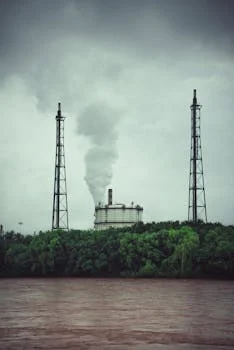
The 2025 supplier market in Costa Rica is divided between local turnkey integrators focusing on civil works and international equipment manufacturers providing specialized MBR and DAF hardware. AquaTec Solutions has established a strong presence in the northern highlands, specializing in compact units for communities with limited infrastructure. Their projects, such as the modular plant in Monteverde, demonstrate a capacity to treat 5,000 liters per day with minimal energy consumption, though their focus is primarily on municipal rather than heavy industrial effluent. CleanFlow Engineering, by contrast, targets the Guanacaste sugar industry with two-stage aerobic digestion systems designed to break down thick organic sludge 30% faster than standard anaerobic lagoons.
Pure Aqua, Inc. brings over 20 years of global experience to the Costa Rican market, particularly in the realm of brackish water treatment and Reverse Osmosis (RO). While their primary strength lies in water purification, their RO/NF systems are frequently paired with MBR effluent for high-purity industrial reuse. For healthcare facilities, specialized hospital wastewater treatment solutions for Costa Rica’s healthcare sector are required to manage pathogens and pharmaceutical residues. HydropureWater serves the industrial sector (textile, petrochemical, and food) by providing customizable DAF and MBR hardware that integrates directly with local SCADA systems, ensuring compliance with MINAE discharge permits through real-time monitoring.
| Supplier | Specialization | Key Project Type | Compliance Strength |
|---|---|---|---|
| AquaTec Solutions | Compact Municipal | Remote communities | High (Low-energy focus) |
| CleanFlow Eng. | High-Load Industrial | Sugar & Coffee mills | High (Solids breakdown) |
| Pure Aqua, Inc. | Membrane Filtration | Industrial Reuse / RO | Excellent (Water reuse) |
| HydropureWater Env. | DAF/MBR Hardware | Textile & Petrochemical | High (Customized specs) |
| EcoWater Tech. | Turnkey Resorts | Hotels & Tourism | Moderate (Seasonal load) |
How to Evaluate Suppliers: A Decision Framework for Costa Rica Projects
Selecting a sewage treatment equipment supplier in Costa Rica requires a five-step technical audit that aligns influent chemistry with the specific biological or physical-chemical capacity of the system. Procurement managers must first define the influent parameters—BOD, COD, TSS, and FOG—based on laboratory testing of the raw waste stream. This data determines whether a physical-chemical process like DAF is required as a buffer before biological treatment. If the site is a space-constrained hotel in Manuel Antonio, the decision matrix should prioritize MBR systems for their footprint efficiency; however, if the site is a large-scale agricultural facility, a combination of DAF and anaerobic digestion may be more cost-effective.
Verification of supplier experience within the specific Costa Rican sector is the third critical step. A supplier successful in municipal sewage may lack the expertise to handle the high polyphenols found in coffee processing wastewater. Buyers should request case studies that specifically mention MINAE compliance track records. Step four involves a detailed CAPEX/OPEX comparison. While MBR systems carry a higher initial investment ($1,500–$3,000/m³/day), their ability to produce reusable water can offset costs under Ley 9518. Finally, assess the availability of local after-sales support. Given the humidity and corrosive coastal environments in Costa Rica, ensure the supplier provides stainless steel (SS304/316) components or specialized coatings and has a local inventory of membrane modules and PLC spare parts.
Cost Breakdown: Sewage Treatment Equipment in Costa Rica (2025 Data)
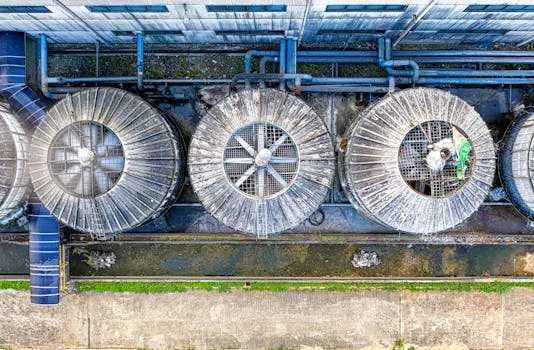
The capital expenditure (CAPEX) for modular sewage treatment in Costa Rica typically ranges from $1,500 to $3,000 per m³/day for MBR systems, depending on the level of automation and pre-treatment required. Compact WSZ underground systems for smaller flows (1–80 m³/h) are priced between $20,000 and $150,000, making them an accessible option for developers of eco-lodges and rural housing projects. DAF systems, essential for industrial pre-treatment, range from $500 to $1,200 per m³/h. These costs exclude civil works, which in Costa Rica can add 30-50% to the total project budget due to the need for seismic-resistant concrete structures and environmental impact assessments (EIA).
Operational expenditure (OPEX) is primarily driven by energy and chemical consumption. MBR systems consume between 0.8 and 1.2 kWh per cubic meter of treated water, while chemical dosing for coagulation and flocculation typically costs $0.10 to $0.30 per m³. Sludge disposal remains a significant variable, with costs ranging from $50 to $150 per ton for transport and landfilling. However, the return on investment (ROI) is increasingly favorable; water reuse incentives and the avoidance of MINAE fines—which can reach tens of thousands of dollars for persistent non-compliance—provide a payback period of 3 to 5 years for most industrial upgrades. Hidden costs such as MINAE permitting and environmental impact assessments should be budgeted at $5,000 to $20,000 depending on the project scale.
| Equipment Category | CAPEX Range (USD) | OPEX (Energy/m³) |
|---|