Start with the discharge route and project constraints
A buried A/O package plant is generally the simpler option for residential projects in Laos when the site has an adequate footprint, suitable soils, and a straightforward effluent route. A containerized MBR becomes more relevant when the development needs a smaller footprint, high-quality effluent, or water reuse. The decision should be based on average and peak flow, organic loading, nitrogen requirements, soil and flood conditions, and the receiving environment—not on nominal capacity alone. Luang Prabang currently includes decentralised wastewater design at three priority sites within a wider 22-site programme, confirming the need for project-specific design rather than an off-the-shelf assumption.
Confirm the discharge destination and the approval basis before beginning technical design. The project consultant should identify whether sewage will enter a sewer, discharge to a receiving water, go to an infiltration area, or be reused. The available evidence does not establish the applicable Laos discharge limits, approving authority, retention requirement, or environmental conditions, so those items must be confirmed rather than assumed. This prevents a packaged sewage treatment plant for residential projects in Laos from being compared on the wrong basis: a treatment package may be suitable in principle but unusable if the receiving route or approval is unresolved.
Obtain the design population, connected unit or plot count, occupancy pattern, projected growth, average and peak domestic wastewater flow in m³/day, and the proportion of black-water and grey-water. Request representative influent data for COD, BOD, suspended solids, ammonia and total nitrogen. These inputs distinguish a decentralized wastewater treatment system sized for a few houses from one intended to serve a residential development, and they allow bidders to state their process assumptions.
Resolve the hydraulic profile, compartment geometry, ventilation, desludging, access, and constructability to prepare for a tender-ready design. WTA is supporting detailed design of decentralised wastewater treatment systems for sites D02, D04 and D22 within a wider 22-site programme in Luang Prabang. That work illustrates the scope needed before procurement: process calculations, plans, quantities, and site constraints must be checked against one another rather than relying on a nominal package capacity. A residential packaged sewage treatment route comparison can support early screening, but it does not replace the Lao project’s own design data.
| Discharge route or influent problem | Governing rule or process option | What data settles it |
|---|---|---|
| Connection to a sewer or infiltration area | Confirm capacity, connection conditions and governing approval criteria before selecting a treatment package. | Written discharge route, available sewer or infiltration capacity, required effluent quality and confirmation from the relevant local authority. |
| Receiving-water discharge | Obtain the applicable criteria and discharge method; do not infer a limit from package-plant literature. | Permit conditions, receiving-water assessment, dilution assumptions and monitoring requirements identified by the project consultant. |
| Reuse of treated wastewater | Define the intended reuse and its separate water-quality requirements before choosing A/O or MBR. | Reuse end use, reuse criteria, demand profile and any public-health or project-specific requirements. |
| Uncertain flow or wastewater composition | Require a design-flow and pollution-load basis; do not procure from house count alone. | Average and peak flow, design population, occupancy pattern, black-water proportion and COD, BOD, suspended solids, ammonia and total nitrogen data. |
Compare buried A/O and containerized MBR package routes
Match the verified treatment duty to site and operating constraints to select the appropriate process. A buried A/O package is the preliminary candidate where gravity drainage, excavation access, and available land permit a low-profile installation. A containerized MBR is the preliminary candidate where footprint is more restrictive, membrane separation is justified by the required effluent quality, or reuse makes advanced separation potentially valuable. Neither route should be accepted until the design flow, pollutant loads, and discharge criteria have been stated.
The buried A/O package sewage treatment plant route integrates biological treatment below ground and can leave the surface available for landscaping, subject to excavation and site suitability. The containerized MBR wastewater system route places membrane treatment in a containerized installation. Because MBR introduces membrane operation, backwash or ancillary equipment, controls, and maintenance requirements, its quotation should identify those items rather than treating the container as the complete treatment scope.
One commercial supplier, BioKube, describes self-contained systems in cylindrical polypropylene containers with capacities ranging from 1 m3 to 18 m3 per day, applications for 7 – 30 houses, small hotels and gated communities, and a typical installation time of 1 – 2 days. These are supplier-specific benchmarks, not guaranteed Laos performance or installation periods. They can help the buyer identify whether a similarly small packaged approach deserves consideration, but they cannot size a Lao residential development without project flow and load data.
The commercial comparison should follow this sequence:
- Calculate and verify average and peak wastewater flow.
- Define the pollutant loads and required nitrogen and solids removal.
- Match those duties to A/O and MBR process configurations.
- Test each configuration against soil, groundwater, flood level, footprint and access.
- Price the complete supply, installation and commissioning scope.
Match the process to footprint, reuse and operating requirements
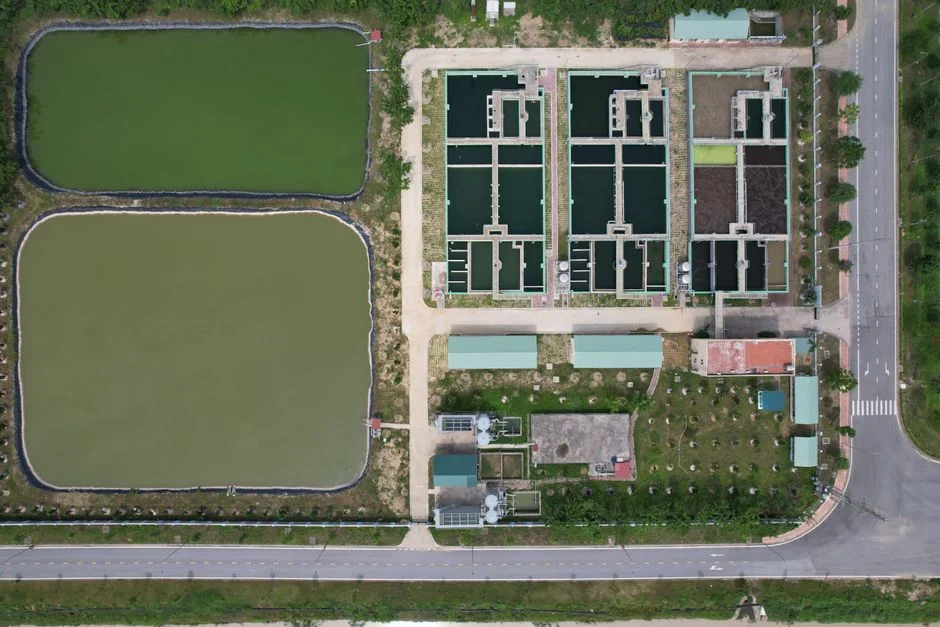
Use a buried A/O package when the site can accommodate excavation and the project can operate and maintain a below-ground biological treatment system. Confirm soil and groundwater conditions, excavation stability, access for tank lifting and installation, gravity drainage, and whether the treated effluent can reach its approved discharge or reuse destination. Surface use remains subject to the design, construction method, and local approval requirements.
Use MBR when the verified effluent duty justifies membrane separation or where available land is insufficient for the selected buried configuration. The required reuse quality must be stated separately: a package designed for irrigation, toilet flushing, or another reuse purpose should be evaluated against that use rather than against a general statement that treated water is reusable. Membrane cleaning, replacement, energy demand, controls, and operator competence must also appear in the comparison.
Request soil investigation, groundwater level, flood level, available footprint, vehicle and crane access, electrical supply, drain routes, utility connections, and any site restrictions. These facts determine whether the package can be delivered, installed, and maintained; they are not administrative details to settle after award. For any solvent-intensive or sludge-handling equipment, require the bidder to explain how spills and residues will be contained.
Ask each supplier to document sludge removal, storage, transport and final disposal, odor control, ventilation, standby power, spare parts, and local operator training. A residential sewage treatment package should have a defined operating envelope and a responsible service route. If the project depends on effluent reuse, also identify storage, distribution, monitoring, and restrictions on public access.
Turn the selected route into an RFQ-ready technical scope
Require bidders to price an auditable process basis, not only a vessel and a quoted flow. Each quotation should state design flow, design population, influent assumptions, hydraulic profile, treatment stages, disinfection method, and expected effluent basis. Ask the bidder to reconcile these statements with its drawings, equipment list, civil design, and operating manual. The A/O, MBR and sewer selection for domestic sewage provides a useful comparison framework, but the governing criteria for the Lao project must come from its own consultant and authorities.
Define the supply boundary in writing. Cover incoming works, equalization, screens or grit removal, biological treatment, clarification, filtration, disinfection, controls, piping, excavation, installation, commissioning, training, and warranty. State whether sludge storage and removal, odor control, standby power, laboratory equipment, commissioning water, electrical upgrades, and site restoration are included. Use the line items below as the commercial review structure.
| Quote line item | Technical scope to specify | Red flags to check before signing |
|---|---|---|
| Design basis | Average and peak flow, design population, occupancy assumptions, wastewater composition, hydraulic profile and expected effluent basis. | A quotation based only on nominal capacity, house count or an unstated average flow. |
| Process equipment | Equalization, biological treatment, solids separation, filtration, disinfection, controls, recirculation, sludge handling and all internal piping. | Omitted ancillaries, membrane replacement provisions, duty/standby arrangements or undefined sludge storage. |
| Civil works and installation | Excavation, foundations, backfill, access covers, connections, lifting, site restoration, utilities and required works outside the container or tank. | “Delivered” wording that leaves excavation, foundations, wiring, testing or connection works to the owner. |
| Commissioning and acceptance | FAT, site acceptance testing, performance demonstration, training, operating manuals, as-built drawings and warranty conditions. | Acceptance based only on delivery or installation, without a defined performance demonstration or corrective-action process. |
| Operation and support | Preventive maintenance, remote support, response arrangements, critical spares, operator competence and sludge-disposal support. | No named local service capability, no spare-parts list and no defined warranty support period. |
Apply the same detailed-design discipline before signature: verify design flows and pollution loads, review hydraulic profiles and compartment geometry, check ventilation and desludging, confirm access and constructability, and define O&M and quality-control requirements. Require the bidder to explain how its proposal addresses each item and how drawings, calculations, and quoted equipment reconcile.
Verify delivery, commissioning and long-term support
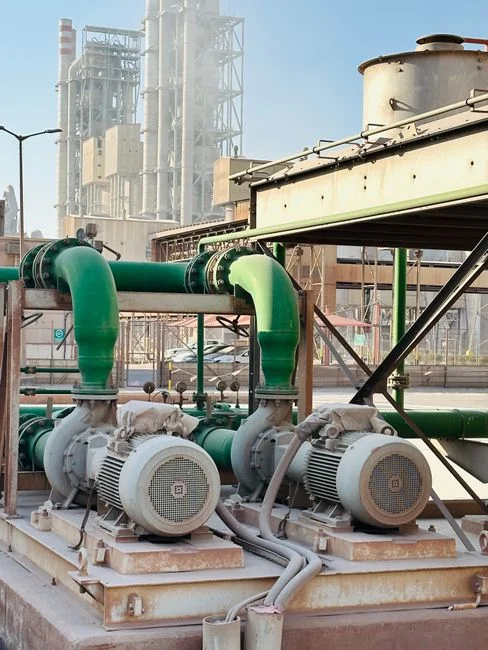
Compare implementation risk, not equipment price alone. Require production lead time, shipping method, customs allocation, delivery sequence, unloading requirements, and heavy-lift access. State the exclusions explicitly, especially excavation, foundations, electrical supply, site roads, connections, and any works outside the equipment boundary. A containerized sewage treatment plant sizing reference can support questions about package sizing, but the delivery plan must describe this Lao site.
The installation and commissioning schedule should identify site-access dates, excavation and civil-work interfaces, electrical and water availability, testing stages, operator training, and handover documents. Require a single responsibility matrix showing who holds each approval, test, defect, and deliverable. Define how a failed performance test is corrected, retested, and accepted.
For long-term support, obtain the supplier’s local service capability, response time, spare-parts availability, and remote or on-site troubleshooting arrangements. Ask each bidder to list assumptions that could change price, schedule, or process performance. A quote that excludes membrane replacement, standby power, sludge removal, site utilities, or specialist commissioning should be normalized against competing offers before comparison.
Frequently Asked Questions
What information is needed to size a packaged sewage treatment plant for residential projects in Laos?
Provide the design population, connected unit or plot count, occupancy pattern, average and peak flow, black-water and grey-water proportions, COD, BOD, suspended solids, ammonia, total nitrogen, required effluent quality, and discharge route. These inputs let bidders state and price a common process basis; house count alone does not establish hydraulic or organic loading.
How should the buyer compare the price of a buried A/O package and a containerized MBR?
Request itemized quotations on the same supply boundary, including process equipment, civil works, installation, utilities, controls, commissioning, sludge handling, training, warranty, and local support. Ask each bidder to list exclusions and price assumptions. Without like-for-like scopes and site inputs, the quotations are not comparable.
What should be included in factory and site acceptance testing?
Define the test methods, selected design loads, test duration, sampling points, instruments, and acceptance values in the contract. Require FAT before shipment, site acceptance testing after installation, a performance demonstration, operator training, operating manuals, and as-built drawings. State how defects, failed tests, retesting, and handover are handled.
Which approval and compliance documents should be obtained before procurement?
Ask the project consultant and relevant local authority to identify the discharge destination, governing effluent criteria, retention requirements, construction or environmental approvals, and the approving body. The available project evidence does not establish Laos-specific limits or authorities. Do not make compliance claims in the specification until those documents are received and incorporated into the RFQ and acceptance criteria.