لماذا تعيد مصانع البترول في غواينابو النظر في مسألة DAF مقابل المروّق في عام 2026
تستضيف غواينابو في بورتوريكو محطات تخزين البترول بالجملة، وعمليات مزج الوقود، ومنشآت تابعة للمصافي تجمع مياه صرفها بين ثلاثة تدفقات صعبة: مياه قاع الخزانات المسحوبة من تخزين الخام والمنتجات، وتصريف الاختبار الهيدروليكي الناتج عن الاختبارات الدورية لخطوط الأنابيب والأوعية، وجريان مياه الأمطار الملوثة بالزيت من مناطق الاحتواء. يحمل كل من هذه التدفقات مزيجًا مختلفًا من الزيت الحر والزيت المستحلب والشحوم والزيوت (FOG) والمواد الصلبة العالقة الكلية (TSS)، ونادرًا ما تصل إلى منظومة المعالجة بمعدل ثابت. قد يشهد أساس تصميم نموذجي بمعدل 200 GPM معدل 90 GPM لمعظم أيام الأسبوع، و350 GPM خلال حدث لمياه الأمطار أو اختبار هيدروليكي، وهذا بالضبط النطاق التشغيلي الذي يكشف الفرق بين مروّق التعويم بالهواء المذاب (DAF) ووحدة ترسيب صفائحية تقليدية.
ثمة ثلاث قوى تدفع مديري المصانع في غواينابو إلى مراجعة خططهم الرأسمالية للمعالجة الأولية لعام 2026. أولًا، تستمر حدود المعالجة الأولية لهيئة PRASA - التي تعكس المعايير الفئوية للوكالة الأمريكية لحماية البيئة 40 CFR Part 403 الخاصة بمحطات البترول - في تشديد سقوف الشحوم والزيوت (FOG) والمواد الصلبة العالقة الكلية (TSS)؛ وتحمل التصريفات التي تتجاوز الحد المحلي مخاطر رسوم إضافية وإجراءات تنفيذية. ثانيًا، تفرض قيود الموقع في موسم الأعاصير (من يونيو إلى نوفمبر) عقوبات على البنية التحتية الخرسانية الثابتة، بينما يمكن إعادة تموضع وحدات DAF المحمولة على مقطورات أو سحبها قبل حدوث عاصفة. ثالثًا، ارتفعت تكاليف البوليمر والمخثرات بشكل حاد خلال الفترة 2024-2025 (بيانات ميدانية من HydropureWater، 2026)، ما يعني أن المعدات ذات السعة غير الكافية أو ذات الجرعات المفرطة تتحمل الآن عبئًا مباشرًا في تكاليف التشغيل.
المفاضلة الجوهرية التي يحلها بقية هذا المقال واضحة: يتفوق مروّق DAF في تعويم الزيت الحر والزيت المستحلب والشحوم والزيوت (FOG) في مرحلة واحدة، بينما يتفوق المروّق الصفائحي التقليدي في ترسيب المواد الصلبة العالقة الكلية (TSS) بحجم كبير ومحتوى زيت منخفض بتكلفة كيميائية أقل. اختيار التقنية الخاطئة في عام 2026 يعني إما الإنفاق الزائد على سعة غير مطلوبة، أو عدم بلوغ حدود المعالجة الأولية لأن التقنية غير قادرة على الوصول إلى هدف التصريف.
DAF مقابل المروّق الصفائحي: كيف تعالج كل تقنية المياه الزيتية فعليًا
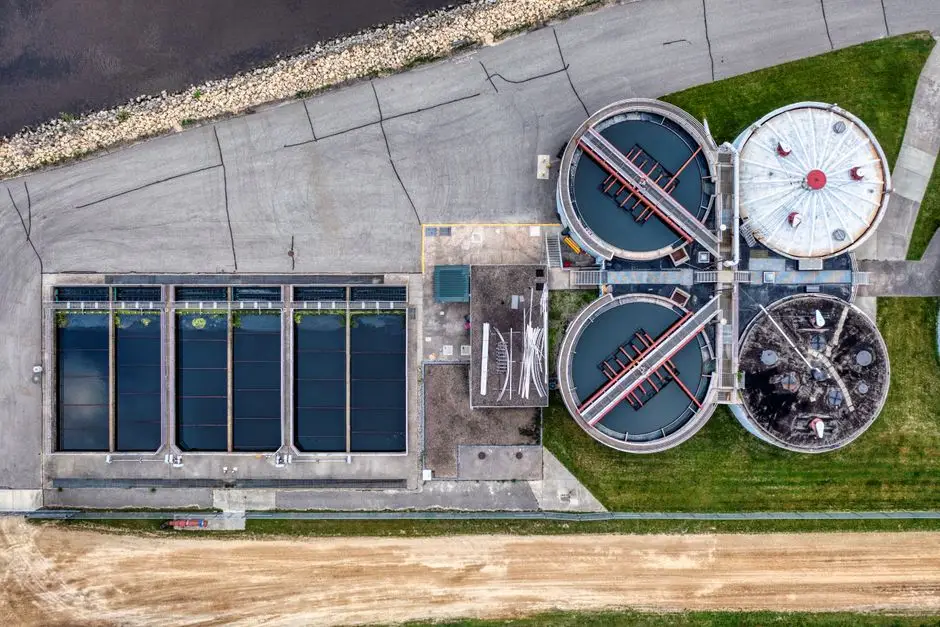
يعمل مروّق التعويم بالهواء المذاب (DAF) عن طريق إشباع تيار جانبي معاد تدويره بالهواء تحت ضغط، ثم تحرير هذا الضغط داخل خزان التعويم، حيث يخرج الهواء المذاب من المحلول على هيئة سحابة كثيفة من الفقاعات الدقيقة. تُنتج وحدات DAF الحديثة الخاصة بالبترول فقاعات في نطاق 20-50 micron - إذ تنتج التوربينة التجديدية Rogue من PEWE فقاعات بحجم 20-30 micron، بينما تحدد SigmaDAF نطاق 30-50 micron عبر طرازاتها FPAC وFPBC وFPHF. وتدّعي شركة DAF Corporation أن مولد الفقاعات الدقيقة الخاص بها ينتج فقاعات ثابتة بحجم 20-40 micron دون هواء خشن، على مدار الساعة طوال أيام الأسبوع. تلتصق هذه الفقاعات بقطرات الزيت وكتل الشحوم والزيوت (FOG) والندف العالقة، فترفعها إلى السطح خلال دقائق معدودة. تقوم كاشطة مجدافية أو مغرفية بعد ذلك بكسح طبقة الطفو إلى قمع تجميع؛ وتخرج المياه المروّقة أسفل حاجز فصل. تصل وحدة FC Maximizer من DAF Corp إلى نسبة إزالة للمواد الصلبة العالقة الكلية (TSS) تتراوح بين 92-98% عند معدلات تدفق من 10 إلى 11,000 GPM في خزان دائري عديم السرعة.
أما المروّق التقليدي أو الصفائحي فهو جهاز ترسيب بالجاذبية. تستخدم وحدة ترسيب صفائحية عالية الكفاءة حزمة من الألواح المائلة بزاوية 55-60° لمضاعفة مساحة الترسيب الفعالة داخل مساحة مدمجة - وتكون معدلات التحميل السطحي النموذجية 20-40 m/h، ويتيح الشكل الهندسي المائل للوحدة التعامل مع نحو ثلاثة أضعاف تدفق خزان الترسيب التقليدي المكافئ. لا يوجد هواء مذاب ولا فقاعات ولا طلب كيميائي يتجاوز مساعد بوليمري في بعض التطبيقات. تعتمد الآلية كليًا على ترسيب قانون ستوكس: تسقط الجسيمات الأكثر كثافة من الماء إلى سطح اللوح وتنزلق إلى قمع الحمأة، بينما يرتفع الزيت الحر الأقل كثافة من الماء ويُحتجز بواسطة حاجز رغوة سطحي.
الدلالة الآلية بالنسبة لمياه صرف البترول هي جوهر قرار DAF مقابل المروّق. تلتصق الفقاعات الدقيقة لجهاز DAF بقطرات الزيت الأصغر من 100 µm - وهو تمامًا النطاق الحجمي الناتج عن قص المضخات، والمكثفات، والتلوث بالمنظفات - وتعوّمها خلال 3-5 دقائق. لا يستطيع المروّق الصفائحي فعل ذلك: فهو يزيل فقط الزيت الذي انفصل بالفعل كطور حر، ما يعني أن الزيت المستحلب يمر عبر الوحدة دون أن يتأثر عمليًا. أي مياه واردة في غواينابو تحتوي على زيت مستحلب ناتج عن التنظيف بالمواد الخافضة للتوتر السطحي، أو مكثفات من محطات الضواغط، أو قص ناتج عن ضخ النقل، ستتطلب إما جهاز DAF، أو فاصل CPI/API أعلى المجرى، أو خط معالجة هجين.
مقارنة جنبًا إلى جنب: DAF مقابل المروّق لمياه صرف البترول بالجملة
تريد فرق المشتريات والهندسة في غواينابو عادةً مصفوفة واحدة يمكن لصقها في مذكرة تقييم الموردين. يجمع الجدول أدناه نقاط البيانات المنشورة المذكورة في هذا المقال حتى يتمكن القارئ من رؤية النطاق التشغيلي لكل تقنية جنبًا إلى جنب.
| المعيار | التعويم بالهواء المذاب (DAF) | المروّق الصفائحي / التقليدي |
|---|---|---|
| إزالة المواد الصلبة العالقة الكلية (TSS) | 92-98% (وحدة DAF Corp FC Maximizer، الخزان الدائري عديم السرعة)؛ 85-90% (وحدة DAF Corp RC UniMax المستطيلة) | 40-70% حسب تباعد الألواح ووقت المكوث وتوزيع المواد الصلبة الواردة؛ لا توجد أرقام موردين منشورة لتدفقات البترول |
| إزالة الشحوم والزيوت (FOG) / الزيت | فعّال على الزيت الحر والمستحلب حتى القطرات الأصغر من 100 µm عبر فقاعات دقيقة بحجم 20-50 µm | فعّال فقط على الزيت الحر المنفصل بالفعل؛ يمر الزيت المستحلب دون تأثر |
| نطاق التدفق | 48-450 GPM على منصة مجمّعة؛ 10-11,000 GPM مبنية ميدانيًا (DAF Corp)؛ منصة واحدة 66 GPM / نظام معياري لما فوق 66 GPM (SigmaDAF COMPACT) | نطاق هندسي نموذجي 50-2,000 m³/h حسب مساحة حزمة الألواح وهندسة الحوض |
| المساحة اللازمة | خزان دائري بقطر 6-70 ft (DAF Corp) أو حوض مستطيل؛ أعمق من الصفائحي بسبب مناطق الطفو والحمأة | تحزم الألواح المائلة ثلاثة أضعاف مساحة الترسيب الفعالة للخزان التقليدي، فتكون المساحة المطلوبة نحو ثلث مساحة مروّق تقليدي مكافئ |
| الطلب الكيميائي | التخثير/الإندفاف مطلوب لبلوغ معدلات الإزالة المصممة (متطلب صريح من SigmaDAF)؛ مضخات البوليمر والمخثر قياسية | مساعد بوليمري اختياري؛ تعمل تطبيقات بترولية كثيرة دون مواد كيميائية عندما يكون الزيت الحر منفصلًا بالفعل |
| اتساق الحمأة | حمأة طافية مكثفة 2-4% (DAF Corp)، تقلل حجم وتكلفة النقل | حمأة مترسبة 1-3%، عادةً بمواد صلبة أقل من حمأة الطفو في DAF |
| نطاق النفقات الرأسمالية/التشغيلية | نفقات رأسمالية أعلى للخزان الفولاذي المقاوم للصدأ ونظام الهواء؛ نفقات نقل تشغيلية أقل بفضل الطفو الكثيف؛ طاقة ضاغط الهواء تعوَّض جزئيًا بتصاميم التوربينة التجديدية (PEWE Rogue) | نفقات رأسمالية أقل؛ نفقات تشغيلية كيميائية أقل؛ نفقات نقل تشغيلية أعلى إذا كانت الحمأة مخففة |
أكبر فارق منفرد في هذه المصفوفة هو صف الزيت المستحلب. سيصل نظام التعويم بالهواء المذاب إلى معدل الإزالة المصمم على تدفق يحتوي على قطرات زيت ناتجة عن قص المضخات أو مستقرة بالمنظفات. أما المروّق الصفائحي، على النقيض، فسيصرّف تلك القطرات دون تأثر، وستتحمل الوحدة التالية أسفل المجرى - سواء كانت فاصل CPI، أو مرشح متعدد الوسائط، أو معالجة بيولوجية للتلميع - عبء المشكلة.
متى ينبغي لمصنع في غواينابو اختيار DAF (ومتى يكون المروّق هو الخيار الصحيح)
تتحول المصفوفة أعلاه إلى قاعدة قرار بمجرد أن يقارن المهندس بيانات المياه الواردة الخاصة به بكل صف. تتماشى العتبات المذكورة أدناه لعام 2026 مع توقعات المعالجة الأولية لهيئة PRASA ومع النطاقات التشغيلية التي ينشرها الموردون المرجعيون الأربعة.
اختر مروّق DAF عندما يتحقق أي مما يلي. يتجاوز الزيت/الشحوم والزيوت (FOG) في المياه الواردة بانتظام 50 mg/L - بالنسبة لخدمة الشحوم والزيوت (FOG) العالية جدًا، صُمم طراز FPAC من SigmaDAF خصيصًا لهذه الخدمة. المواد الصلبة العالقة الكلية (TSS) الواردة تتجاوز 500 mg/L والهدف تخفيض بمرحلة واحدة إلى أقل من 50 PPM، وهي نقطة التصميم التي صُنّفت لها وحدة DAF Corp FC-150 Maximizer. يحتوي التدفق على زيت مستحلب ناتج عن قص المضخات، أو المكثفات، أو مياه الغسيل المحمّلة بالمنظفات، وهو ما لا يستطيع المروّق الصفائحي إزالته فعليًا. المساحة محدودة ويجب أن يقوم خزان DAF واحد بعمل المروّق زائد مرحلة تلميع. تناسب وحدة DAF محمولة على منصة، بما في ذلك الوحدات المتنقلة على مقطورات، خطة إعادة تموضع الموقع في موسم الأعاصير، أو لدى المشروع نافذة تركيب ضيقة.
اختر مروّقًا صفائحيًا أو تقليديًا عندما يتحقق ما يلي. يظل الزيت الحر باستمرار أقل من 30 mg/L لأن الفصل بواسطة API أو CPI أعلى المجرى قد عالج بالفعل الطور الأكبر. التدفقات ثابتة ويمكن التنبؤ بها، ويتبع المروّق معالجة بيولوجية للتلميع أو نظام أغشية قادر على استيعاب المواد الصلبة العالقة المتبقية. أقل نفقات تشغيلية هي الأولوية والمشغّل مستعد لقبول إزالة للمواد الصلبة العالقة الكلية (TSS) بنسبة 40-70% بدلًا من 85-98% التي يوفرها DAF. لا يحتوي التدفق على زيت مستحلب، وهو أكبر عامل استبعاد منفرد للمروّق في سياق البترول.
ضع في اعتبارك خط معالجة هجينًا عندما تتجاوز التدفقات 500 GPM وتكون ارتفاعات الزيت متقطعة. يتعامل المروّق الصفائحي مع حمل المواد الصلبة العالقة الكلية (TSS) في الحالة المستقرة، وتقوم وحدة DAF بالتلميع أثناء الاضطرابات، وتتولى المرحلة البيولوجية الطلب الأكسجيني الحيوي (BOD) المتبقي. يمكن أيضًا أن يعمل جهاز DAF كمرحلة تكميلية مؤقتة عندما يكون الصفائحي متوقفًا للصيانة. لمقارنة أعمق بين التقنيات، يستعرض دليل أفضل تقنية لإزالة الزيت والشحوم لعام 2026 اختيار DAF وCPI وAPI جنبًا إلى جنب، ويكمّل مقال مقارنة تكلفة DAF مقابل فاصل الزيت والماء إطار النفقات الرأسمالية لهذا المقال. يمكن للمهندسين الذين يقيّمون مواقع خارج منطقة الكاريبي أيضًا مراجعة دليل DAF مقابل المروّق لمياه صرف البترول في بالتيمور للحصول على إطار قرار مماثل قائم على المناخ.
قائمة تحقق التصميم والمعالجة الأولية لعام 2026 لوحدة DAF أو مروّق للبترول
الخطوات الخمس أدناه هي الحد الأدنى الذي ينبغي على مهندس في غواينابو إنجازه قبل إصدار طلب عروض أسعار للموردين. تخطي أي منها عادةً ما ينتج عنه إما بند ميزانية مبالغ فيه أو خط معالجة غير قادر على بلوغ الترخيص.
| الخطوة | الإجراء | الأساس الهندسي |
|---|---|---|
| 1. تحديد خصائص التدفق | أخذ عينات مركّبة للزيت الحر والمستحلب والمواد الصلبة العالقة الكلية (TSS) والشحوم والزيوت (FOG) ودرجة الحرارة ودرجة الحموضة | عينة مركّبة لمدة 5 أيام كحد أدنى؛ رصد أحداث الارتفاع أثناء الاختبار الهيدروليكي أو مياه الأمطار |
| 2. التسوية (Equalization) | حوض تسوية أعلى المجرى قبل أي من التقنيتين | وقت مكوث هيدروليكي من 4-8 ساعات لتخفيف ذروة التدفقات قبل المروّق أو DAF |
| 3. التكييف الكيميائي | حقن المخثر والمنقّي بواسطة أنبوب خلط أو مندف | مطلوب لمعدلات الإزالة المصممة لـ DAF (حسب SigmaDAF)؛ مساعد البوليمر اختياري للصفائحي |
| 4. اختبار تجريبي | وحدة تجريبية للمورد في الموقع عند حمل التصميم | وحدة DAF Corp FC-60 عند 48 GPM / 2,000 PPM؛ وحدة RC التجريبية عند 80-100 GPM / 2,000 PPM |
| 5. تحديد المواد | اختيار درجة الفولاذ المقاوم للصدأ حسب التعرض للكلوريد والمذيبات | 304SS لمعظم تدفقات البترول؛ 316SS أو البولي بروبيلين حيث توجد كلوريدات أو مذيبات (خيارات قياسية من SigmaDAF/PEWE) |
تضع الخطوة 1 أساس التصميم - وبدونها، تصبح بقية خط المعالجة تخمينًا. الخطوة 2 غير قابلة للتفاوض بالنسبة لـ DAF لأن دفعة من 350 GPM عبر وحدة مصنفة عند 200 GPM تنهار معها طبقة الطفو. الخطوة 3 هي حيث تخطئ معظم المشاريع: نظام جرعات كيميائية أوتوماتيكي مصمم بحجم يتناسب مع التدفق والمواد الصلبة العالقة الكلية (TSS) الفعليين، لا التدفق الاسمي، هو ما يسد الفجوة بين أداء اختبار الجرة والأداء الميداني. الخطوة 4 تحمي بند النفقات الرأسمالية - سيكشف اختبار تجريبي لمدة يومين عند حمل 2,000 PPM ما إذا كان بإمكان DAF بلوغ الهدف على التدفق الفعلي، أو ما إذا كان مطلوبًا خط معالجة هجين. الخطوة 5 هي البند الخاص بمنطقة الكاريبي: سيهاجم الهواء الساحلي المحمّل بالكلوريد في محطة غواينابو الفولاذ 304SS عند مواقع اللحام خلال سنوات قليلة، لذا يُعد 316SS الخيار الافتراضي لأي معدات خارجية على منصات.
النفقات الرأسمالية مقابل التشغيلية: ما الذي يحرك قصة التكلفة في بورتوريكو لعام 2026
تهيمن على النفقات الرأسمالية في عام 2026 مادة الخزان، ودرجة تصنيف التدفق، ومستوى الأتمتة، وما إذا كانت الوحدة تصل على منصة أو مبنية ميدانيًا. يقصر DAF المحمول على منصة نافذة التركيب في غواينابو - وهو أمر مهم عندما تكون جداول مقاولي الباطن للخرسانة والكهرباء ضيقة - ويُعد الخيار العملي الوحيد للنشر المتنقل المقاوم للأعاصير. تهيمن على النفقات التشغيلية طاقة ضاغط الهواء، واستهلاك البوليمر والمخثر، وتآكل الكاشطة، ونقل الحمأة. تلغي التوربينة التجديدية Rogue من PEWE خط الهواء المضغوط بالكامل، ما يزيل أكبر حمل طفيلي على DAF. يُعد اتساق الحمأة الطافية بنسبة 2-4% من DAF Corp أكبر عامل تعويض منفرد للنفقات التشغيلية، لأن كل نقطة من المواد الصلبة في الطفو تقلل رحلات النقل وأطنان التخلص. بند مقاومة الأعاصير هو بند فريد لمنطقة الكاريبي: يمكن إعادة تموضع DAF متنقل أو محمول على مقطورة قبل حدوث عاصفة وإعادة تشغيله خلال يوم واحد بعدها، بينما يظل المروّق الصفائحي المدمج بالخرسانة أصلًا ثابتًا يتعين على المصنع حمايته في موقعه. ضع هذا التعرض في الاعتبار عند وضع الخطة الرأسمالية لعام 2026، خاصة بالنسبة للمنشآت داخل مناطق فيضان PRASA-PRIAA.
الأسئلة الشائعة
ما حجم الفقاعات الذي تستخدمه وحدة DAF الحديثة الخاصة بالبترول؟
تنتج وحدات DAF الحديثة فقاعات دقيقة في نطاق 20-50 micron. تنتج التوربينة التجديدية Rogue من PEWE فقاعات بحجم 20-30 micron دون إمداد هواء مضغوط، بينما تحدد SigmaDAF فقاعات بحجم 30-50 micron عبر طرازاتها FPAC وFPBC وFPHF. مولد الفقاعات الدقيقة من DAF Corporation مصنف لفقاعات ثابتة بحجم 20-40 micron على مدار الساعة طوال أيام الأسبوع.
هل يمكن للمروّق الصفائحي إزالة الزيت المستحلب من تدفق بترولي؟
لا. يفصل المروّق الصفائحي فقط الزيت الحر الذي ارتفع بالفعل خارج طور الماء. الزيت المستحلب - قطرات أصغر من 100 µm مستقرة بواسطة قص المضخات أو المكثفات أو المنظفات - يمر عبر حزمة الألواح دون تأثر عمليًا ويجب معالجته بواسطة DAF، أو فاصل CPI مزود بمزيل استحلاب كيميائي، أو فاصل API كمرحلة تلميع.
ما معدلات التدفق التي تغطيها منصات DAF المُعبّأة؟
تغطي منصات DAF المُعبّأة عادةً 48-450 GPM. يُعرض طراز DAF Corp's FC Maximizer من منصة بقطر 6 قدم بمعدل 48 GPM إلى منصة بقطر 15 قدم بمعدل 450 GPM، وتمتد وحدات FC المبنية ميدانيًا النطاق إلى 11,000 GPM. تعالج وحدة COMPACT DAF من SigmaDAF معدل 66 GPM على منصة واحدة، مع أنظمة معيارية بمنصتين للتدفقات الأعلى.
هل التكييف الكيميائي مطلوب مع DAF؟
نعم. تنص كل من SigmaDAF وPEWE على أن التخثير والإندفاف مطلوبان حتى يصل DAF إلى معدلات إزالة المواد الصلبة العالقة الكلية (TSS) والشحوم والزيوت (FOG) المصممة، لأن الكيمياء تكبّر الجسيمات الأصغر من 100 µm إلى ندف تلتصق بها الفقاعات الدقيقة. سيقل أداء DAF الذي يعمل دون كيمياء بنسبة 20-40 نقطة مئوية مقارنة بمعدل الإزالة المصنف له.
ما مدى سرعة نشر DAF متنقل في غواينابو؟
أسطول DAF المتنقل من WesTech محمول على مقطورة بهيكل خزان قابل للنقل ويمكن عادةً تسليمه وتشغيله خلال يوم واحد، حسب جاهزية الموقع. تبلغ أبعاد المقطورة الأصغر 47 ft 6 in في 8 ft 6 in في كل من تكوين الشحن والتشغيل، بينما تمتد الوحدة الأكبر إلى 51 ft 7 in في 8 ft 6 in أثناء التشغيل، وهي نقطة بيانات مفيدة عند التخطيط للوصول إلى موقع غواينابو والتخليص.